Latest Entries »

Glorieta Chapalita 02

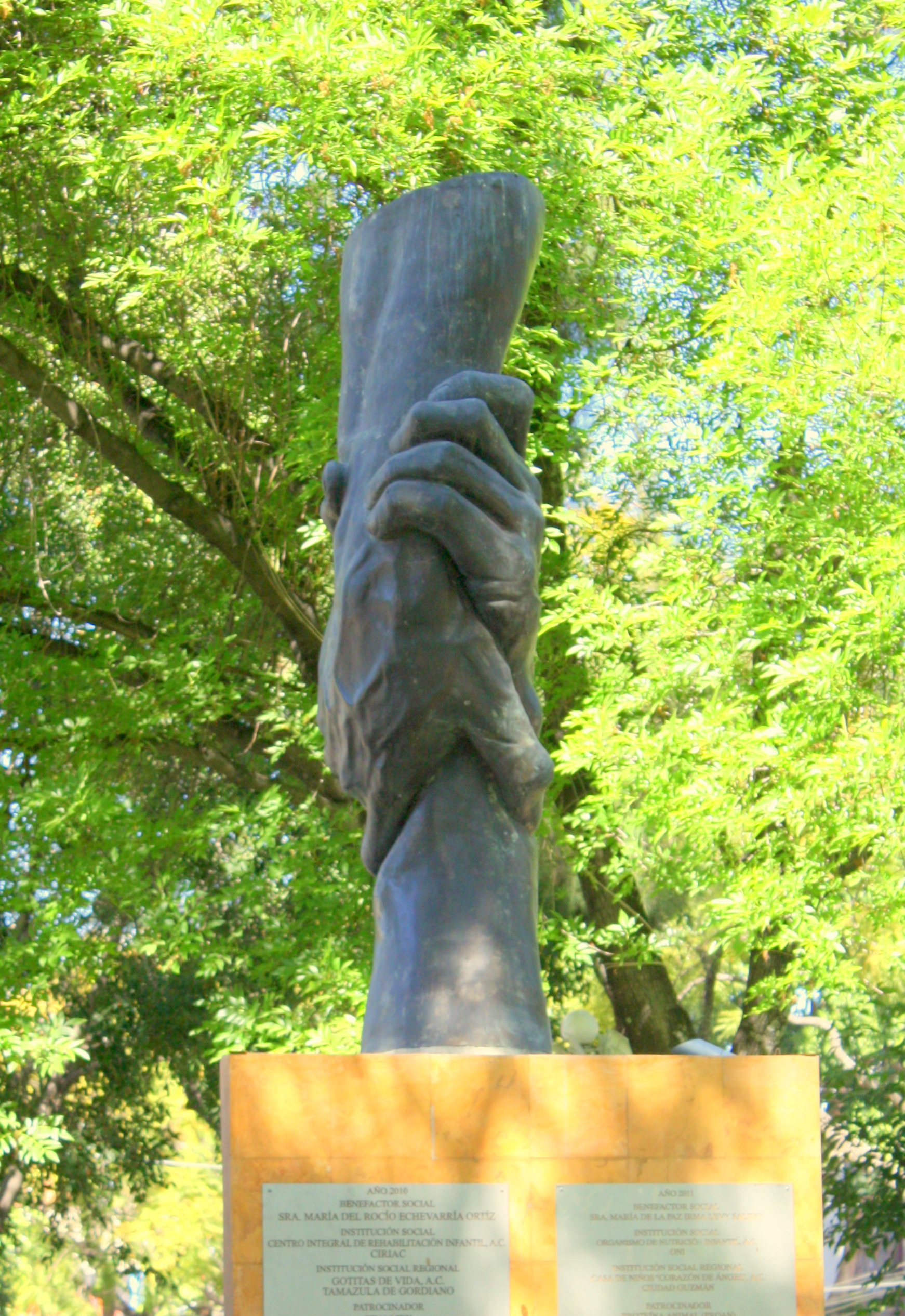
Some of Guadalajara’s most memorable public art, like its monumental Minerva Fountain and the Niños Héroes statuary, are centerpieces for its traffic circles (glorietas).

Glorieta Chapalita 06

In the Colonia Chapalita, the glorieta appears as far more intimate public space at Chapalita Circle, a delightful pocket park that covers the space of a small city block.

Glorieta Chapalita 04

Glorieta Chapalita 05

Here seven streets intersect at the edge of a quiet and well-established residential neighborhood.

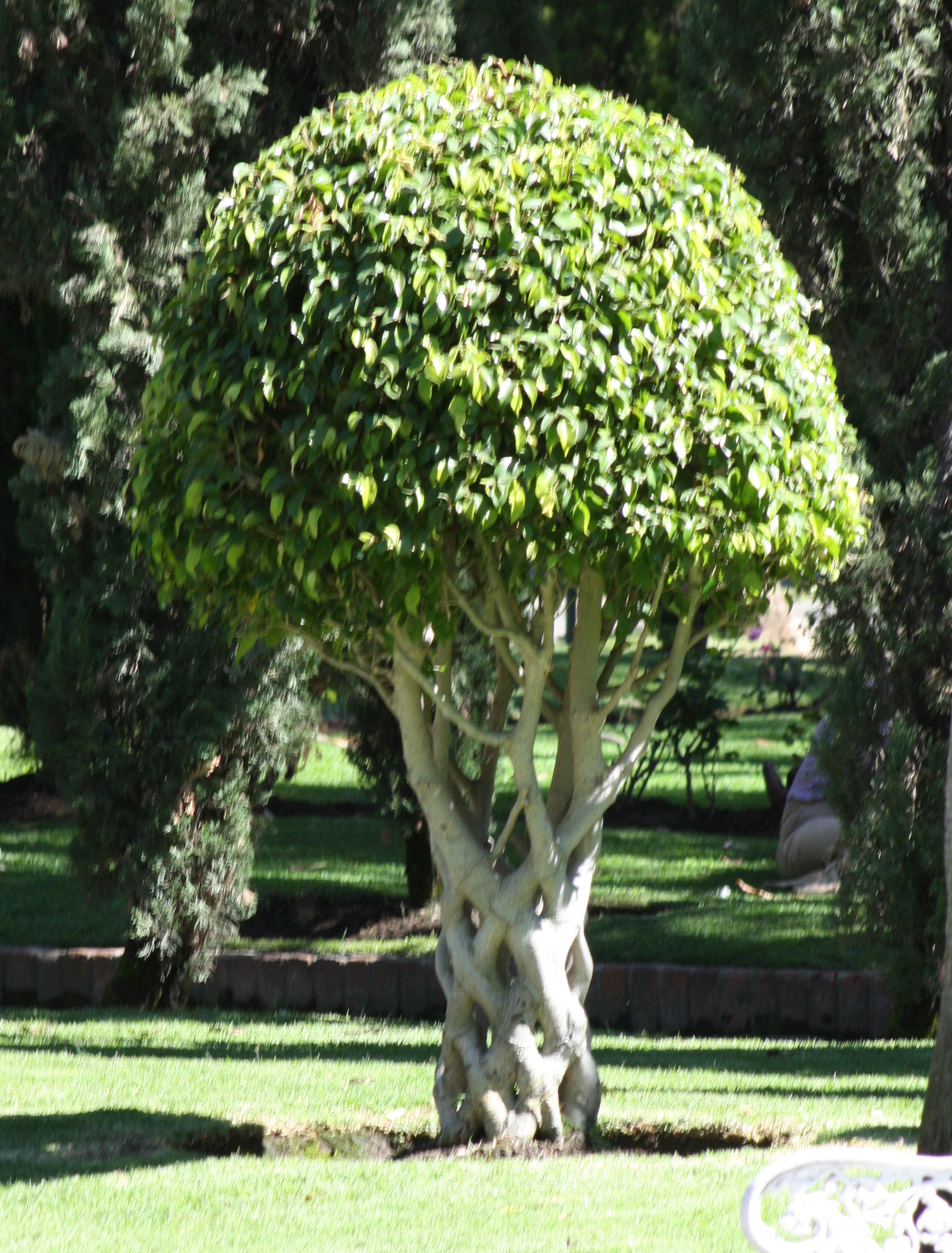
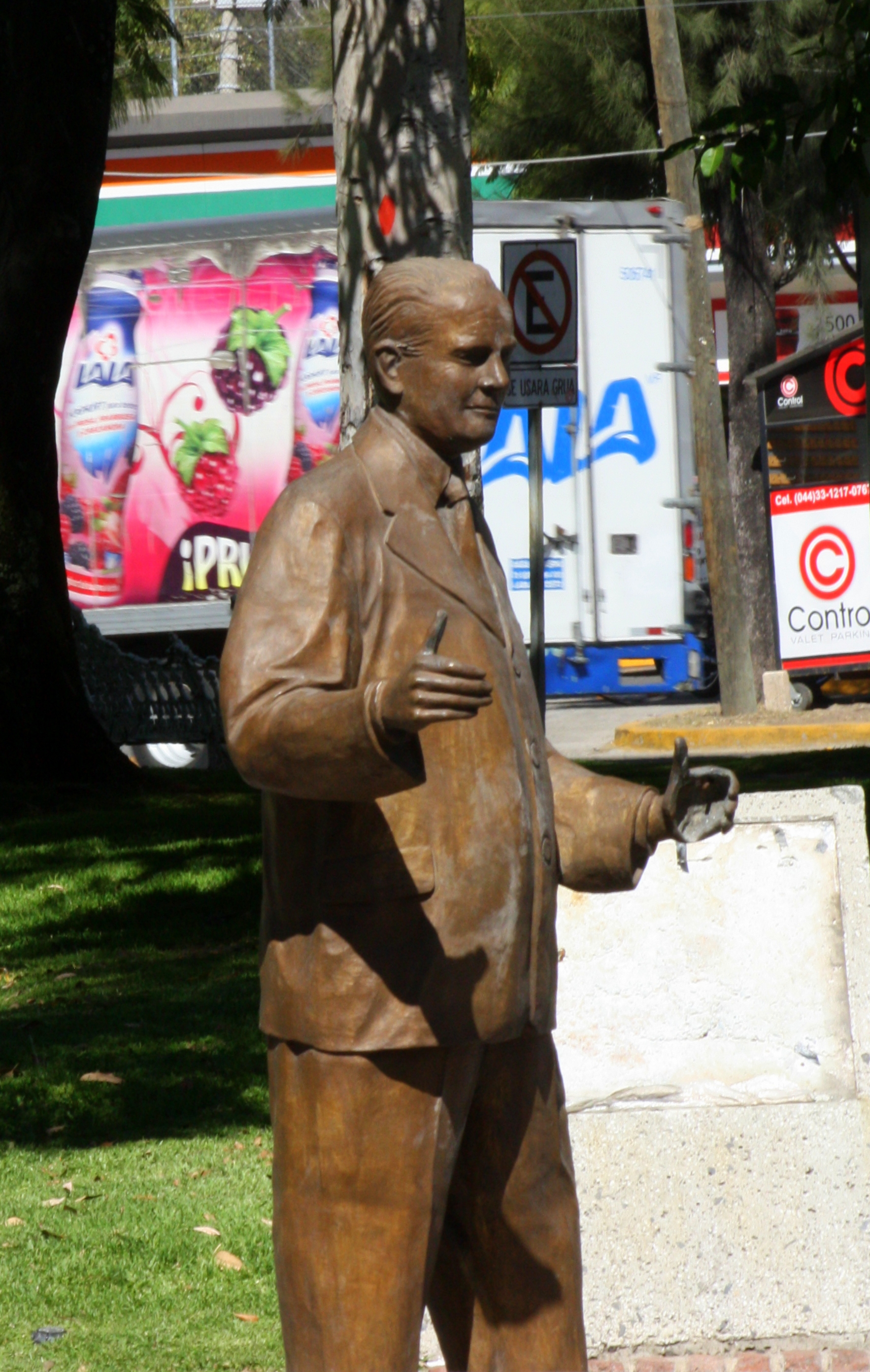
This glorieta is a verdant urban oasis of wrought iron benches painted immaculate white and nestled among fountains, beds of roses, and human scale statues.

At its center stands a classic gazebo.

Glorieta Chapalita 01

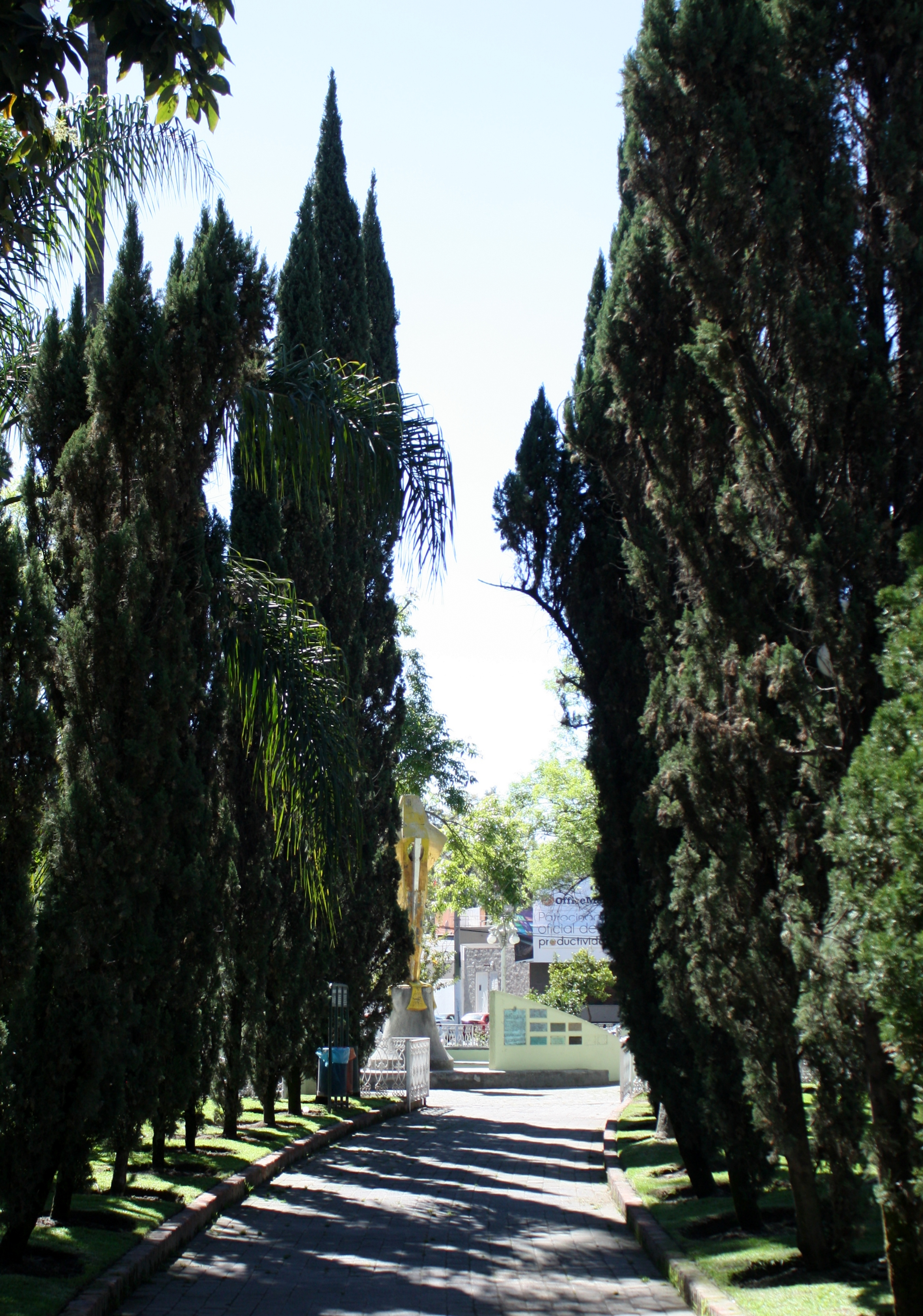
Palm trees tower above, and rows of Italian cypress screen much of it from the sights and sounds of circling traffic.

Glorieta Chapalita 03

In some spots only the top of the 42-story Hotel Riu, a kilometer distant, reminds that this place is not far from the heart of the city.

Glorieta Chapalita 08

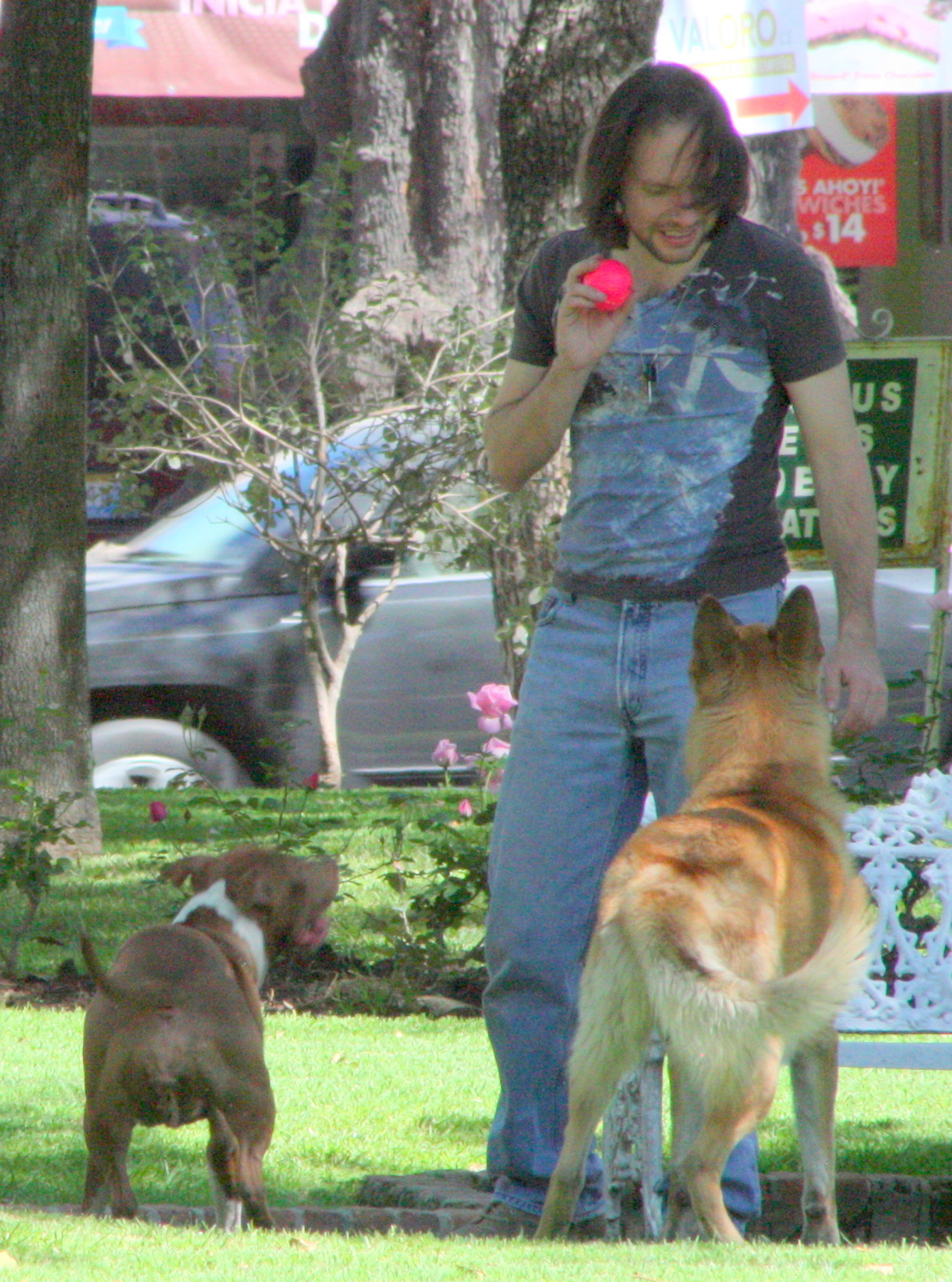
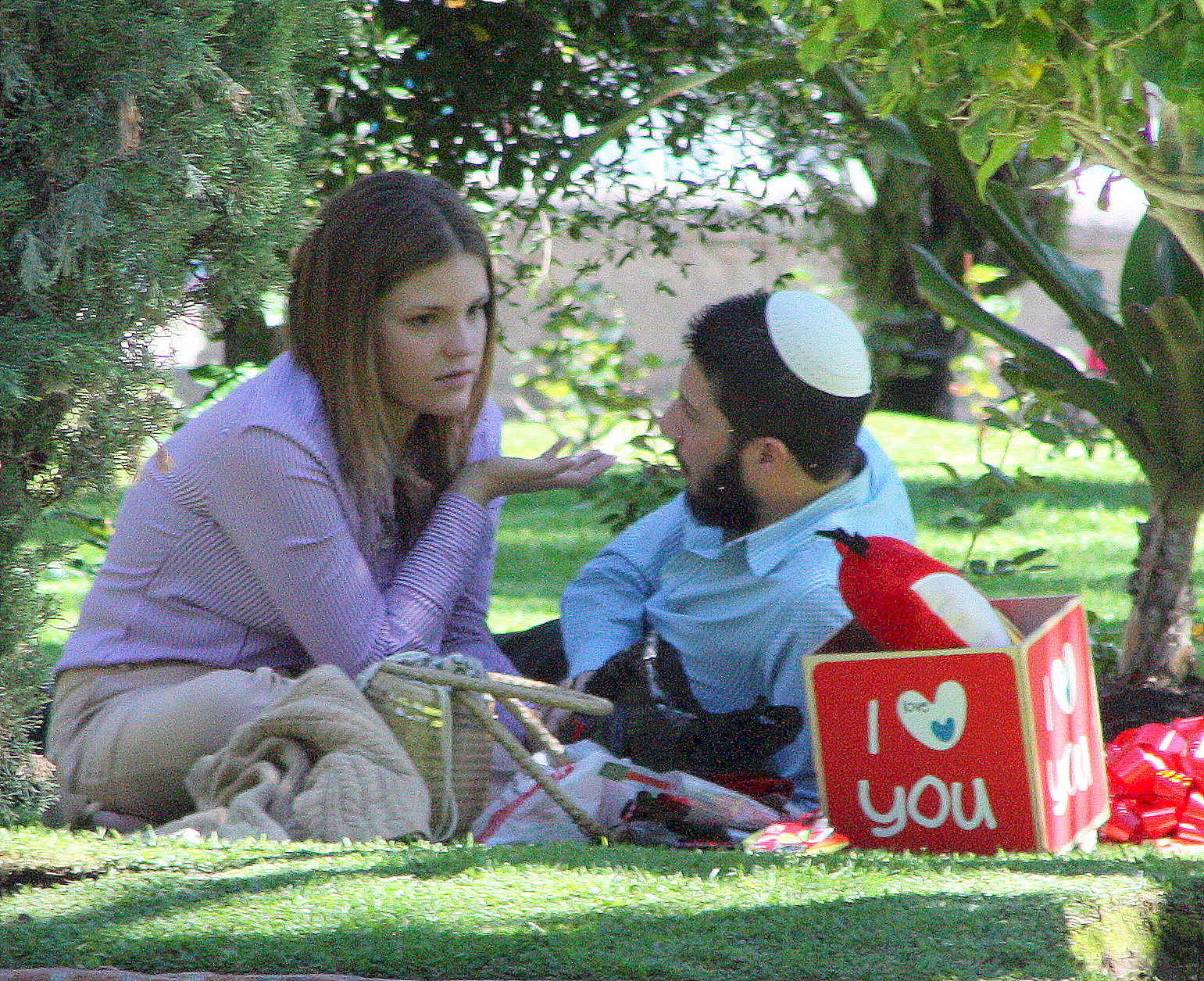
On a typical Saturday visitors here might include pets and their owners, couples, and parents with young children.

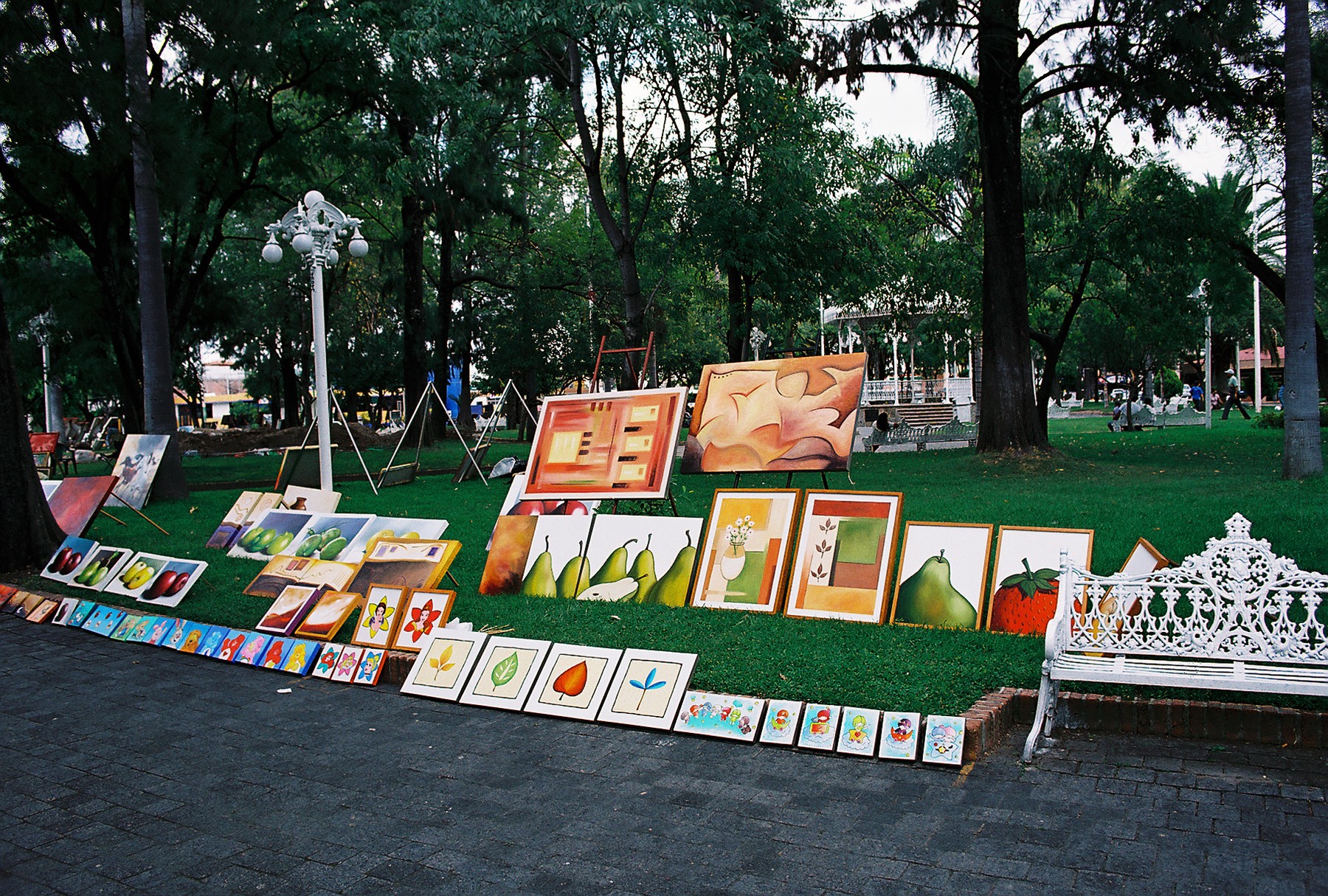
On Sundays, though, it’s transformed into an open-air art gallery where artists display their canvases on easels and park benches.

Glorieta Chapalita 09

Glorieta Chapalita 10

Theme, genre, and scale varies, although on the day of my visit there were lots of contemporary pieces.

Glorieta Chapalita 07

Glorieta Chapalita 11

It’s not uncommon to see some paint as they pass the time, and most are more than glad to chat with browsers about their work and their artistic journey.

Glorieta Chapalita 11-001

Glorieta Chapalita 13

This art show pairs very well with a brunch before strolling through the art, or lunch or dinner after.

The restaurants facing the glorieta are but a few of the dozens within blocks, so you can park once and take in the entire day’s experience on foot.

Glorieta Chapalita 14

These eateries range from upscale to fast casual.

You can top off your meal with a cappuccino from a nearby café or pastry dessert from a neighborhood repostería.

Find out more on the Glorieta Chapalita’s web site.

For the more ambitious visitor, a Sunday at Chapalita Circle fits well into a day including a promenade on the Avenida Vallarta,or a visit to Guadalajara’s open-air antique market.

You may also want to check out also these posts for more things to see and do in Guadalajara:


Andromeda Gardens Barbados 01What happens when a traditional English garden is infused with a big dose of the tropics?

Andromeda Gardens Barbados 02


The answer is Barbados’ Andromeda Botanic Gardens, and you don’t have to be a horticulturist to appreciate the beauty of this six acre tropical garden in St. Joseph Parish overlooking the island’s ruggedly scenic east coast.

Andromeda Gardens Barbados 03

The garden was started as a private plant collection around the home of local horticulturist Iris Bannochie in 1954.

Andromeda Gardens Barbados 04First opened to the public during a ‘70’s fund raising event, the garden has ever since remained open to the public, and Mrs. Bannochie later willed it to the Barbados National Trust, which now manages it.

Andromeda Gardens Barbados 05Here there are over 600 different species of plants including native banyan, more than 60 different species of palm, cacti, and ferns set among pools and waterfalls fed by a stream that flows through the property.

Andromeda Gardens Barbados 06At the heart of this botanical wonderland, though, are its startlingly brilliant and inventively shaped flowers.

Andromeda Gardens Barbados 07

Gardening enthusiasts will doubtless recognize many of them, an amazing number of which are varieties of orchids so unlike each other that it’s hard to believe that they’re all of the same species.

Andromeda Gardens Barbados 08

For garden-challenged people like me, it’s enough to wander the garden and take in its beauty without benefit of much introduction, and each of the pictures here is certainly worth a thousand words!


Andromeda Gardens Barbados 09

Andromeda Gardens Barbados 10

Andromeda Gardens Barbados 11

Andromeda Gardens Barbados 13

Andromeda Gardens Barbados 14


There’s more on my visit to Barbados here:


Redeeming works

Santa Cruz de la Soledad is less than 4 kilometers east of Chapala, but by many measures it’s separated from Chapala by light years.  It sits back from the coastline, connected to a string of even more remote villages by a road that seems to shrink as it unravels, seemingly a road to nowhere.

Alberto in the carpentry shop:  Contagious enthusiasm

Alberto in the carpentry shop: Contagious enthusiasm

The villagers here have fished or farmed for generations, but these days more of Santa Cruz’s 1,700 souls farm maiz, calabasas, and frijoles than fish the lake.

It’s not a lucrative occupation, and it only takes a quick walk through the village streets to confirm that prosperity has largely passed this place over.

I’m here with my Cuban-American friend Alberto to see in action a program that teaches carpentry skills to at-risk youth, and which he has helped to jump-start.

A modest home for the carpentry shop

A modest home for the carpentry shop

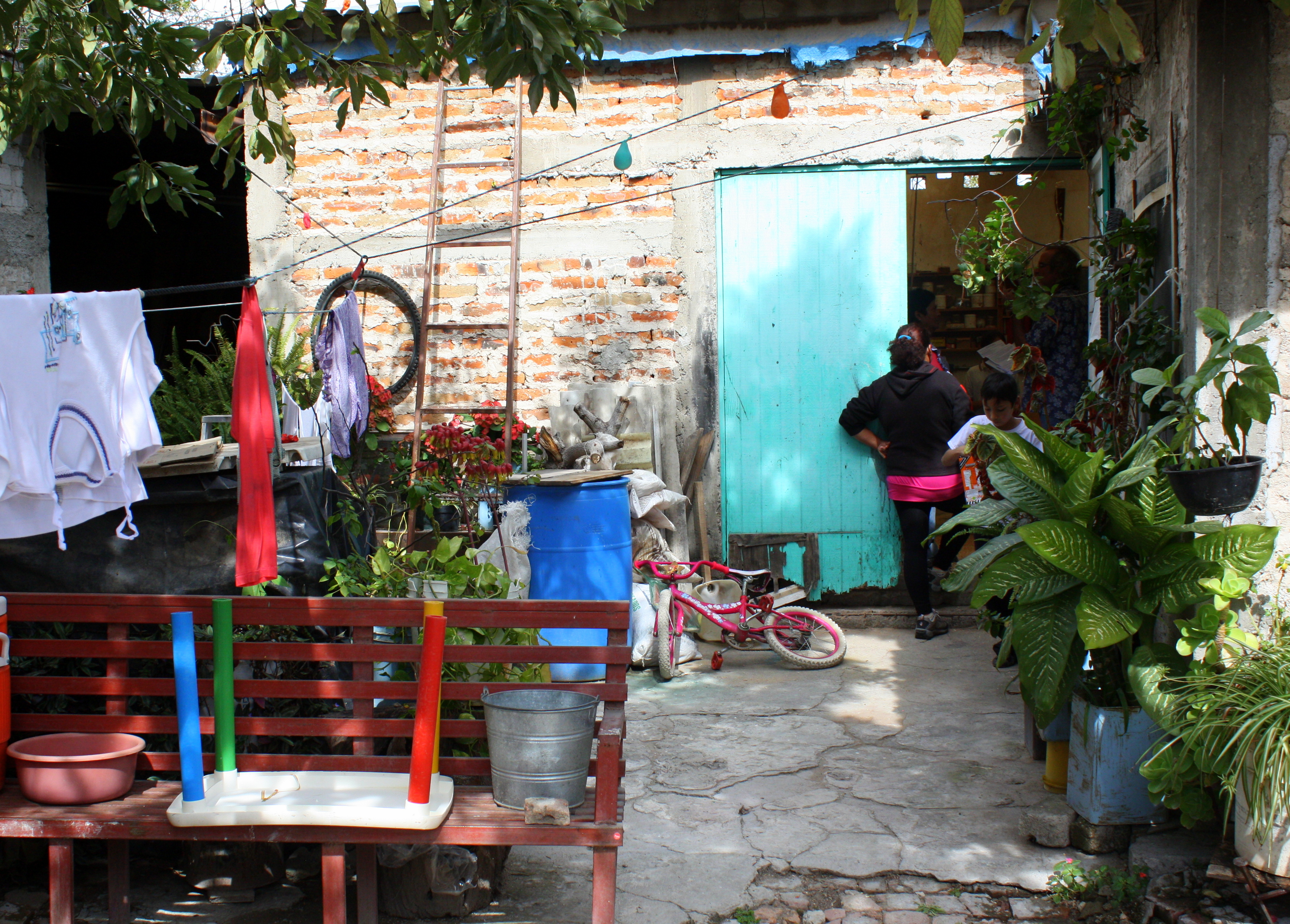
Upon arrival we pass through a modest house and small courtyard to reach the carpentry shop.

Carpentry instructor Joel with students

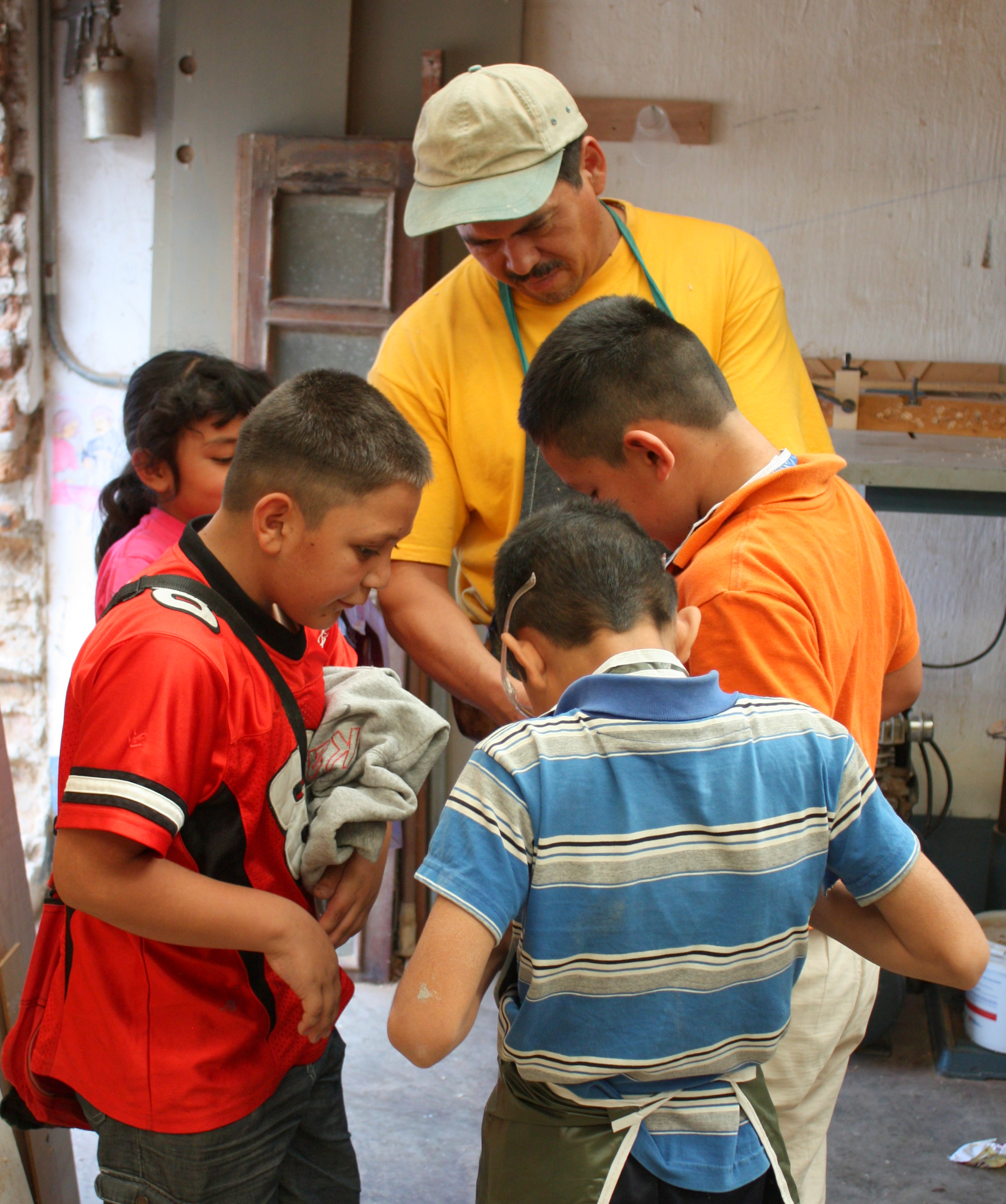
Carpentry instructor Joel Morando with students

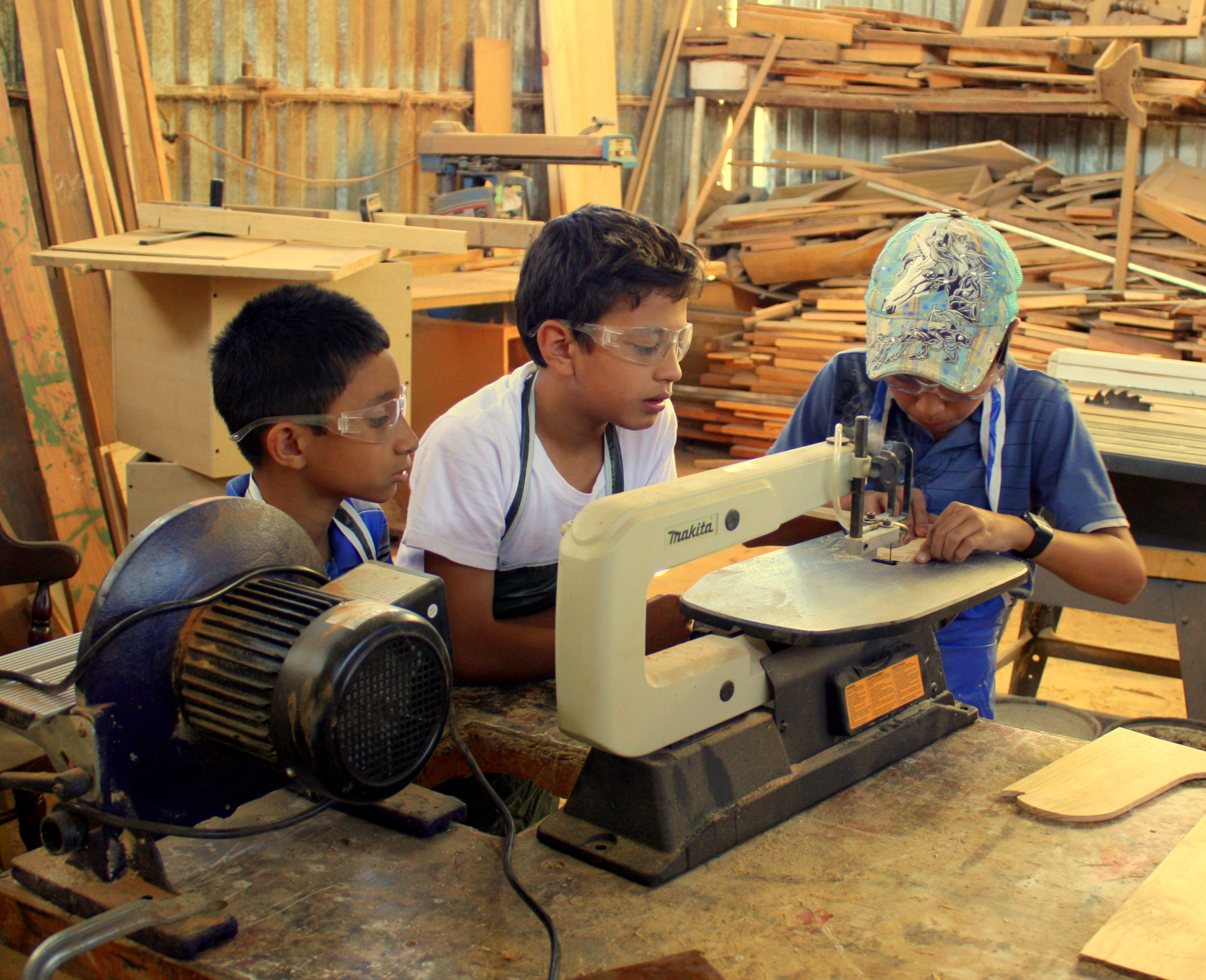
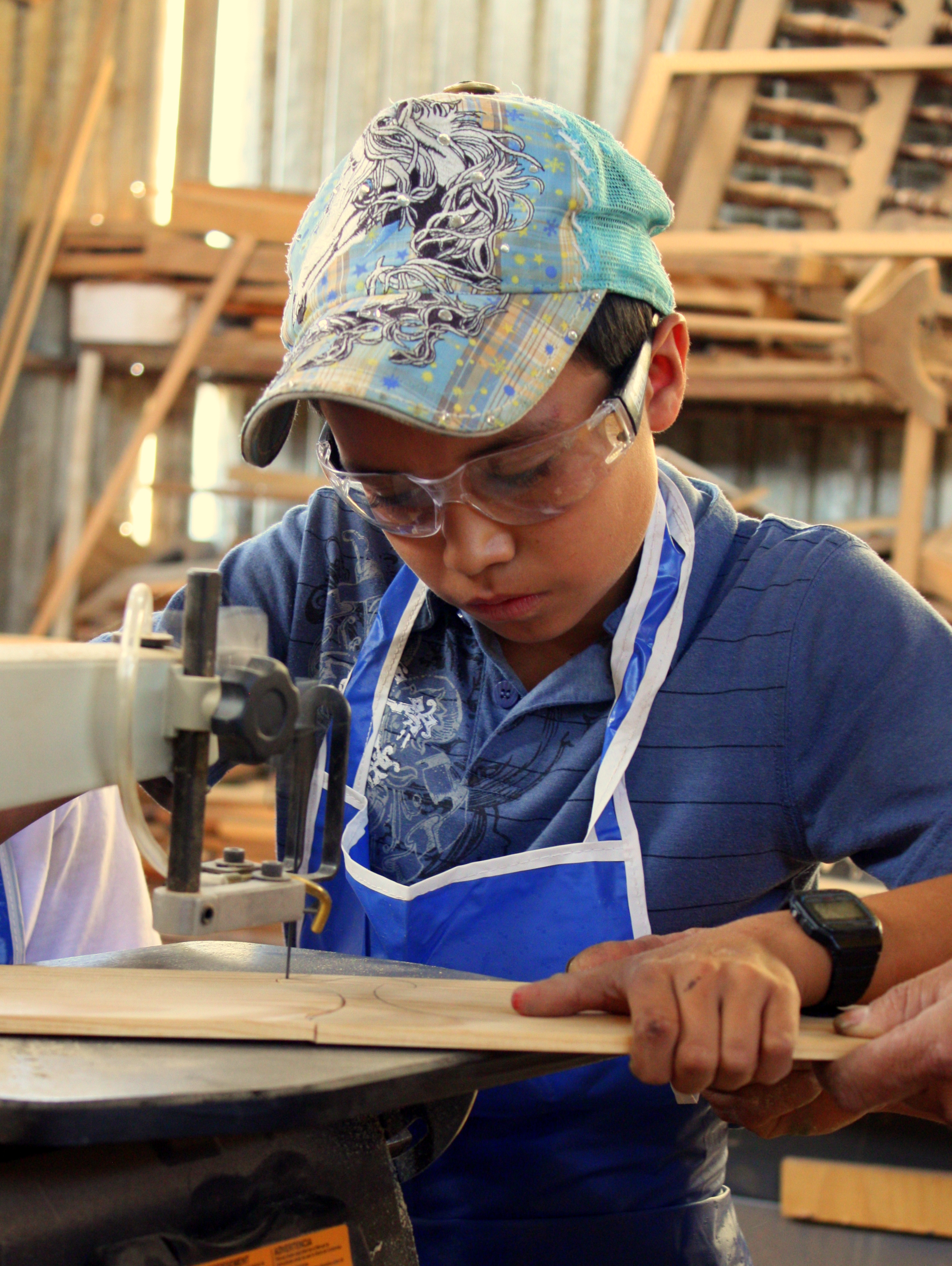
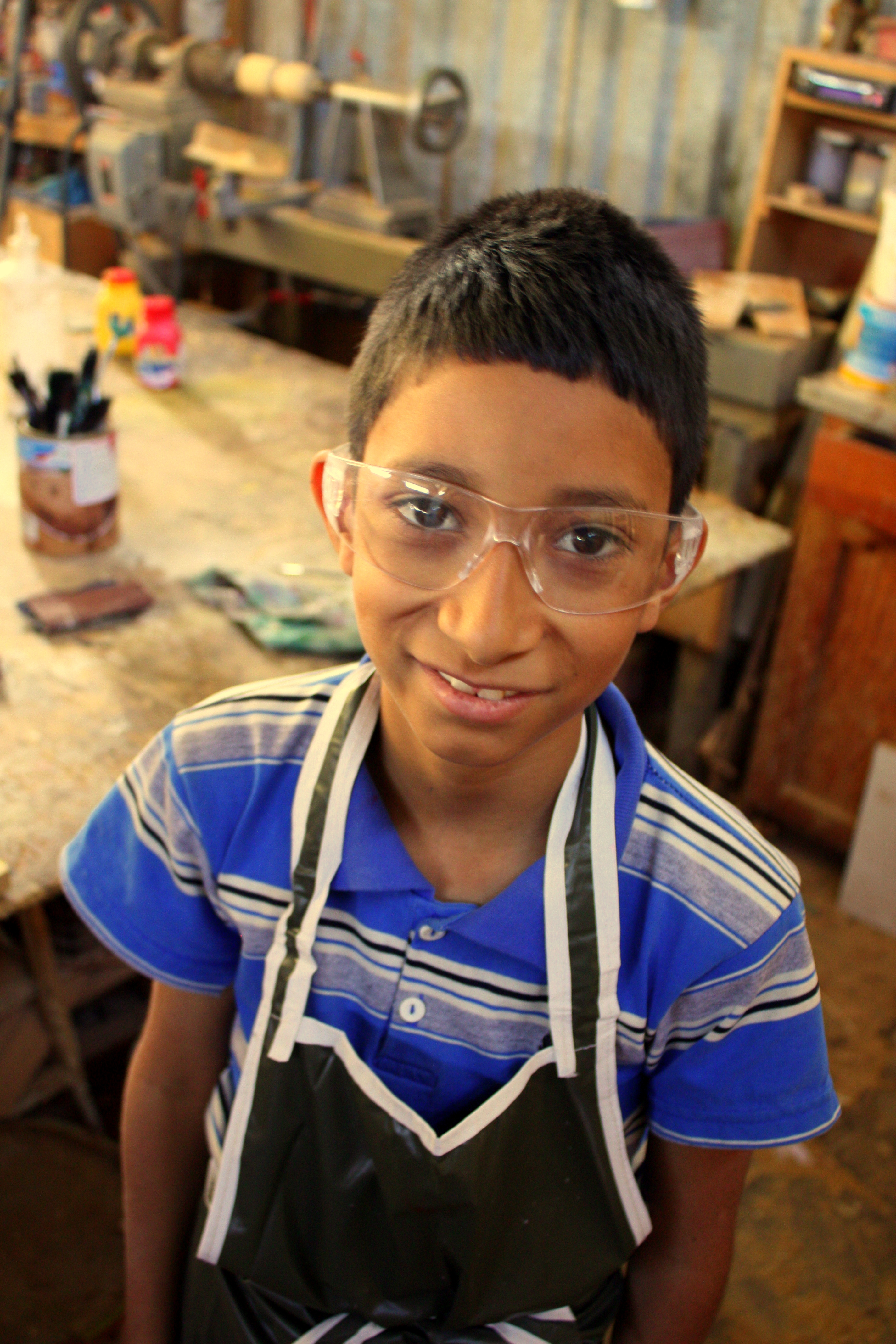
Here Joel Morando, carpenter and volunteer instructor, patiently watches and coaches a dozen children doing everything from operating a jigsaw to painting items that they’ve fabricated.

Their finished work is sold to the public, both to help make the program self-supporting and to teach the children not only how to make their products, but also to market them.

The kids are singularly focused

The kids are singularly focused

These children are 9 or 10 years old, but there are no childish hijinks going on here.

All are intently focused on the work at hand, watching earnestly as each takes a turn at working the power tools.

About one-third of the students are girls

About one-third of the students are girls

About a third of the students are girls.  Alberto tells me that there’s a waiting list of students hoping to enroll in future classes.

The kids are at first a bit shy.

The kids are at first a bit shy.

The children seem at first shy as I begin to snap photos, but then one asks to see the digital image on the camera screen and suddenly I’m surrounded by others asking me to take their photos.

Santa Cruz de la Soledad 2013-01-12 07

After each shot I’m obliged to turn the camera around so that all can see each image, and there’s lots of laughter and chatter as each portrait is revealed.

Santa Cruz de la Soledad 2013-01-12 08

As a parting gift Joel is presented with the donation of a first aid kit that’s been on his wish list.

Older kids are just beginning to arrive for their advanced apprenticeship as we depart.

Santa Cruz de la Soledad 2013-01-12 09

Antonio Morales.

Alberto next takes me a few doors down and introduces me to community advocate Antonio Morales, where in short order I come to understand that the children’s carpentry program is only the tip of Santa Cruz’s self-help iceberg.

Antonio is quick to laugh and his compassion for his neighbors shines through when he talks about projects – some already launched and others not yet hatched – for their betterment.

There’s also a steadfastness about him that leaves no doubt about his willingness and ability to drive hard bargains where the welfare of his neighbors is concerned.

On this day it’s less than a week after the Dia de los Reyes Magos – Three King’s Day – and as we pass through the plaza a life-sized nacimiento is still arranged there. These figures were annually borrowed for many years until Antonio talked the owners into donating them to Santa Cruz.

Santa Cruz de la Soledad 2013-01-12 10

Santa Cruz de la Soledad 2013-01-12 11

The features of thes statuary are predictably, if incongruously, European. The village, though, has placed its own subtle stamp on the tableau: At the edge of the scene beneath a Mexican clay pottery basin hangs a hand-woven blanket that Antonio tells me is nearly as old as the village itself.

Santa Cruz de la Soledad 2013-01-12 12

In Antonio’s nearby house it becomes obvious that the nacimiento gift pales in comparison to donated goods of every kind that he’s collected.  Clothing.  Walkers for the disabled.  Books.  Children’s toys.

It resembles a flea market except that nothing’s sold here, but rather freely distributed within the community on the basis of need.

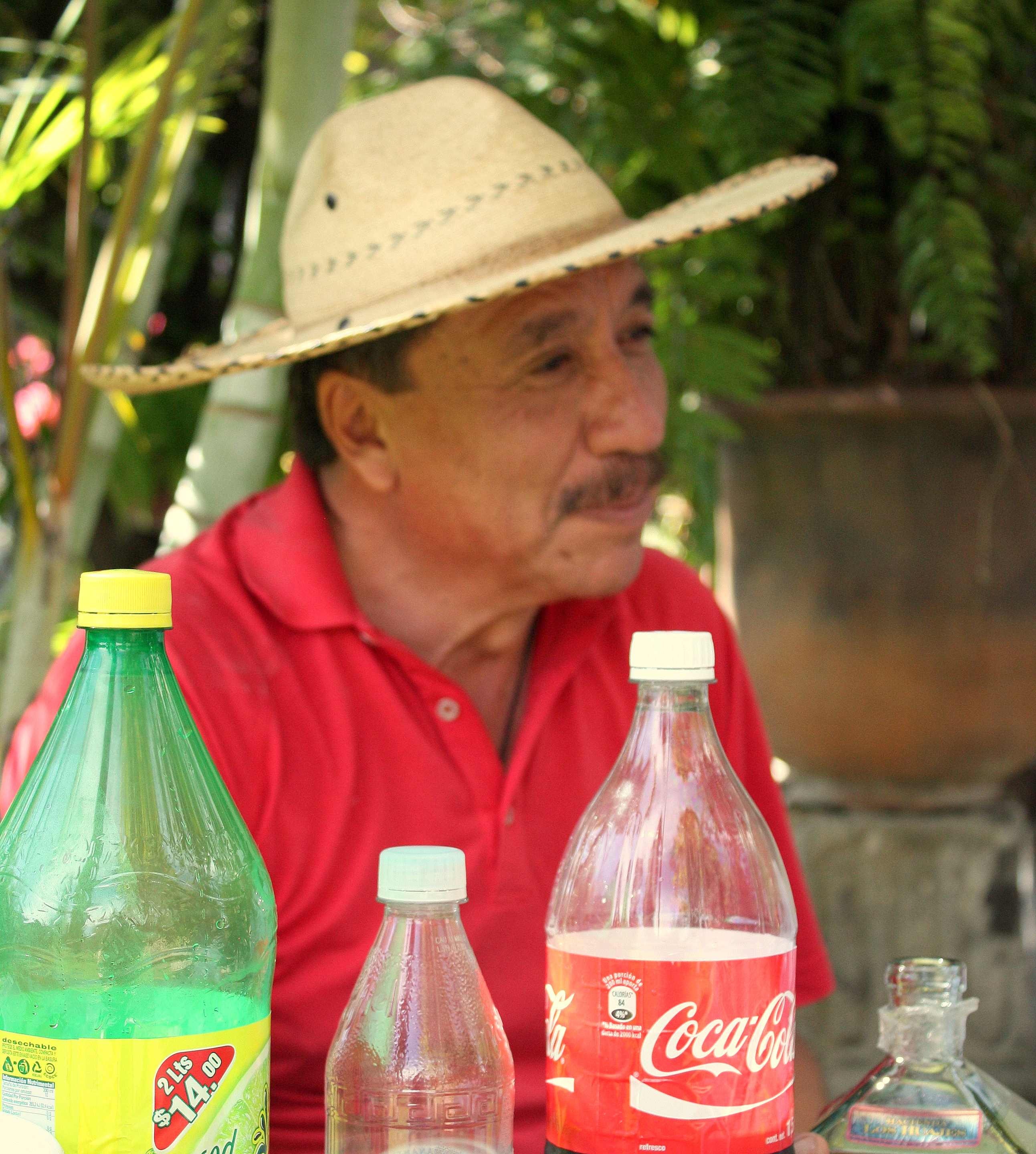
On a table in the jardin out back sits a bottle of Antonio’s favorite tequila, and as our visit draws to a close we’re obliged to accept his profered hospitality.  Purists may drink it straight up, but for everyone else he has set out mixers:  There’s the perennial Squirt, which makes a sort of lazy man’s margarita, or (the first time I’ve seen this) Coca Cola!

Santa Cruz de la Soledad 2013-01-12 13

As we sip the elixir, the air is suddenly split by an announcement in blaring over a loudspeaker, and it recalls for a moment the recurring P.A. announcements in countless episodes of M.A.S.H.

In a town without its own newspaper, loudspeakers perched on poles strategically situated throughout the village are the way that folks get their local news. It’s a low-tech solution perfectly suited to the need.

It’s almost time for us to leave as Antonio begins talking enthusiastically about another unfolding project that will teach local farmers how to raise moringa trees, the leaves of which are so rich in vitamins, minerals, and proteins that they’re often called “the super food”.

The fast-growing crop fetches a healthy price on the world market, and promises to help even more of Antonio’s neighbors pull themselves up by their own bootstraps. A few local farmers have already sprouted the first moringa seedlings, learning how best to cultivate and care for them so that their experience can be shared with others.  Hopes are for a first crop before this year’s end, and I’m eager to return and see the result!

Afterwards as we head back through Chapala, I reflect on the amazing enterprise demonstrated by people who so ably apply what little they have to better themselves and their community. There’s little here by way of a social safety net except the support that these villagers readily give to one another… but which is clearly priceless.

Roaming thru Rome

Ancient images evoke Fellini's Satyricon

Ancient images evoke Fellini’s Satyricon

What can be left to write about a place that’s been called “The Eternal City” for most of its nearly 3,000 year history?

The city’s been so widely photographed and the world has come to know it so intimately through films ranging from Biblical epics to Fellini that no stone seems to have been left unturned.

What came alive for me as I walked its streets was not only a sense of Rome as the thread upon which so much of Western history is strung, and its unending paradoxes.

There are few places in which the past co-exists with the present so seamlessly as in Rome.

St. Peter's Basilica, The Vatican

St. Peter’s Basilica, The Vatican

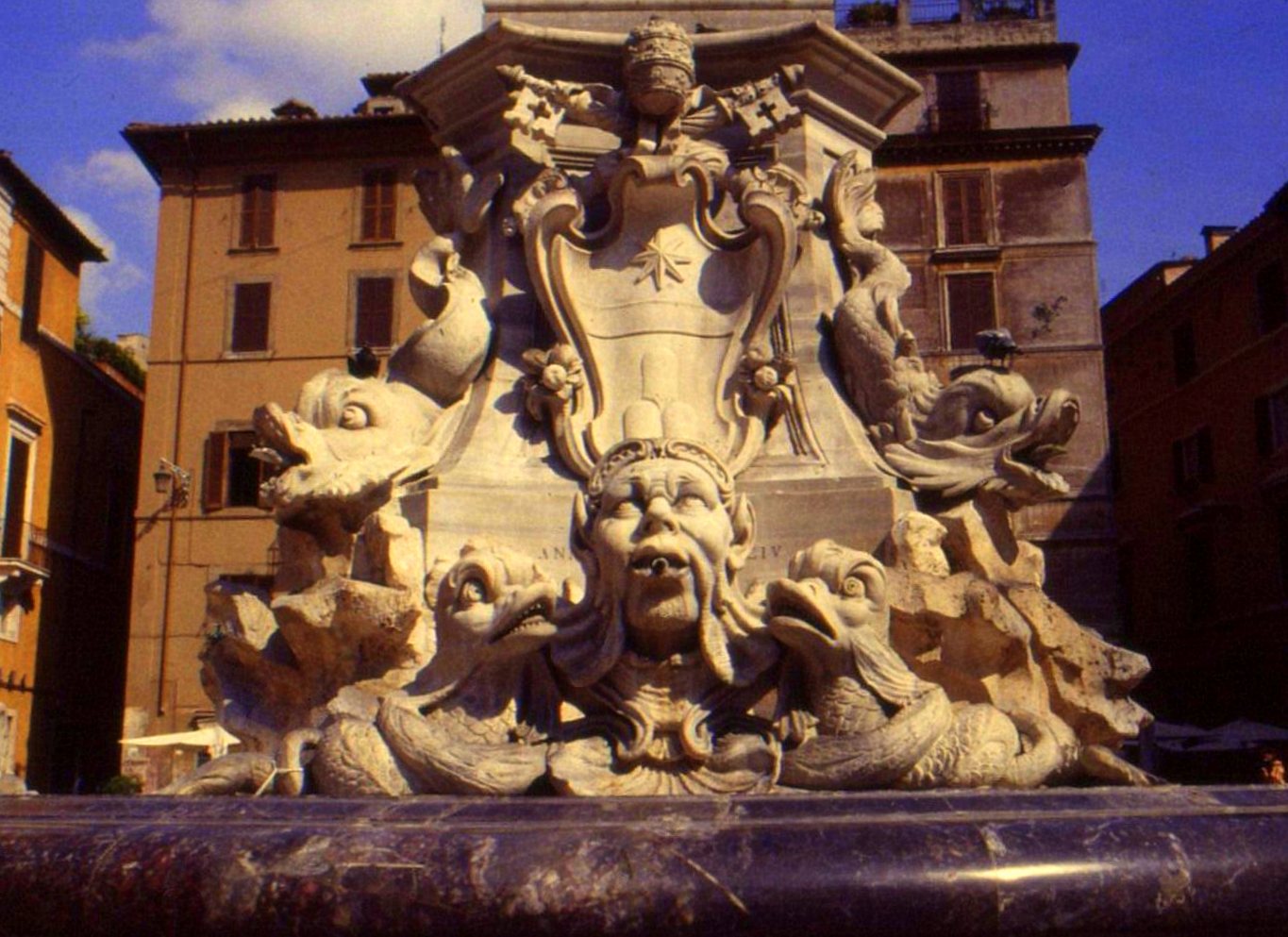
Here it’s common to see trendy new boutiques and restaurants installed in centuries-old buildings.  Legions of Vespas circle Baroque fountains and Classical ruins.

Romans seem at once an unconscious extension of the rich past which surrounds them and at the same time casually indifferent to it.

The cruise line has booked everyone into the Excelsior Hotel as the trip winds to a close. The Excelsior is famous as the travel residence of choice for celebrities from Mark Twain to the Rolling Stones.

As I walk through its lobby and out onto the Via Veneto I can’t help but recall scenes shot here for Fellini’s La Dolce Vita.

Ruins of the Roman Forum

Ruins of the Roman Forum

Many of ancient Rome’s surviving structures – worn, weathered, and vandalized for nearly two millennia –  stand in stark contrast to  the architectural grandeur of Renaissance Rome, some of which is built of marble stripped from their facings.


Roman Coliseum

Roman Coliseum


The Roman Forum survives only as a disappointingly bare skeleton.


Even stripped of its façade, though, the Coliseum engulfs visitors walking the arena floor with its sheer size.

I can’t help but reflect on the fact that it was not until the latter part of the twentieth century that man first built stadiums to eclipse it in scope.

The Pantheon, Rome

The Pantheon, Rome


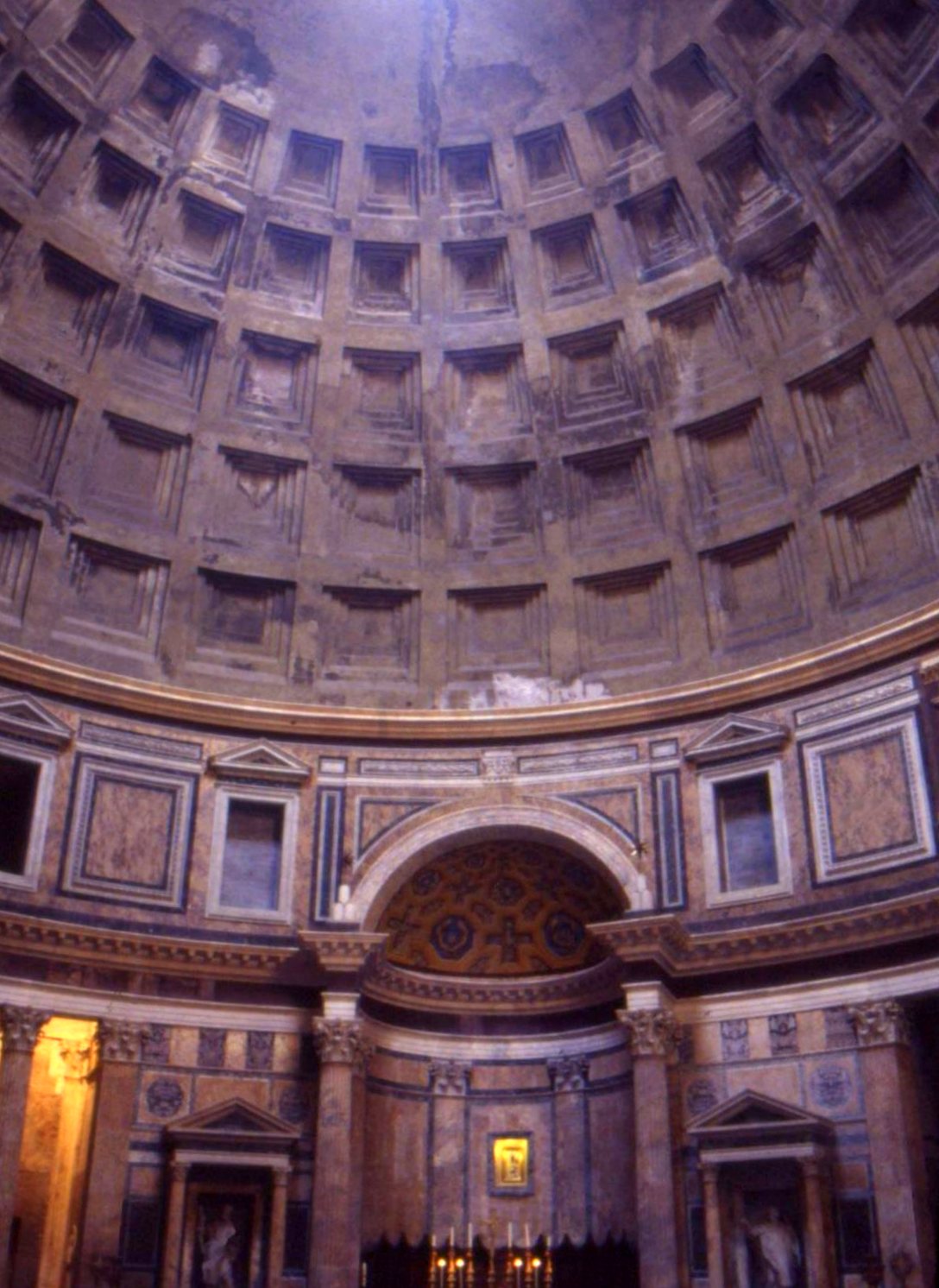
A notable exception to ruined Classical Rome is the Pantheon.

The Pantheon, Rome

The Pantheon, Rome

Its simple, geometric perfection seems to leave nothing left unsaid, and to stand beneath its dome looking up through the circular eye open to the sky was for me a far more spiritual experience than walking among the gilded angels of St. Peter’s.

Almost two thousand years after it was built, the Pantheon is still the world’s largest unreinforced concrete dome.

St. Peter's Square, The Vatican

St. Peter’s Square, The Vatican


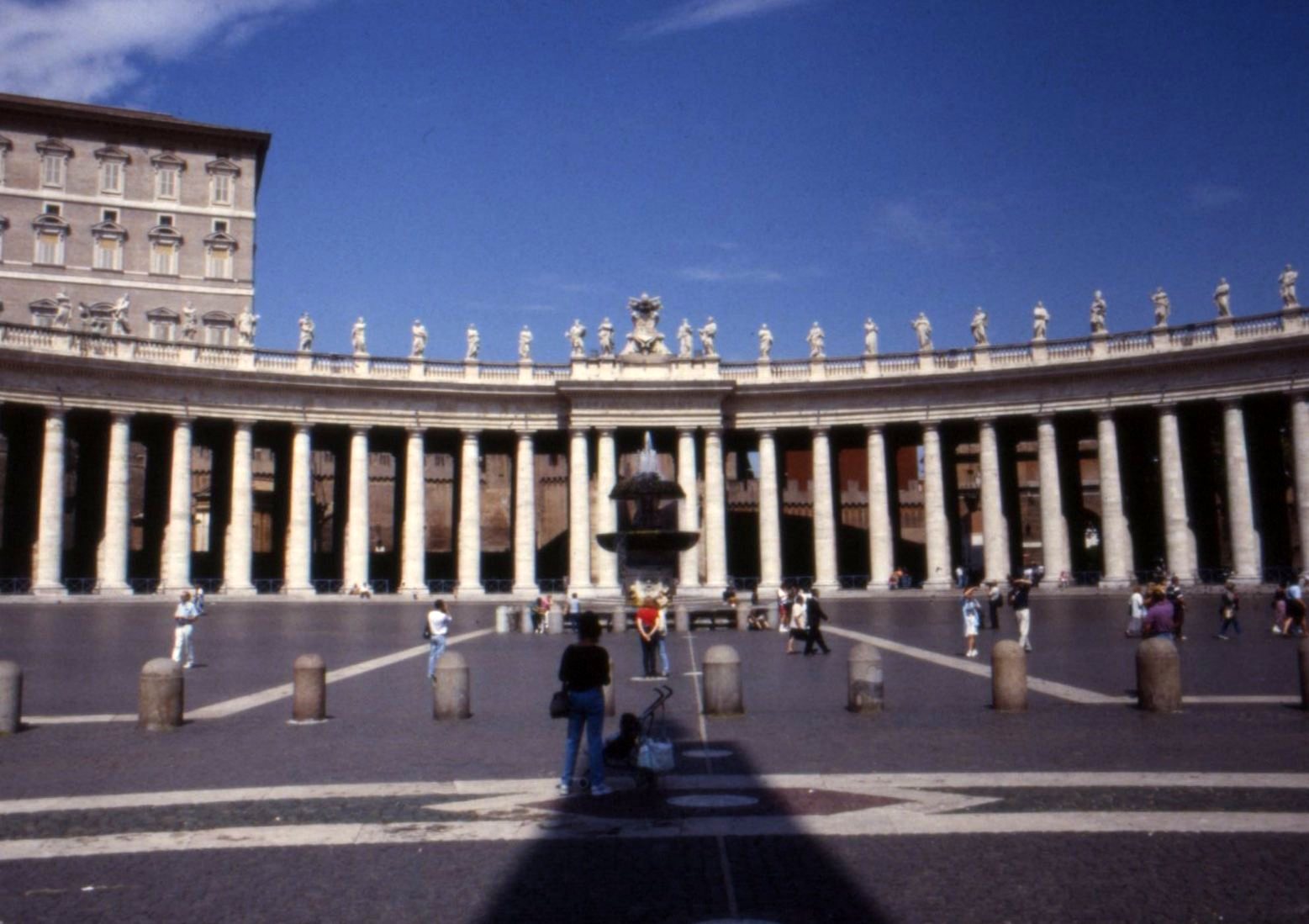
The Vatican is an embarrassment of riches.

Swiss guards, The Vatican

Swiss guards, The Vatican


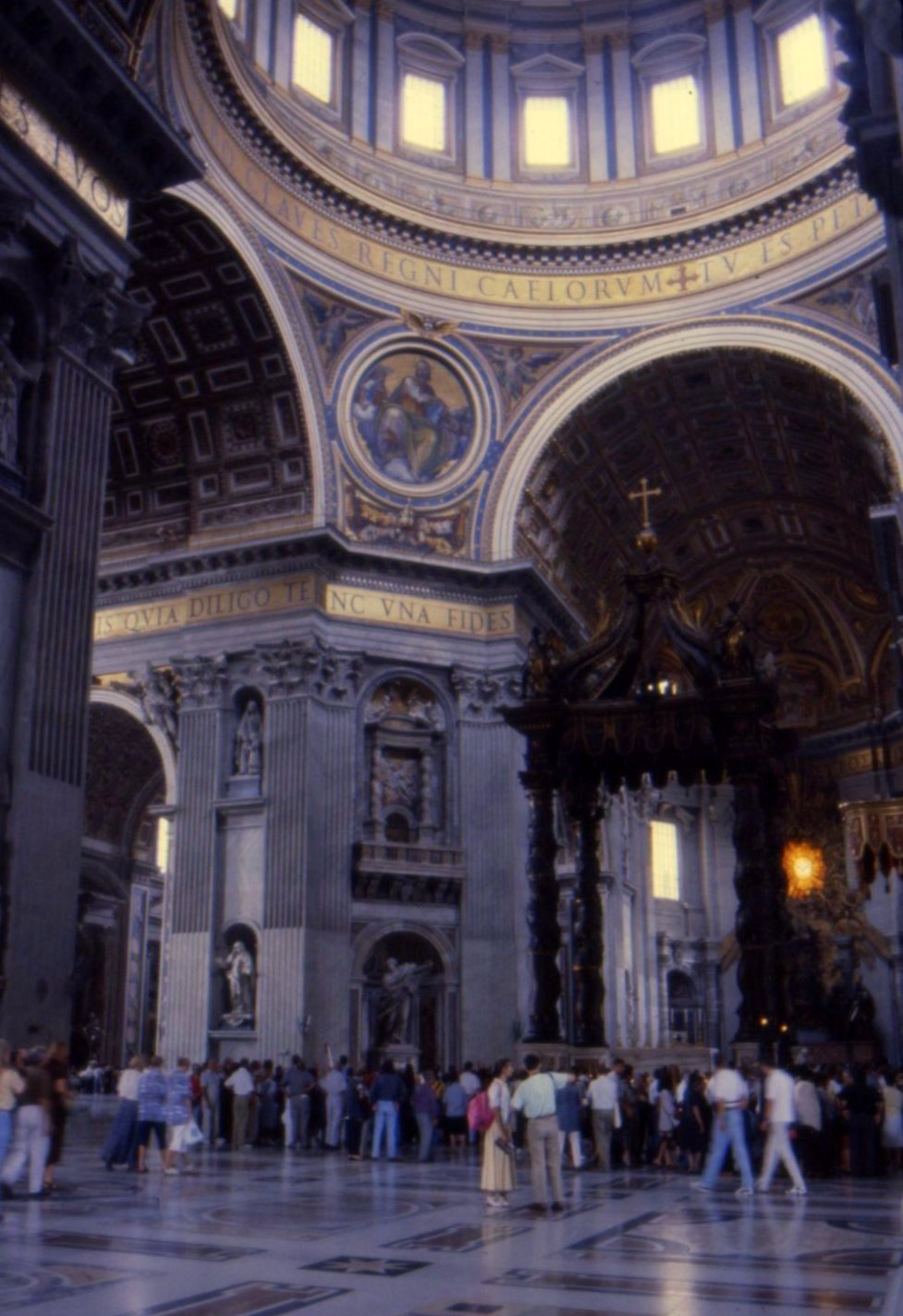
It’s impossible not to be awed by the endless tableau of master works in St. Peter’s basilica.

St. Peter's basilica

St. Peter’s basilica

St. Peter's basilica, The Vatican

St. Peter’s basilica, The Vatican

It’s also hard not to be left with a the sense that the intent of this place is to dwarf its awestruck human visitors and to glorify not so much the deity as the institution of the Church.

Vatican Museum

Vatican Museum

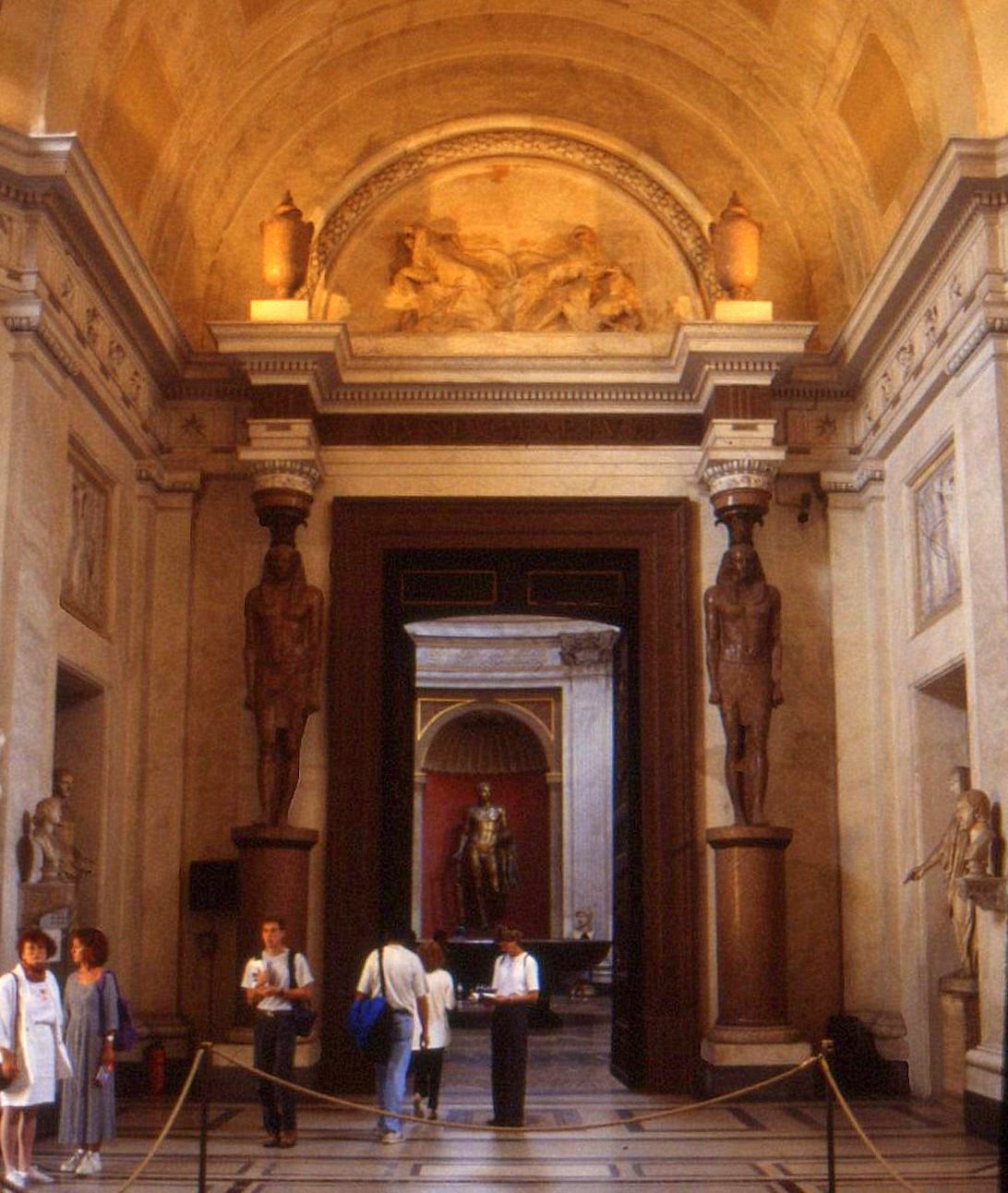
Only the Louvre can compare with the Vatican Museum for the number and quality of its works, and the building itself is a work of art, solid and imposing and classical in its detail.

Here the works of old masters seen before only in art books leap out of the frame, larger than life and richly colored.

The Vatican Museum

The Vatican Museum

The Vatican Museum

The Vatican Museum

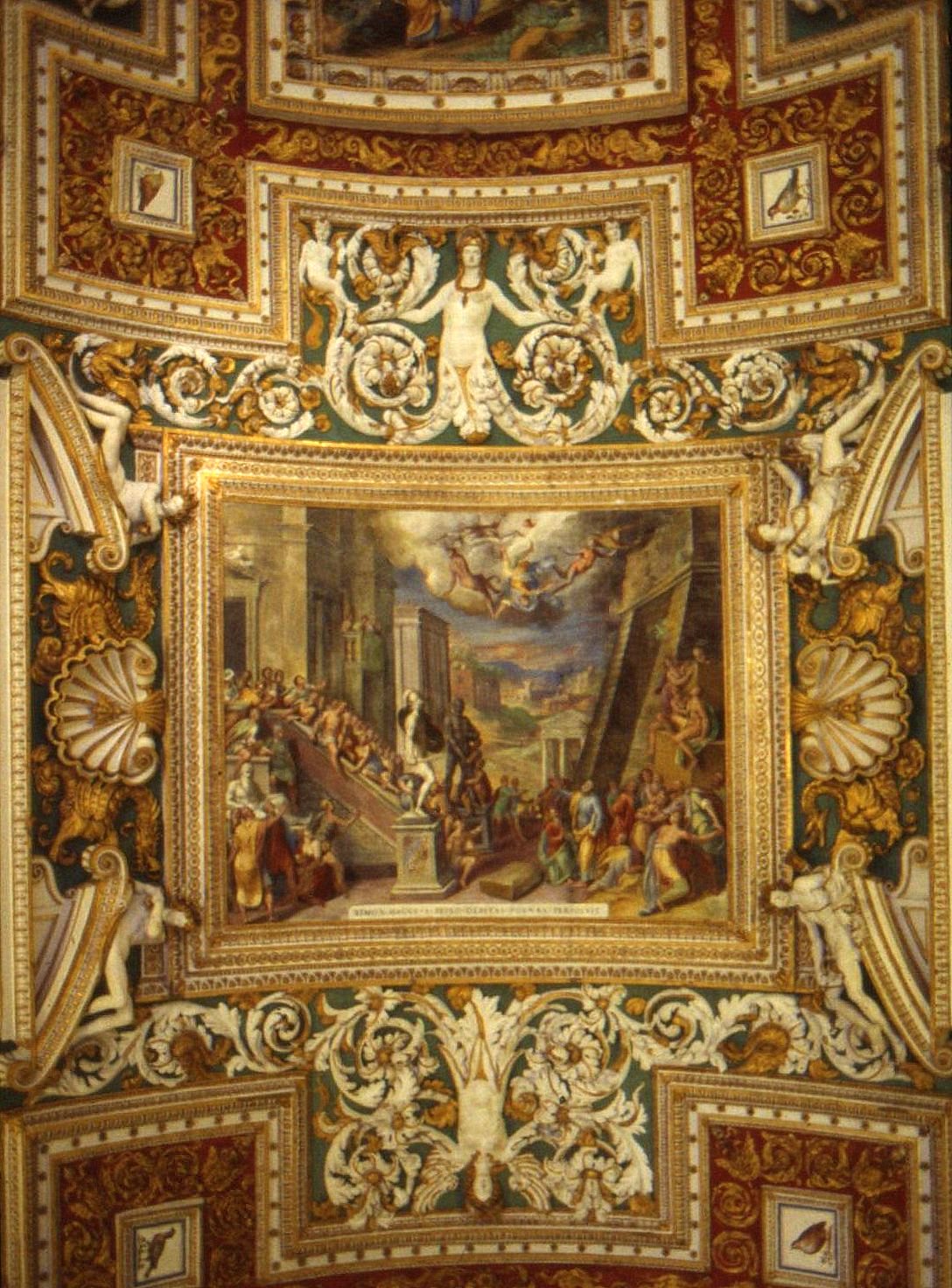
It seems that every inch of every ceiling is covered in art, ornately framed in gold leaf.


The Trevi Fountain, popularized in the U.S. by the movies Three Coins In A Fountain and Roman Holiday, seems ever so familiar.  I’m startled, though, to see this monumental structure rising out of a residential neighborhood rather than as the anchor of a grand piazza, which was planned but never built.

The fountain also famously appears in Fellini’s La Dolce Vita, and when he died in 1996 the fountain was turned off and draped in black… a testimony to the way in which Rome’s old and new not only coexist, but constantly intermingle.

Trevi Fountain, Rome

Trevi Fountain, Rome

Trajan's Column, Rome, Italy

Trajan’s Column, Rome, Italy

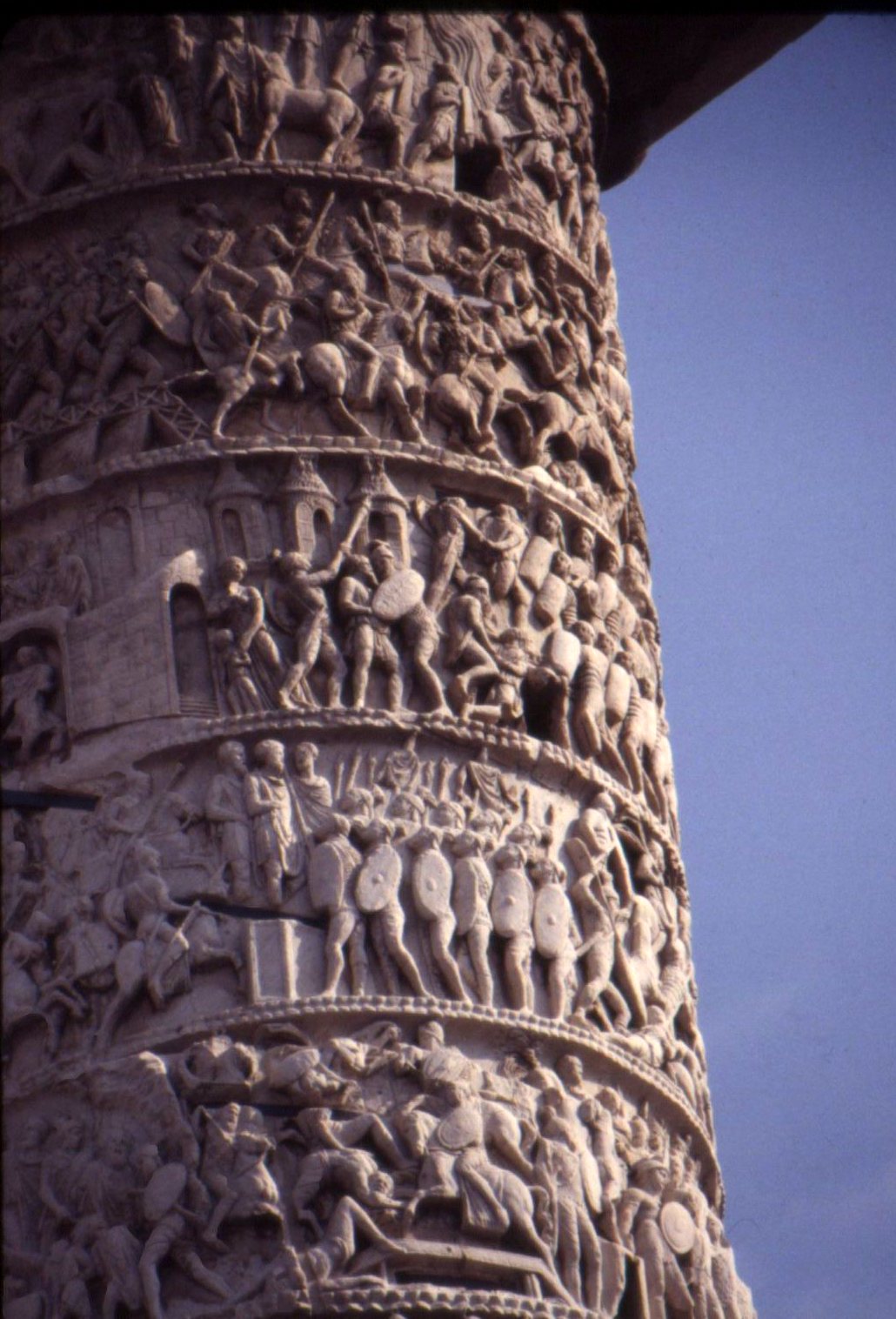
The spire of Trajan’s column, adorned with carvings depicting Rome’s Dacian Wars victory, instantly evokes an image of the similar column erected by Napoleon in the Place Vendôme.

Trajan's Column, Rome, Italy

Trajan’s Column, Rome, Italy

The walk back to the hotel leads up the Spanish Steps, which on this day look more like the Spanish Bleachers, buried as they are in a sea of seated tourists.

Spanish Steps, Rome, Italy

Spanish Steps, Rome, Italy

With the date of a return visit in some vague future and my time in Europe drawing to a close, I make the decision to skip Rome’s catacombs in order to carve out time for a day trip to Naples and Pompeii before flying back to the States.

If you’ve just joined this account my Mediterranean cruise, you can still begin at the beginning:

Days 1-2:  Barcelona

Day 3:  Montserrat Monastery

Day 4: France’s Languedoc

Day 5: Monaco & the French Riviera

Day 6: Italy’s Cinque Terre gateway

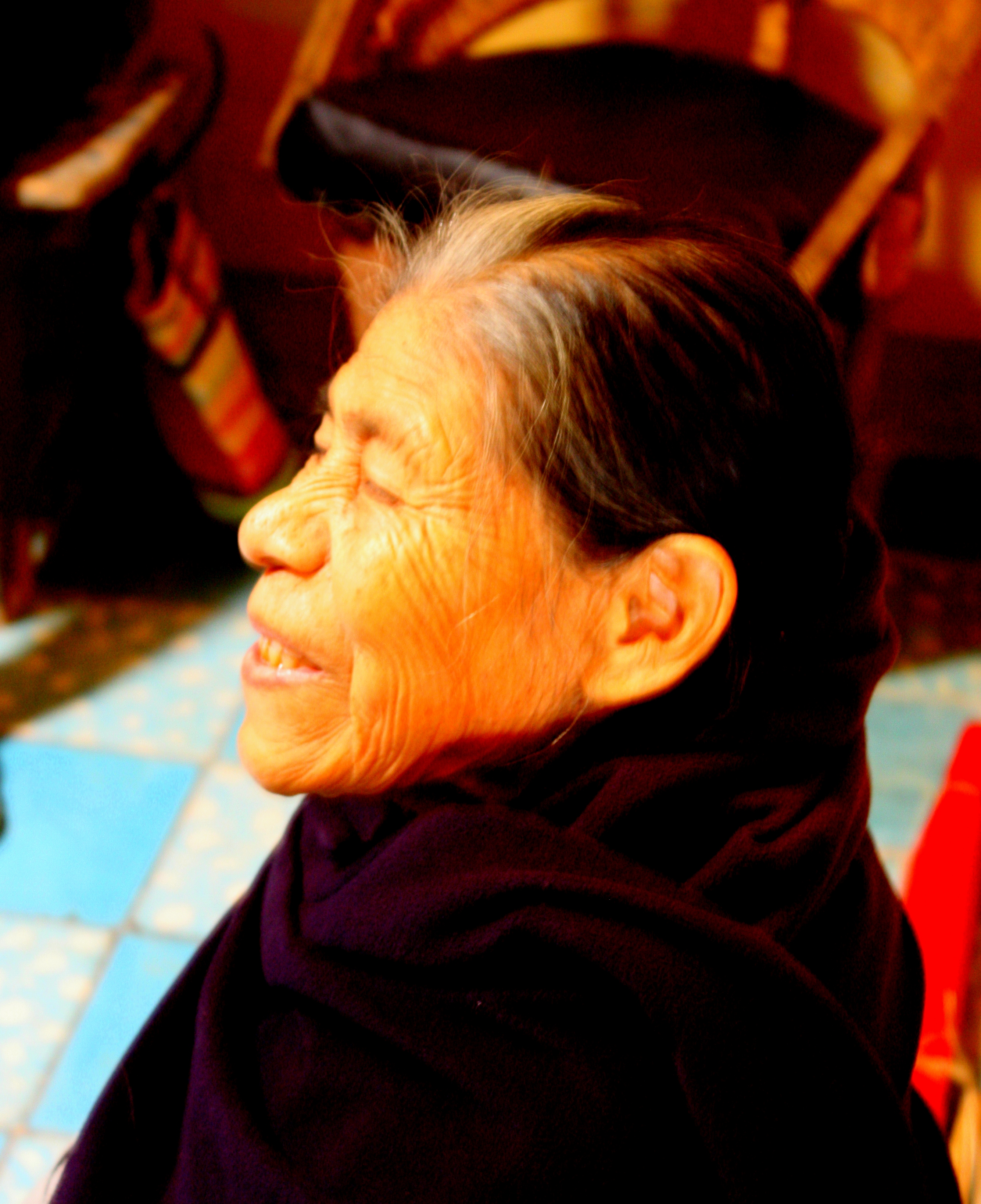
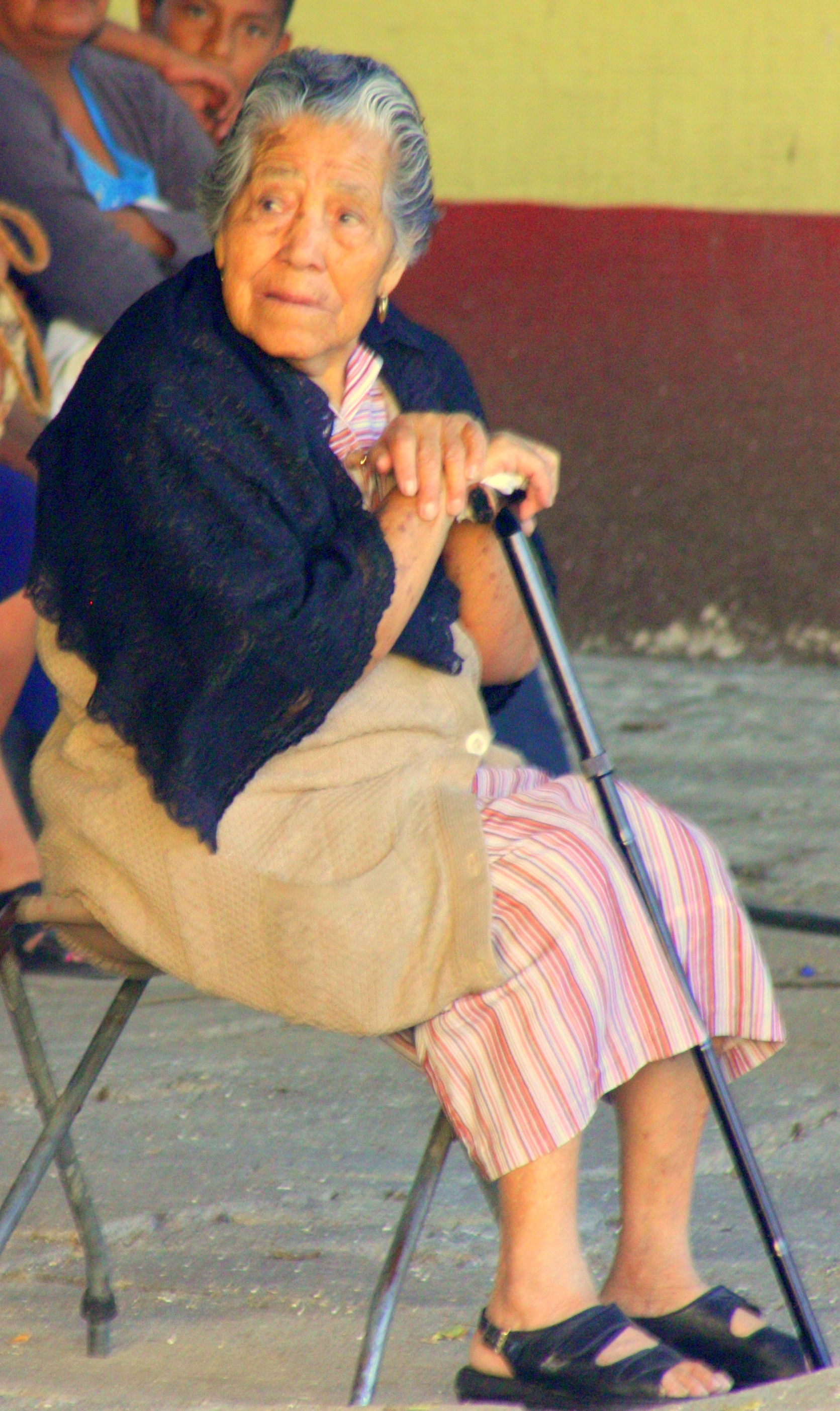
Few contrasts between American and Mexican cultures are more striking than the way in which each views and treats its senior citizens.

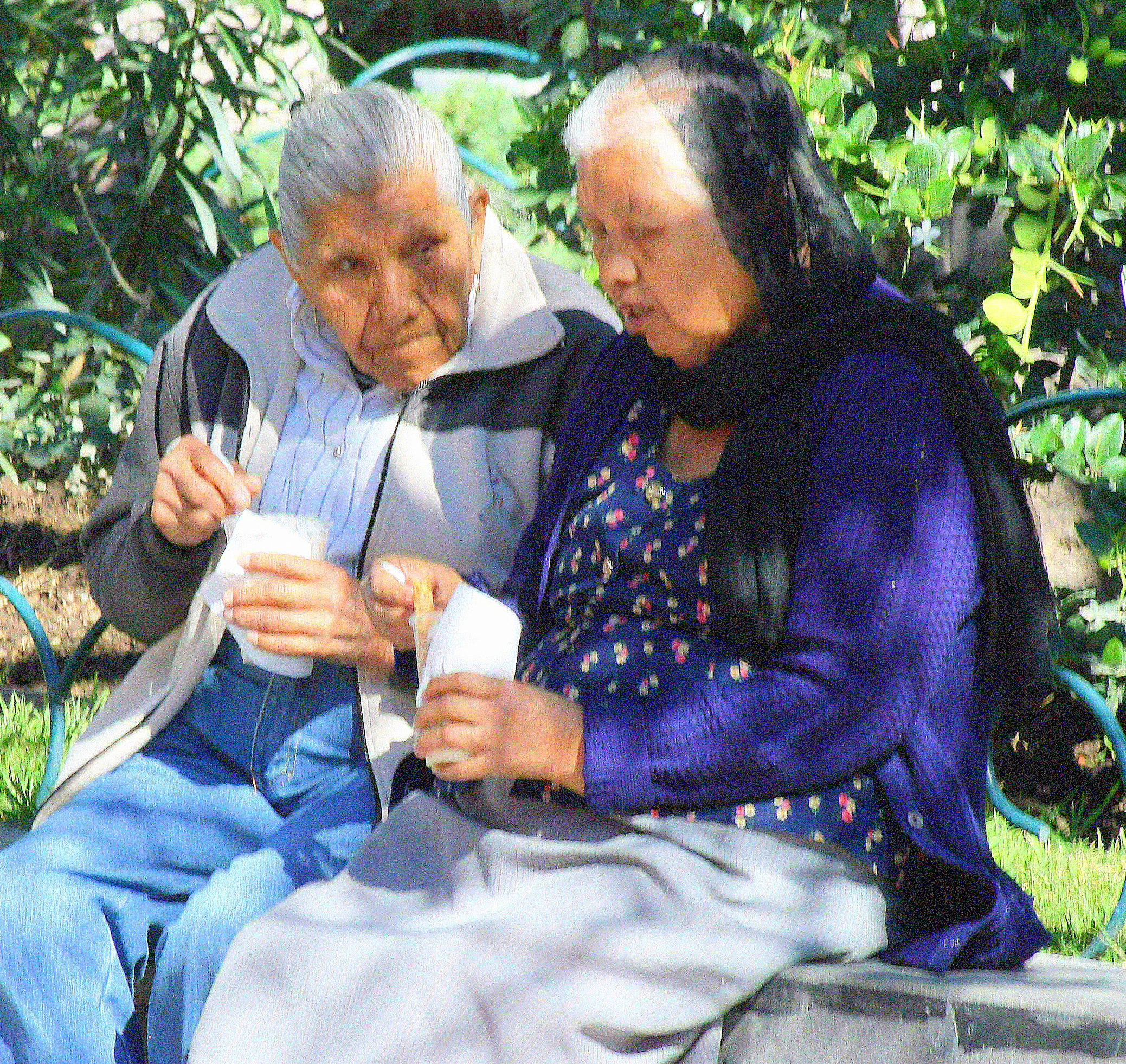
Two old acquaintances share a bench on Ajijic's plaza.

Old friends share a bench on Ajijic’s plaza.


America’s seniors are often cloistered in assisted living facilities or nursing homes far from family and friends.


Mexico’s oldest – los ancianos – seem more often vibrant alive and interactive, and are notably present in its public life nowhere more than in its villages.


A ritual gathering of viejos on Chapala's plaza.

A ritual gathering of los viejos on Chapala’s plaza.


It’s hard not to see the paradox in these contrasts.


American has a far superior capacity to maintain its seniors’ quality of life, and has taken great pains to make transportation and public use facilities accessible to its disabled.


It has also segregated its seniors from the social mainstream on a wide scale.


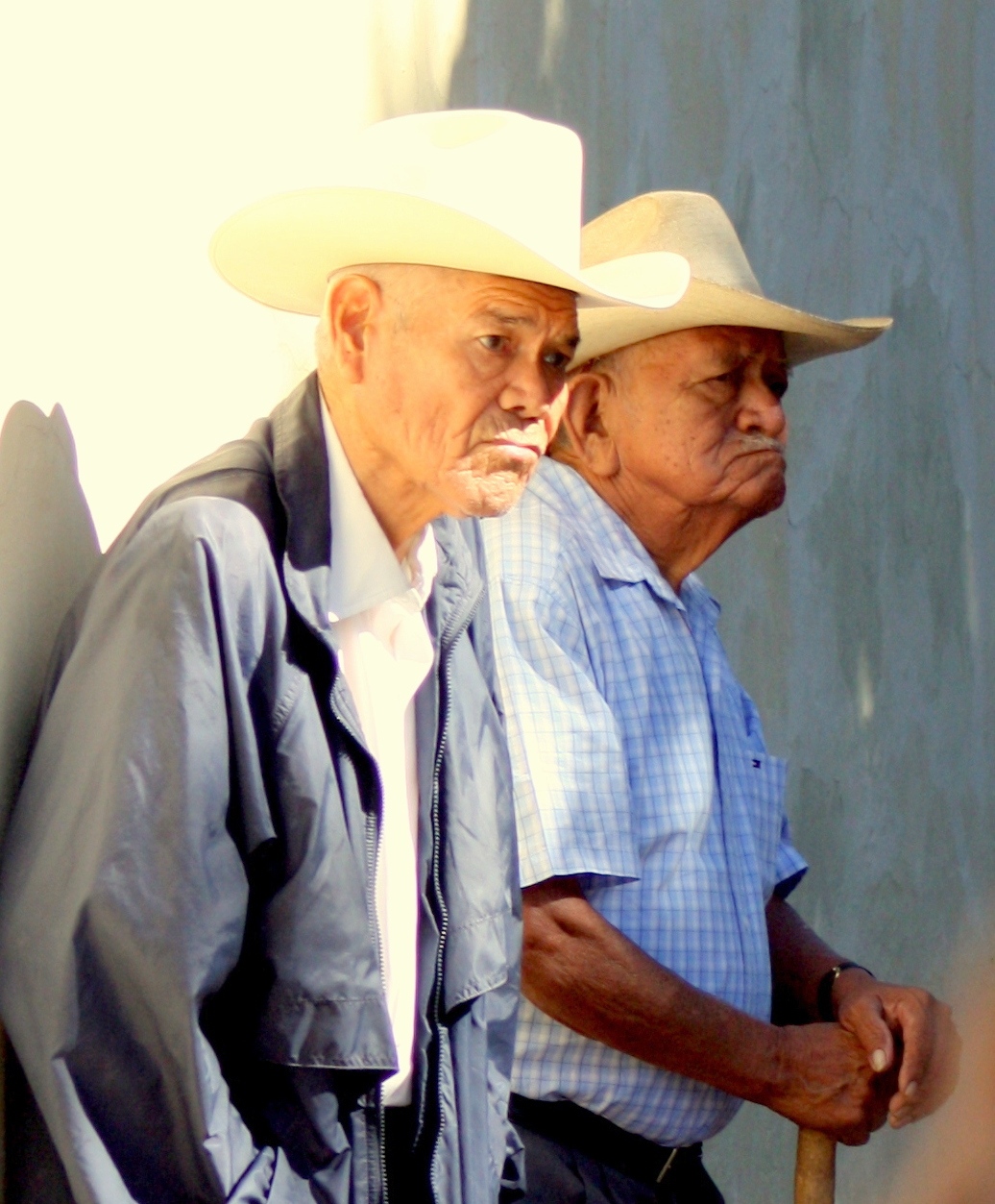
Two old friends await the start of Good Friday's Passion play in Ajijic

Two old friends await the start of Good Friday’s Passion play in Ajijic

The paradox is a reflection of the two nations’ cultural perspectives.


In Mexico, ‘family’ trumps ‘generation gap’.


Mexicans are far more likely to respect and cherish their oldest generation and revere it for its wisdom and life experience.

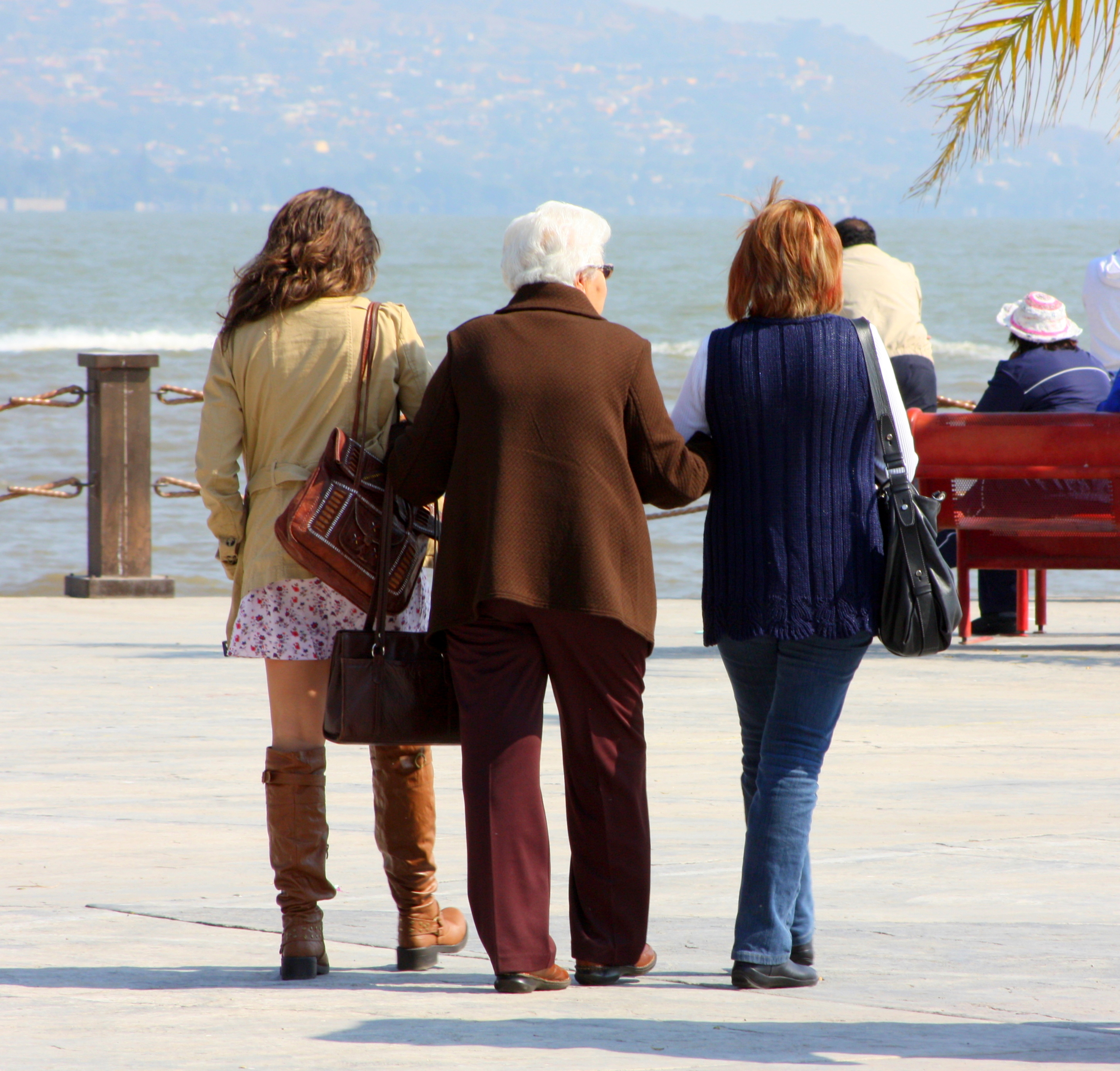
Three generations walk arm in arm along Jocotopec's malecon

Three generations walk arm in arm along Jocotopec’s malecon


Many among the current crop of los ancianos are the children of those who participated in the century-old Mexican Revolution.


They’ve witnessed and lived history as it’s unfolded through the greatest social transformation in the nation’s history.

Two generations sit in Chapala's plaza

Two generations sit in Chapala’s plaza


American media’s fixation on youth marginalizes its oldest save for the rich, powerful, or otherwise famous.


The result is that America’s aged seem more often perceived by their offspring as an unpleasant reminders that they, too, will in due time grow unfashionably old and less socially relevant.

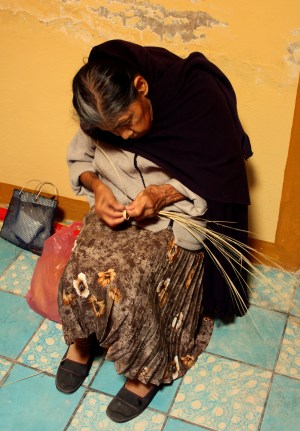
A vieja labors over her craftwork in San Cristóbal Zapotitlán

An abuelita labors over her craftwork in San Cristóbal Zapotitlán


Particularly in Mexican village life, los ancianos remain connected to lifetime friends and many live within their extended families.


The artisan looks up from her work in satisfaction.

The artisan maestra looks up from her work in satisfaction.


There’s a lot to suggest that this lifelong connectedness affords them greater comfort in their advanced age.

Americans move further and more often from their place of birth than do those living in any other First World nation, with the result that they more often live far from the oldest among their living relatives.

A sister with walker on a sidewalk in San Juan Cosalá

A sister with walker on a sidewalk in San Juan Cosalá

Affordable senior care facilities make it far easier for American families to live separately from their aged relatives.

A vieja waits patiently for a ceremony to begin in Ajijic

A vieja waits patiently for a ceremony to begin in Ajijic

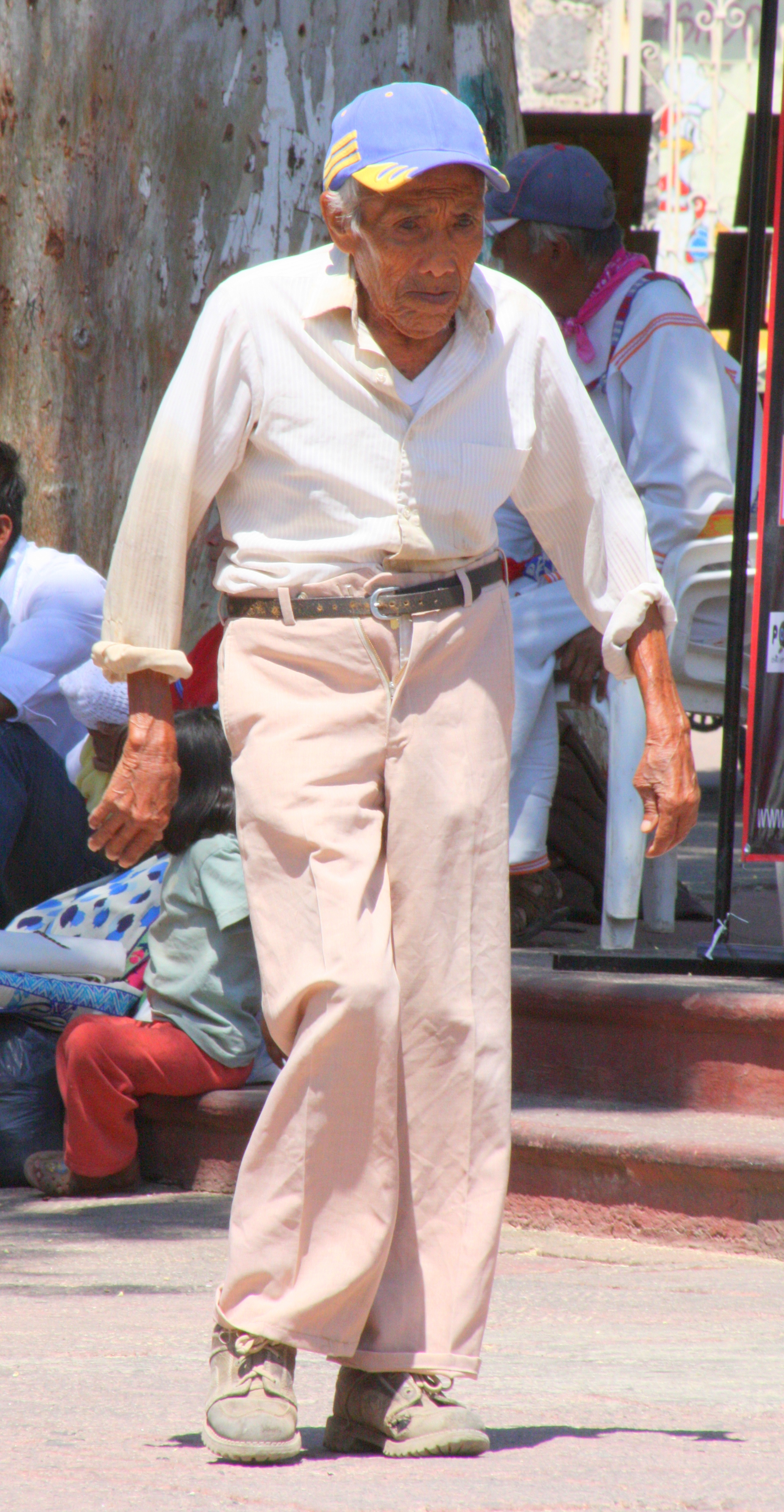
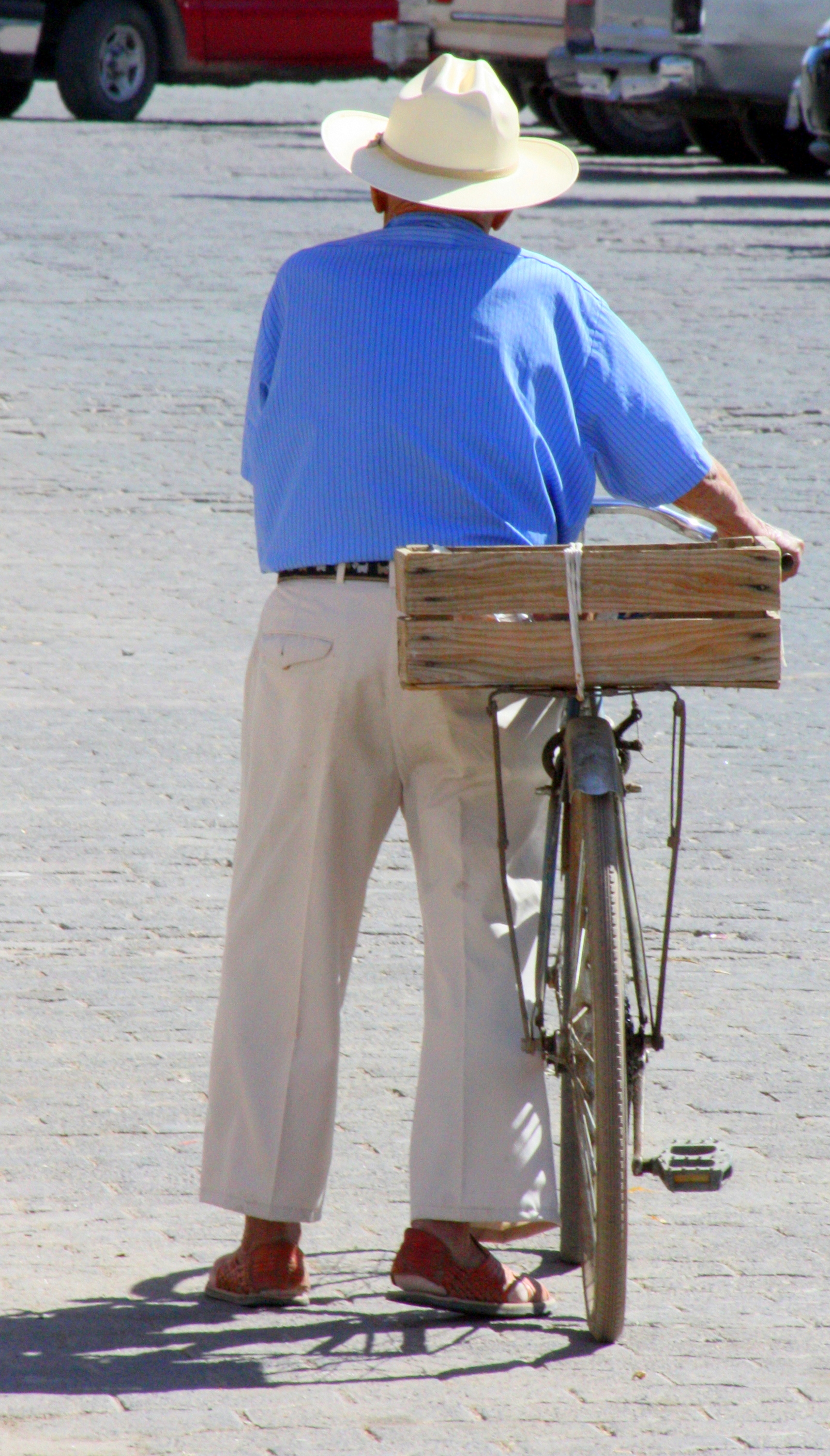
Maybe there’s also something also to be said for lifestyle when it comes to keeping Mexico’s ancianos animated and mobile.

A viejo walks a cobblestone street in Chapala

A viejo walks a cobblestone street in Chapala


A viejo walks his bicycle along the street in Chapala

A viejo walks his bicycle along the street in Chapala

Economic necessity and a thinly stretched social safety net keep many Mexicans working into advanced age, but the work seems to leave many no worse for wear and sometimes even to hold disability at bay.

A lifetime of meals simply and sparingly prepared has left many lean wiry.

A vieja shrouded in shawl crosses the plaza in San Cristóbal Zapotitlán

A vieja shrouded in shawl crosses the plaza in San Cristóbal Zapotitlán


It’s not unusual to see these ancianos navigate dauntingly high curbs and cobblestone streets to remain a daily village presence on its sidewalks, in its public spaces, and at its public events.

An abuela eyes a pinata at her grandaughter's quinceañera

An abuela eyes a pinata at her grandaughter’s quinceañera


In the end, though, nothing can better capture the special place that Mexico’s ancianos occupy in its social fabric than their images.

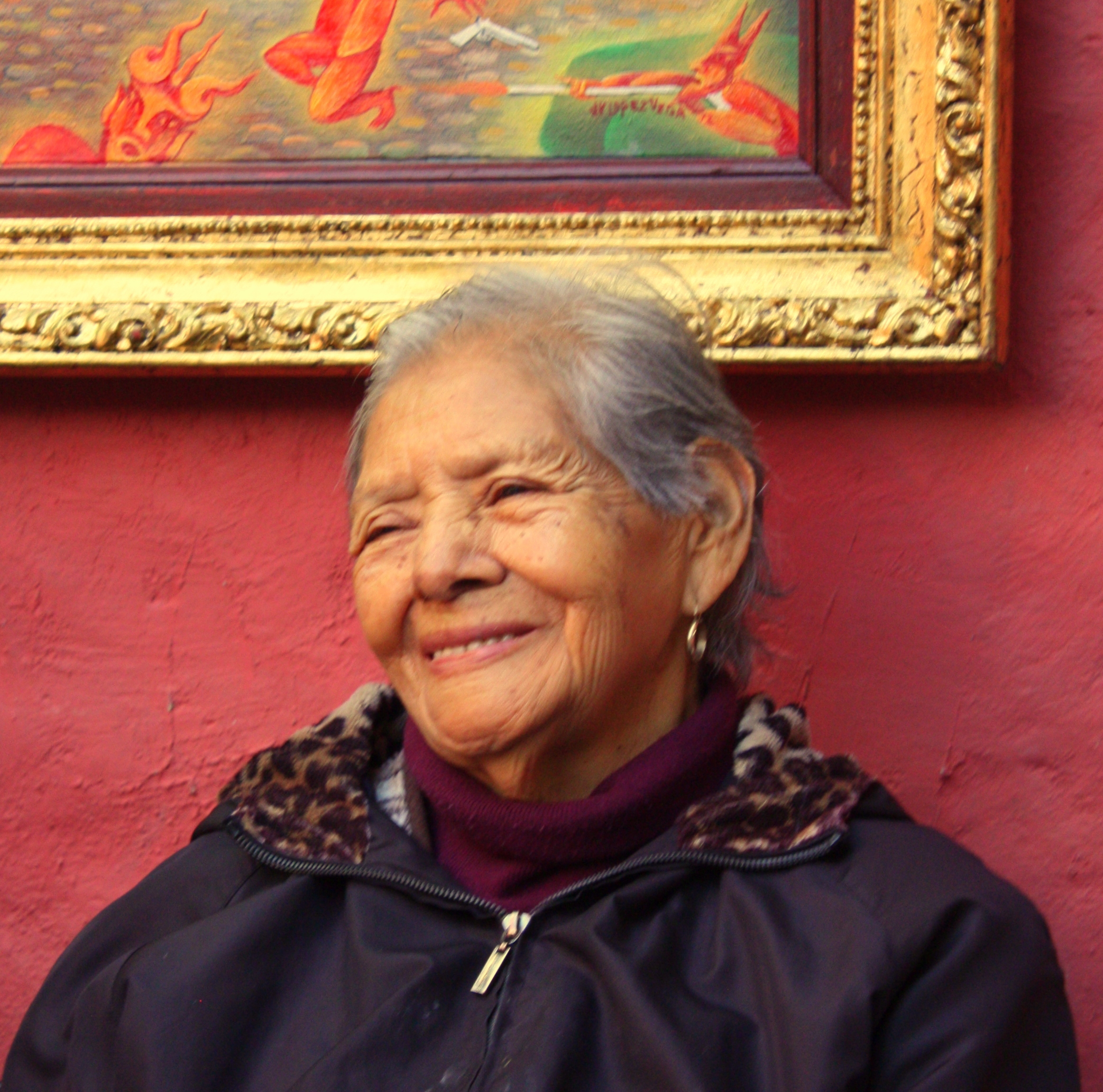
She lights up when her granddaughter enters the room

The abuela lights up when her granddaughter enters the room

Barbados’ liquid gold

Perhaps nowhere else on the planet has sugar so dominated a culture and economy as in Barbados, and the islanders learned more than 300 years ago that cane syrup distilled into rum was worth far more per pound than the raw product.  The syrup was at first shipped back to England for processing, but plantation owners and investors soon began building their own distilleries locally.  The Mount Gay Rum distillery, opened in 1703, still survives and continues to produce one of the world’s legendary rums.

Driving through Barbados' cane fields

Driving through Barbados’ cane fields

It’s around midday on a sunny Sunday when I ask directions of the hotel clerk and set out with friends in a rented car into the island’s interior in search of Mount Gay.

Outside of Bridgetown the roads quickly become country lanes that slice through acre upon acre of sugar cane which stands so tall that we seem often to be driving through green tunnels.

The roads are deserted and the directions seemed straightforward enough, but over an hour later we’re still crisscrossing the cane fields on country lanes so familiar to the natives of an island just over 20 miles long and 15 miles wide that many highway intersections are unmarked.

Our guide-to-be along the roadside

Our guide-to-be along the roadside

We’re just about to give up the search when we come upon a man walking along the side of the road carrying a sack over his shoulder.

We pause to ask directions and he tells us – to our delightful surprise – that he works at the distillery and will gladly take us there in exchange for a return lift.

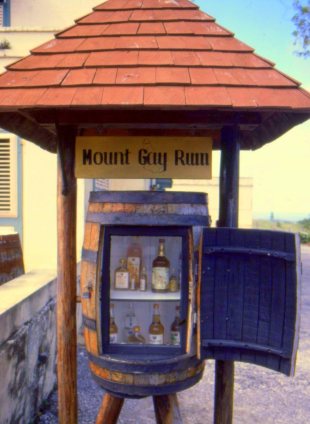
Mount Gay's famous rums on display near the gate.

Mount Gay’s famous rums on display near the gate.

This happy coincidence turns out to be only the beginning of our good luck, for although the distillery is closed on Sunday he ushers us through a locked gate into an empty compound to begin a private tour.

Mount Gay distillery, Barbados 03

This place is a time machine

Our impromptu guide walks us around the yard before leading us into a laboratory-looking room where the progress of fermentation and distillation is monitored, and quality of the finished product is controlled.

A quick primer on the chemistry of rum

We get a quick primer on the chemistry of rum

This is all very interesting, but what I really want to see is some of this golden elixir in the making, and my wish is shortly granted.

Rum-in-the-making is tested here

Rum-in-the-making is tested here

A  mill tower stand  silent

A mill tower stand silent


We head back out into the tropical sun, across the yard, and past the silent ruin of an old sugar mill.

Under a simple canopy sit wooden vats that look a lot like giant hot tubs, brimming with a smooth, thick, brown mash.

Rum in the making

Rum in the making

Its surface is broken from time to time by gently surfacing bubbles and the syrupy sweet smell of sugar hangs heavy in the air.

I breathe deeply, taking in the exotic aroma until it seems to fill my head.

On the way back we drop our guide at his destination and continue to marvel at the happenstance which created yet another of many memorable days.

But there’s more yet to see on this island than its size might suggest.  My next Caribbean post takes you along on a a visit to Barbados’ Andromeda Botanic Gardens, where the tradition of English gardens is meets a rainbow of tropical flowers toeye-popping effect.

Click here for the Mount Gay Rum web site

Read more about my visit to Barbados in earlier posts:

Basking in Barbados

Barbados’ great houses

Home grown arte

San Cristóbal Zapotitlán artisans 09

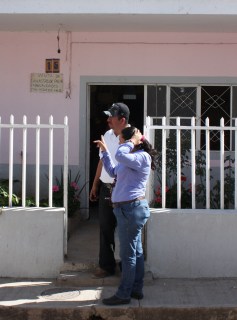
The moment that I walk through the doorway of Colon #15 only a few blocks from San Cristóbal Zapotitlán’s central plaza, I realize that the Ostrich Ranch tour is about to be displaced as the high point of my trip.

San Cristóbal Zapotitlán artisans 08The house is unassuming, a stucco home not unlike many others on the street.   Only a hand lettered sign next to the front door gives any hint of what’s within:

CANASTAS de PALMA y MANUALIDADES CON HOJAS de MAIZ

Palm Baskets & Corn Husk Crafts

San Cristóbal Zapotitlán artisans 10

The rooms are typically small, the walls stuccoed and the floors tiled.


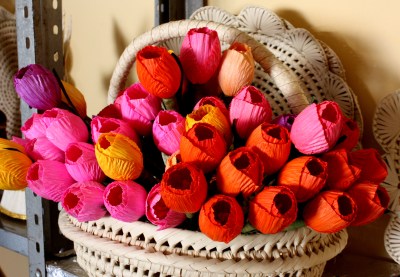
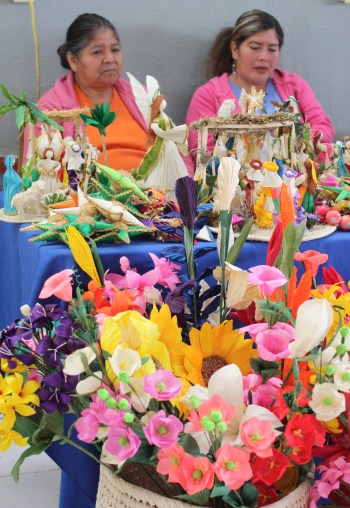
The house is sparsely furnished except for a well-worn display cabinet and shelves on which stands a virtual army of intricately fashioned miniature figures, dozens of woven baskets, and vibrantly lifelike artificial flowers.


San Cristóbal Zapotitlán artisans 11


A bride and her entourage stand in immaculate sepia before an unseen altar.


Lambs stand at the side of the manger in a Christmas crèche.

San Cristóbal Zapotitlán artisans 13

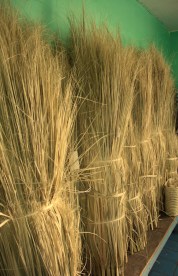
In the next room bundles of palm leaves, sliced into narrow strips as tall as a man, stand drying.

San Cristóbal Zapotitlán artisans 18

San Cristóbal Zapotitlán artisans 19

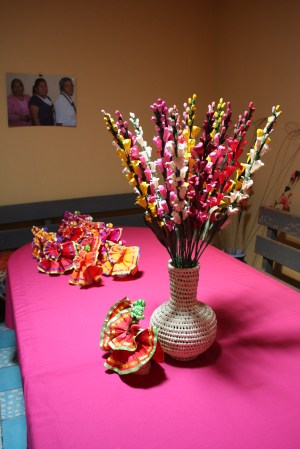
Another doorway opens onto a softly lit room with a ceremonial feel.  Selections of the handiwork sit on covered table and I move toward them for a closer look.

San Cristóbal Zapotitlán artisans 16

Just to the side of the door behind me an ancient woman seated on a low stool is weaving the palm strips into a basket.

Her shoulders are stooped and her head bowed over sturdy fingers.  She wraps the palm tightly and densely to fashion trays, baskets, and vases that are at once pliable and sturdy.

San Cristóbal Zapotitlán artisans 20

Two women seat themselves on a bench behind the table and a pile of dried and brightly colored corn husk leaves – hojas de maiz – and begin before my eyes to fashion the kinds of miniature figures seen in the front room tableaus.

San Cristóbal Zapotitlán artisans 21

They work with a quiet intensity, their fingers so automatically folding and twisting and wrapping the leaves that their eyes seem less to guide than to observe.

Three generations of women have built and continue to work this cottage industry artisan enterprise.  Some of their photos hang on the wall of this room.

Back in the entry room Herlinda (I know her from Ajijic’s Friday Artisans’ Market), is joined by a young woman and the two of them quickly begin another demonstration of their craft.
San Cristóbal Zapotitlán artisans 29

The young woman threads small bits of violet corn husk together much as a sportsman might craft a fishing fly.  It turns into a flower, followed by another and another until she has crafted a small bouquet.

San Cristóbal Zapotitlán artisans 32

San Cristóbal Zapotitlán artisans 26

Herlinda, beginning with a lollipop stick bit of palm and folded corn husk, fashions as I watch a tableau of a woman rowing a flower-festooned boat made of woven palm leaf.

San Cristóbal Zapotitlán artisans 28


It’s clear that each of these women has developed a particular skill, and that the success of this cottage industry rests upon their ability to orchestrate their individual efforts to produce endless combinations of artisan eye candy that delight and inspire.

San Cristóbal Zapotitlán artisans 17

All of this is accomplished with apparent effortlessness, a genuinely collective spirit, and an obvious joy in the work.  It employs only human energy, and uses only natural, sustainable, and readily available raw materials.

Friday Artisans' Market 2012-11-23 17

Once you’ve seen the women and the work behind these artifacts, you’ll see their craftwork through entirely different eyes.

Click here for a map to San Cristobal

Click here for the account of my trip to San Cristobal’s Ostrich Ranch.

Facebook users can see more photos and get more details by clicking on these links:

San Cristobal Zapotitlan

Friday Artisan’s Market Ajijic, where you can meet some of these artisans and purchase their work weekly.

Sandra Luz, Friday Artisans Market Ajijic

Sandra Luz at Ajijic’s Friday Artisans’ Market

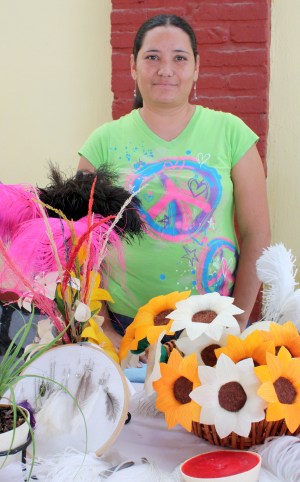
I first meet Sandra Luz at in her market stall in Ajijic’s Friday Artisans’ Market surrounded by a seemingly eclectic combination of brightly colored feathers, candles and planters made of something too perfectly shaped to be gourds, and vials of something that looked like they came straight from a cosmetics counter.

She speaks even less English than I do Spanish. No surprise, then, that it takes conversation strung across a couple of market days before I fully understand that the brightly colored feathers are hand-dyed ostrich plumes,  that the curiously shaped candles and planters are emptied ostrich eggs sliced neatly in half, and that the vials contain a healing skin serum are made of essential oils rendered from – you guessed it – ostriches… las avestruces.

Then the story gets even more interesting.  It turns out that Sandra Luz and her husband Francisco raise the ostriches just outside the village of San Cristóbal Zapotitlán on the opposite side of Lake Chapala, and I soon find myself invited to visit the “Rancho de las Avestruces”.  I confess that for a moment an improbable image of sombreroed vaqueros herding a legion of Big Birds flashes through my head.

On the appointed day I stop in nearby San Juan Cosalá to pick up Martín, another Friday Artisan Market merchant who’s fluent in both English and Spanish, and soon we round the end of the lake and turn off the highway at a spot I’ve passed before without note.  In minutes the village of San Cristobal Zapotitlán appears, hugging the coastline unseen from the highway.

The town is neatly laid out around a plaza at one end of which omnipresent street vendors sell clothing, CD’s, and DVD’s.  At the opposite end a mother and child browse a florist’s stand  awash in Mexico’s native poinsettias, las flores de Nochebuena… the Christmas Eve flower.


Florist on the plaza, San Cristóbal Zapotitlán

Florist on the plaza, San Cristóbal Zapotitlán

Weaving a fishing net on the plaza, San Cristóbal Zapotitlán

Weaving a fishing net on the plaza, San Cristóbal Zapotitlán


Next to a canopy that covers an open-air foosball parlor made up of vintage tables, a man painstakingly weaves a fishing net from a spool of nylon line as deftly as if he was making a rug.

Another man sitting next to him watches, but hardly a word is spoken and I get the sense that they have long ago talked each other out during uncounted hours spent here together.

Open air foosball parlor on the plaza, San Cristóbal Zapotitlán

Open air foosball parlor on the plaza, San Cristóbal Zapotitlán

The worn and weathered mechanical gaming tables are a nostalgic anachronism in an era of video games, and they remind me of my mis-spent college days.
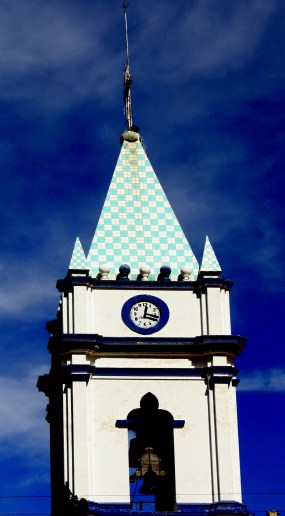
Campanario of the parrish church, San Cristóbal Zapotitlán

Campanario of the parish church, San Cristóbal Zapotitlán

Towering above this entire scene is the campanario –the bell tower of the parish church – tiled in a distinctive checked pattern of blue and white.

Dyed ostrich feathers, Sandra Luz's workshop,San Cristóbal Zapotitlán

Dyed ostrich feathers, Sandra Luz’s workshop,San Cristóbal Zapotitlán

We stop by Sandra Luz and Francisco’s modest home, where she shows us the workshop corner in which she crafts her ostrich feather art and ostrich egg arrangements.

Ostrich egg incubator, San Cristóbal Zapotitlán

Ostrich egg incubator, San Cristóbal Zapotitlán

In an adjacent room, ostrich eggs the size of footballs sit in an incubator.  They weigh a hefty kilo or so. Francisco tells us that one of them is equal to 18 chicken eggs and makes an omelet which can feed an entire family.  He holds one of the eggs up to a light so bright that it shines through the shell to reveal if it’s to become an ostrich or an omelet.

Three-day-old ostrrich chick, San Cristóbal Zapotitlán

Three-day-old ostrich chick, San Cristóbal Zapotitlán

I’m still peering into the incubator when he suddenly appears holding an ostrich chick only three days old and already as big as a small chicken.  My curiosity whetted, I’m ready to see ostriches grazing on the open range… or whatever it is that ostriches do.

Back on the main highway we travel only a short distance before turning toward the mountain on a dirt road that even in this dry season is so rutted that my SUV creeps along behind their pickup truck.  Gates are unlocked and relocked as we pass through, ascending almost continuously for 20 minutes before the big birds suddenly appear, corralled in fenced pens that cover a space the size of a basketball court.

We step out of the car into a bracing breeze, and Francisco tells us that we are now 1,700 meters above the mile-high lake. There are more than a dozen of the birds, their long necks already craning in our direction as we approach.

The ostrich ranch, San Cristóbal Zapotitlán

The ostrich ranch, San Cristóbal Zapotitlán

Macho ostrich, San Cristóbal Zapotitlán

Macho ostrich, San Cristóbal Zapotitlán

One particularly large specimen quickly sets us straight on who rules the roost, dropping to his knees and swaying back and forth as he spreads his wings in a macho display.  The birds will peck harmlessly at a stranger who ventures too close to the fence, but Francisco tells us that it’s the kick from their 25-pound-drumstick legs that can easily injure an inattentive human. He also tells us that the rancho is self-sufficient; the family grows the corn and beans that feed the winged herd.
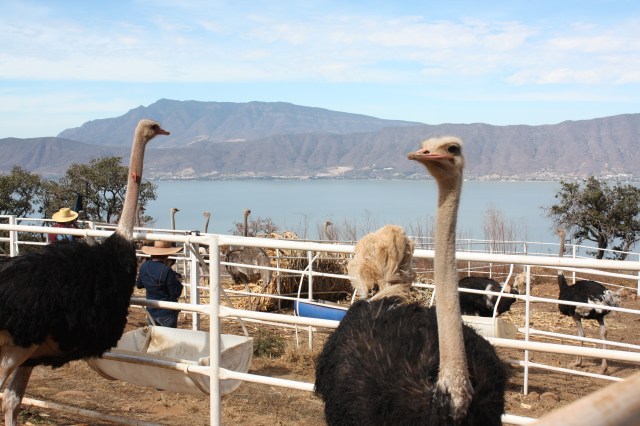
Ostich pen, San Cristóbal Zapotitlán

Ostich pen, San Cristóbal Zapotitlán

I slip around to the back side of the corral for a better photo and that’s when I see behind the feathered herd the lake beautifully spread out below from its western end to its vanishing point on the eastern horizon.

Ajijic, from mountainside above  San Cristóbal Zapotitlán

Ajijic, from mountainside above San Cristóbal Zapotitlán


Ajijic and the other villages across the lake appear as specs along the shoreline, villas climbing the mountainside behind them until the steep grade gives way to the wild.

Here at the rancho the mating season is just beginning.  Each female may lay up to 40 eggs in a year, burying them in the earth.  If December days are cool at this altitude, December nights can be bone-chilling; the eggs are exhumed and placed in an incubator.  The family breeds the ostriches for sale to other would-be ostrich ranchers and it also sells ostrich meat, which Francisco tells me is very lean.  Each bird can yield up to 35 kilos of meat… none of it white meat… and grow to full height within a year.
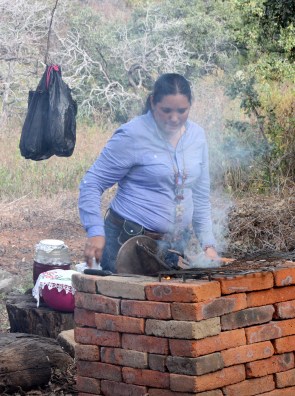
Firing up the comal at the ostrich ranch

Firing up the comal at the ostrich ranch

Sandra Luz has already lit a wood fire on a brick grill.  We dip glasses of Jamaica-flavored beverage out of a barrel-sized jar as she lays out frijoles, white corn tortillas, and a bowl of salsa.  In a few moments the aroma of meat grilling on a comal drifts over us and we’re soon eagerly dropping the seared beef onto tortillas and scooping up frijoles in the open ends.
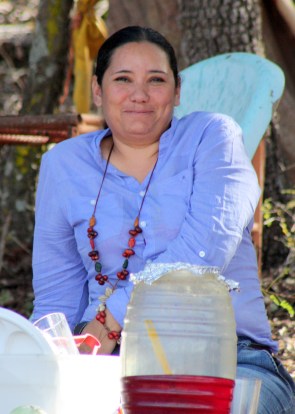
Sandra Luz enjoys the view behind me

Sandra Luz enjoys the view behind me

As the visit draws to a close and we head back down the mountain, I reflect on the unconditional hospitality that has again marked my Mexican experience.  The mountainside picnic alone was worth the trip, but it also crosses my mind that upon my return I need to try my first ostrich steak.

Ostrich art, though, is only part of the story of the artisans’ cooperative of San Cristobal.  Follow me on my next post to an artisan workshop back in the village where local women craft elaborate art from nothing but simple corn husks and palm fronds.

Click here for a map to San Cristobal

Facebook users can see more photos and get more details by clicking on these links:

San Cristobal Zapotitlan

Friday Artisan’s Market Ajijic

Italy’s Cinqueterra gateway

Footpaths connect the five villages of Italy's Cinque Terre

Footpaths connect the five villages of the Cinque Terre

Call it luck, but in years of travel I’ve rarely experience an upended itinerary that didn’t have a silver lining, and my luck again held when heavy seas prevented our ship from docking at Portofino.


The alternate port was a placed called Porto Venere, gateway to Italy’s Cinque Terre (“Five Lands”) where five villages that hug cliffs along the Ligurian coastline are unreachable by auto and connected only by footpaths, trains and boats.

Approaching Port Venere, Italy from the harbor

Approaching Port Venere from the harbor


The sun isn’t long risen as the launch slices through the waves toward the village, which is just awakening from its slumber.


Porto Venere is the imagined picture postcard against which all of my European visits are measured, and it easily exceeds expectations.

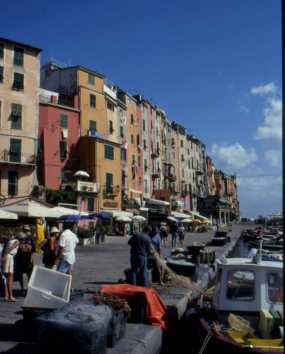
Quay at Porto Venere, Italy

Quay at Porto Venere, Italy


The lower village wraps around a bay that was once the home port of the Byzantines’ western Mediterranean fleet.

Fisherman dry & mend nets, Porto Venere, Italy

Fisherman dry & mend nets, Porto Venere, Italy


Here fisherman just returned with the morning’s catch are drying and mending their nets. Above them a women hangs laundry from a porch railing and suns herself as it dries.

Drying laundry, Porto Venere, Italy

Drying laundry, Porto Venere, Italy

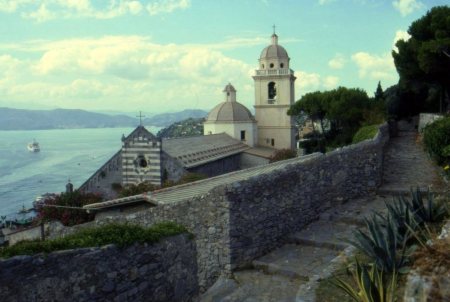
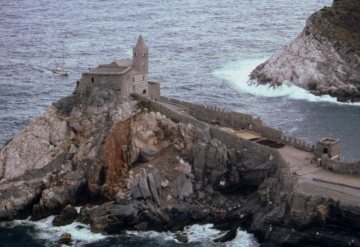
Church of St. Peter, Porto Venere, Italy

Church of St. Peter, Porto Venere, Italy


The single most striking landmark here is a church that sits on the promontory of a finger of land that reaches out to gather the bay.


Its appeal is irresistible, and since much of the village clings to the steeply pitched hillside or is perched along its summit, the climb to the church the route winds through narrow, ageless village streets.

Narrow streets of Porto Venere, Italy

Narrow streets of Porto Venere, Italy


The village may be ancient and its buildings well worn, but everything here is infused with a tastefully simple Italian style that lends to it a casual elegance.

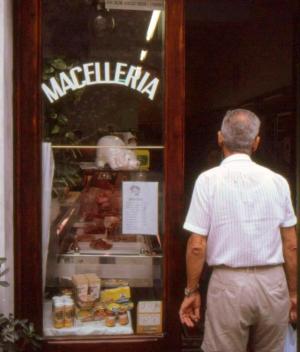
Visitor paused in front of a meat market, Porto Venere, Italy

Visitor paused in front of a meat market, Porto Venere, Italy


Stone streets have been washed and swept squeaky clean, and bright flowers sit in window planters along the lanes.

Bakery window, Porto Venere, Italy

Bakery window, Porto Venere, Italy


Local and tourists alike browse local businesses, and the tantalizing aromas of cured meats and freshly baked breads and pastries drift out into the street.

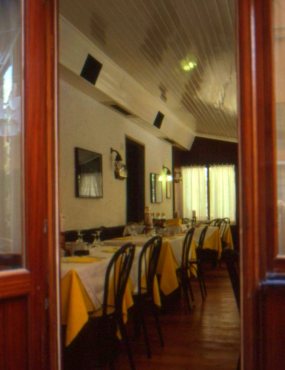
Restaurant, Porto Venere, Italy

Restaurant, Porto Venere, Italy

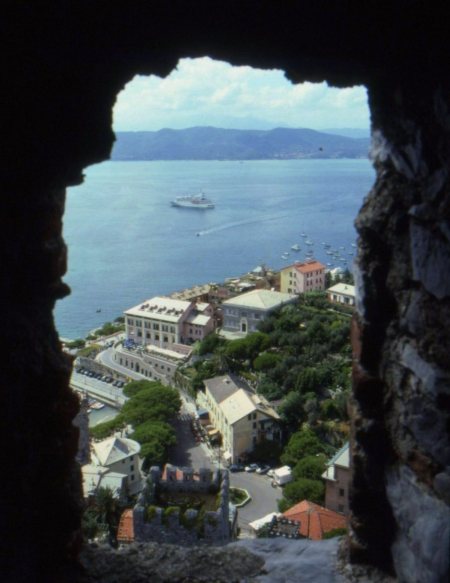
Harbor view, Porto Venere, Italy

Harbor view, Porto Venere, Italy


Through an open door a restaurant is polished and groomed in anticipation of lunch.


At the summit I look down through the telescope of an alley entrance that caps a steep stone staircase.


Through it I can see the village gathered along the wharves and my ship riding at anchor in the harbor beyond.

Cemetery, Porto Venere, Italy

Cemetery, Porto Venere, Italy


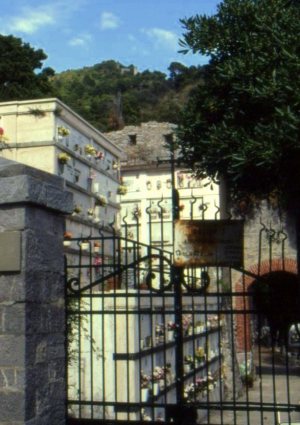
The church is finally close at hand, but I pause first to wander through a small cemetery where centuries of graves are stacked atop each other in the ever-shrinking space.


As I look down onto the town, church, and coastline stretched out below it’s hard to imagine a more picturesque setting in which to be buried, or one that could give more comfort to visitors.

Church of St. Peter, Porto Venere, Italy

Church of St. Peter, Porto Venere, Italy


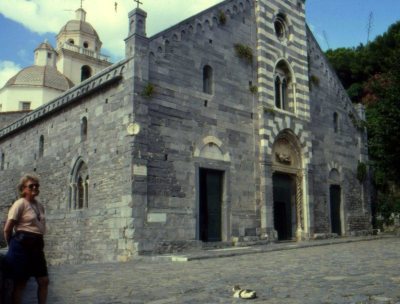
At last the massive doors of the Church of St. Peter are within arm’s reach.


Completed in 1198 A.D., this striking Romanesque structure stands on the site of a fifth century Christian church which itself replaced a Roman temple to Venus built there in the first century B.C.

Italians on holiday, Porto Venere, Italy

Italians on holiday, Porto Venere, Italy


By now the sun is high in the sky and along the harbor below Italians on holiday are picking out places along the rocky shore to sun themselves with typical European immodesty; Speedos are here in abundance!

Lovers play in Porto Venere, Italy

Lovers at play in Porto Venere, Italy


As the visit draws to a close, a bikini-clad young woman caresses the face of a young man seated on a quintessential Vespa.  It’s a scene that’s undoubtedly repeated itself again and again over the last 50 years, and it reminds me that la dolce vita is still alive and well in the land of Fellini’s birth.


As I scramble back aboard, though, I’m already contemplating the next port of call and it also recalls Fellini:  Roma.


If you’ve just joined this account my Mediterranean cruise, you can still begin at the beginning:

Days 1-2:  Barcelona

Day 3:  Montserrat Monastery

Day 4: France’s Languedoc

Day 5: Monaco & the French Riviera

Santa Teresita parish church, Guadalajara

Santa Teresita parish church, Guadalajara

What happens when the village street bazaar goes urban?  In Guadalajara the answer is ‘the Santa Teresita street market’… a tianguis.

There’s certainly no lack of ‘big box’ grocers in Guadalajara, and permanent market bazaars like the city’s Mercado Libertad serve up a homogenized version of weekly street markets throughout the week… but there’s nothing like the real deal!

Mother & child, Santa Teresita market, Guadalajara

Mother & child, Santa Teresita market, Guadalajara


Located on the city’s near north side at the intersection of Pedro Buzeta y Ramos Millán (about halfway between the Avenidas Del Federalismo and De Las Americas), the market takes its name from the parish church of the same name that sits at its center like a grand dame surrounded by her court.

The scope of this place is staggering.  Streets are blocked off and merchants pitch tents, set up tables, or spread merchandise on blankets curbside for something like 20 square blocks.  Market stalls crowd the church so closely that they seemed poised to climb its steps.

Young couple, Santa Teresita market, Guadalajara

Young couple, Santa Teresita market, Guadalajara

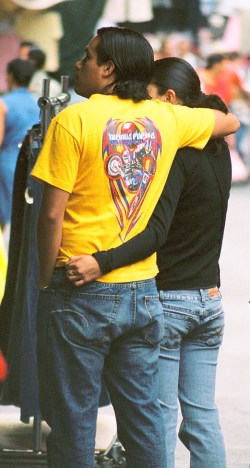
As I stand here on a Sunday morning it almost defies belief to realize that cars plied these streets on Friday afternoon, and will again come Monday morning; this entire market is a moveable feast.

This is a working class neighborhood market, short on art and crafts and long on staples from fresh produce and kitchen utensils to baby diapers and DVD’s.

This market affords a great opportunity to see a cross-section of urban Mexico in its own element; tourists are rare within the throngs threading their way along the narrowed streets.

Bicycle bakery, Santa Teresita market, Guadalajara

Bicycle bakery, Santa Teresita market, Guadalajara

There’s an energy level here that’s harder to find in the country markets.  Porters carry merchandise on their shoulders through the crowds or wheel them about on hand trucks and other makeshift contraptions.

A giant tray of pastries edges past me waist-high, propelled by a man on a three-wheeled bicycle.

Clothes on wheels, Santa Teresita market, Guadalajara

Clothes on wheels, Santa Teresita market, Guadalajara

A woman pushes a cart full of hangered clothing down the lane toward her stall, and for a moment the same image from long ago in Manhattan’s garment district comes to mind.

A vendor fishes a freshly fried churro from sizzling hot oil. When eaten fresh out of the fryer these are so good that you can skip the dusting of sugar or cinnamon!

Hot churros, Santa Teresita market, Guadalajara

Hot churros, Santa Teresita market, Guadalajara

A tejuino vendor of blends a thick mixture of boiled masa, water and piloncillo sugar with freshly squeezed jugo de limón, salt, water, ice, and adds a big scoop of lemon sherbet. The refreshing drink is as native to Jalisco as its famous birria goat stew.

Tejuino vendor, Santa Teresita market, Guadalajara

Tejuino vendor, Santa Teresita market, Guadalajara

For me this market is far more about urban culture than shopping, so I extend the experience by arriving and leaving on foot, making my way through city neighborhoods on this mellow Sunday afternoon.

Santa Teresita may be a destination in its own right, but it fits well into a larger Guadalajara Sunday afternoon itinerary.

If you’re not shopped out by Santa Teresita, drop in on Guadalajara’s nearby Sunday antique street market for a totally different street shopping experience.

The Santa Teresita market is also healthy walk or short taxi ride from the Centro Historico, or to the Avenida Vallarta’s Sunday promenade, which is as worthwhile a sidewalk cafe sight as an urban walk.