Latest Entries »

Mercado Libertad, Guadalajara

I hate shopping, but I love bazaars.


Where else can people-watching deliver such a cross-section of society and where else can you soak up such a rich gumbo of sounds and colors and tastes?


Even though big-box chain groceries can now be found throughout Guadalajara and most of Mexico, los mercados seem to capture the Mexican heart and soul in such an inimitable way that it’s impossible to picture a Mexico without them.
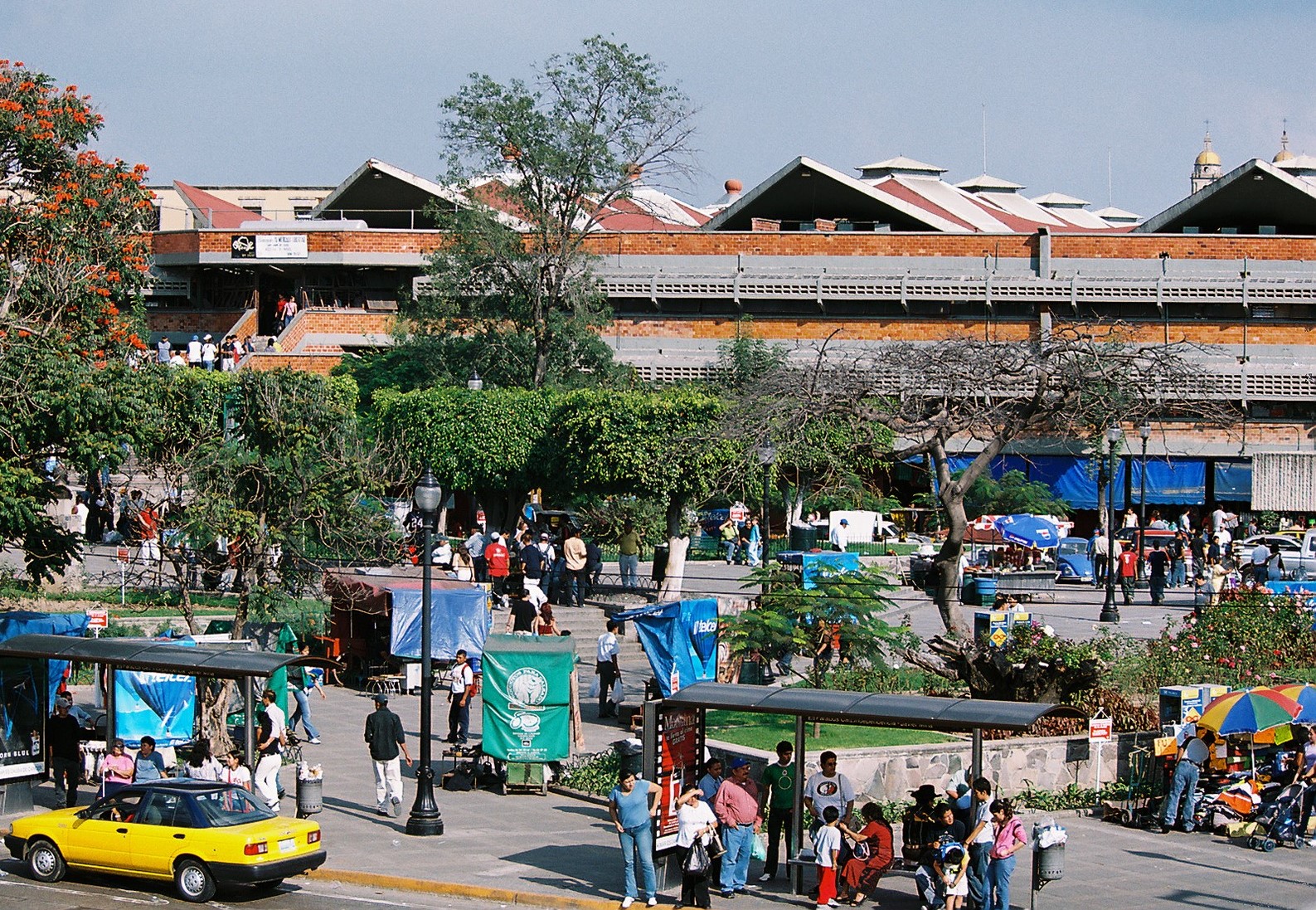
Mercado Libertad, Guadalajara


Guadalajara is only – in charitable traffic – a drive of around 45 minutes from the Chapala Lakeside, which puts the Mercado Libertad – arguably the mother of all mercados – within easy reach.


It’s located in the heart of the city on the Calzada Independencia,  and served by the San Juan de Dios subway stop.


Finding a parking spot in the Mercado’s garage can be dicey, but there’s a parking garage  under the Plaza Independencia next to the Catedral a short walk away.

Plaza de los Mariachis, Guadalajara

San Juan de Dios jewelry market, Guadalajara


The Mercado Libertad sits between the Plaza de los Mariachis and the San Juan de Dios Mercado de Joyeria – the mother of all jewelry markets – where vigilant and well-armed security makes it more difficult to snap a photo than inside of a Las Vegas casino.


Picture instead in your mind’s eye a department-store-sized building packed with the booths of hundreds of jewelry merchants selling a rainbow of precious metals and stones in settings of every conceivable style and you’ll get the idea.


Food court, Mercado Libertad, Guadalajara

Food court, Mercado Libertad, Guadalajara


To truly absorb the Libertad takes the better part of a day, so take a cue from locals who breakfast or lunch at a Mercado food court that makes Stateside mall food courts look like glorified vending machines.


As with most of the businesses in the Mercado, these eateries are family-owned and operated businesses.


They typically take the form of an open kitchen circled by a lunch counter and tables.  While the kitchen equipment may be old and battered, it’s always spotless and everything is freshly prepared daily.
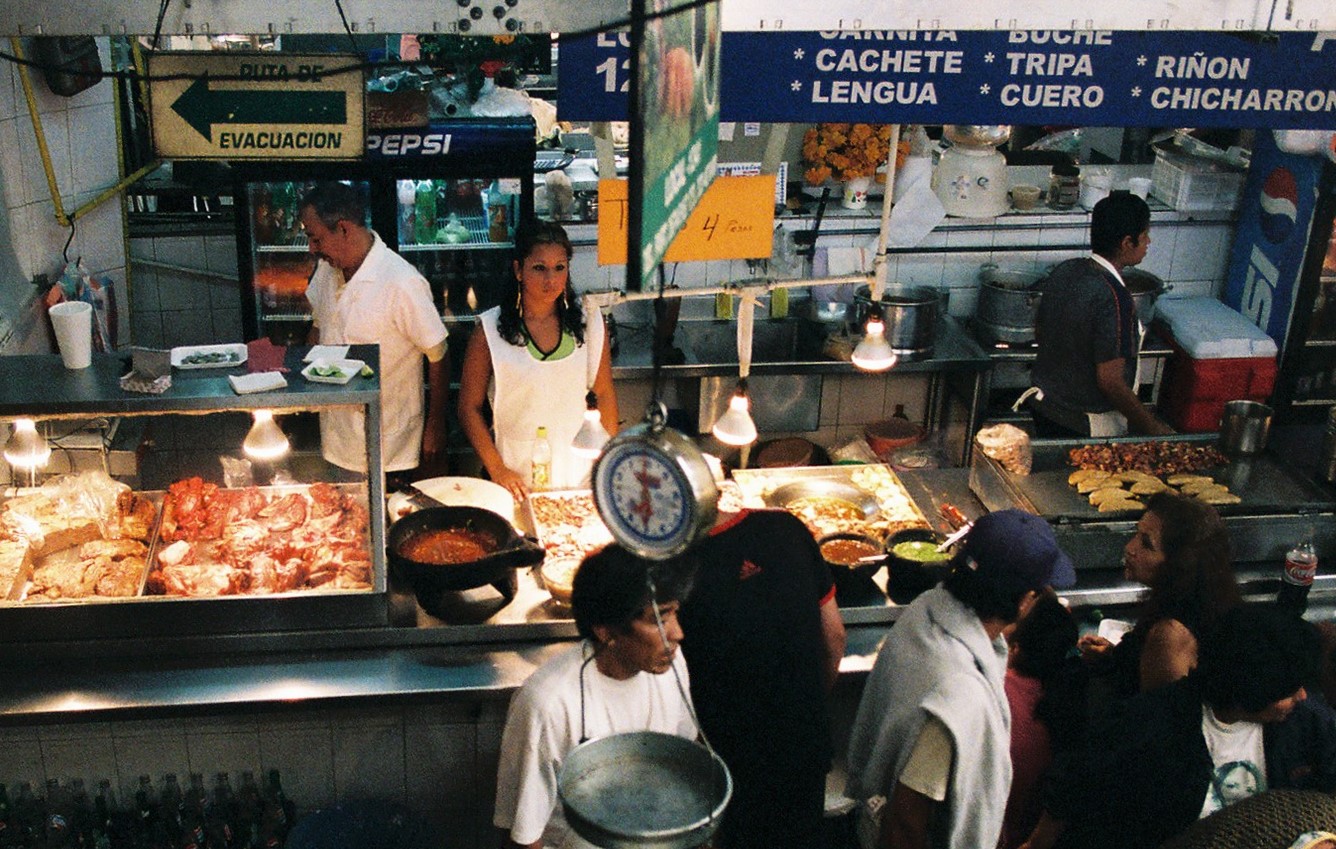
Mercado Libertad food court booth


Mariachis, Mercado Libertad food court, Guadalajara

Mariachis, Mercado Libertad food court, Guadalajara


As the day progresses diners are likely to be serenaded by bands of strolling mariachis; Guadalajara is the home of mariachi music and tequila… each of which is a whole ‘nother blog post!.


The Mercado is loosely organized into neighborhoods of like-merchandise booths arrayed around two cavernous atriums, one covered and the other open to the sky.

The impression quickly forms that some of these stalls have been operated by generations of families.

There are “neighborhoods” for shoes of all sorts, leather goods, woven textiles, designer fragrances, jewelry, consumer electronics, and more. Even the casual browser will soon realize that there are more than a few knock-offs among them.

Haggling over merchandise prices is almost an obligation, and even the uninitiated can quickly become consumed by the sport of it.

Mercado Libertad aviary, Guadalajara

Mercado Libertad aviary, Guadalajara


In the open air atrium toward the rear of the market is a pet market stocked with birds of every type and color.


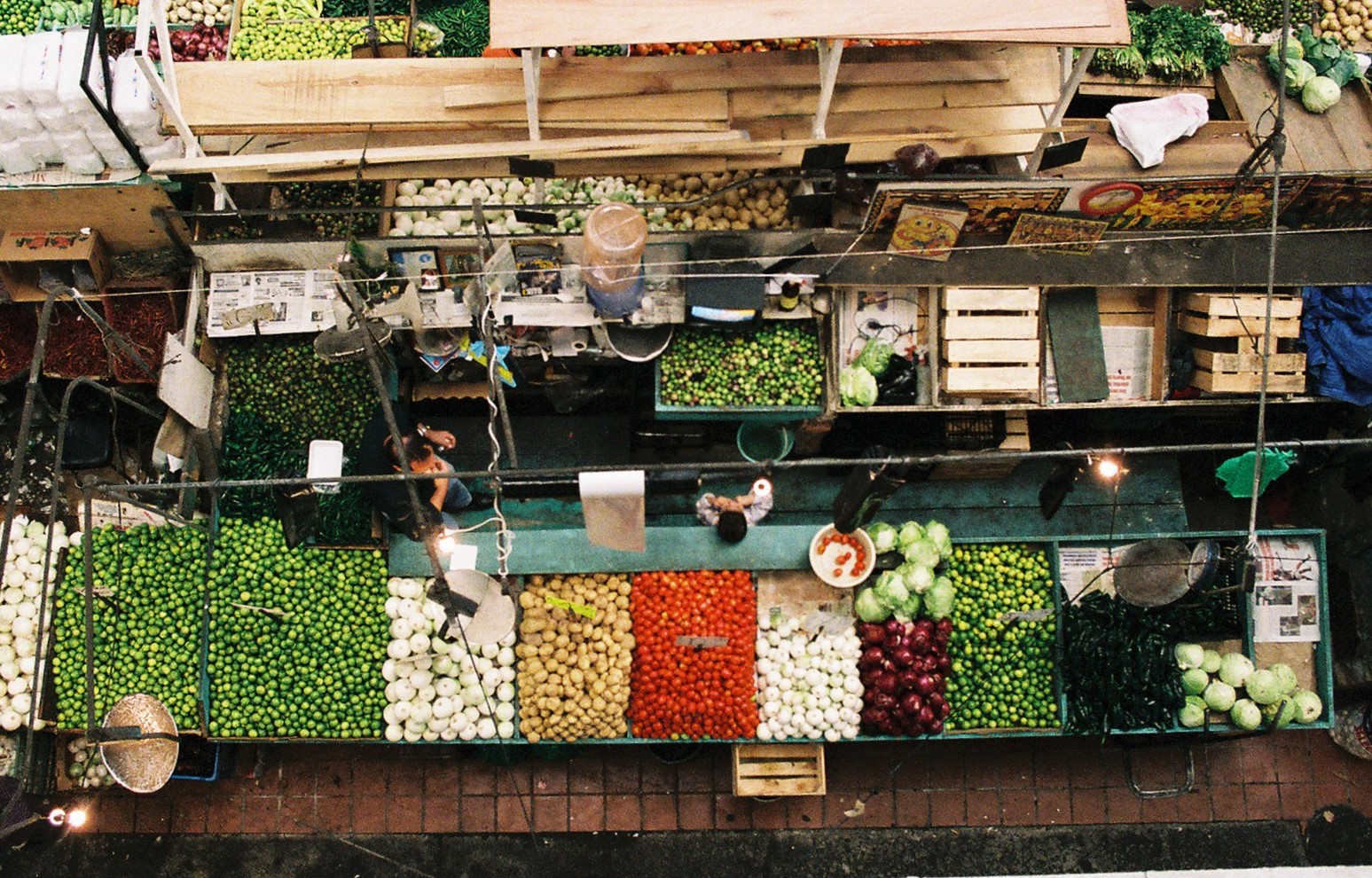
Fresh produce at the Mercado Libertad, Guadalajara

Fresh produce at the Mercado Libertad, Guadalajara


There are neighborhoods for fruits and vegetable vendors…


Spice merchant, Mercado Libertad, Guadalajara

Spice merchant, Mercado Libertad, Guadalajara


…neighborhoods for spice merchants…


…and neighborhoods for butchers.

Tripe & pigs' feet, Mercado Libertad carniceria, Guadalajara
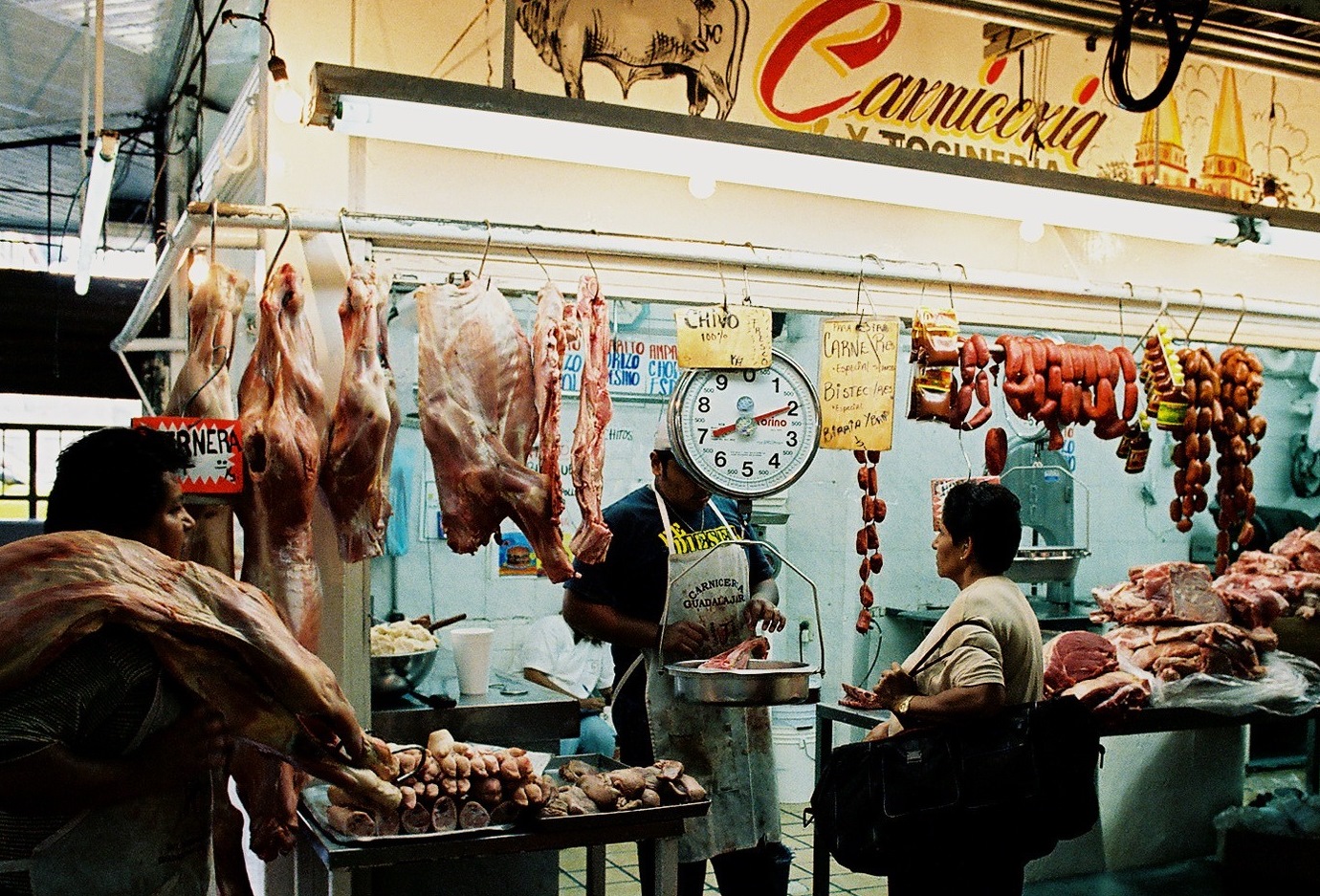
Tripe & pigs’ feet, Mercado Libertad carniceria, Guadalajara


Mercado Libertad carniceria

This place recalls for me the Egyptian Bazaar in Istanbul.


Extending from broad aisles are narrow, Casbah-like passages of merchants packed in cheek-to-jowl.


Every flat surface is covered with merchandise and even more merchandise hangs like stalactites from overhead hooks. The visual clutter is an avalanche.


Every time I go to the Mercado I see something unnoticed on a past visit.


Every time I go I get into delightful conversations with the vendors.


Every time I go I feel like I’ve only scratched the surface.

If there’s such a thing as Mercado overload it has to be in my far distant future.   If you can’t find what you’re looking for at the Libertad, it’s probably unavailable elsewhere or you probably don’t really need it!

For reasons unclear this remaining blog entry from my Argentina trip has remained parked in “draft” mode for over two years, but the experience is far too rich not to share, and it’s a fitting epilogue!

Bodega Norton Mendoza grapes on the vine

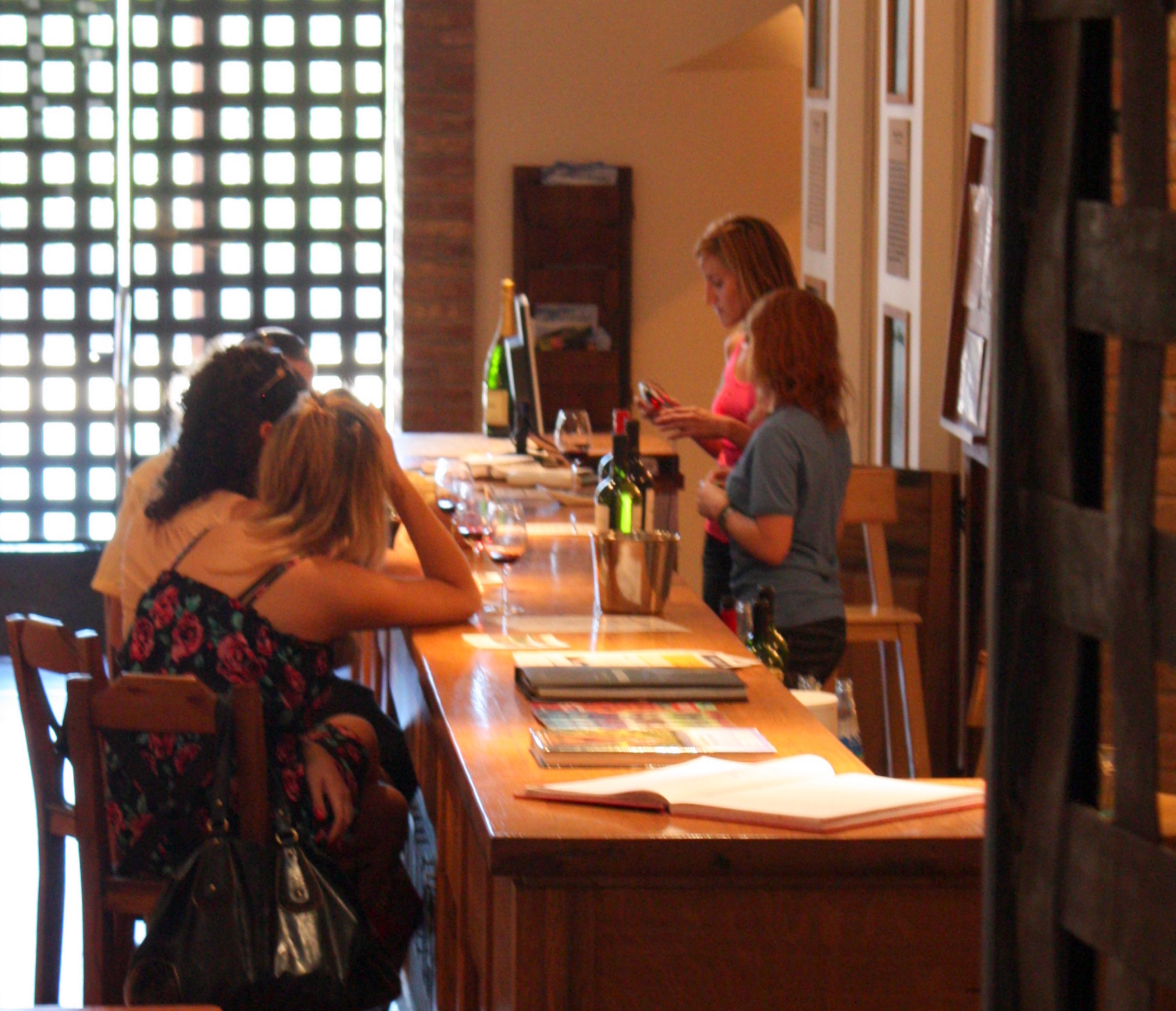
A taste for Malbec honed during my visit to Mendoza and regularly refreshed to this day is a constant reminder of a entire delightful day spent winery-hopping. A privately guided tour and tastings at three Mendoza wineries is my only real splurge on this trip.

The cultivation of grapes and the making of wine has been a part of Argentina since the Spaniards and Jesuits first arrived almost 500 years ago. British investment funded the development Argentina’s railroads and Edmund Norton was the British engineer responsible for pushing the track through the Andes. In 1895 he began importing French vines to establish the winery in Mendoza which still bears his name. It’s just one more aspect of the Anglo-Argentine connection which emphatically contradicts the message of the brief Malvinas conflict.

All of the Mendoza vineyards I visit have two things in common. One is the canopy screens suspended above the vineyards to protect them from frequent hailstorms peculiar to this microclimate. I’m told that the Argentine air force is actually employed to seed storm clouds in order to blunt storm development. The other is an irrigation system that stores mountain runoff in dammed lakes and delivers it to the otherwise arid region either as drip irrigation or the older field-flooding method. Interestingly enough, historical accounts confirm that the Spaniards found upon first arriving in the area that indigenous peoples had employed a similar method to irrigate their crops there for centuries.

Bodega Norton Mendoza vineyards with Andes backdrop

The quality of this memorable day has lots to do with my tour guide Cecilia and her remise driver Roberto.(Find her company here.)

Cecilia speaks excellent English and patiently endures my torrent of questions about daily life in Argentina that have nothing whatsoever to do with Mendoza or winemaking. A designated driver notwithstanding, they wisely determine that a scheduled first tasting a bit before noon strongly suggests a 3-winery limit to my day. They couldn’t have chosen three wineries capable of delivering a more diverse experience.

Bodega Norton. The view from the Norton vineyards of the snow-capped Andes, rising high above the two lower, nearer ranges, is postively breathtaking.   Norton was among the first of the Argentine wineries to make a name for itself in the States when Argentina began in the ’90’s to shift from production of inexpensive wines for domestic consumption to quality wines for export.

State-of-the-art equipment at Bodega Norton

The vineyards and winery are now privately held by the Swarovski family of crystal glass fame, and their investment has updated it into a state-of-the-art winery.

Bodega Norton cellars

The tasting room is contemporary in its design and the vats are all stainless steel, but there’s lots of charm remaining in cellars racked with miles of bottles!

Find more on Bodega Norton here.

Bodega Alta Vista cellar

Bodega Alta Vista.  More history remains intact at Bodega Alta Vista than at  Norton even though it, too, is now owned by a multi-national winemaker.

Bodega Alta Vista concrete vats

Bodega Alta Vista tasting room

Most interesting here were the old concrete vats still in use. In order to maintain the proper temperature during the coolest months of the year, the original owners stoked wood fires under the vats.

Find more on Bodega Alta Vista here.

Lids from old casks at Bodega LaGarde

Bodega La Garde.  If I had in my mind’s eye an image of the quintessential Mendoza winery it’s Bodega LaGarde, which has been family owned and operated since 1897.

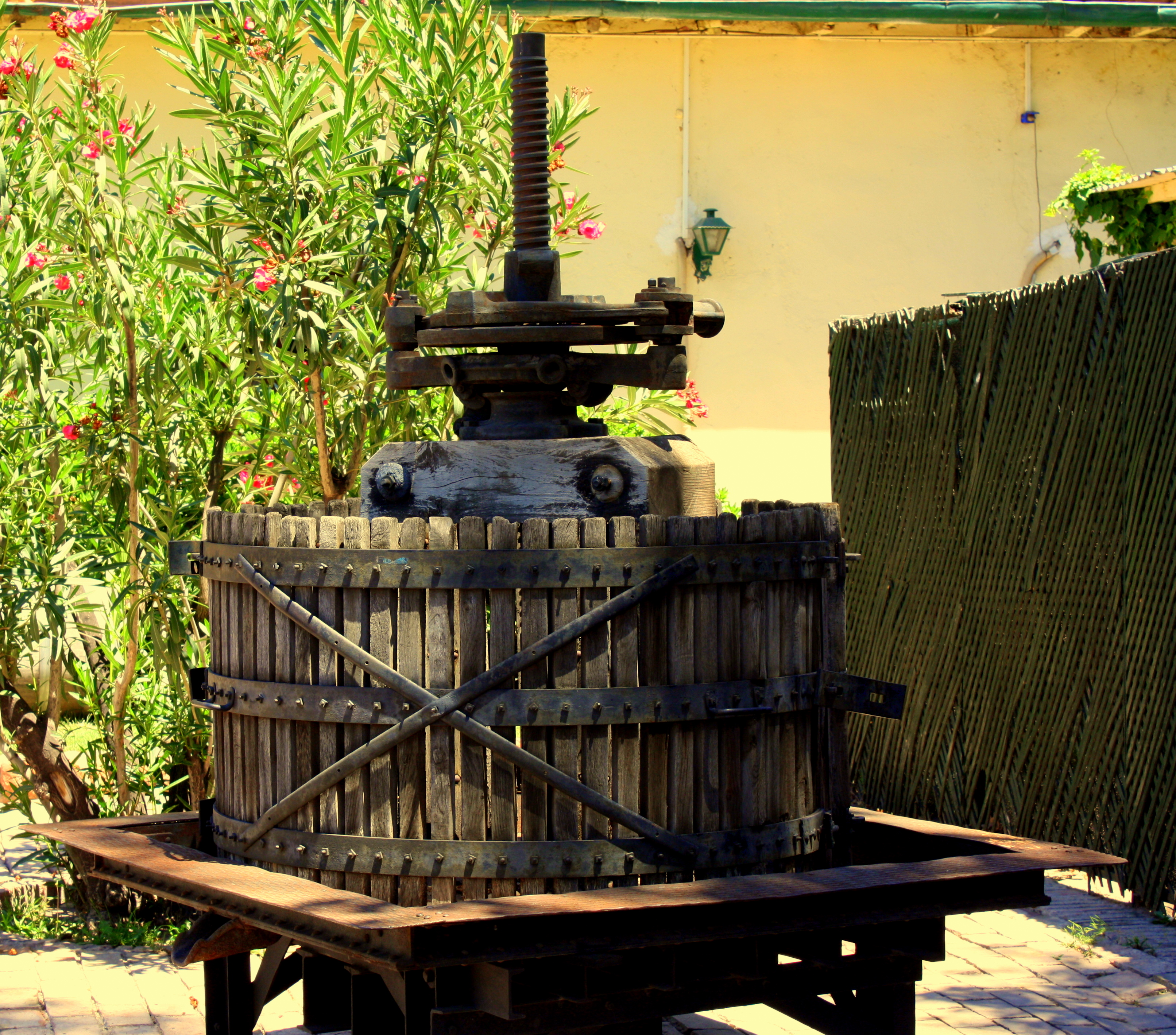
Old wine press at Bodega LaGarde

The city has crept to the winery’s edge in the years since it was built, but it still retains all of the charm of an old country chateau.

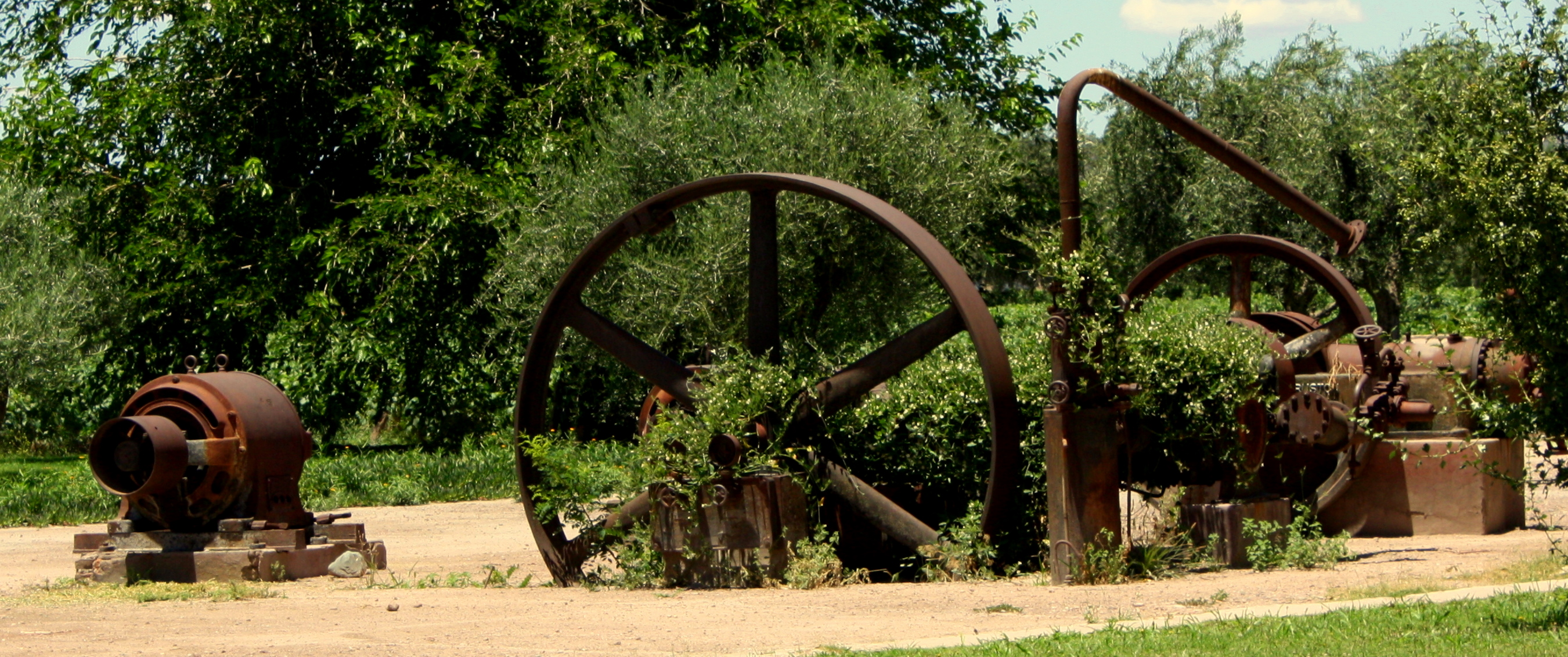
Old pump at Bodega LaGarde

Scattered across the grounds are winemaking implements from a bygone age.

Bread ovens Bodega LaGarde

A master chef serves gourment meals in a beautiful dining room, and it is here that we lunch fashionably late in the day.  The atmosphere is serenely other-wordly, authentic and timeless.

Restaurant at Bodega LaGarde

I could sit here until the moon rises, but I have a morning flight back to Buenos Aires.   The Malbec here is exquisite, and three bottles of the 2007 D.O.C. are headed for my bags and on to the States.

Find more on Bodega La Garde here.

Read my other posts from Mendoza:

• “The Omnibus.” Forget everything you’ve learned about bus travel in the States and take a luxury bus across the Pampas. Cappuccino, anyone?

• “Mendoza First Impressions.” European architecture and the casual class of winemaking towns all over the world make for a hugely pleasant surprise here at the far edge of the Pampas.

• “The End Of West.” Travel into the Andes past hot springs used by the Incas and on to the Chilean border.

• “Leaving Mendoza”. Magical light and lively music fills the air on my last evening stroll around the city.

East of East

The shortest distance from the Pacific Rim to Dallas is to travel east, and if European immigration defined the character of American cities that came of age in the 20th century, Asian immigration is defining the character of those coming of age in the 21st century.  Perhaps nowhere in the Metroplex is this more strikingly evident than in old downtown Richardson.

For months I’ve been passing through the intersection of Greenville Avenue and Main Street/Beltline slowly enough to be intrigued, but too quickly to take a closer look and this week I decided to do a walkabout.  The intersection is about three-quarters of a mile from DART Rail’s Spring Valley Station and about a mile from its Arapaho Station. Asia may be the world’s biggest continent, but it seems that nearly every part of it is represented in Richardson.

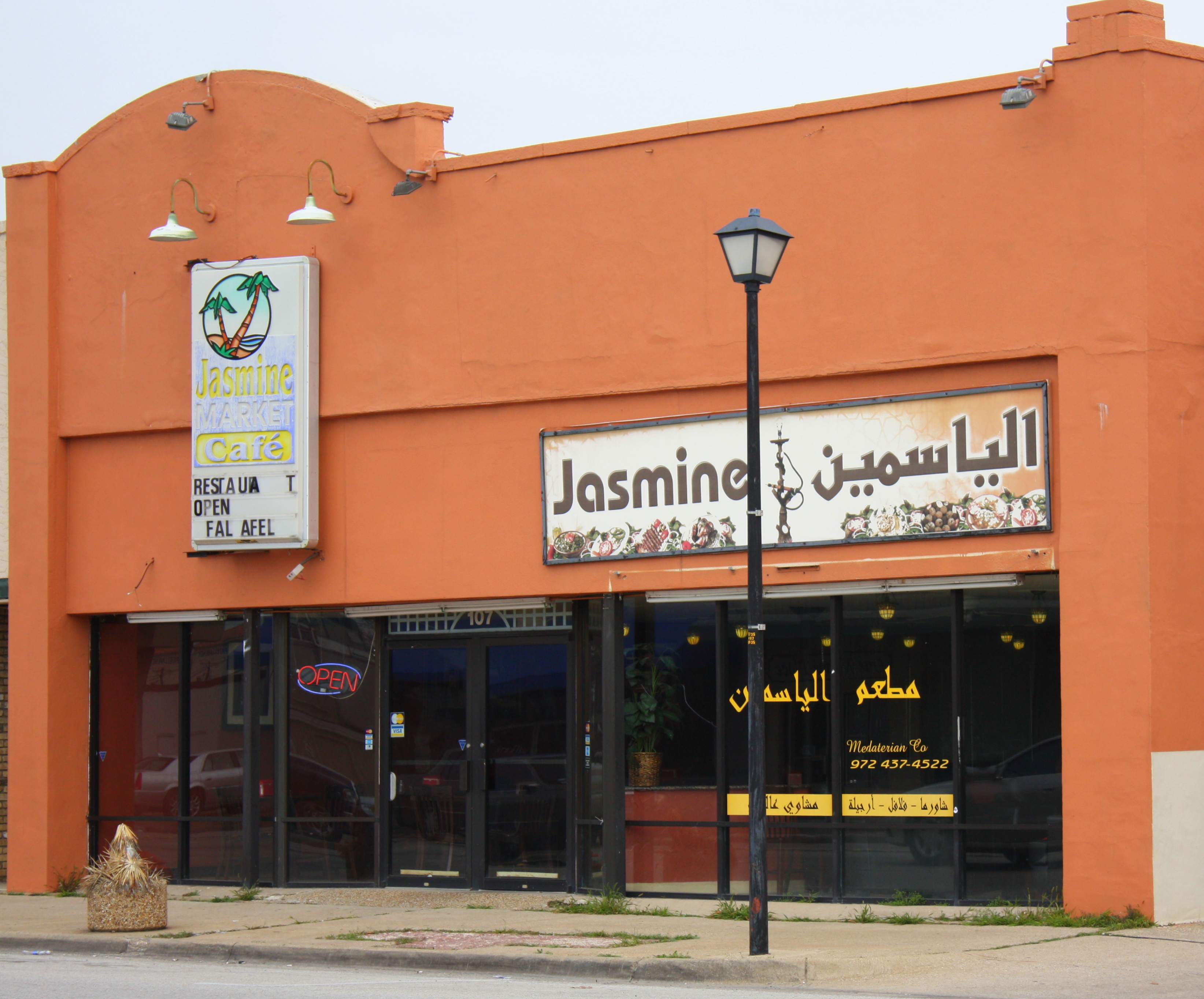
There’s MEDITERRANEAN cooking at Habibi, Afrah, and Jasmine  (you can smoke from a hookah there!)

Habibi Cafe, 102 N McKinney, Richardson

Habibi Cafe, 102 N McKinney, Richardson

Jasmine Market Cafe, 107 E Main St, Richardson

Jasmine Market Cafe, 107 E Main St, Richardson

Afrah Mediterranean Cuisine & Grill, 314 E Main St, Richardson

Afrah Mediterranean Cuisine & Grill, 314 E Main St, Richardson


Within only blocks, three establishments cater to fans of INDIAN cuisine.

Boti Grill, 110 S. Greenville Ave, Richardson, TX

Boti Grill, 110 S. Greenville Ave, Richardson, TX

Boti Grill serves a luncheon buffet, Chameli serves biryani in a fast-casual format, and the Indo-Pak supermarket presumably keeps the kitchens stocked at both!

Chameli, 201 S Greenville Ave, Richardson

Chameli, 201 S Greenville Ave, Richardson


IndoPak Supermarket, 323 E Polk St, Richardson

IndoPak Supermarket, 323 E Polk St, Richardson

Cornerstone Chinese Bible Church, Richardson, TX

Cornerstone Chinese Bible Church, Richardson, TX


It’s the CHINESE, though, who appear to be the best represented here, and not only by restaurants.

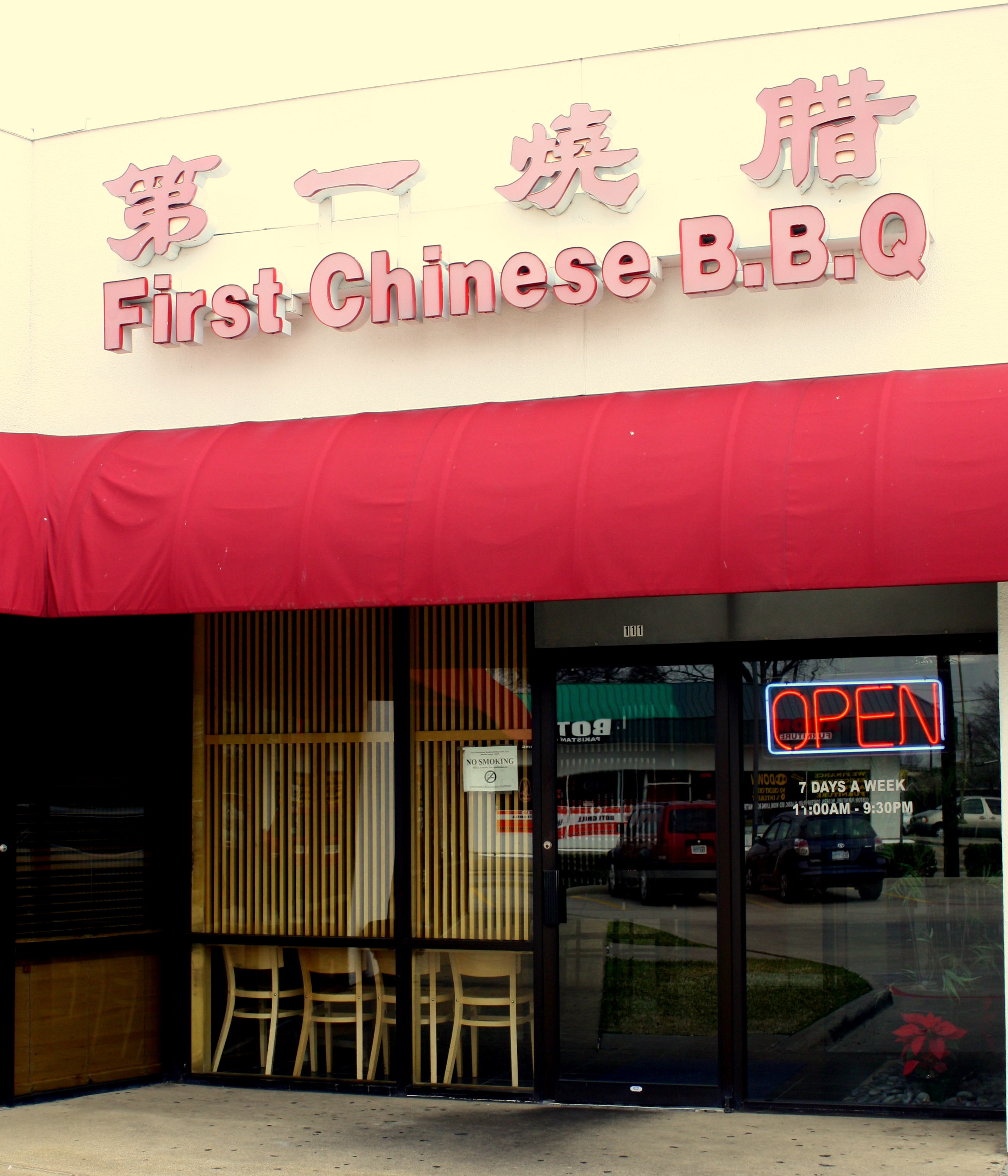
First Chinese BBQ and King Noodles are across the street from each other.

King's Noodles, 201 S Greenville Ave, Richardson

King’s Noodles, 201 S Greenville Ave, Richardson

First Chinese BBQ, 111 S Greenville Ave, Richardson

First Chinese BBQ, 111 S Greenville Ave, Richardson

On Greenville about a quarter of a mile or so north of the intersection is a new neighborhood shopping center sporting the conspicuous sign “DFW Chinatown.”

Chinatown, 400 N. Greenville Ave, Richardson, TX

Chinatown, 400 N. Greenville Ave, Richardson, TX

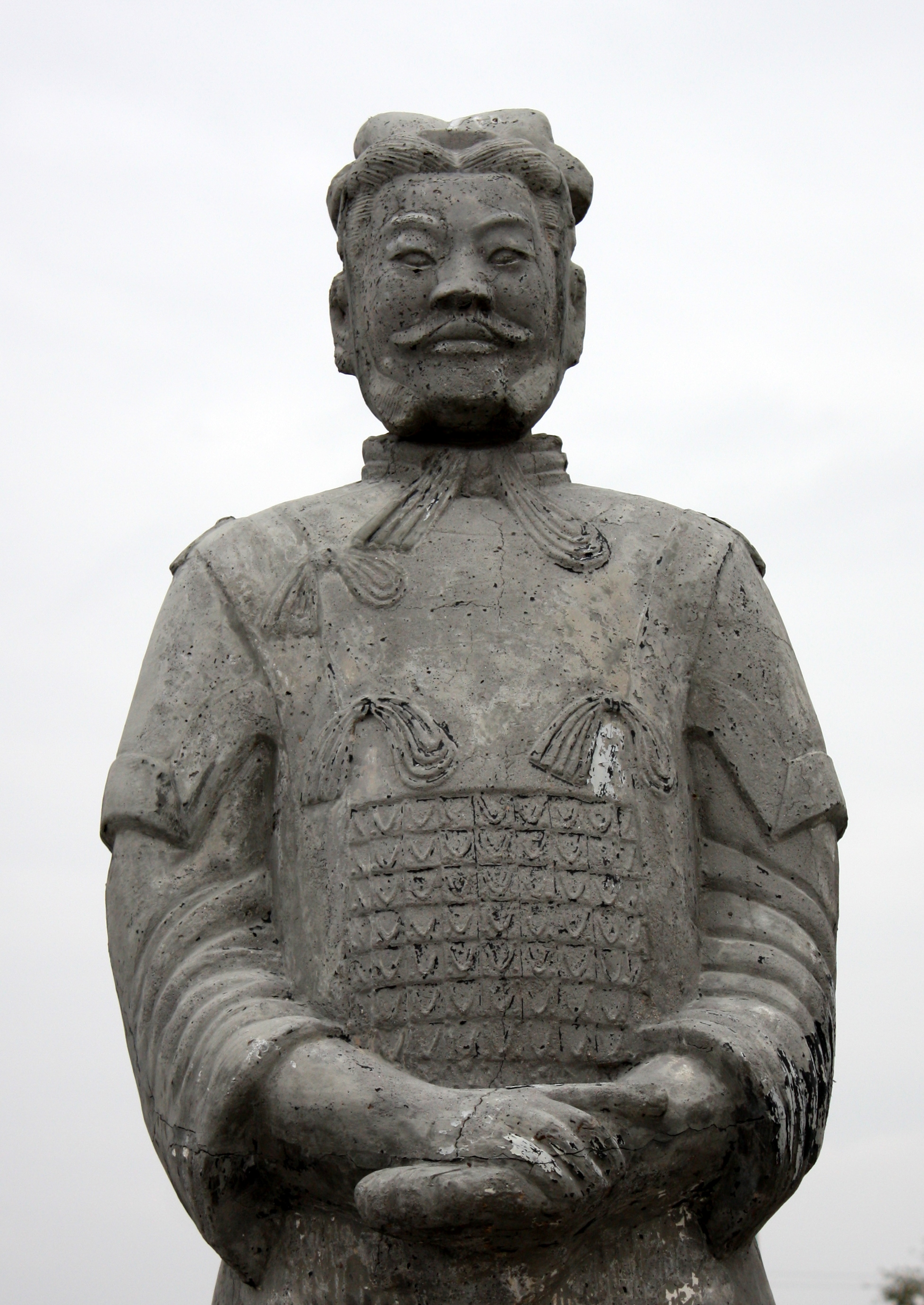
The entrance is imposingly marked by totem-pole-like pillars and concrete chimera dragons.

Chinatown statues, Richardson, TX Chinatown statue, Richardson, TX


Lining the main drive are larger-than-life and very lifelike statutes of ancient Chinese from all walks of life.

Chinese restaurants include Canton, Royal Sichuan, and Yung Kee Chinese BBQ

Canton Restaurant, 400 N. Greenville Ave, Richardson, TX

Canton Restaurant, 400 N. Greenville Ave, Richardson, TX

Royal Sichuan and Yun Kee Chinese BBQ, 400 N. Greenville Ave, Richardson, TX

Royal Sichuan and Yun Kee Chinese BBQ, 400 N. Greenville Ave, Richardson, TX


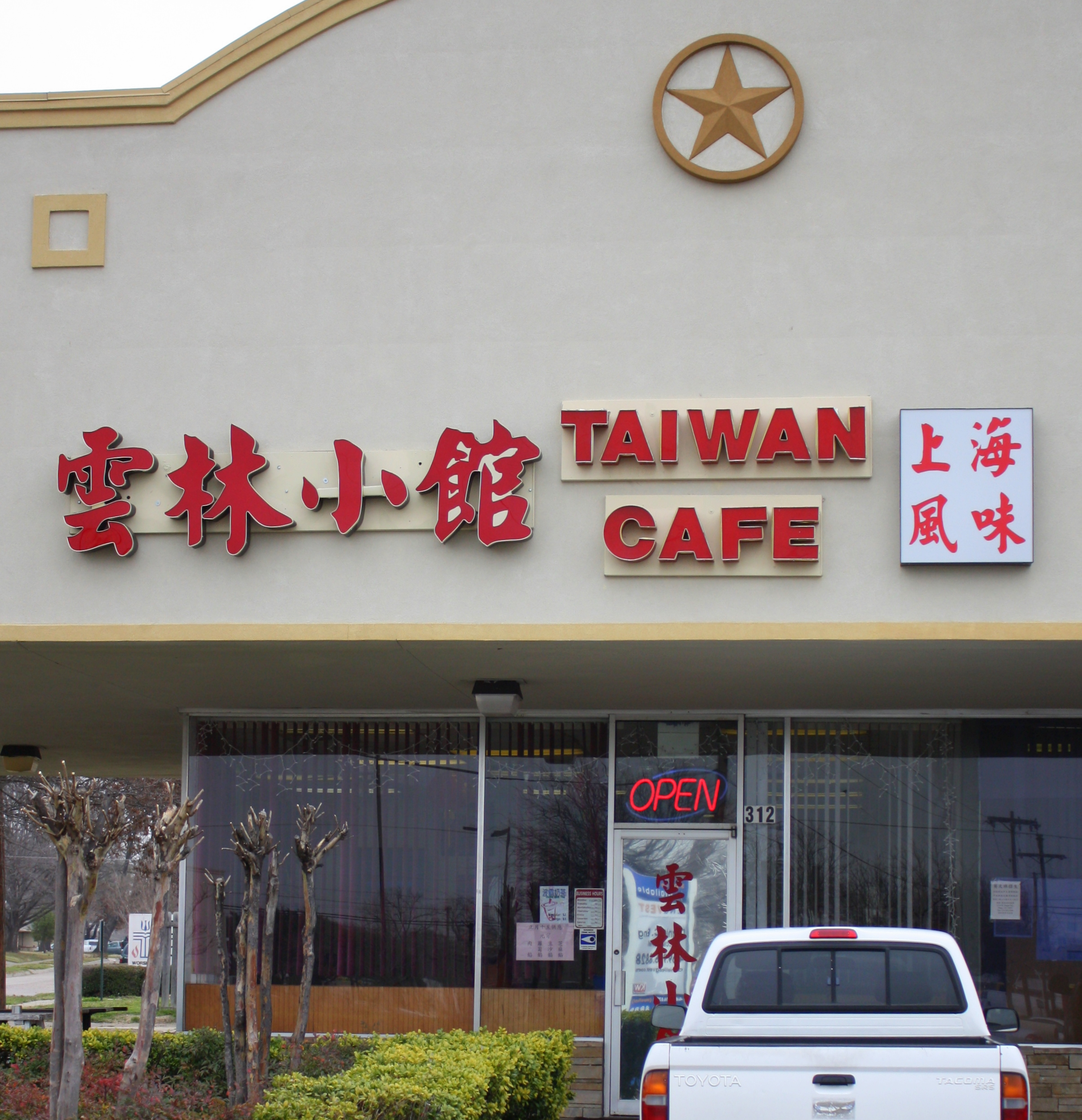
Taiwan Café and Vivian Bakery


Taiwan Cafe, 400 N. Greenville Ave, Richardson, TX

Taiwan Cafe, 400 N. Greenville Ave, Richardson, TX

VIvian Bakery, 400 N. Greenville Ave, Richardson, TX

VIvian Bakery, 400 N. Greenville Ave, Richardson, TX


…and – for anyone who wants to cook their own – the Tian Jian Supermarket.

Tian Jian Supermarket, 400 N Greenville Ave, Richardson, TX

Tian Jian Supermarket, 400 N Greenville Ave, Richardson, TX

While Chinese foodservice establishments predominate, other food to be found includes Japanese…

Sapporo, 400 N Greenville Ave, Richardson

Sapporo, 400 N Greenville Ave, Richardson

Genroku Sushi & Grill, 400 N Greenville Ave, Richardson

Genroku Sushi & Grill, 400 N Greenville Ave, Richardson


Korean and Thai (Best Thai is just across the street).

Chang Jing Korean BBQ & Cuisine, 400 N Greenville Ave, Richardson

Chang Jing Korean BBQ & Cuisine, 400 N Greenville Ave, Richardson

Best Thai, 300 Terrace Dr., Richardson

Best Thai, 300 Terrace Dr., Richardson

Just when I think I’ve covered most of the available ground I realize that Richardson’s Asian food district straddles the North Central Expressway, and on the intersection’s southwest corner is a shopping center in which Indian tenants are prominent.

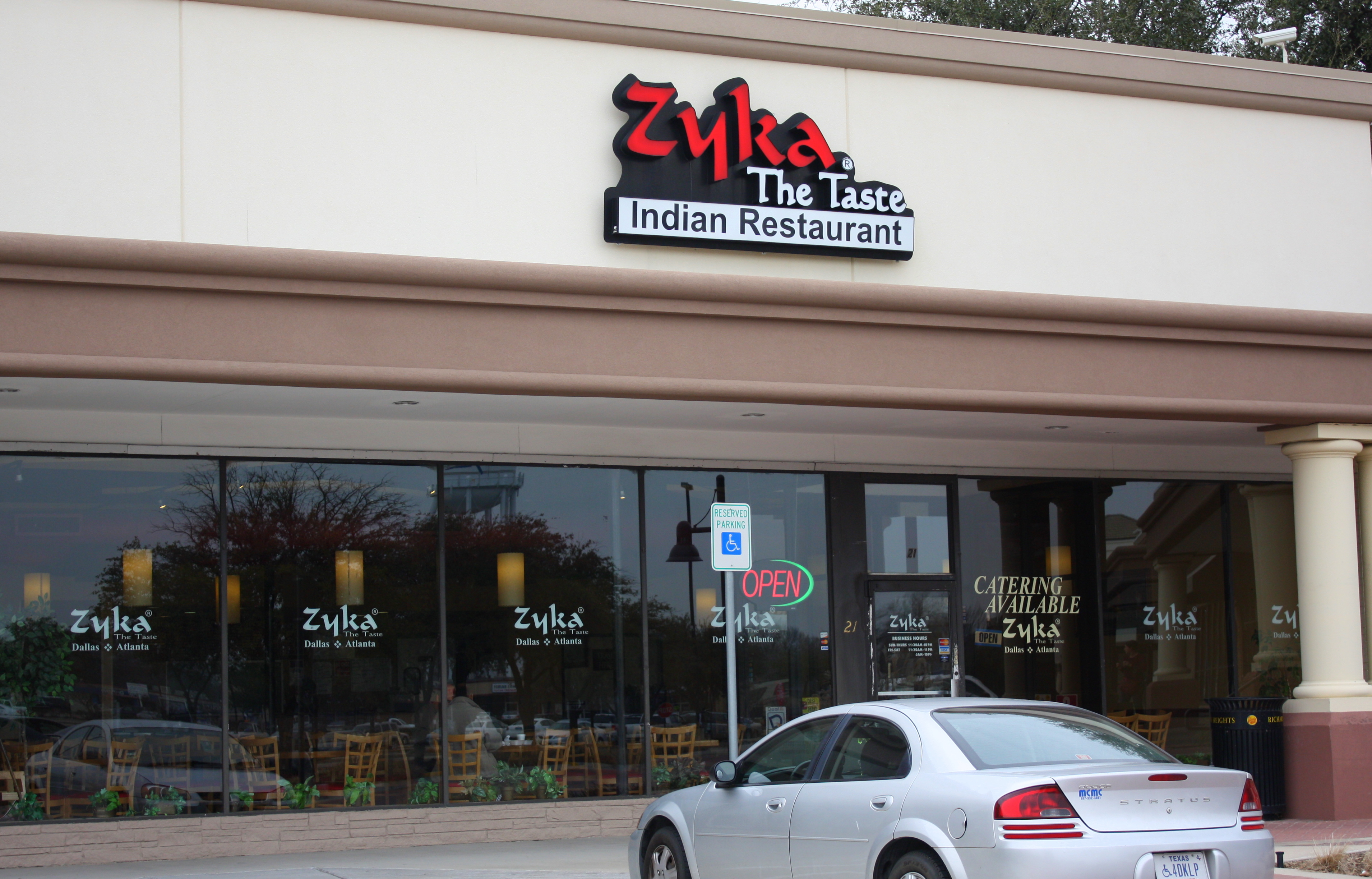
Restaurants here include Udipi Café (vegetarian) and Zyka “The Taste”.

Udipi Cafe,100 S Central Expy, Richardson, TX

Udipi Cafe,100 S Central Expy, Richardson, TX

Zyka Indian Restaurant, 100 S Central Expy, Richardson

Zyka Indian Restaurant, 100 S Central Expy, Richardson


Taj Mahal Imports, 100 S Central Expy, Richardson, TX

Taj Mahal Imports, 100 S Central Expy, Richardson, TX

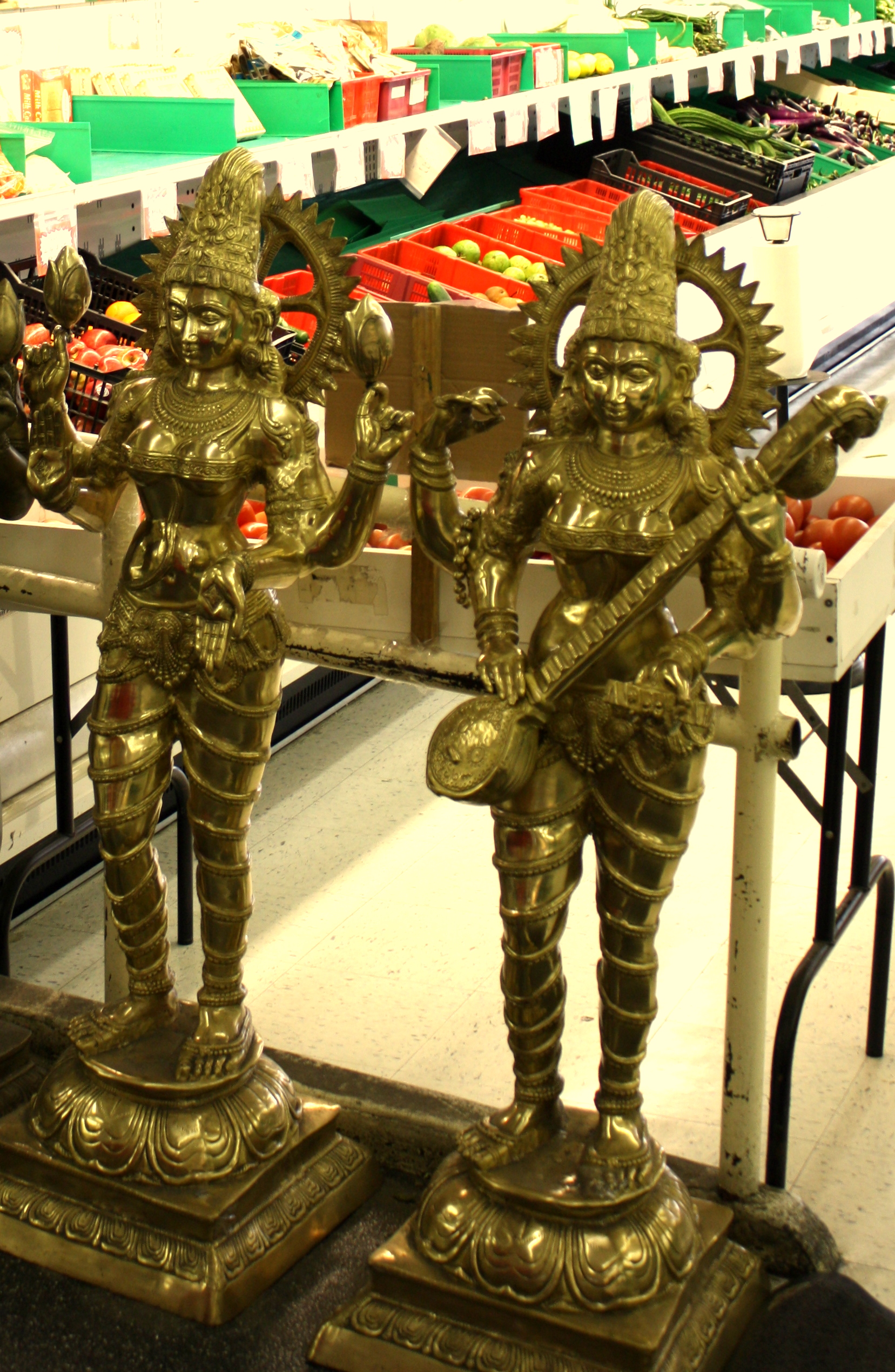
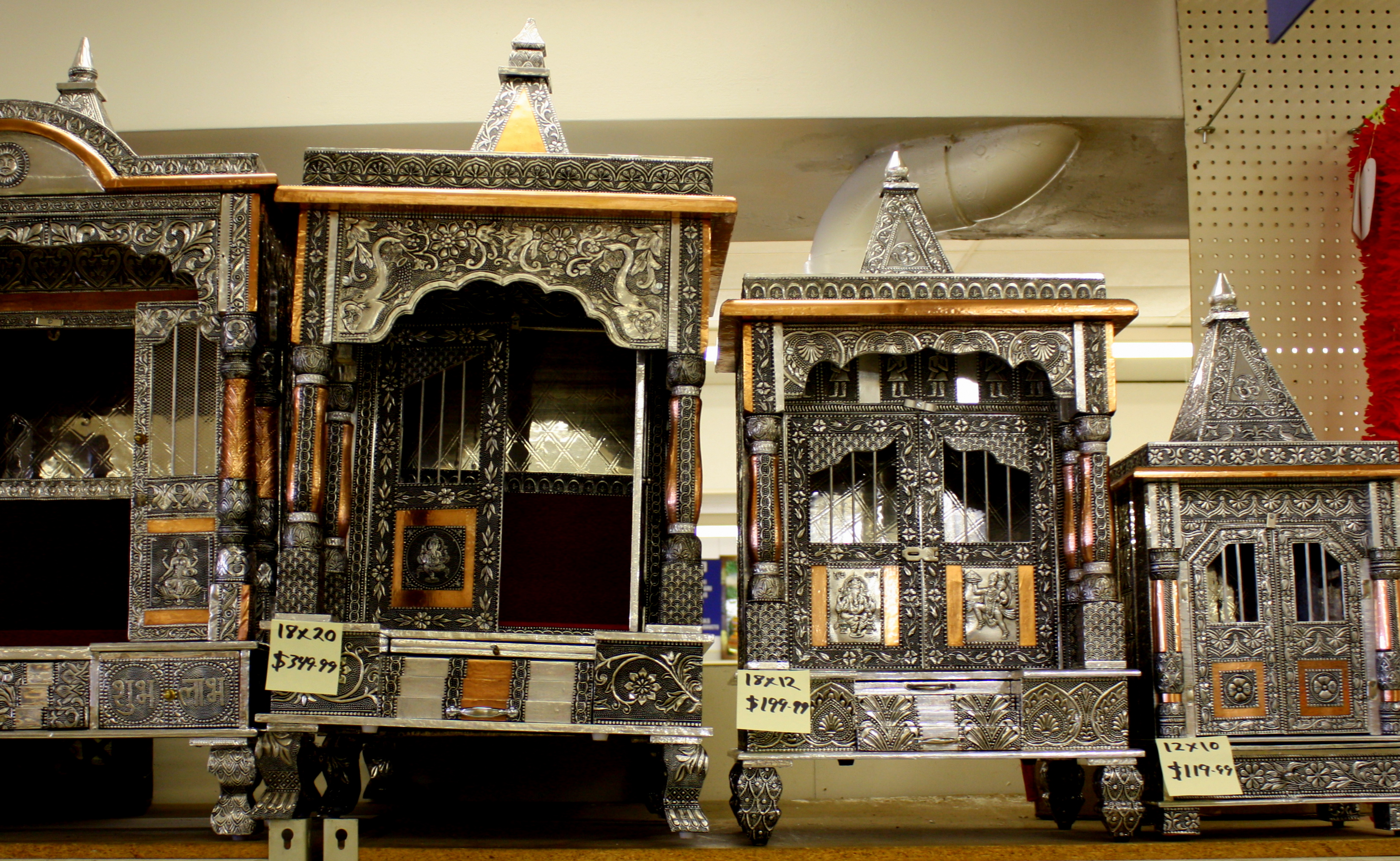
…but the richest cultural experience by far is the Taj Mahal Imports store, which stocks everything from Hindu religious icons in bronze and Bollywood DVD’s to a mind-boggling selection of grocery staples and produce.

Shivas and produce, Taj Mahal Imports, Richardson, TX

Shivas and produce, Taj Mahal Imports, Richardson, TX

Grocery selection, Taj Mahal Imports, Richardson, TX

Grocery selection, Taj Mahal Imports, Richardson, TX

Few of these are familiar to American palates, and much of the packaging is at once inviting and cryptic. There’s even a bakery and a quick-service diner that serves hot Indian meals.

Bakery case, Taj Mahal Imports, Richardson, TX

Bakery case, Taj Mahal Imports, Richardson, TX

Hindu altars, Taj Mahal Imports, Richardson, TX

Hindu altars, Taj Mahal Imports, Richardson, TX

Grocery selection, Taj Mahal Imports, Richardson, TX

Grocery selection, Taj Mahal Imports, Richardson, TX

Houston has had a robust Asian community and outstanding Asian restaurants dating back to the end of the Vietnam War.  It’s refreshing to see Dallas finally shedding its meat-and-potatoes, white bread past and embracing cosmopolitan tastes.

The elusive Ribera

How do you describe the Chapala Lakeside – La Ribera de Chapala – to someone who’s never seen it?  It’s the question that drew me back to Ajijic for a second look more than 7 years ago.

Ajijic and Lake Chapala seen from the mountains above

I asked local business owners and expats  ranging from long-time residents to first time visitors.  Most touted the great year-round climate and low cost of living.  Many cited the picturesque lake and mountain views, a sizeable English-speaking expat community, and the proximity of Guadalajara and its airport.  None of this, however, seems to conjure up in the mind’s eye a magical picture like images of San Miguel de Allende or Cabo San Lucas or Costa Rica or Belize.

What, then could lead one resident to gently plead with me to “Come, but PLEASE don’t tell all of your friends about it” while a Stateside friend said, “I don’t get it.  What is there to DO there?”

Sometimes it’s in the understanding of the empty portion of a glass that we begin to understand the way in which the remainder is full.

I first stumbled upon Santa Fe, New Mexico more than 30 years ago before the Northridge (California) quake and the dot-com bust sent thousands of refugees scurrying there to open galleries stuffed with revisionist Southwestern art and to affect ridiculous excesses of Native American jewelry and clothing in a Rodeo-Drive-meets-Geronimo caricature.  In more recent visits I can’t shake the feeling that the authentic image of Santa Fe now lies obscured by caked layers of faux pueblo like a European nude masterpiece over which clothing has been later painted.  These are the sorts of people who probably wouldn’t “get” La Ribera, either.

The Chapala Lakeside is, after all, not a Los Cabos Phoenix-sur-Mer where the gringo has only to strap himself into the seat of a fishing charter or a championship golf course cart and simply wait for the ride to begin.  It’s not a San Miguel backdrop of quaint native garb and Spanish colonial street scenes into which many gringos simply peer through vacant oval cutouts as if in some fairground souvenir postcard photo.

The Chapala Lakeside is not so much a place in which to be seen as a place in which to live.  It seems not so much to serve up things to DO as it serves up the freedom to BE, like a perfectly stretched blank palette inviting the newcomer’s brush strokes.  It seems to retain the sense of community long lost in an America afraid to make eye contact with passers-by and automatically and unreservedly extend to them a daily greeting.  It can be sensed in vignettes come to life at the weekly tianguis or in the sheltered shade of the plaza in its quietest hours.  It percolates tranquilly and unobstrusively behind modest street-fronts that shelter exquisitely intimate courtyards and gardens.

The Chapala Lakeside is not ostentatious or overbearing and it may be that therein lies its special charm.  Perhaps La Ribera is the perfect destination for those who need no place from which to draw an identity, but only the most hospitable of places in which to fully realize the identity they already have.  If that’s so, then it doesn’t matter how many friends I tell, because only those for whom it is well-suited will truly be able to see into its soul.

This post is an excerpt from my earlier piece published under the title “Elusive Lakeside” in the December, 2004 issue of El Ojo Del Lago http://chapala.com/elojo,  and named its top feature article for that year.

Whitecaps on White Rock!

White Rock Lake dam & spillway

It’s a bit mind-bending that Dallas, after a summer of record heat and drought, was doused by more than 4″ of rainfall in 24 hours earlier this week.

By Wednesday the spillway below the White Rock Lake dam – bone-dry enough to walk across as recently as September – had become a miniature Niagara flowing so briskly that birds fishing its surface were quickly swept downstream.

By Thursday morning the flood was cresting as upstream runoff continued to swell White Rock Creek.


White Rock Lake boathouse bridge


Rising water had spilled over onto the lake trail loop and was lapping at the undersides of its foot bridges.


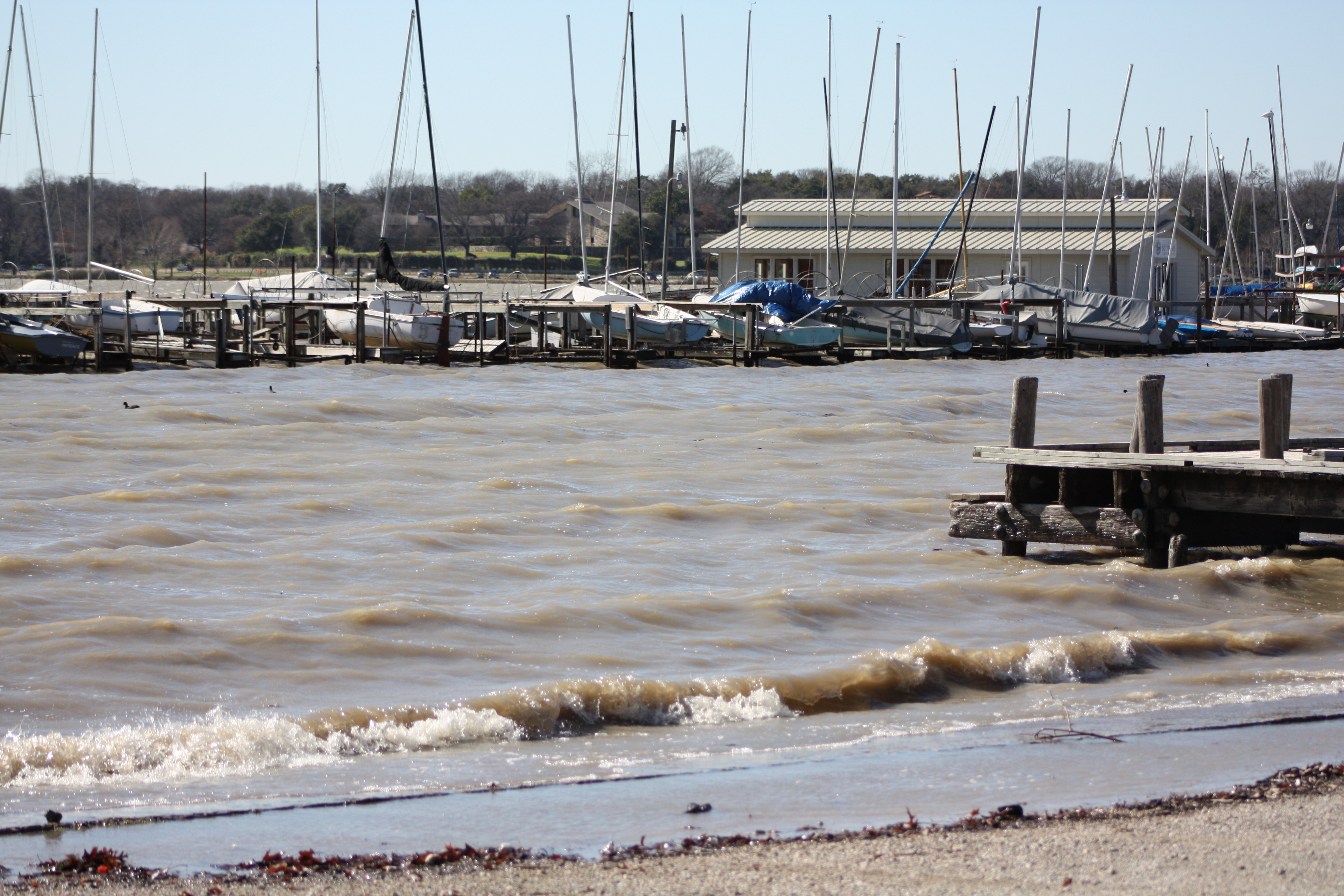
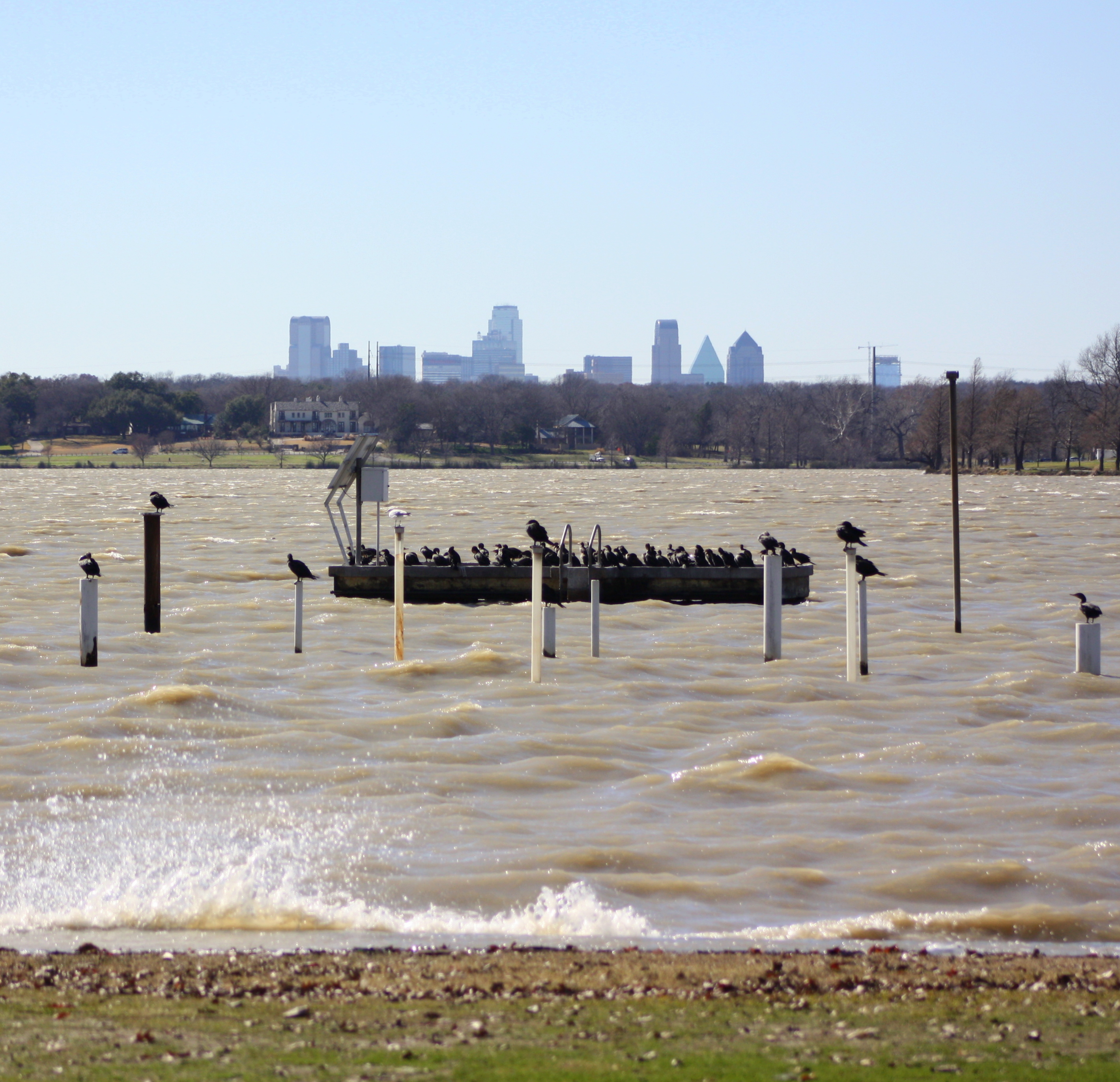
A stiff breeze was whipping up whitecaps.

White Rock Lake Corinthian Yacht Club

Dallas skyline from White Rock Lake Cultural Center

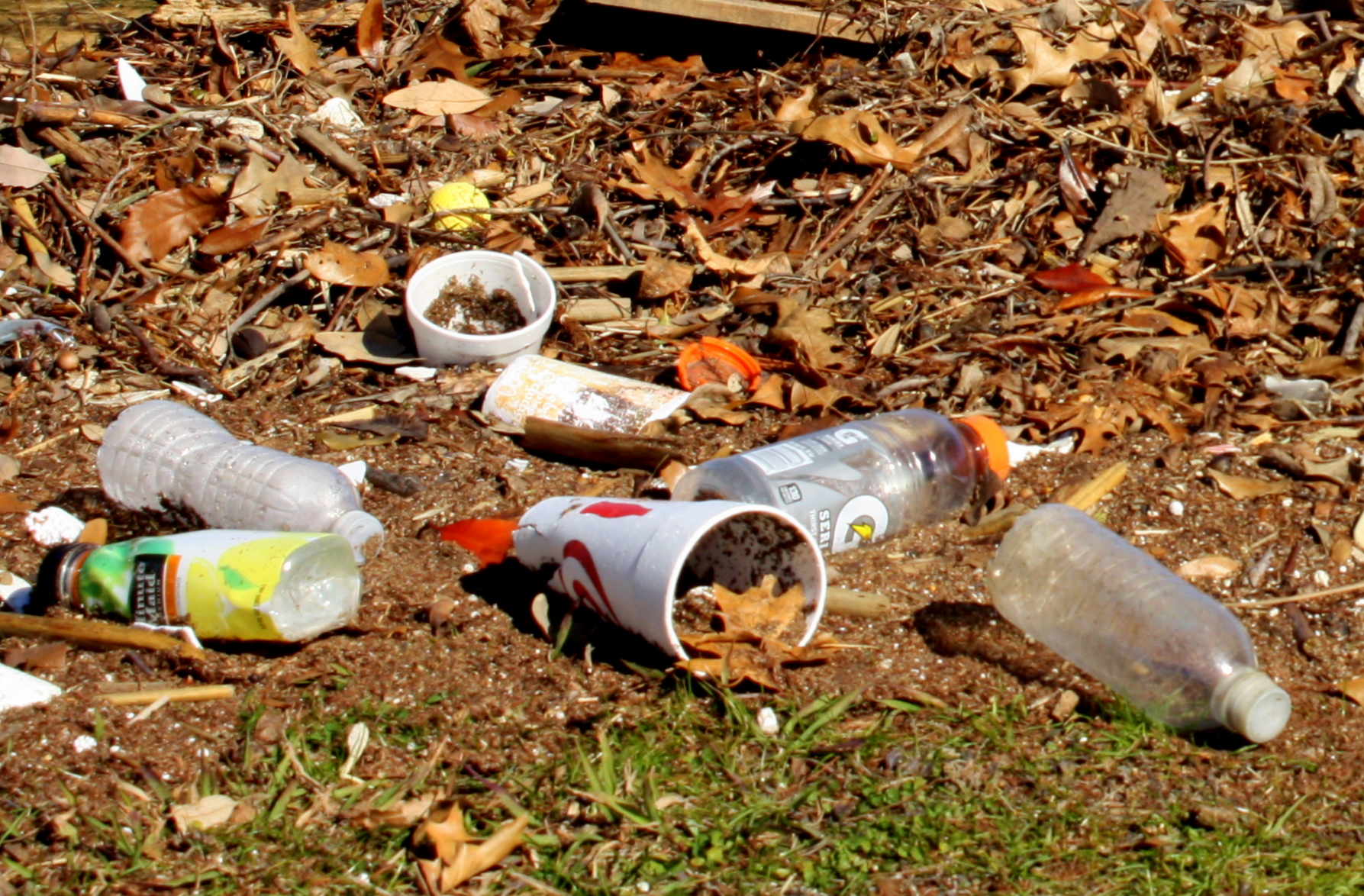
It was no surprise that the storm swept lots of refuse downstream, and as the water began to recede the shoreline was littered with twigs and tree limbs.

White Rock Lake rainstorm aftermath

The amount of man-made trash among it was truly sobering, and none among it was more was more prominent than unrecycled plastic and styrofoam packaging bearing the logos of the nation’s largest beverage bottlers and fast food chains.

No one seeing this could help but reflect upon the reality that it was only the tip of an iceberg.  It gives pause to wonder if, centuries into some post-apocalyptic future when man no longer walks this earth, this will be his only legacy.

White Rock Lake rainstorm aftermath

Dallas’s erasable past

In fairness, it must be conceded that late-blooming Sunbelt cities can’t be held accountable for their comparatively short histories.  It should also be allowed that it’s a lot harder to maintain tradition when more residents than not are Rust Belt refugees steeped far more deeply in the traditions of their origins than those of their adopted city.

Dallas, though, seems more than most cities to view its past as an etch-a-sketch pad to be erased and rewritten at will.  Perhaps that’s because it has, dating from the accounts of its earliest years, aspired less to be the first among Texas cities than to become the Big Apple of the Southwest.  If Houston, Austin, Fort Worth and San Antonio seem thoroughly comfortable in their Texan-ness, Dallas often seems almost apologetic about it and bent upon transcending it.

Magnolia Theater, West Village, Dallas

In Dallas there’s no Ghirardelli or Larimer Square and no French Quarter.  No Pike Place Market or Gaslamp Quarter.  Not even a Riverwalk, Sundance Square,  Strand, or Sixth Street.  For its size Dallas has few historic residential neighborhoods (Lakewood and Bishop Arts are notable exceptions), and those like Southside on Lamar and West End are yet insufficient in density to support the merchants of retail goods and services that mark the difference between a residential complex and a vibrant, organic neighborhood.   Almost nothing remains of the historic Cedars neighborhood and in less than 10 years many Oaklawn homes worthy of historic preservation have been razed and replaced by new townhomes or low-rise apartment buildings.

Retail space, West Village, Dallas

Real estate developers and promoters from founder John Neely Bryan to Trammel Crowe have always been a prominent part of Dallas’s past, and it now often seems as if there’s no land in Dallas that can’t be repurposed for a new office skyscraper or luxury condos.   While there seem too few attempts to assure that new construction in historic neighborhoods conforms to historic architecture, there are exceptions worthy of emulation.

Dallas’s West Village, centered on McKinney @ Blackburn may be only 10 years old, but its developers far exceeded the just-enough-to-get-by standard in its design.  It has very much the look of a 1930’s neighborhood, and even though it’s only a couple of miles from Northpark Center has very much the feeling of a self-contained community.

Terilli’s, Greenville Ave., 2010 fire

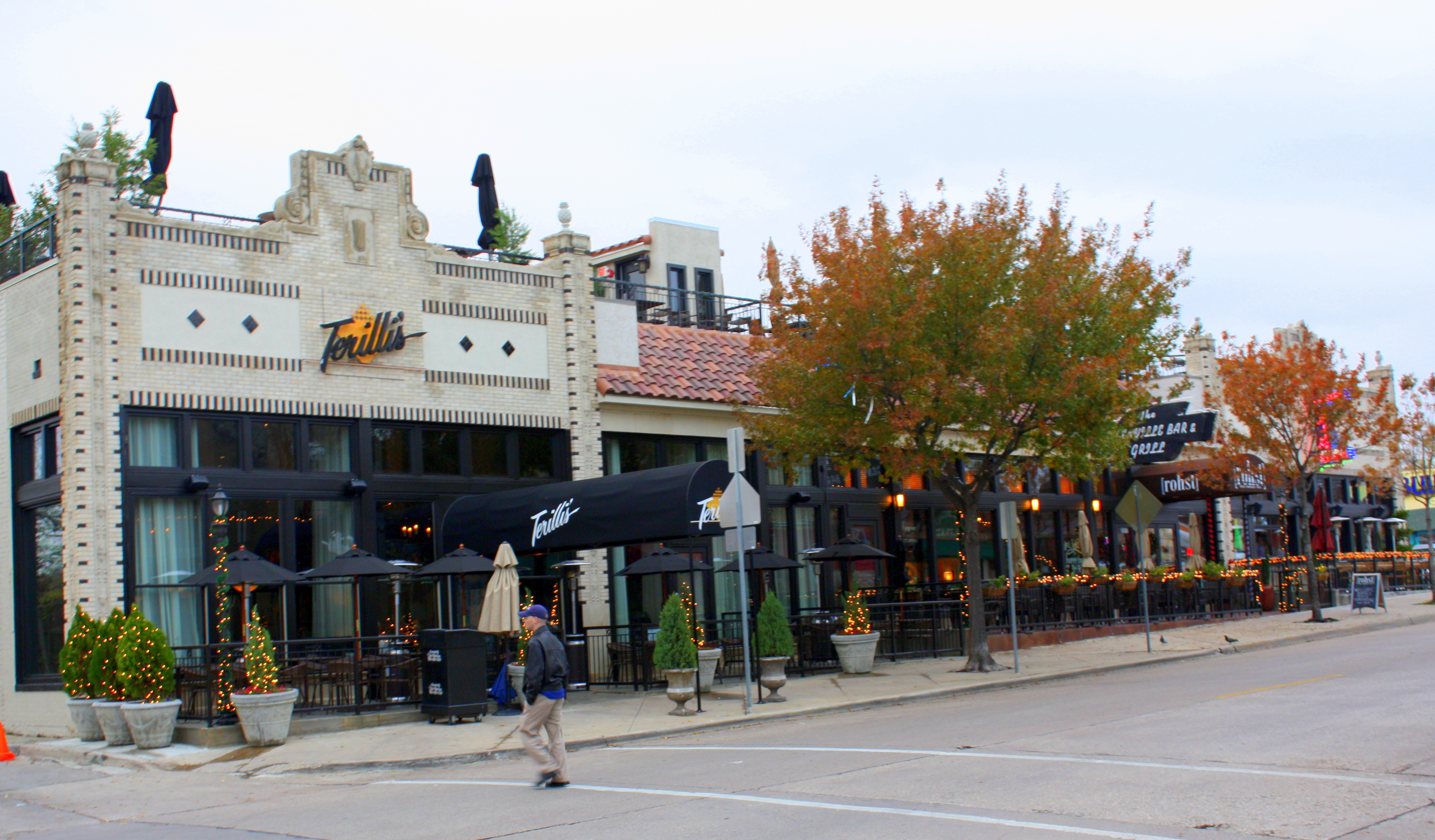
When Terilli’s Café, a longtime Greenville Avenue landmark, burned almost to the ground in the spring of 2010, its reconstruction conformed very closely to the original structure.

Terilli’s, Greenville Avenue, restored 2011

It was such a revered icon of the community that neighbors donated funds to aid a speedy reconstruction, and proceeds from charity sales were sent as relief to waitstaff members made unemployed by the disaster.

These are the kinds of landmarks that distinguish a neighborhood from just-another-complex and that make it memorable and continuously worthy of revisiting.

They’re a lesson admirably embraced in the old town centers of McKinney, Frisco, and Lewisville, but sadly lost on the suburban developers of perfectly gridded streets and look-alike intersections always populated by the same chain retailers.

And they’re a continuously available glimpse into the way we once were that helps us better understand where we’ve come from as a culture and informs where we’re next going.

Today U.S. stores are wrapping up the business of Christmas gift returns and poised to promote – with hardly a pause in between – Super Bowl party food, Valentine’s Day candy, and Easter bunny baskets.  Christmas may already be history for Americans, but in the villages along the shores of Lake Chapala the sacred season enters its third week.

Observances began on December 16 with daily Posada reenactments of Joseph and Mary’s search for a room at the inn.   Entire neighborhoods turn out to watch costumed children re-enact this timeless drama nightly through Christmas Eve, punctuated by a live nativity scene.  As in much of Latin America, observances in Mexico will continue through the twelve days of Christmas, ending on the January 6 Kings’ Day holiday.

Anyone who’s experienced Christmas in Mexico, though, will testify that it doesn’t just last longer, but often feels far more tangible.

Mexican folk art crucifixes

It’s admittedly easier to keep the fires of Christmas cheer stoked in overwhelmingly Catholic Latin America.  Within U.S. government agencies and many large corporations it’s now widely considered a faux pas to offer holiday best wishes that are a reflection of any particular religious faith. The separation between church and state in Mexico has been a pillar of governance since the Catholic church leadership ended up on the wrong side of the Mexican Revolution over a century ago, but religious icons are routinely displayed in government offices and other public places.  Can it be that Mexicans have more ably resolved the relationship between personal faith and politics than their cousins to the north?

The biggest difference between Christmas in Mexico and the U.S., though, may be the role of gift-giving.  While every U.S. holiday has long been a retail event it is only this year that I noted for the first time in Mexico extensive retail advertising for Black Friday.  It was as disheartening as first seeing not that long ago the retail assault on the venerable Dia de los Muertos observance, seeking to replace homages to departed loved ones with superhero costumes and trick-or-treat candy.

Even though American-style conspicuous consumption is simply not an option for the many, many Mexicans of modest means, the holidays here seem particularly joyous.  It’s the time of year when many Mexicans and Mexican-Americans make their sole yearly pilgrimages – often riding busses for 20 or 30 hours – to visit their Mexican relatives.  When they arrive they’re as likely as not to find two or three generations of the family still living in close proximity within their ancestral villages.  On Christmas Eve the villages seem like extended block parties as people take the edge off cool night air around curbside fires, street vendors cook at sidewalk stands, and children light firecrackers until the dawn.

Christmas is certainly what we choose to make of it, wherever we may happen to live, but Christmas in Mexico is effortlessly hospitable and universally inclusive… a truly communal experience.

Old-fashioned as it may seem, the words “Happy Holidays” just don’t seem to convey the spirituality and heartfelt sincerity implicit in holiday greetings now out of fashion, and we’re all arguable poorer for it.  How can it be lost on so many that the sentiment common to all of these greetings is a wish that the spirit of peace and harmony rekindled over each faith’s sacred holidays grace the lives of others throughout the year?

So… regardless of your religious tradition I wish you Feliz Navidad, today and every day throughout the coming year!

Dallas’s Italian grocery

When I first moved to Dallas in 1975 the boundaries of “diversity” were defined by the triumvirate of Anglos, African-Americans, and Latinos.  As in many other Sunbelt cities, the greater Dallas area is now checkered with vibrant communities of Asian and African immigrants, but  Dallas was not a significant destination for immigrations of the early 20th century that produced full-blown, self-contained communities of Italian, Greek, Jewish, Polish and Russian and other European immigrants in cities from Boston to Chicago to Baltimore.

Bryan @ Fitzhugh

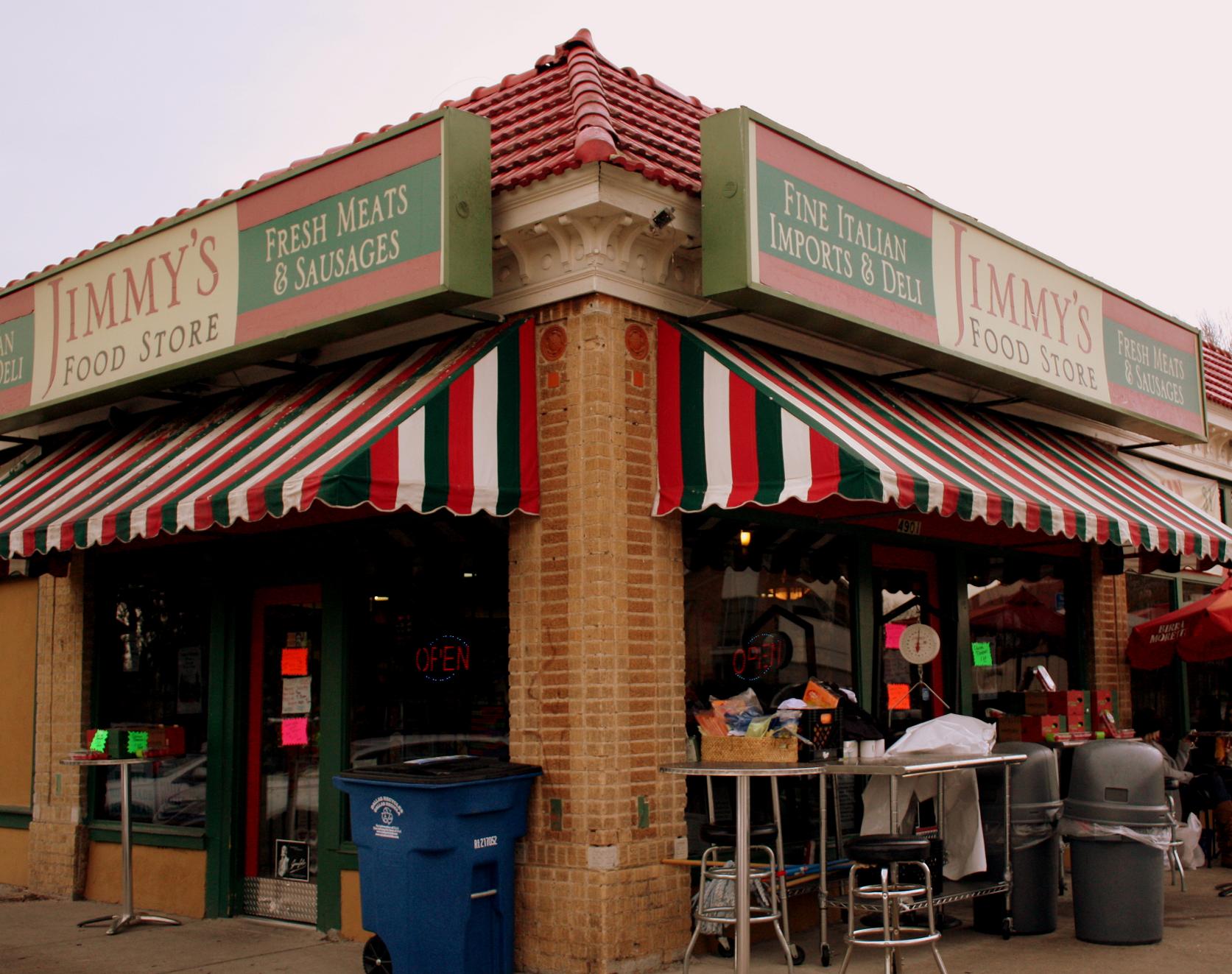
For the descendants of those European immigrants, relocation to Dallas from the large cities of the Northeast and Midwest meant severing ties with the cultural touchstones of their parents’ and grandparent’s neighborhoods.  Fortunately for Italian-Americans, one of those touchstones has been recreated at Jimmy’s Food Store on Bryan @ Fitzhugh.  http://www.jimmysfoodstore.com

The DiCarlo family has been in the grocery business in Dallas since the 1940’s and operating at its current location since 1966, but it wasn’t recast as an Italian grocery until 1977.

Fire damaged ceiling

A devastating fire in 2004 left it operating out of temporary location for more than a year, but it was back better than ever in time for the 2005 holiday season.  A few fire-damaged, embossed tin ceiling tiles and roof support timbers are part of the new structure and a constant visible reminder of the close call.

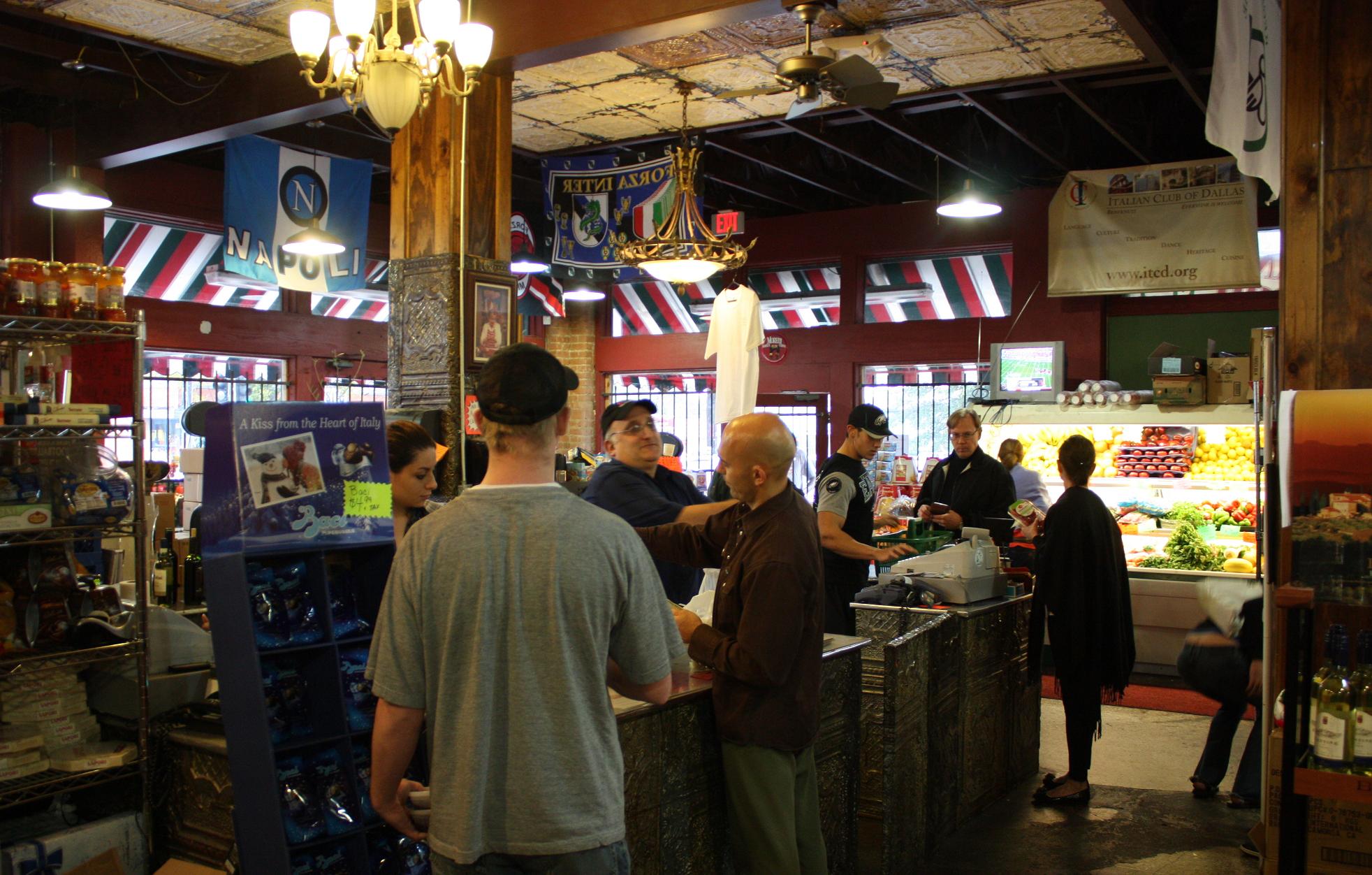
Unlike its cousins in the Northeast and Midwest, which tend to specialize in Italian foods from the regions of Italy most prominently represented in each of their cities, Jimmy’s draws on traditions from the entire spectrum of the Italian-American experience and continues to renew them with current offerings from the old country.

Too many choices!

Here exotic and colorfully packaged products, Italian soccer club flags, tantalizing aromas, and the music of Italy and Italian-American artists overwhelm the senses.

Gourmet sandwiches

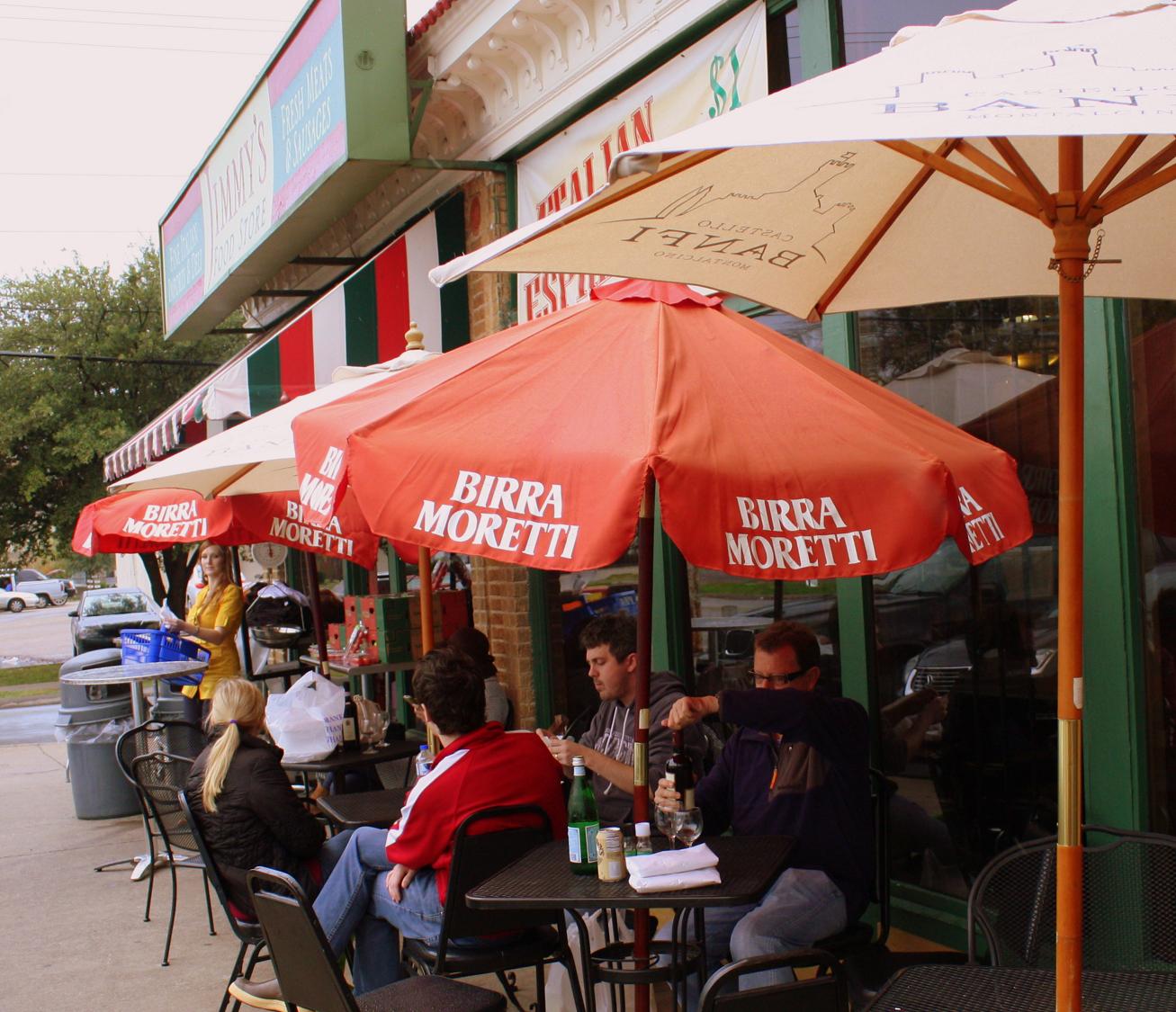
No Italian grocery would be complete without a specialty meat market.  At Jimmy’s it’s also the heart and soul of a deli business that draws devotees of made-to-order sandwiches with names like Italian Beef, Caprese/Prosciutto/Calabrese Panini, and Italian Stallion.  (Jimmy’s also makes killer Muffaletta and Cuban  sandwiches.)  You can eat them at tables right there in the store for a genuine deli experience or – weather permitting – under umbrellas at sidewalk tables.

Thirsts quenched!

Pick your beverage from a 50-foot long bank of coolers that includes alcoholic and non-alcoholic imports as well as old time soda pop favorites.

On weekdays, downtown workers make the short drive for an out-of-the-ordinary lunch.  On Saturdays the store is packed with Italian Americans and others from the suburbs seeking their Italian fix, and the people-watching is almost as entertaining as the experience of the store itself.

Jimmy’s stocks only Italian wines and the selection is so large that it’s easy to find available-nowhere-else varieties.  There are free wine tastings every Saturday afternoon and monthly paid wine tastings.

Only Italian wines


So if you’re looking for an authentic taste of Italy in Dallas, Jimmy’s is a must-do.

Mangia… e buono appetito.

Sidewalk dining


Industrial recycling of everything from grocery stores’ delivery cartons to manufacturers’ scrap metal is big business in the U.S., but household-level recycling is still for many Americans too often only a matter of local trash collection mandates or choosing “paper-or-plastic.”

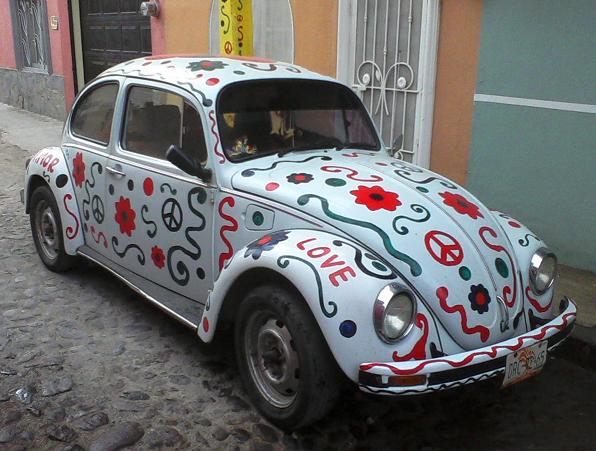
In contrast, Mexico’s recycling emphasis seems less about sorting weekly household trash and more about repairing and re-using what many Americans would label “junk”.  In fact, Mexicans seem to have more of a penchant for squeezing more utility out of just about every imaginable piece of equipment than a Cuban auto repairman nursing a 50’s-vintage Chevy into roadworthiness on the streets of Havana.

Vintage VW Mexican beetle

In Mexico it’s more likely to be the exception than the rule that “it’s cheaper to replace it than to repair it.”

While it may be tempting to attribute the differing approaches to divergent cultural perspectives and values, the truth is that both reflect a shared reality:  Ecologically sustainable practices at the household-level are far more widely embraced when they pay out immediately, meaningfully, and personally.

The paradox is that despite America’s ample public resources for clean-up and ongoing waste management – not to mention a standard of living adequate to pay the higher costs of environmentally friendly products – America lags its neighbor to the south in one important way when it comes to sustainability: Replacement is frequently more cost-effective than repair because mass production – increasingly robotic and/or offshore – drives down the cost of parts and the price of American labor often renders repairs cost-prohibitive. ‘Green’ in America is still too often about advertised perception rather than reality.

While Mexico’s globally competitive wages may be about to propel it into the ranks of the world’s top 5 auto manufacturers, the purchase of many common consumer goods remains well beyond the reach of most families.  The result is that few Mexican villages – including those of the Chapala Lakeside – lack an ample complement of repair shops in which products are continually patched for the owners’ re-use or resale by electricians, carpenters, metalworkers, leatherworkers or painters.  Owners benefit from extended lives of repaired products and an untold number of families are supported by the craftsman who have dodged the rote repetitiveness of the assembly line and instead embrace the trade guild tradition of apprenticeship to master craftsman.  Mexico’s ubiquitous repair industry has created hundreds of thousands of entrepreneurs and sustainable careers.

Organic & renewable!

If this sounds familiar it’s because it’s a model that began its American demise only after the Second World War.

There are many ways to reduce humans’ impact on the environment.  American attention has been focused on the appropriate disposal of toxic or non-degradable products, and the recycling of commodity waste into the manufacture of new goods.  In the meantime planned obsolescence and conspicuous consumption continue to lace American landfills with discarded consumer goods rendered inoperative by a single malfunctioning component.  And plastic trash is reaching epidemic proportions in underdeveloped nations which lack the resources to manage it, to produce more ecologically friendly alternatives, or to incent more responsible consumer behavior.

Unsung White Rock Creek

Rivers indelibly stamp the identities of cities like Pittsburgh, Cincinnati, St. Louis, Minneapolis, Kansas City, and New Orleans, but Texas rivers are often an urban footnote and perhaps nowhere more so than in Dallas.  Flood prone and rarely navigable, the Trinity River made it easy for railroads to become the transportation of choice for Dallas passengers and freight.  While Dallas’s Trinity River Project promises to reposition the Trinity as an urban centerpiece, the Elm Fork has been hidden from view only blocks from downtown for the better part of a century and seen by most only in passing over its bridges.

White Rock Creek runs alongside Abrams near Royal

Even more unsung among many Dallasites is White Rock Creek.  Its anonymity is curious since it’s the thread upon which so many Dallas suburbs are strung that it’s arguably the metro’s signature urban waterway.   White Rock Creek travels incognito for almost 30 southwesterly miles from its source near Frisco to feed its namesake lake in Dallas, created by a dam built in 1911.  The lake served as a primary source of city water as late as 1950 and since 1971 as the focal point of the far more widely known White Rock Marathon.  The Creek takes its name from the chalk limestone through which its path was carved over thousands of years, and which is clearly visible for much of its length.

The Creek’s obscurity is in part happenstance, as it’s often well shielded from view by the trees which line its banks. Oddly, though, none of the overpasses which carrying geometrically gridded traffic over its meandering course bear an identifying plaque.

South of the LBJ, the Creek is very publicly accessible from a hiking and biking trail that runs continuously for more than 7 miles along its course, beginning just above the lake at Mockingbird Lane and meandering northwesterly through a wooded corridor before slipping under Greenville Avenue and the North Central Expressway to end at the intersection of Hillcrest and Valley View Lane.   Along the way it’s dotted with parks and recreation areas.

Private pond White Rock Creek pond near Spring Valley and Preston

North of the LBJ, public access is limited to a handful of pocket parks stretching from Addison through Plano.  The Creek is an unmarked water obstacle where it passes through area golf courses including Gleneagles, Preston Trail, Bent Tree, Prestonwood, Northwood, and Royal Oaks.  Hidden from public view in secluded neighborhoods are private ponds created from dammed tributaries.

The effect is to create two very different White Rock Creek experiences.  One is very public and inclusive, where the Creek serves to anchor the neighborhoods that surround it as a sort of public trust.  The other is private and exclusive, where the Creek was merely another piece of real estate to be developed.

American cities are built along rivers, railroads, or highways, but watching water flow lazily between wooded banks delivers a sense of rootedness and tranquility that that’s beyond the reach of a graveled rail bed or trucks speeding down an interstate.  White Rock Creek may be unsung, but it’s hard to imagine Dallas north of the Trinity without it.