Archive for June, 2012


Barcelona beckons

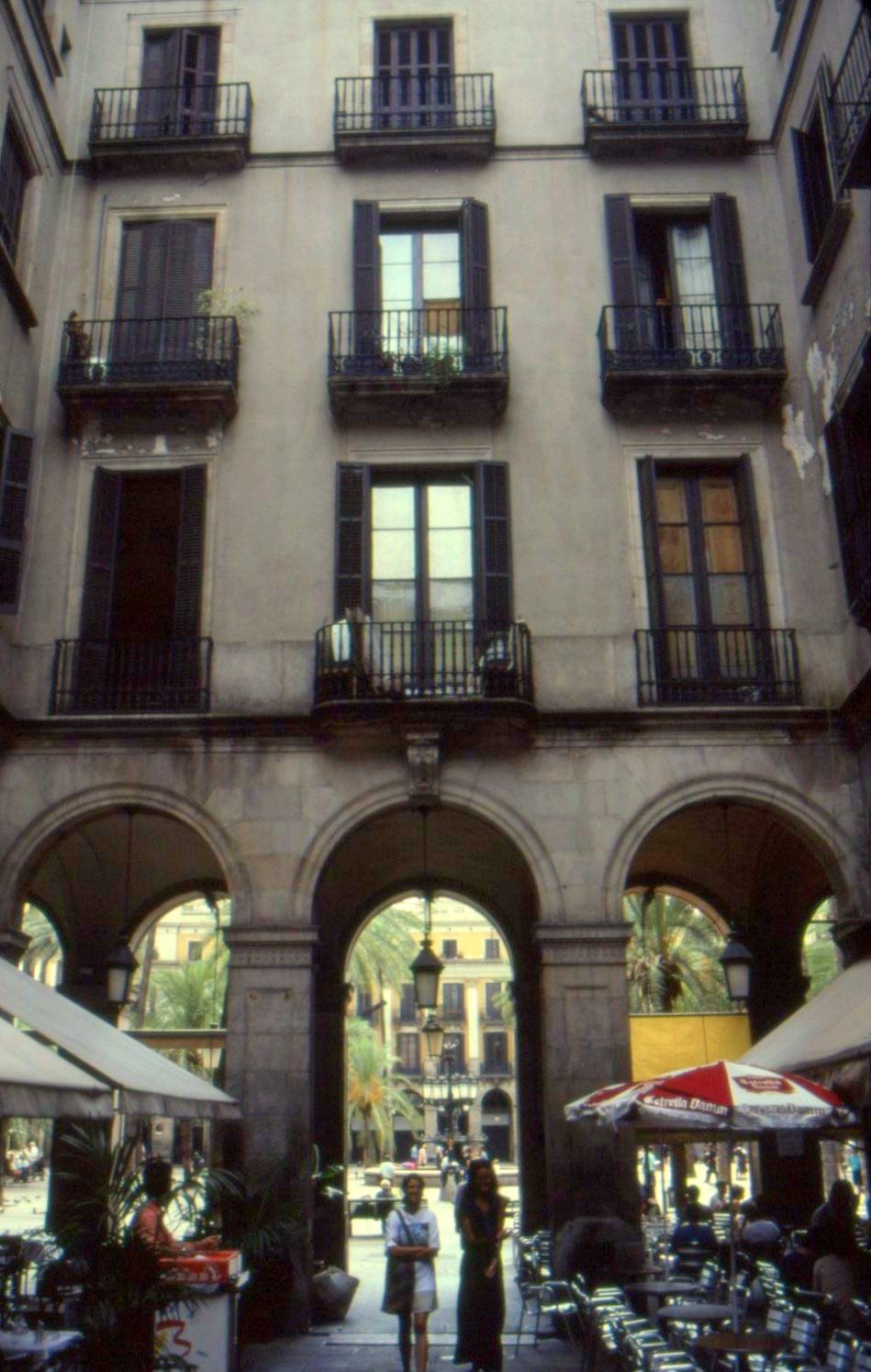
Street scene, Barcelona, Spain

I might never have seen Barcelona had a cruise to Rome not begun there, and that would have been a travel tragedy.  Barcelona is not only a different flavor of Spain and a distinctive take on Europe, but a feast of sights, sounds, and tastes that will provoke your thoughts and lift your spirits.
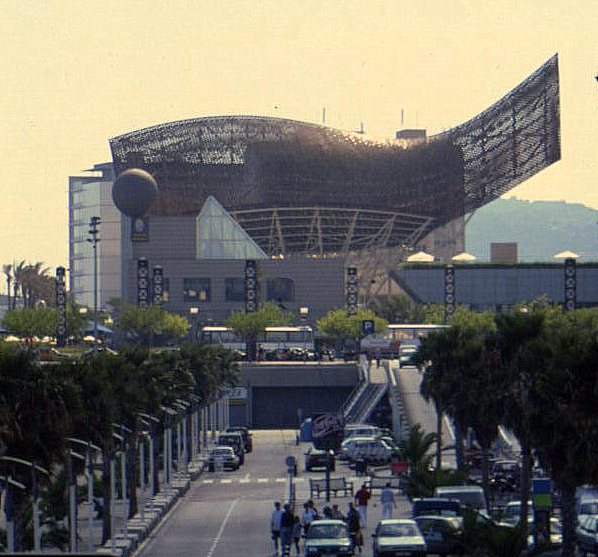
Abraham Centre, Barcelona,Spain

Barcelona is full of contrasts that will surprise and delight, beginning with a skyline dotted by grand scale sculptural architecture in cutting-edge Euro style.

Microwave tower, Barcelona, Spain

This is, after all, the birthplace of painter/sculptor Joan Miró (there’s a museum) as well as Picasso’s childhood home (you can visit it).

Beach near Port Olympic, Barcelona, Spain

The window of my high rise hotel right on the coast in the Olympic Village affords a great view of the city.
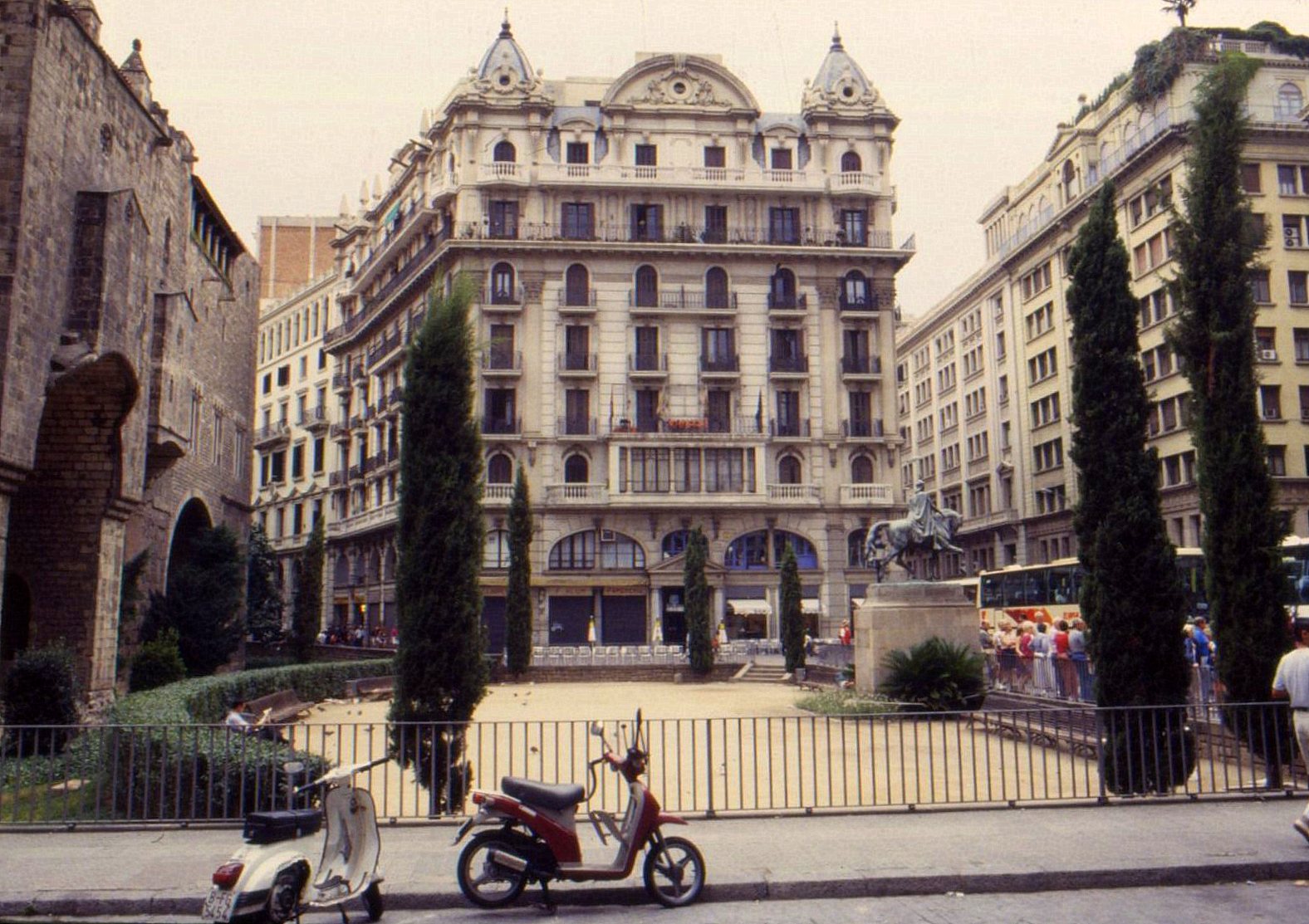
Street scene, Barcelona, Spain

Street scene, Barcelona, Spain

It is the door to a walking time machine that will take me back 1,000 years within 45 minutes.


Barcelona is a different flavor of Spain because its history as an independent Cataluña far pre-dates its Spanish nationality.


Beginning with the fall of Franco, the Catalan culture has experienced a renaissance to the extent that the Catalan language appears on maps and street signs.


The walk from the Olympic Village (’92 Summer Olympics) toward the city along the shoreline begins with a mammoth marina that’s liberally sown with seafood restaurants and bars.  (Dinner begins late here, and it’s not unusual to see a family with children sitting down to order at 10PM.)
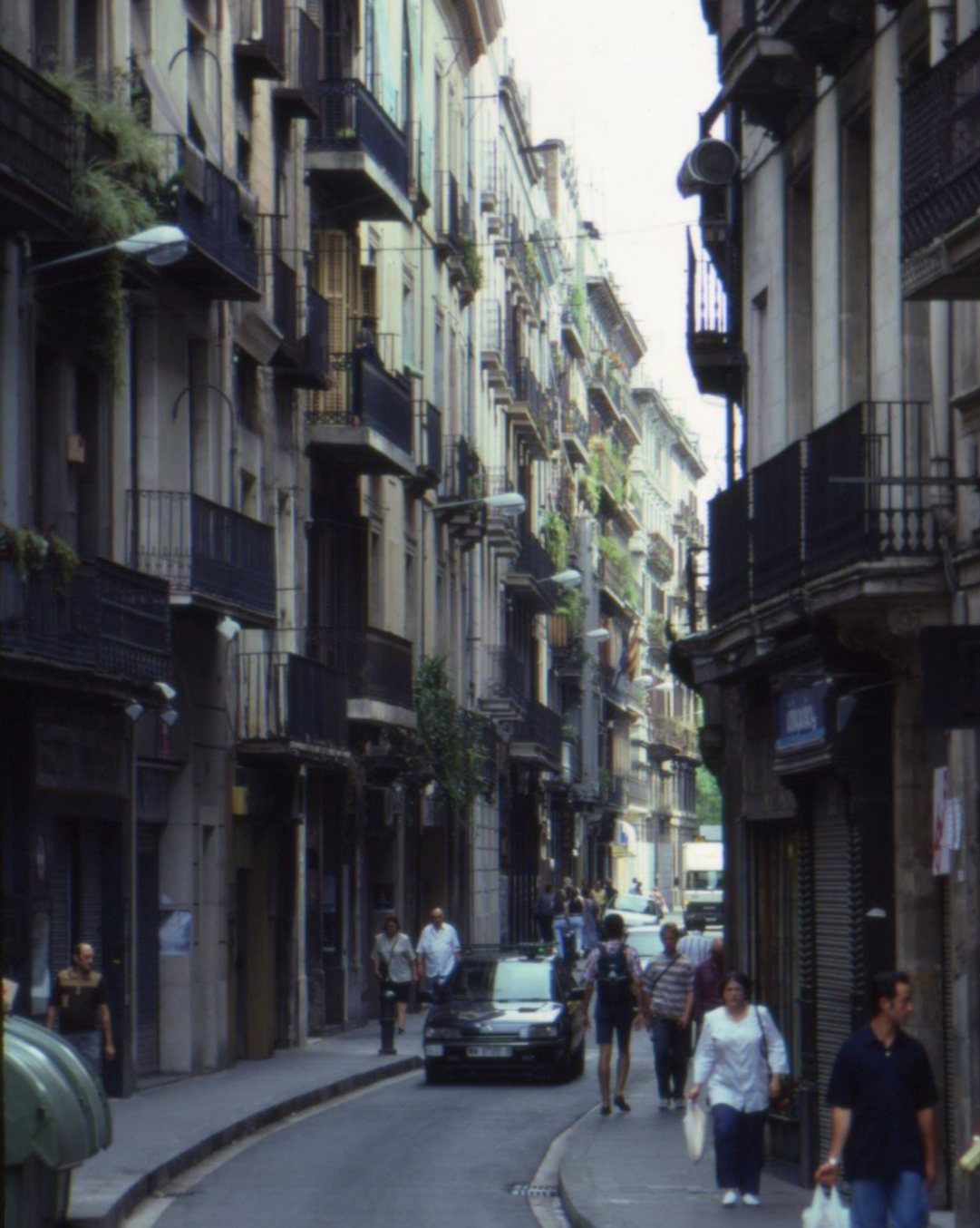
Barri Gotic, Barcelona, Spain


In the Barri Gòtic, the oldest part of Barcelona, narrow streets are scaled to pedestrians or one-horse carts and buildings for walk-up.


It’s easy to get turned around in its Byzantine street plan, but you’re never more than a few blocks from the twenty-first century.

Roman ruins, Barcelona, Spain


Barcelona is the product of cultural overlays beginning with the Greeks, Carthaginians, and Romans.

Roman ruins, Barcelona, Spain


Subsequent overlays have erased most architectural evidence of them, and the few that remain are treated like antiques under glass.

Montjuic cable car tower, Barcelona, Spain


Montjuic is a low mountain that is not only a Barcelona skyline signature, but an important milestone in the city’s past and an integral part of its present.


This large, wooded park takes its name from its centuries-old Jewish cemetery, and is home to a collection of sites well worth a visit.


Most notable are structures built for the 1929 International Exposition including the Palau Palace and the Spanish Village, a hamlet of streets each representing a different region of Spain.  It can be reached from the city center by cable cars that pass over an Eiffel-vintage tower on their way up and back.
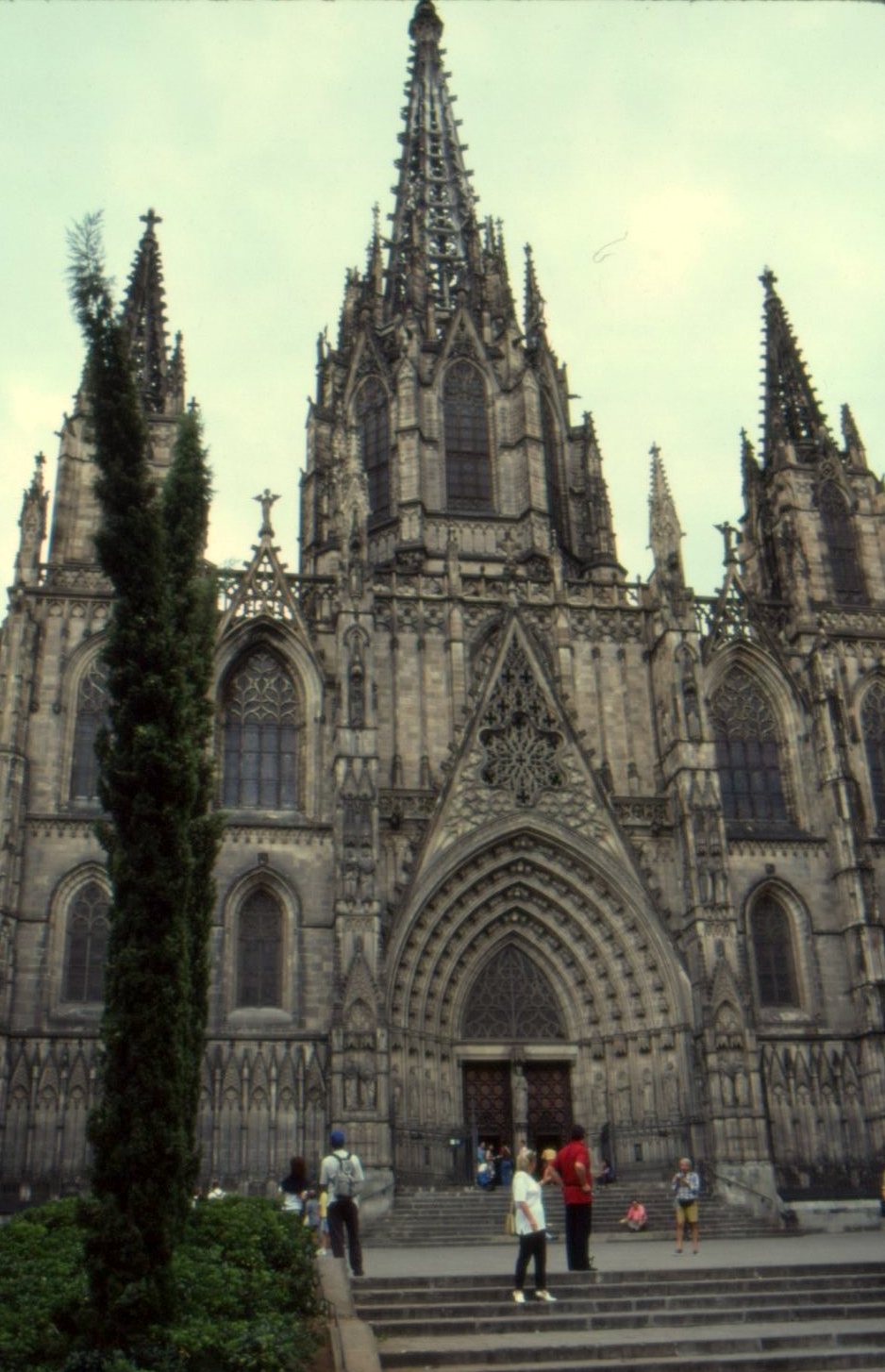
Catedral, Barcelona, Spain

Barcelona’s Catedral is a medieval masterpiece and startling contrast with the Catedral Sagrada Familia.
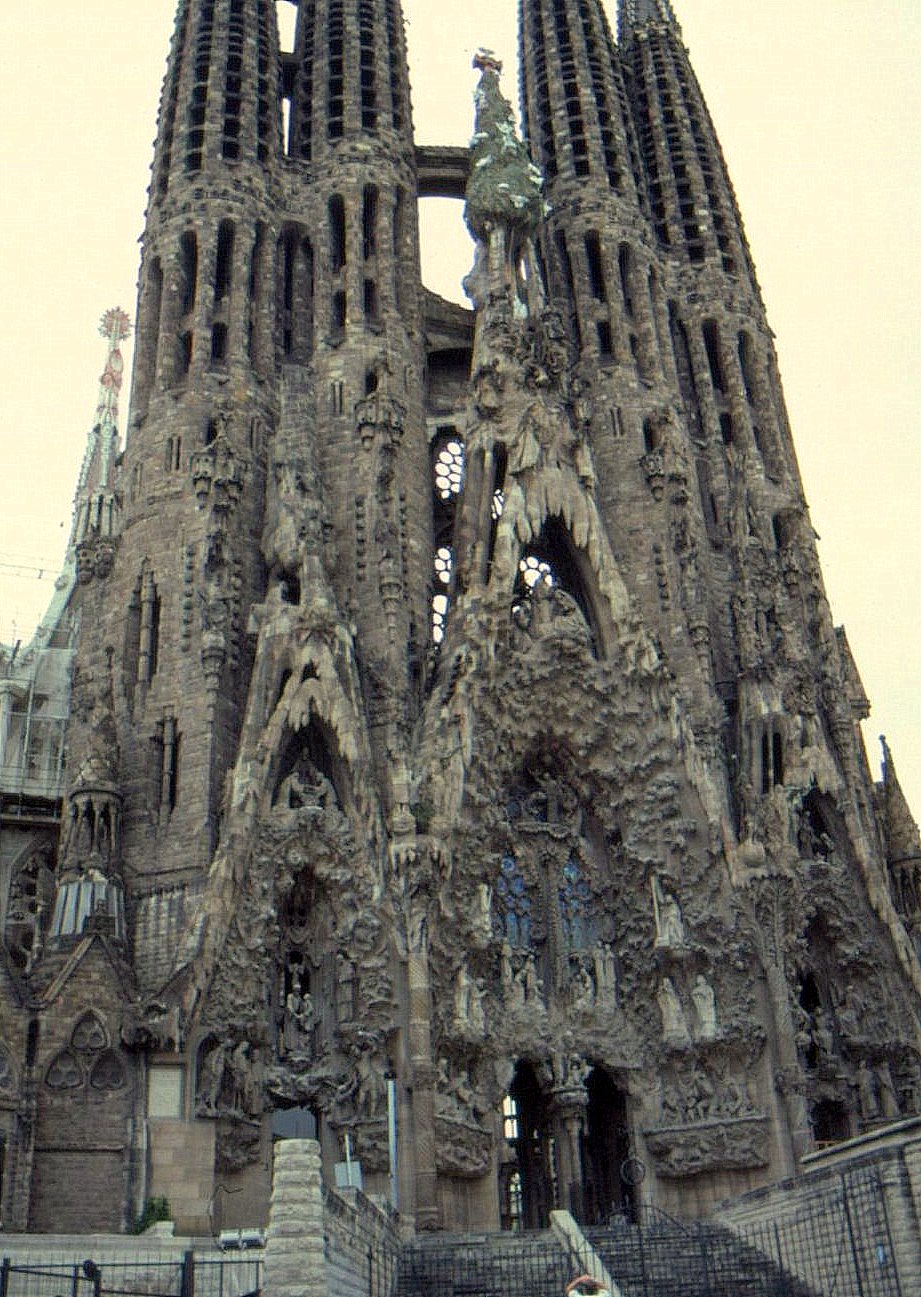
Catedral Sagrada Famillia, Barcelona, Spain
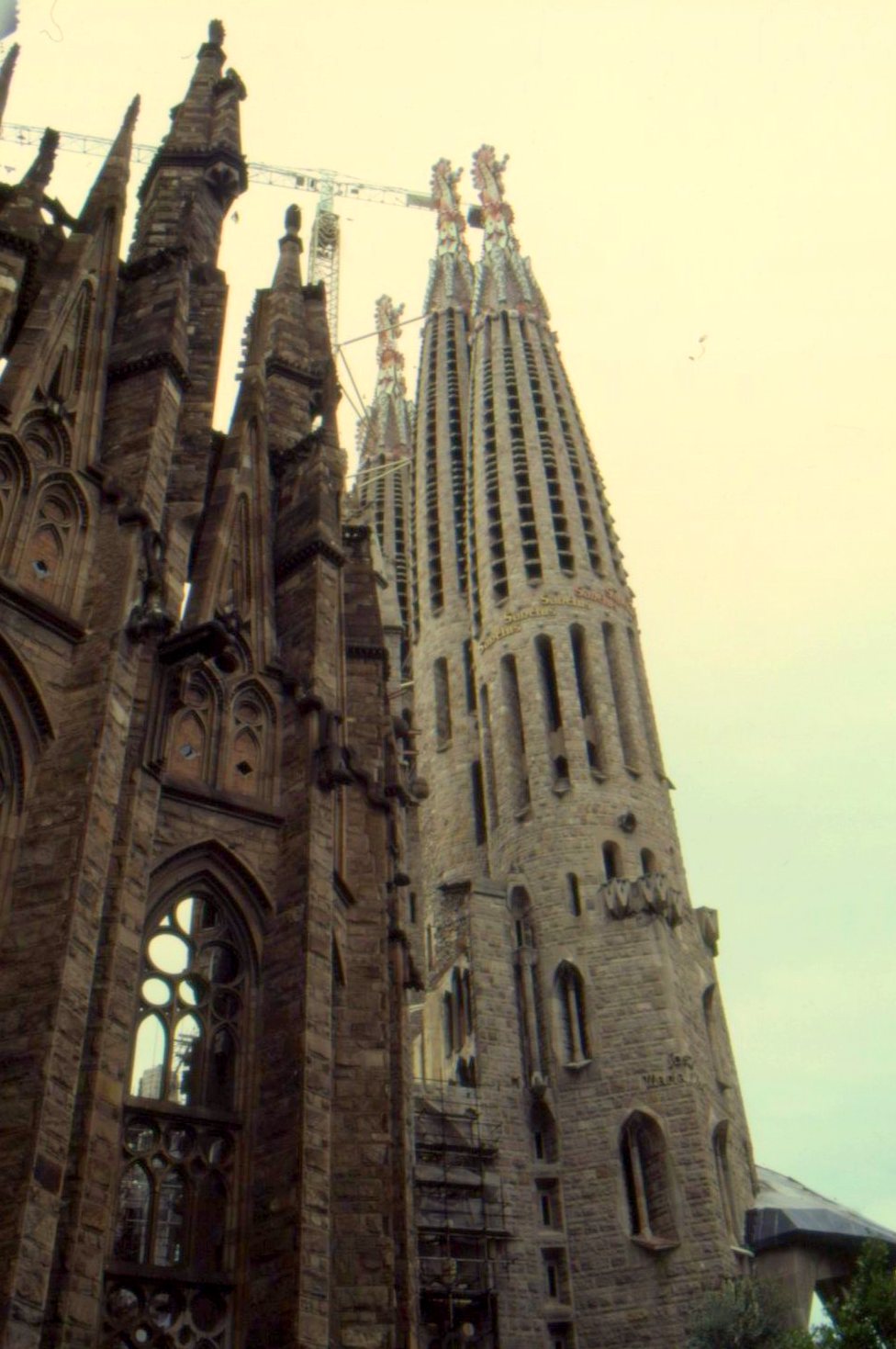


Catedral Sagrada Famillia, Barcelona, Spain


Sagrada Familia is the unfinished masterpiece of native Antoni Gaudi, whose strikingly original architecture reshaped the face of Barcelona at the turn of the last century, and it’s easily the city’s biggest single attraction.

Gaudi devotees are continuously raising money to complete it and work continues to this day.


The place is thick with tourists from Japan, where Gaudi has acquired cult status.

Gaudi’s Casa Mila, Barcelona, Spain


Gaudi’s residential architecture may be smaller in scale, but equally original and instantly identifiable.


Gaudi's Casa Batllo, Barcelona, Spain

Gaudi’s Casa Batllo, Barcelona, Spain


For anyone whose appetite for Gaudi remains unsated, his work at the Parc Güell garden complex will completely fulfill.

La Rambla, Barcelona, Spain


If Sagrada Familia is Barcelona’s heart, then La Rambla is Barcelona’s soul.


The origins of La Rambla pre-date the Roman occupation.

La Rambla, Barcelona, Spain


It’s the Champs-Elysees without auto traffic, an urban promenade that lets you crisscross the boulevard at your own pace.


Here among the throngs you’ll see mimes, street musicians, and a great slice of Barcelona life.

Mercat de la Boqueria, Barcelona, Spain


Don’t miss the Mercat de la Boqueria, a great open market in the finest European tradition where you can find everything from fish to flowers. The Mercat fronts on La Rambla.

Mercat de la Boqueria, Barcelona, Spain

Mercat de la Boqueria, Barcelona, Spain


You haven’t experienced Spain unless you’ve had jamon Serrano.


Great historical and cultural sites, and engaging coastal setting, and delectable dishes make Barcelona a lot of bang for a single port-of-call, and it will lead you to agree that Barcelona IS the most European of Spanish cities.

Tomorrow I travel into the Pyrynees to the magical monastery of Montserrat.  Click here to come along!
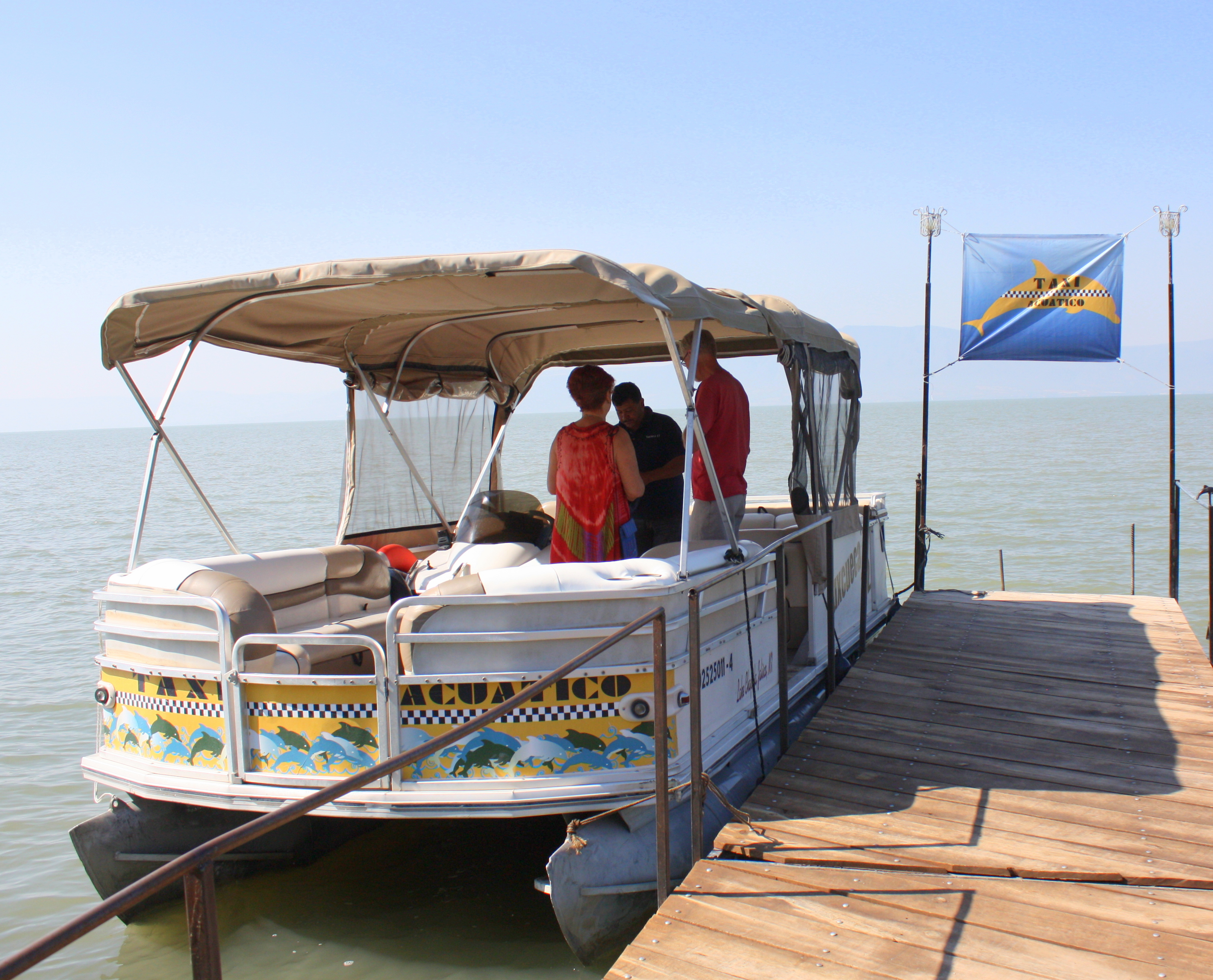
 

Ferry departs from the Ajijic pier

All that I saw of San Luis Soyatlan on my first visit there nearly 8 years ago was the flower-bedecked cemetery that caught my eye just as the day was drawing to a close and I was about to turn back to Ajijic.

I ran out of daylight before I ran out of town, promising myself to return one day to finish the visit, but the recent start of ferry service from the Ajijic Pier gave me an irresistible new way to keep that promise.

Ajijic Pier

A block away from the pier on Colon I grab a latte from La Prensa Francesa, and within half an hour we’re pulling away from the pier.

The boat is easily spacious and comfortable enough for the trip of under an hour.  I watch the pier recede in our wake.

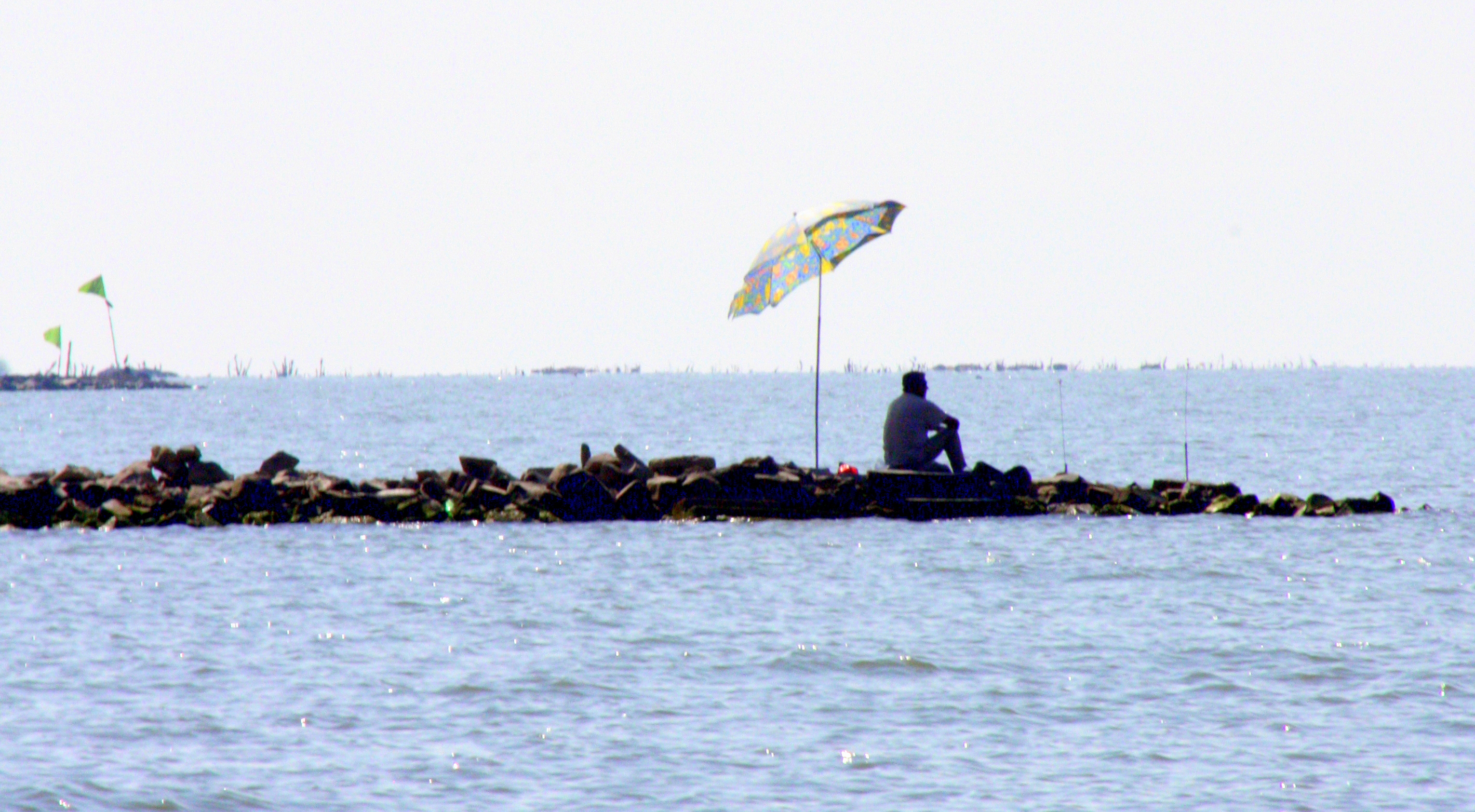
Out on the water the fishermen are already well into their day.

Pulling in the net on Lake Chapala

There’s often a mirage-like quality to things seen from this vantage point.

Fisherman on Lake Chapala

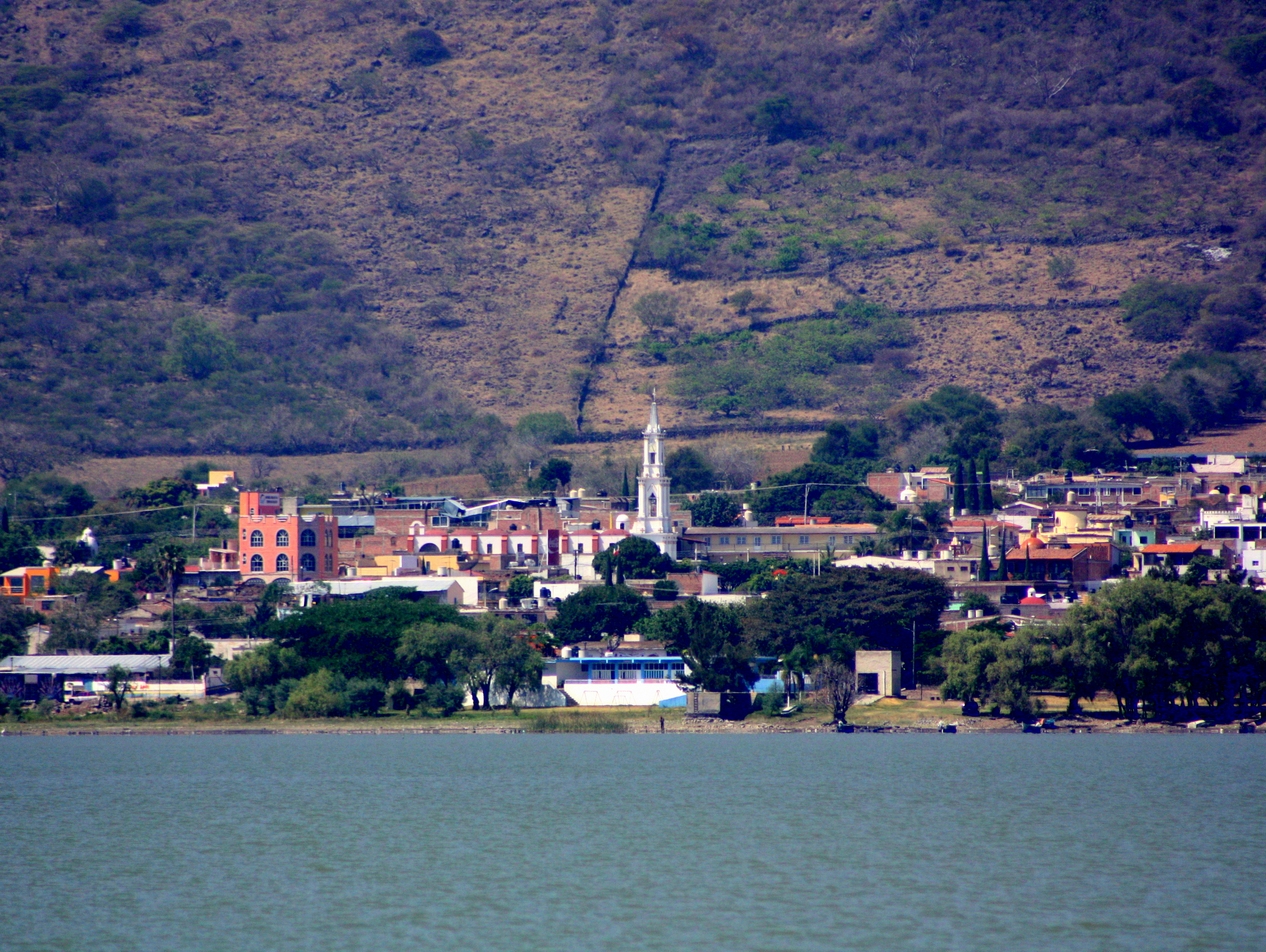
As the opposite shore draws nearer the towering campanario of the parroquia first takes shape, and then the village gathered around it. Behind it the mountain grows to cover the entire horizon.

San Luis Soyatlan from Lake Chapala

Street scene, San Luis Soyatlan

I set out for myself as soon as we land just west of town, mapless but following two time-tested rules:  (1) Follow the shoreline whenever possible, and (2) always go toward the campanario.

The shoreline path winds along an expansive lakeside park with lots of picnic tables and groomed trails.

As the campanario looms larger I turn toward the mountain and within a couple of blocks reach the coast road.

Frutas y verduras, San Luis Soyatlan

Clustered along this part of the highway are neighborhood tiendas and tacquerias that give way to homes as I approach the campanario and the plaza which must certainly be below it.

A family business, San Luis Soyatlan

Street scene, San Luis Soyatlan


This place feels to be about the same size as San Juan Cosala on the opposite shore – I’d guess under 2,500 persons – and just like San Juan is stretched along a narrow strip that clutches the coastline.

This place also feels like Jocotopec… a working agricultural town devoid of Tapatios on holiday or expat retirees.

The Plaza is classic. It’s bordered on one side by the coast road, framed by buildings of substance, and located directly across from the campanario.

Plaza, San Luis Soyatlan

Plaza, San Luis Soyatlan

Plaza, San Luis Soyatlan

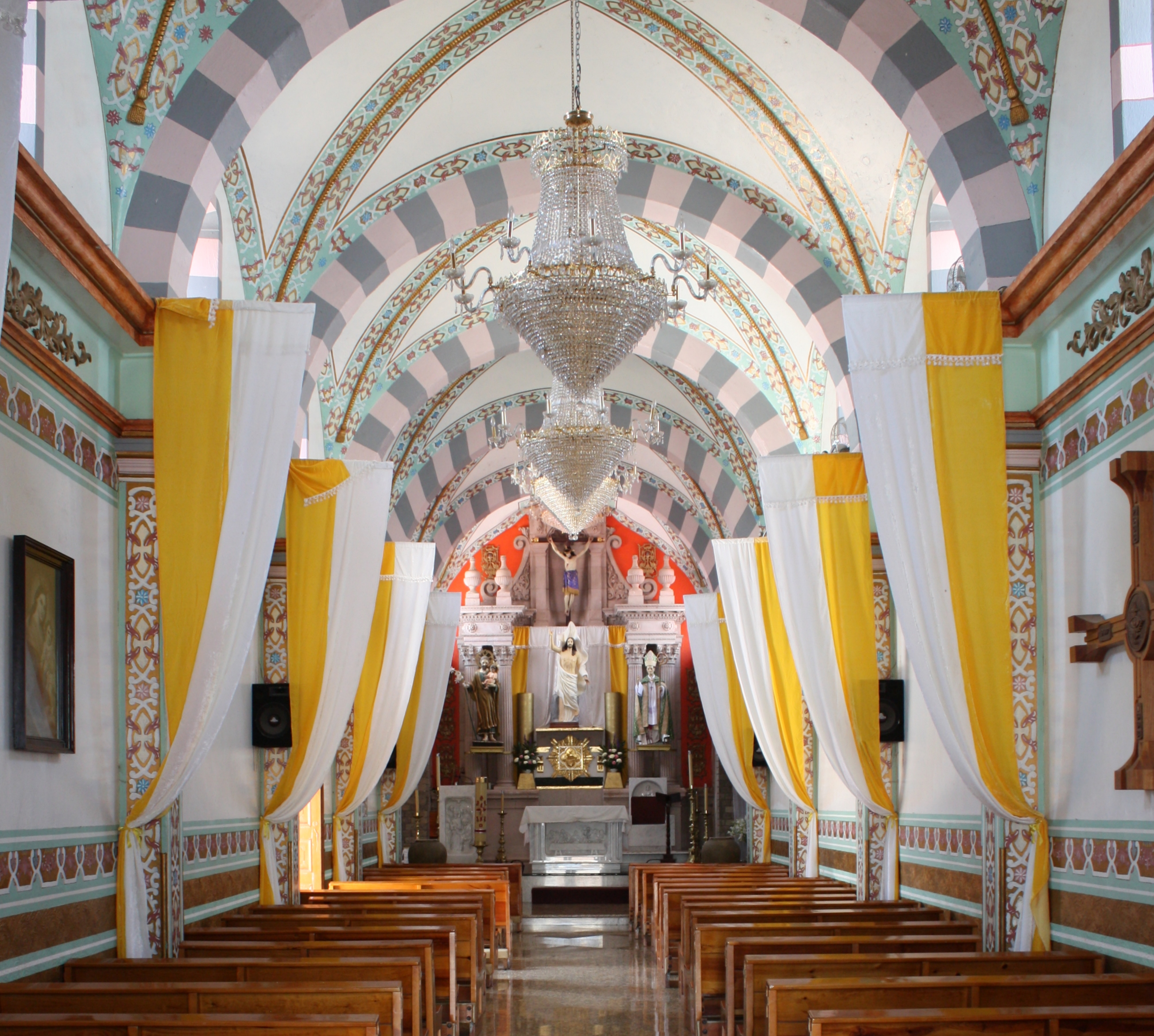
I’m always struck by the way in which every Mexican neighborhood builds out the age-old Catholic Church footprint in a distinct reflection of its own unique image.

On that count this one does not disappoint.

Parroquia, San Luis Soyatlan

Parroquia, San Luis Soyatlan

Parroquia, San Luis Soyatlan

Only a few blocks from the Plaza I stumble upon the Posada Los Crotos, an intimately-sized hotel with an impressive restaurant. I wish I’d found it sooner, because a thorough walk of the town and a leisurely lunch will barely allow enough time to make it back to the ferry before its departure!
Posada Los Crotos, San Luis Soyatlan

Posada Los Crotos, San Luis Soyatlan

I return to the ferry along back streets.

Street scene, San Luis Soyatlan

Street scene, San Luis Soyatlan


As the returning boat approaches Ajijic I study the town from this new perspective. I think to myself: THIS is the definitive postcard from Ajijic…

Ajijic from Lake Chapala

Surf Texas!

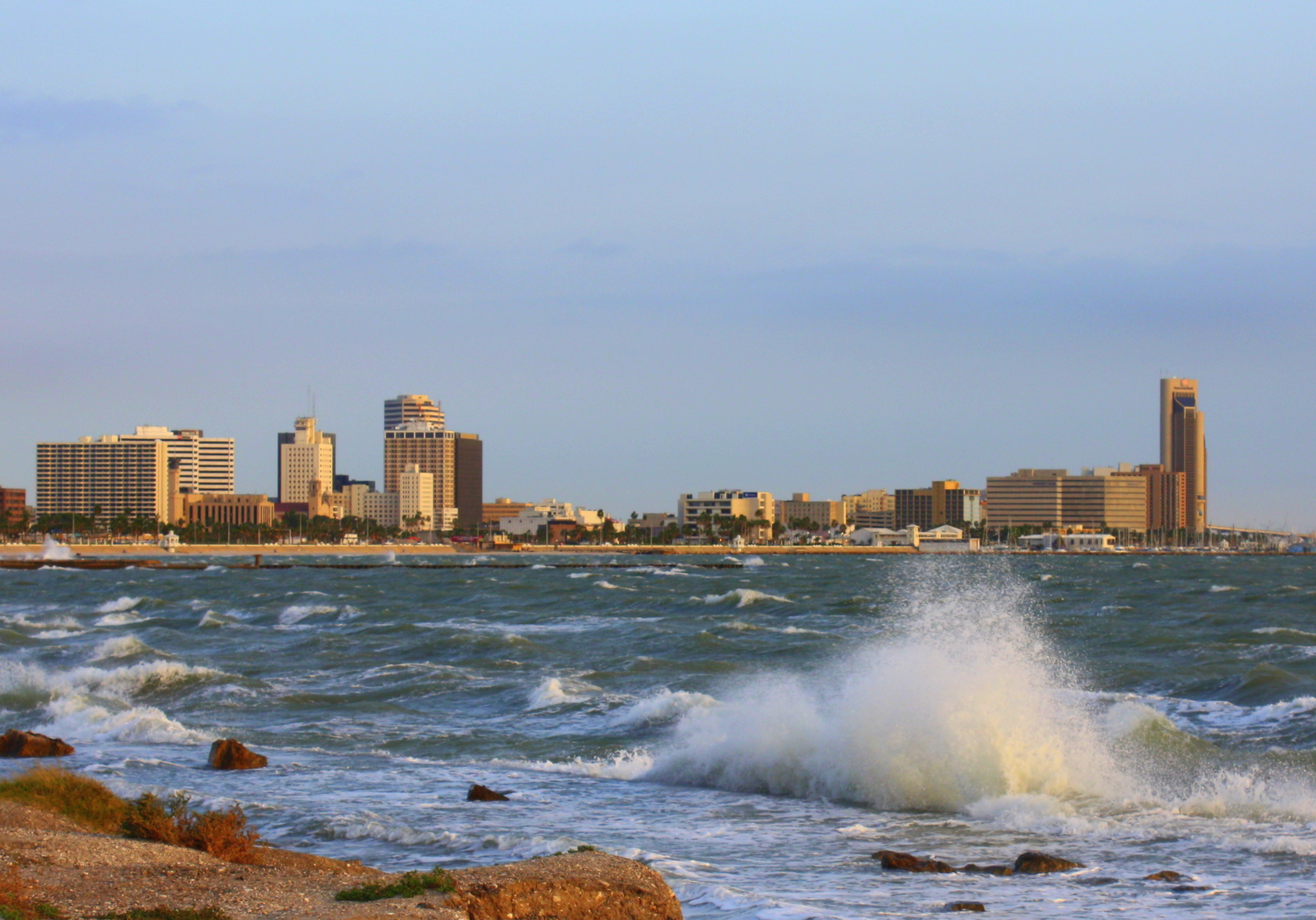
Corpus Christ bayfront

The biggest of many surprises when I first came to Texas was Corpus Christi.  It is, after all, not often that the words “beach” and “Texas” are spoken in the same sentence outside the state.

No matter how many outside stereotypes it may up-end, though, Corpus Christi is quintessentially Texan.

Corpus Christi marina

Corpus was once on my regular travel circuit, but it had been years since my last visit when I arrived on this trip.

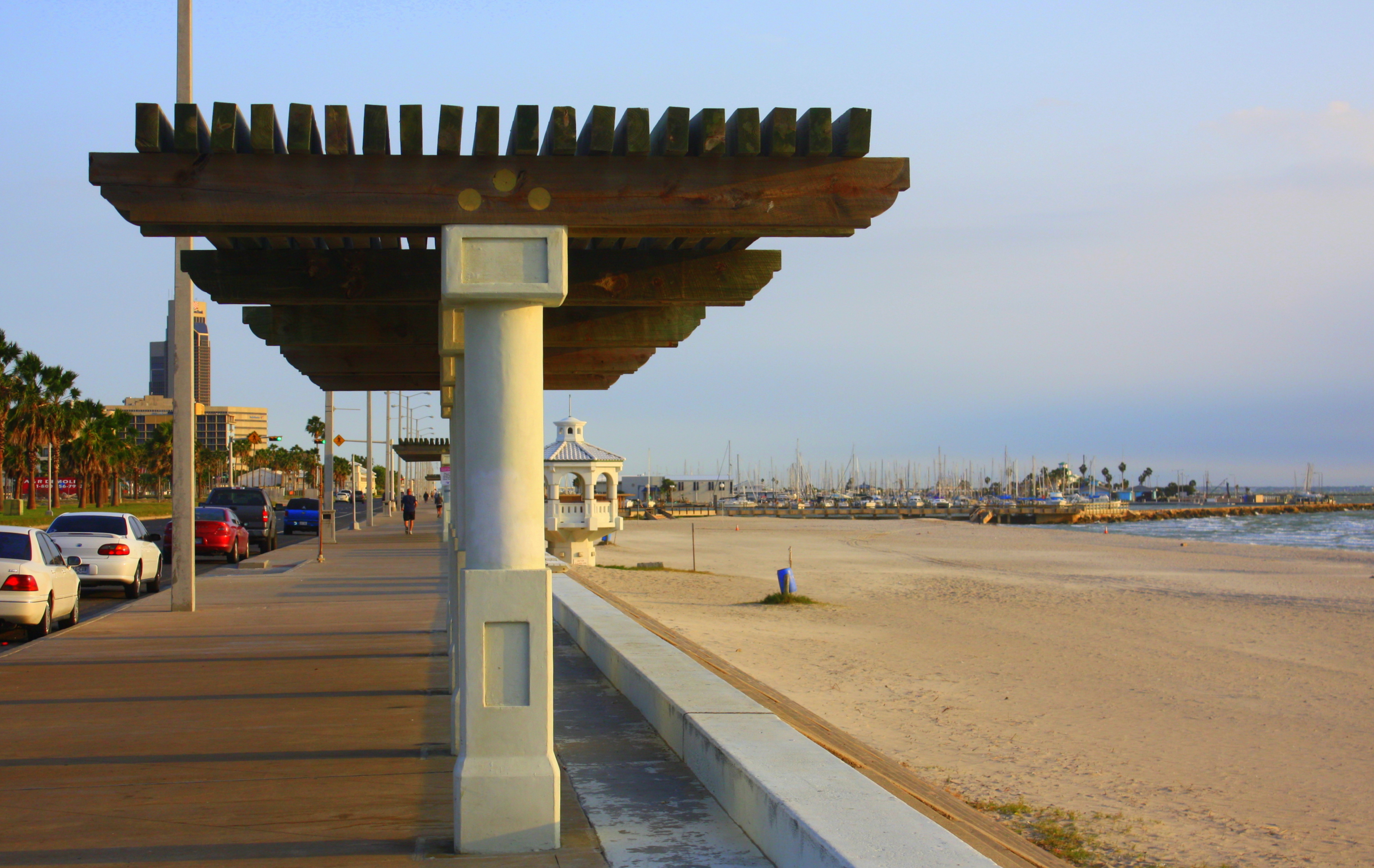
Corpus Christi seawaal

The first thing I notice is that the city has since not only acquired a skyline, but has razed blocks of old and unsightly buildings that once faced the bay.

Statue on Corpus Christi seawall

I could cut here to photos of magnificent sunrises over seashell-strewn beaches and there’s no lack of them within a 20 minute drive.

To reduce Corpus Christi to a stretch of sand and sea horizon, though, ignores some of the best part of the experience.

The city is wrapped around Corpus Christi Bay, sheltered from the Gulf by the northern end of Padre Island.

Corpus Christ bayfront parasailor

Here the Gulf has a distinctly Tex-Mex flavor, and the town exudes the same warmth and hospitality which seems to characterize all of South Texas (see my related post on San Antonio’s King William District).


A publicly accessible bayfront stretches more than 6 miles from the Convention Center to Swanter Park, passing through several other parks along the way.


It’s a magnet for walkers, joggers, and cyclists and a great way to begin any day.


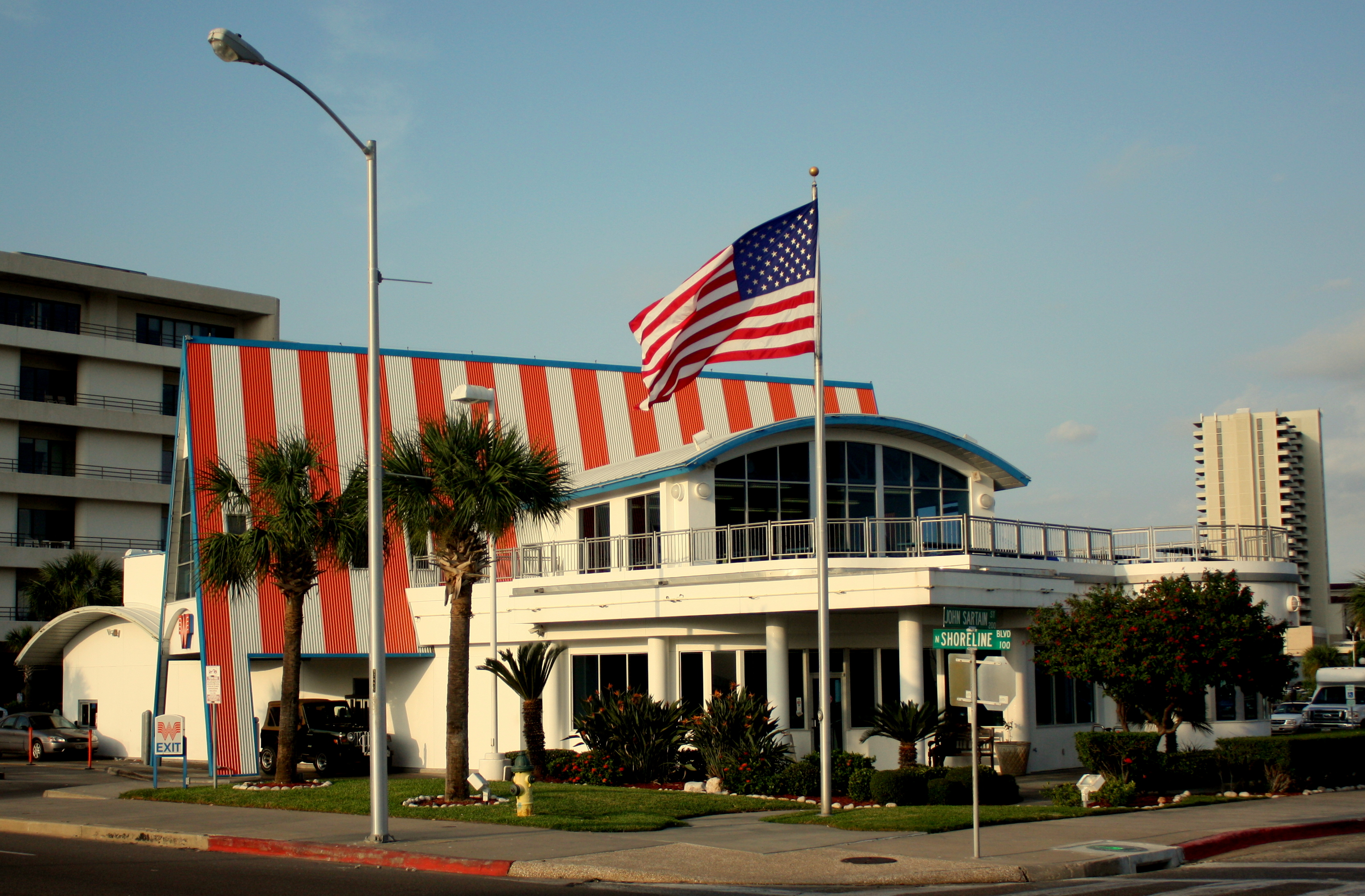
World’s largest Whataburger, in the city where the chain was born


South Texas Music Hall of Fame, Corpus Christi

I turn away from the bay on Water Street and stumble upon an eclectic collection of sights that in combination could be located absolutely nowhere else.


The statue of Tejana music star Selena on the seawall is only one of many places where residents and fans pay homage.
Her star is among those on the South Texas Music Walk of Fame, which highlights other musical notables who were either born or lived in South Texas.


Selena memorial, Corpus Christi seawall

Selena memorial, Corpus Christi seawall

Some of the better known include Freddie Fender, Guy Clark, Selena, Christopher Cross, Kris Kristofferson, Rusty Weir, Doug Sahm, and Bill Haley.

More about it here.


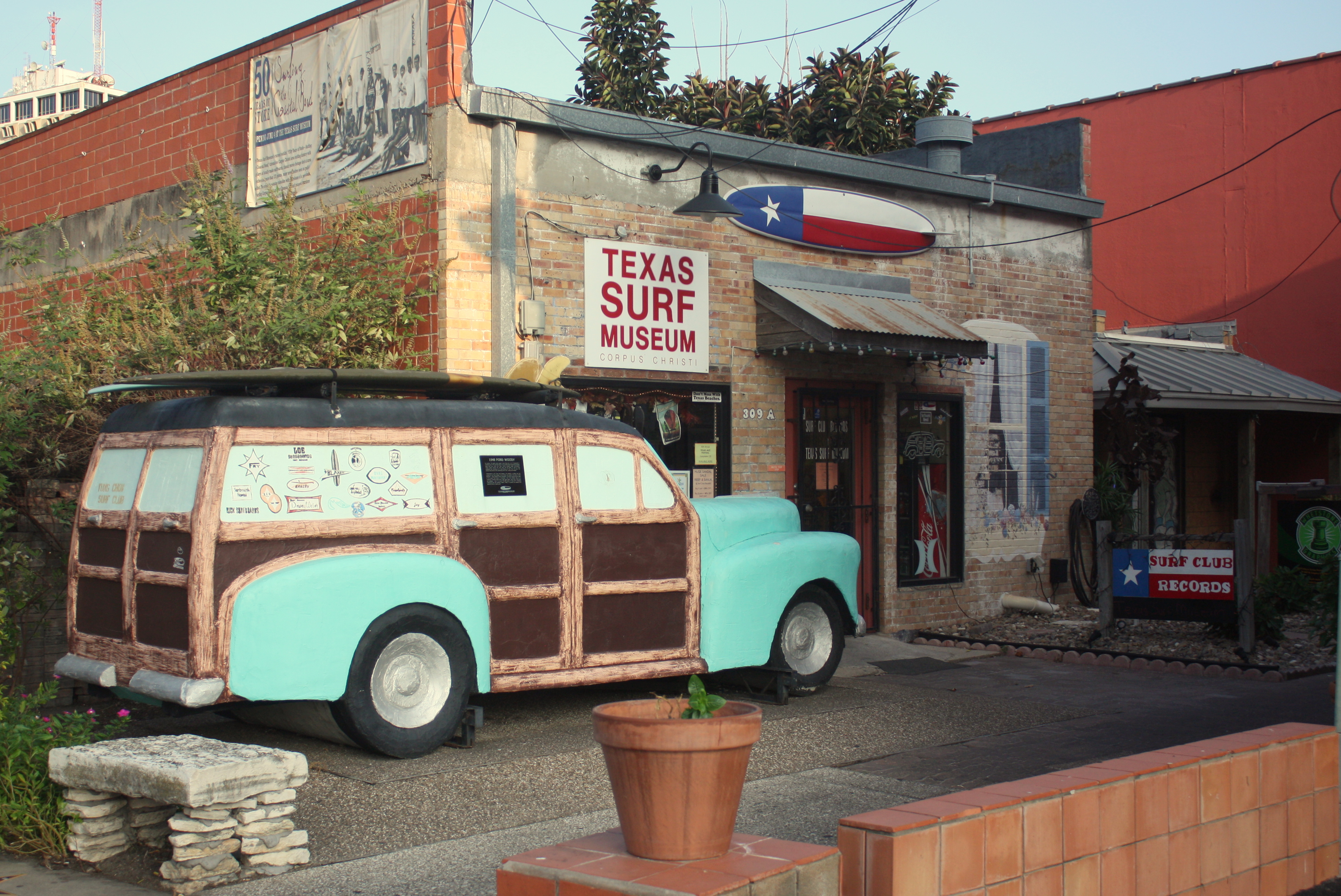
Texas Surf Museum, Corpus Christi

Whether you’re a surfer or not, The Texas Surf Museum is great fun in a kitschsy sort of way. It’ll leave you humming ’60’s California surf tunes for the rest of the day!

More about it here.


Next door I find a great latte at Coffee Waves. I add it to my collection of “anywhere but Starbucks” coffeehouses!
Just over the Nueces River bridge sits the aircraft carrier USS Lexington, now a floating museum.

USS Lexington, Corpus Christi

Mess hall kitchen, USS Lexington, Corpus Christi

There’s enough hardware on this vessel – planes, engines, compressors, pumps, gauges, switches and dials – to keep any war buff or engineer mesmerized for weeks, but I found the living quarters far more engaging.

Crew’s quarters, USS Lexington, Corpus Christi

As I roamed this part of the ship I had a very palpable sense of the many who had lived aboard the Lex during its 48 years of service.
More about it here.


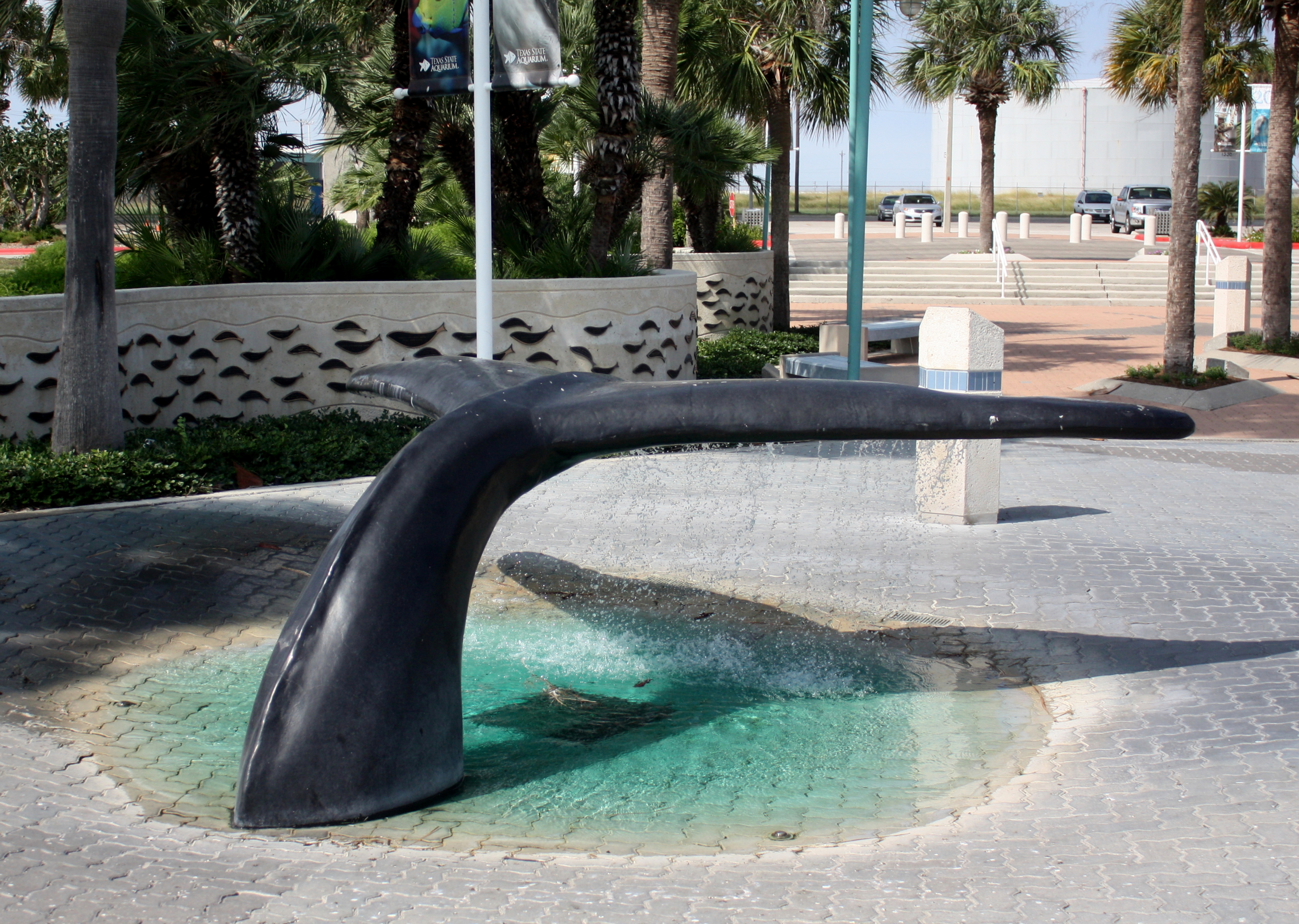
Just a stone’s throw from the Lex is the Texas State Aquarium. It may not be the world’s largest or most ostentatious, but it contains sea and shore life painstakingly selected only from species native to Texas.

Texas State Aquarium, Corpus Christi

Texas State Aquarium, Corpus Christi


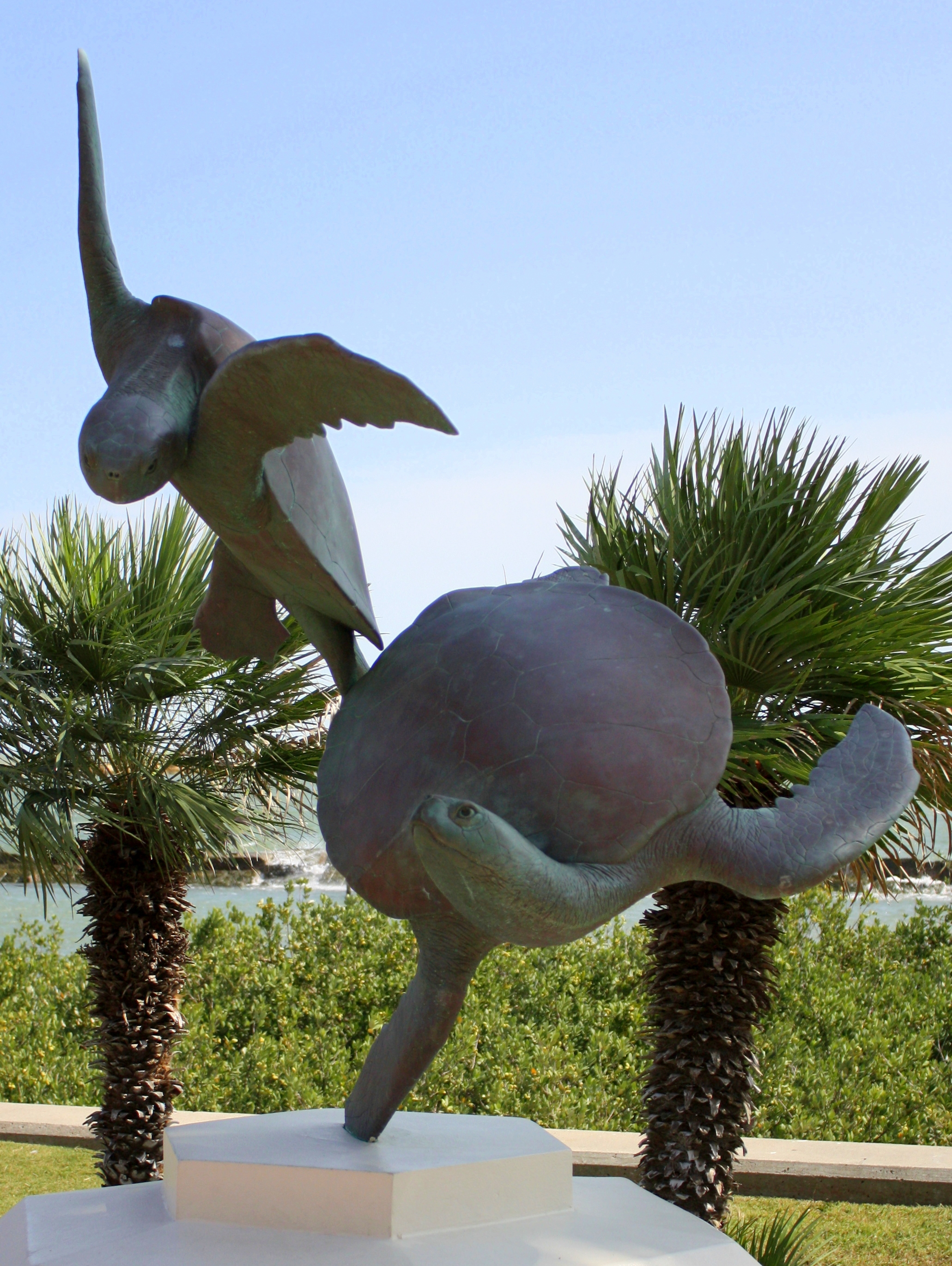
Some great sculptures mark the entrance, and anyone with kids in tow will be glad to know that even here they’ll find the obligatory porpoise show.

More about it here.

I find myself on more than one evening – including my final night – having dinner just a couple of blocks from the seawall at the City Diner & Oyster Bar.  The atmosphere is classic 40’s diner, the service is friendly, the prices reasonable, and the food outstanding.  Like many popular local eateries, City Diner has no web site, but more information, including reviews, can be found here on Yelp.

I cross the river bridge for the last time.  Below me an oil tanker passes through the channel and oil rigs dot the sea horizon.  As I head northward I’m startled by a sight I never expected to see:  A wind farm stretches for miles, hundreds of vanes stirring in the breezes.  Texas is nothing if not a place of contradictions!

Wind farm just outside of Corpus Christi

Fish market in Zapopan, Guadalajara

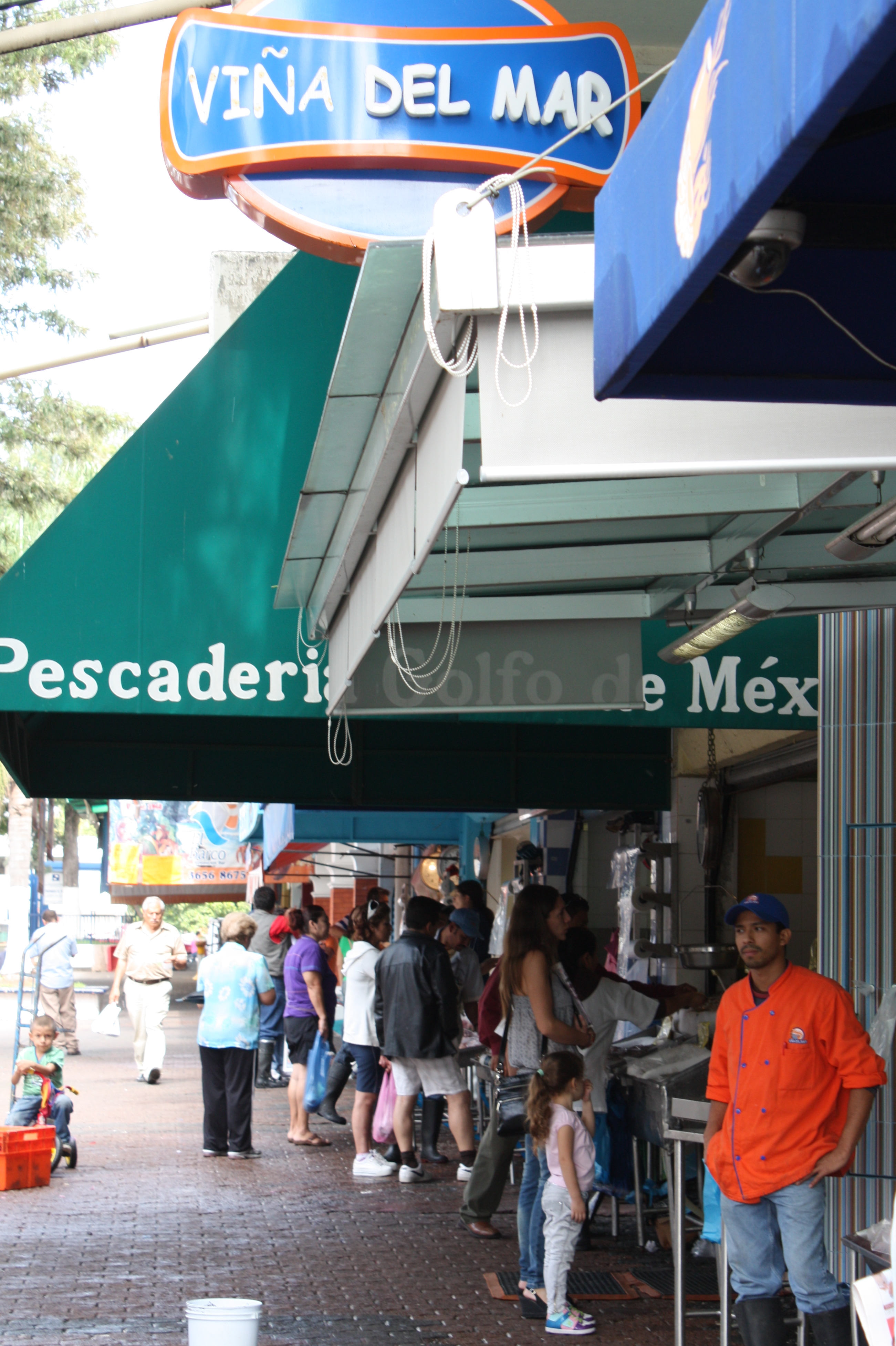
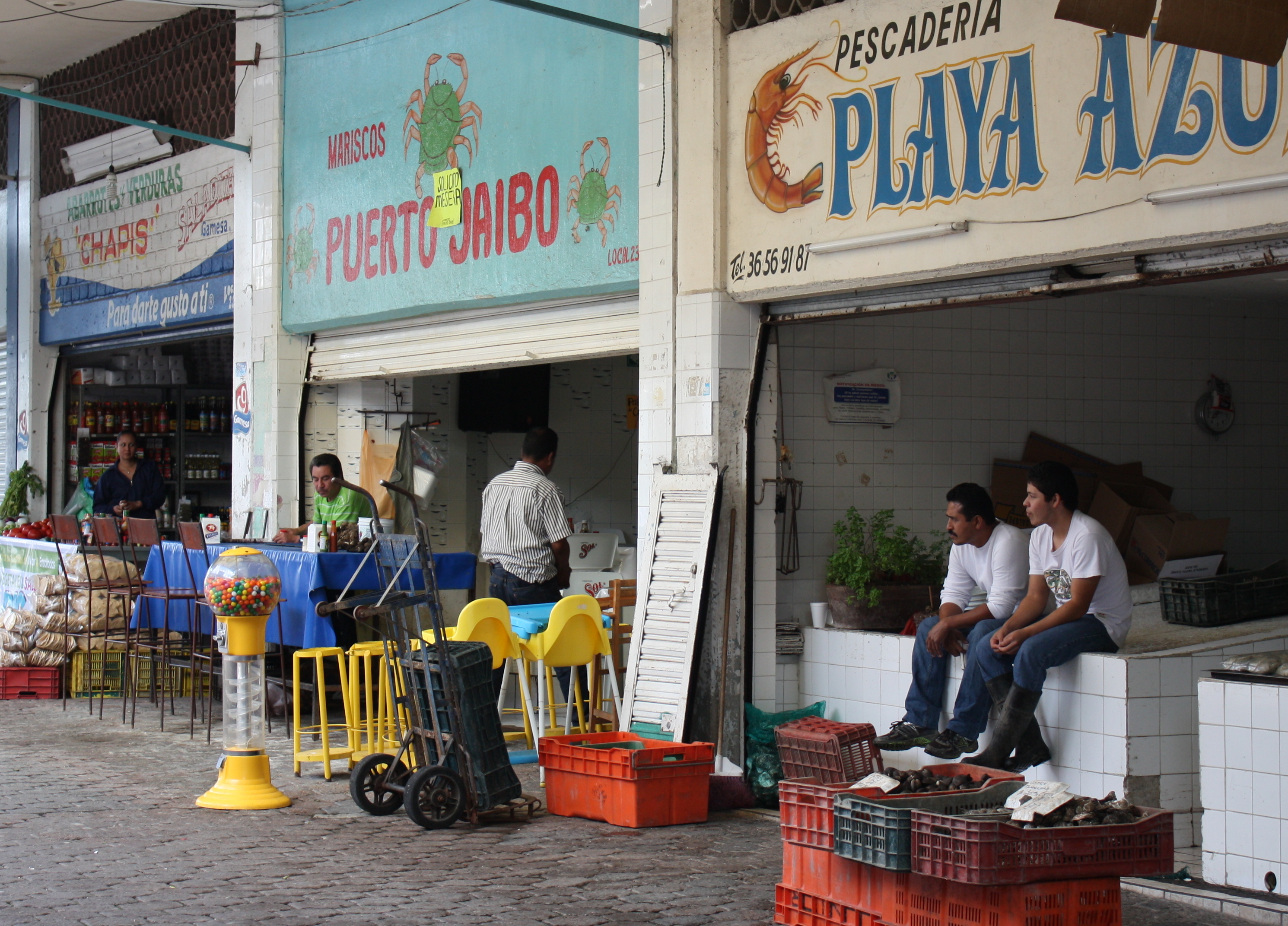
The half day drive to Puerto Vallarta or Manzanillo puts the bounty of the Pacific Ocean within easy reach of Guadalajara, and nowhere is this abundance as evident as at the Mercado del Mar in the Zapopan section.

Fish market in Zapopan, Guadalajara


Here restaurant chefs and housewives browse more than a city block of pescaderias and seafood restaurants that compare well with anything to be found in Boston or San Francisco… except for the price!

Fish market in Zapopan, Guadalajara


As at any fresh seafood market, the best picks are available early in the morning, but shops are still well-stocked when I arrive before noon.

Fish market in Zapopan, Guadalajara


There are nearly 50 seafood vendors and half a dozen seafood restaurants from which to choose, and sifting through the choices is at least half the fun.


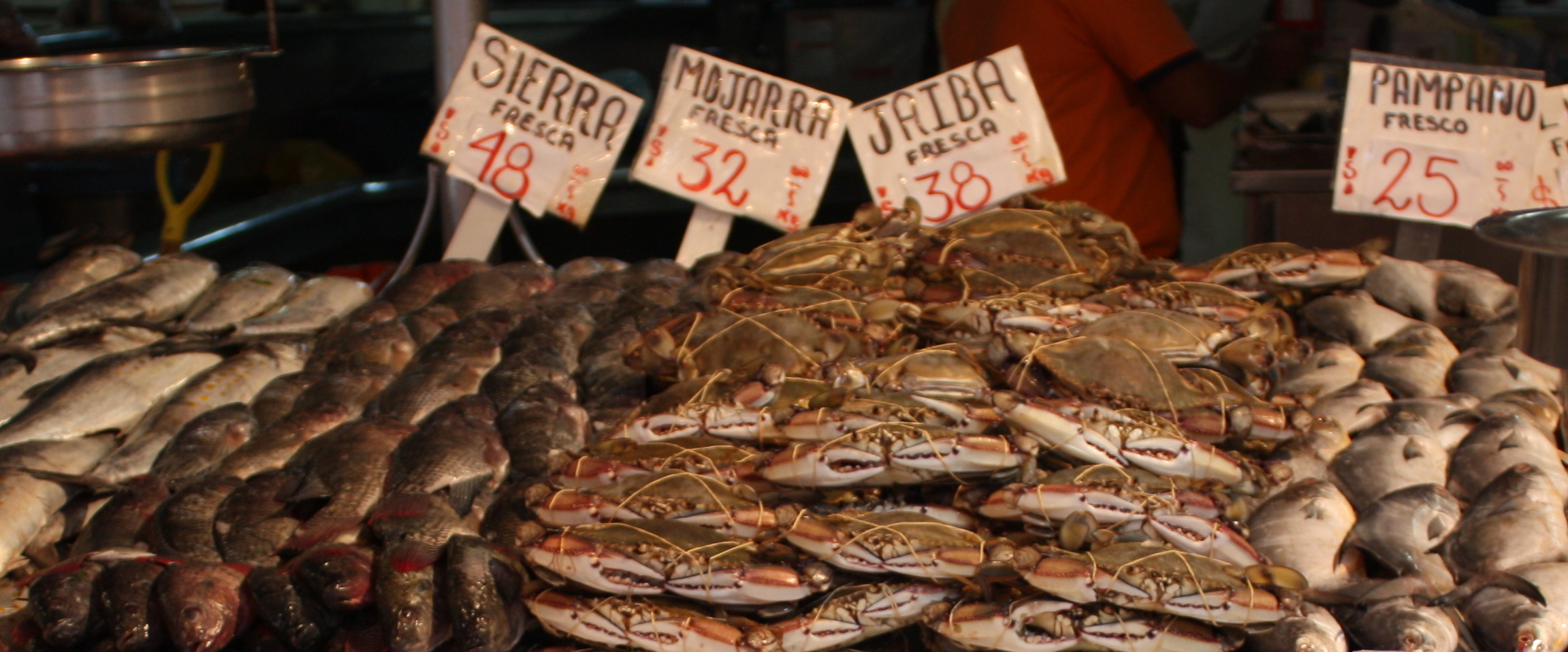
There are plenty of fish that shoppers from north of the border will recognize even if their Mexican names are unfamiliar, but there are also plenty of local varieties that beg to be tasted.

Fish market in Zapopan, Guadalajara


There’s not much English spoken here, but most of the shop owners will gladly explain their products at the slightest prompting.

Fish market in Zapopan, Guadalajara

Fish market in Zapopan, Guadalajara


The breadth of selection is staggering, and there seems to be something in almost every color of the rainbow.


Fishmongers expertly carve out filets and deftly shuck oysters.


Fish market in Zapopan, Guadalajara

Fish market in Zapopan, Guadalajara


The ceviche is about as good and fresh as any you’ll find anywhere without a beach in sight.


Get there from the Periferico on the northwest side.  Exit Avenida Los Laureles toward the city and drive less than two miles to its intersection with Avenida Piño Suarez.  The market is two blocks to the left.


Remember to take an ice chest.  In fact, remember to take two, because some of the best stuff is not even on your shopping list!


Mercado del Mar has a web site which lists all of the seafood shops and restaurants (go to the Locatarios page), and as you scroll over each name more information – including individual web sites for many merchants – displays in the lower right hand corner. http://www.mercadodelmar.com/

Fish market in Zapopan, Guadalajara


If you’re uncomfortable with Guadalajara traffic, one of the Mercado del Mar merchants has opened a location just west of Ajijic on the Carretera  in the Plaza La Huerta.  I’ve found it to be among the best at Lakeside.


Buen provecho!


For more about the Guadalajara open market experience, see my related post Guadalajara’s Mercado Libertad