Archive for January, 2013


Andromeda Gardens Barbados 01What happens when a traditional English garden is infused with a big dose of the tropics?

Andromeda Gardens Barbados 02


The answer is Barbados’ Andromeda Botanic Gardens, and you don’t have to be a horticulturist to appreciate the beauty of this six acre tropical garden in St. Joseph Parish overlooking the island’s ruggedly scenic east coast.

Andromeda Gardens Barbados 03

The garden was started as a private plant collection around the home of local horticulturist Iris Bannochie in 1954.

Andromeda Gardens Barbados 04First opened to the public during a ‘70’s fund raising event, the garden has ever since remained open to the public, and Mrs. Bannochie later willed it to the Barbados National Trust, which now manages it.

Andromeda Gardens Barbados 05Here there are over 600 different species of plants including native banyan, more than 60 different species of palm, cacti, and ferns set among pools and waterfalls fed by a stream that flows through the property.

Andromeda Gardens Barbados 06At the heart of this botanical wonderland, though, are its startlingly brilliant and inventively shaped flowers.

Andromeda Gardens Barbados 07

Gardening enthusiasts will doubtless recognize many of them, an amazing number of which are varieties of orchids so unlike each other that it’s hard to believe that they’re all of the same species.

Andromeda Gardens Barbados 08

For garden-challenged people like me, it’s enough to wander the garden and take in its beauty without benefit of much introduction, and each of the pictures here is certainly worth a thousand words!


Andromeda Gardens Barbados 09

Andromeda Gardens Barbados 10

Andromeda Gardens Barbados 11

Andromeda Gardens Barbados 13

Andromeda Gardens Barbados 14


There’s more on my visit to Barbados here:


Redeeming works

Santa Cruz de la Soledad is less than 4 kilometers east of Chapala, but by many measures it’s separated from Chapala by light years.  It sits back from the coastline, connected to a string of even more remote villages by a road that seems to shrink as it unravels, seemingly a road to nowhere.

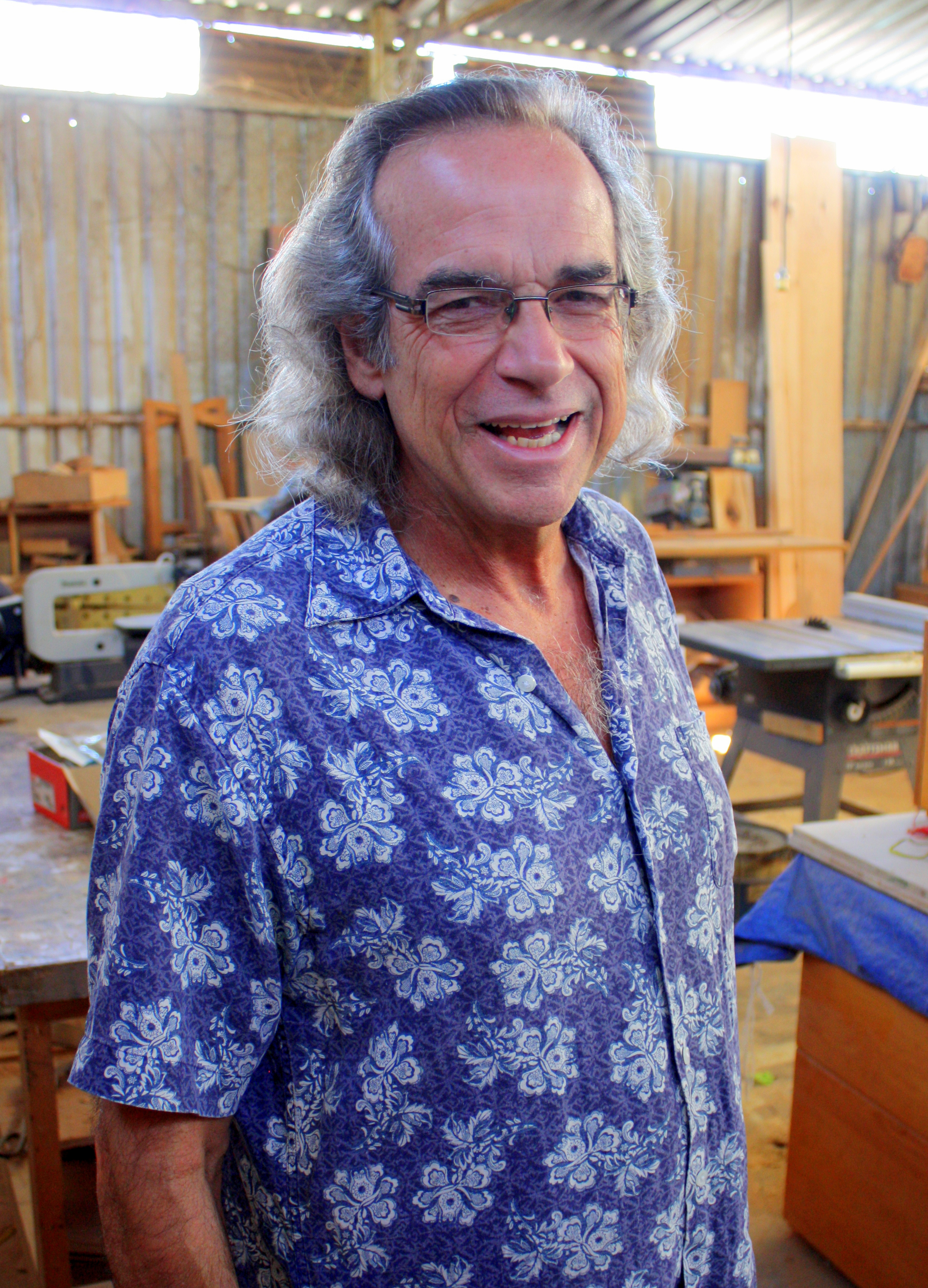
Alberto in the carpentry shop:  Contagious enthusiasm

Alberto in the carpentry shop: Contagious enthusiasm

The villagers here have fished or farmed for generations, but these days more of Santa Cruz’s 1,700 souls farm maiz, calabasas, and frijoles than fish the lake.

It’s not a lucrative occupation, and it only takes a quick walk through the village streets to confirm that prosperity has largely passed this place over.

I’m here with my Cuban-American friend Alberto to see in action a program that teaches carpentry skills to at-risk youth, and which he has helped to jump-start.
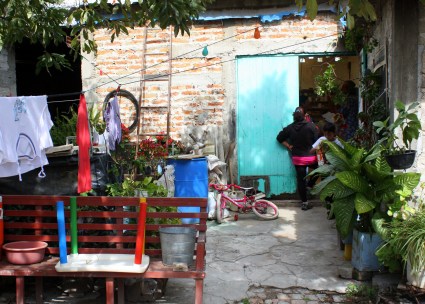
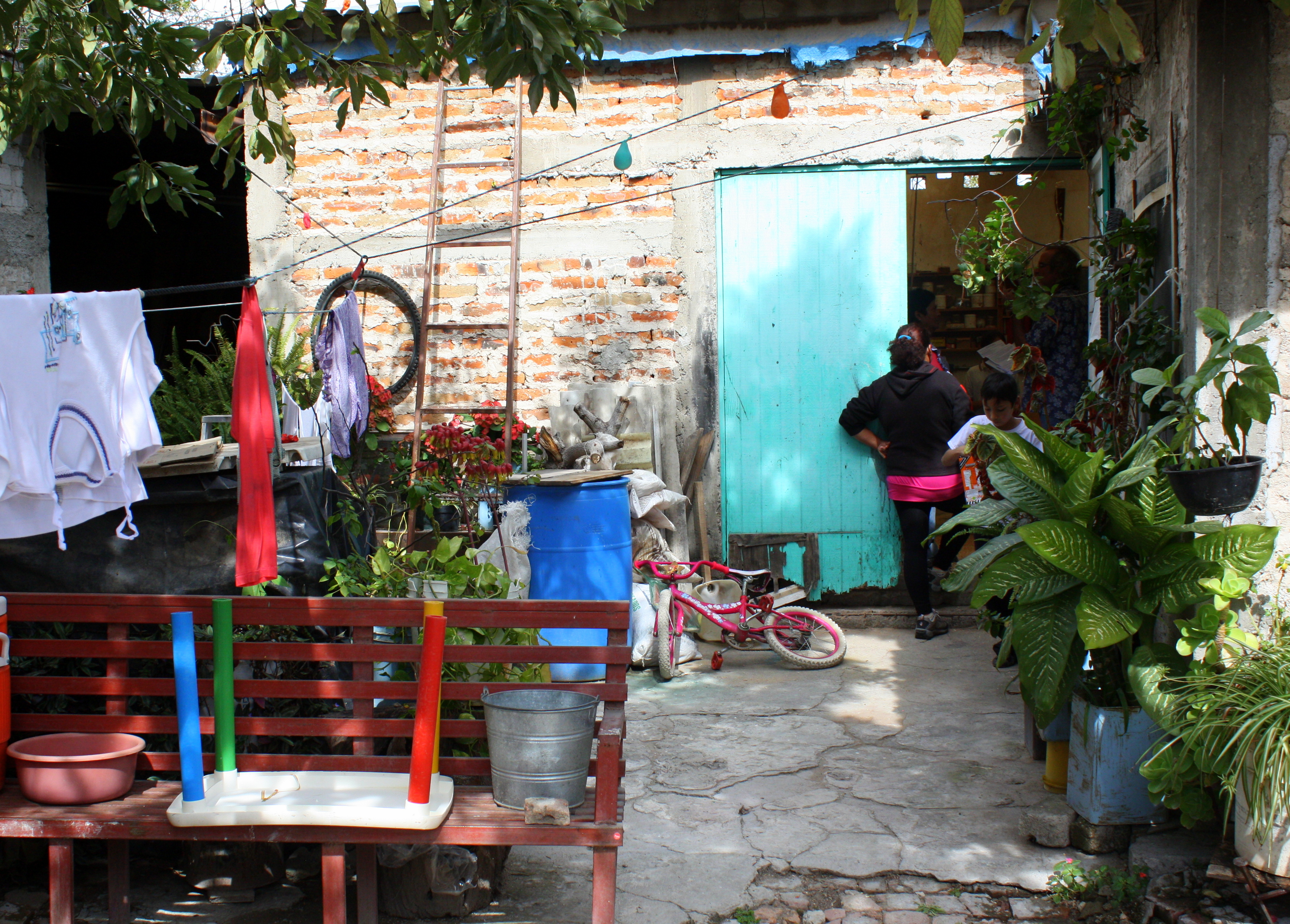
A modest home for the carpentry shop

A modest home for the carpentry shop

Upon arrival we pass through a modest house and small courtyard to reach the carpentry shop.

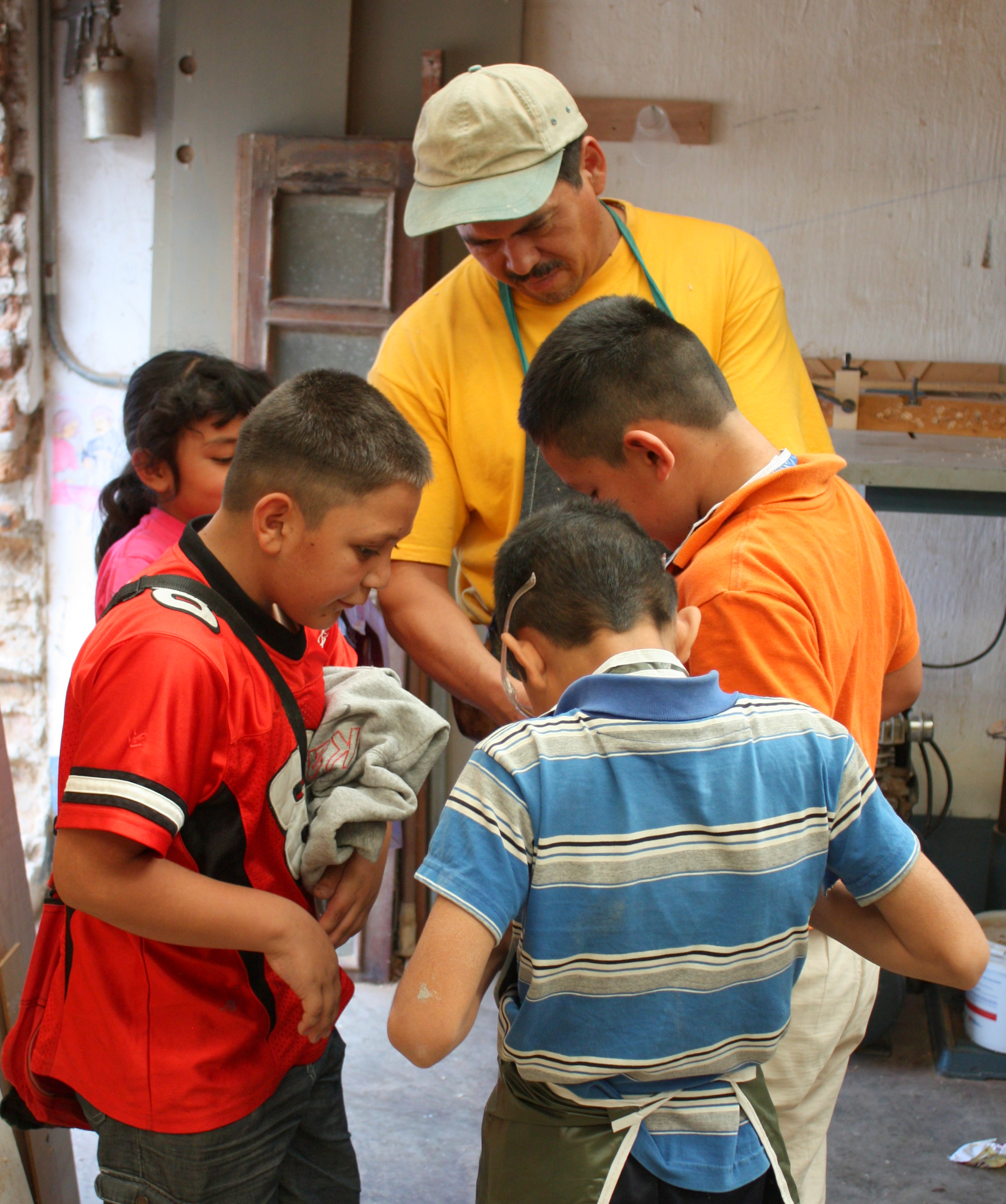
Carpentry instructor Joel with students

Carpentry instructor Joel Morando with students

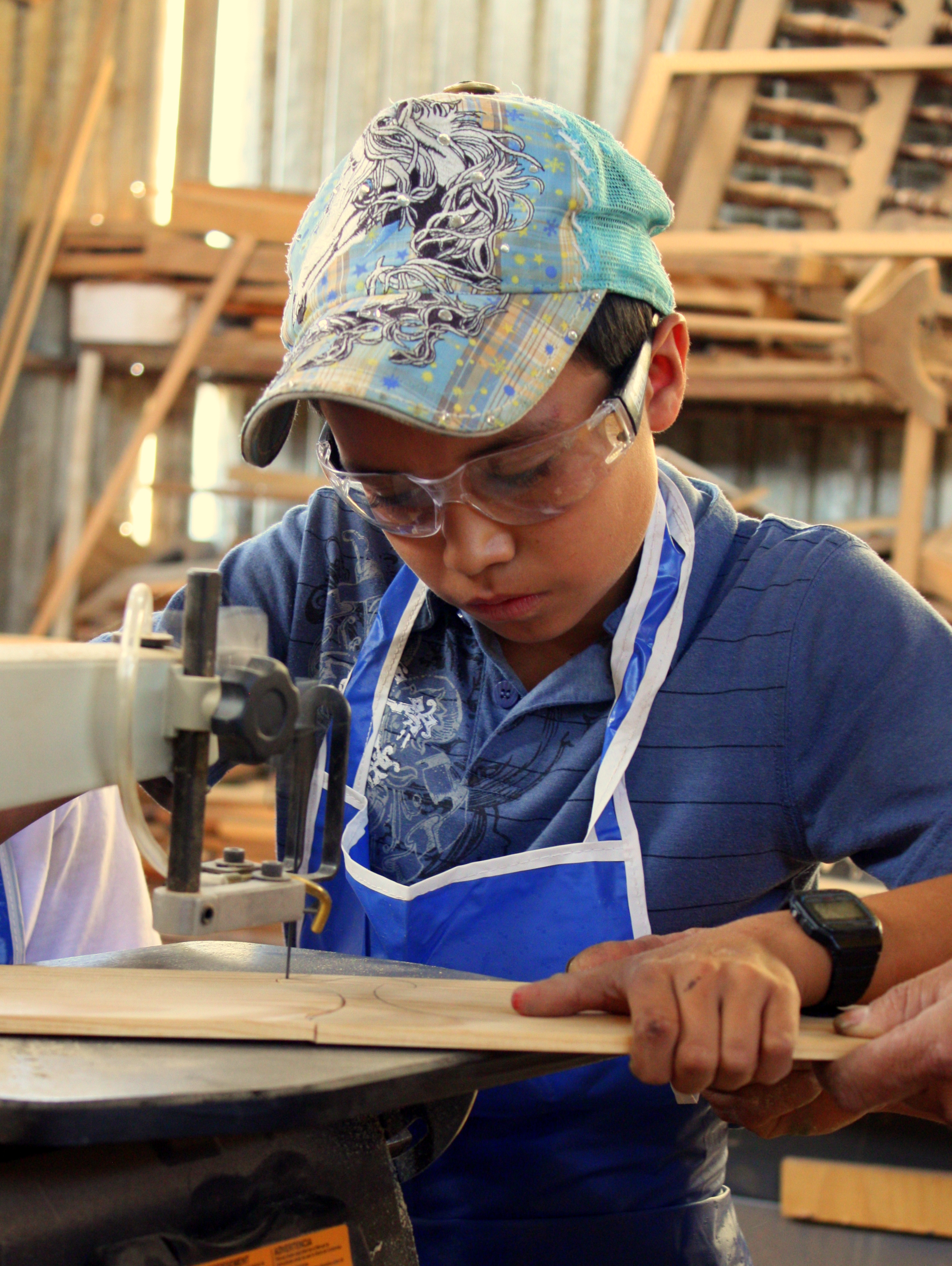
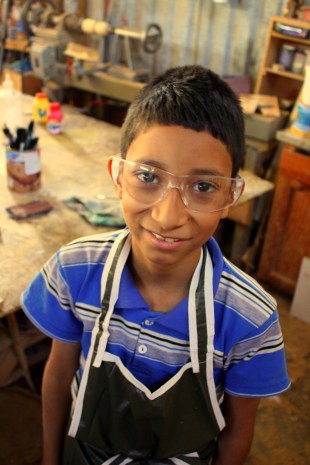
Here Joel Morando, carpenter and volunteer instructor, patiently watches and coaches a dozen children doing everything from operating a jigsaw to painting items that they’ve fabricated.

Their finished work is sold to the public, both to help make the program self-supporting and to teach the children not only how to make their products, but also to market them.
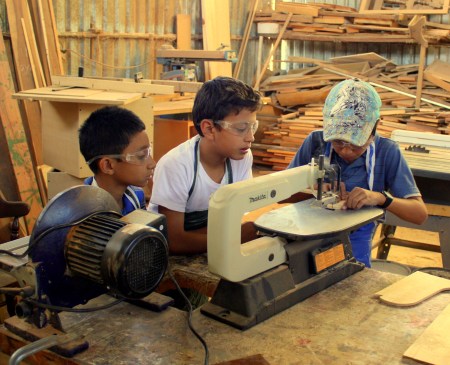
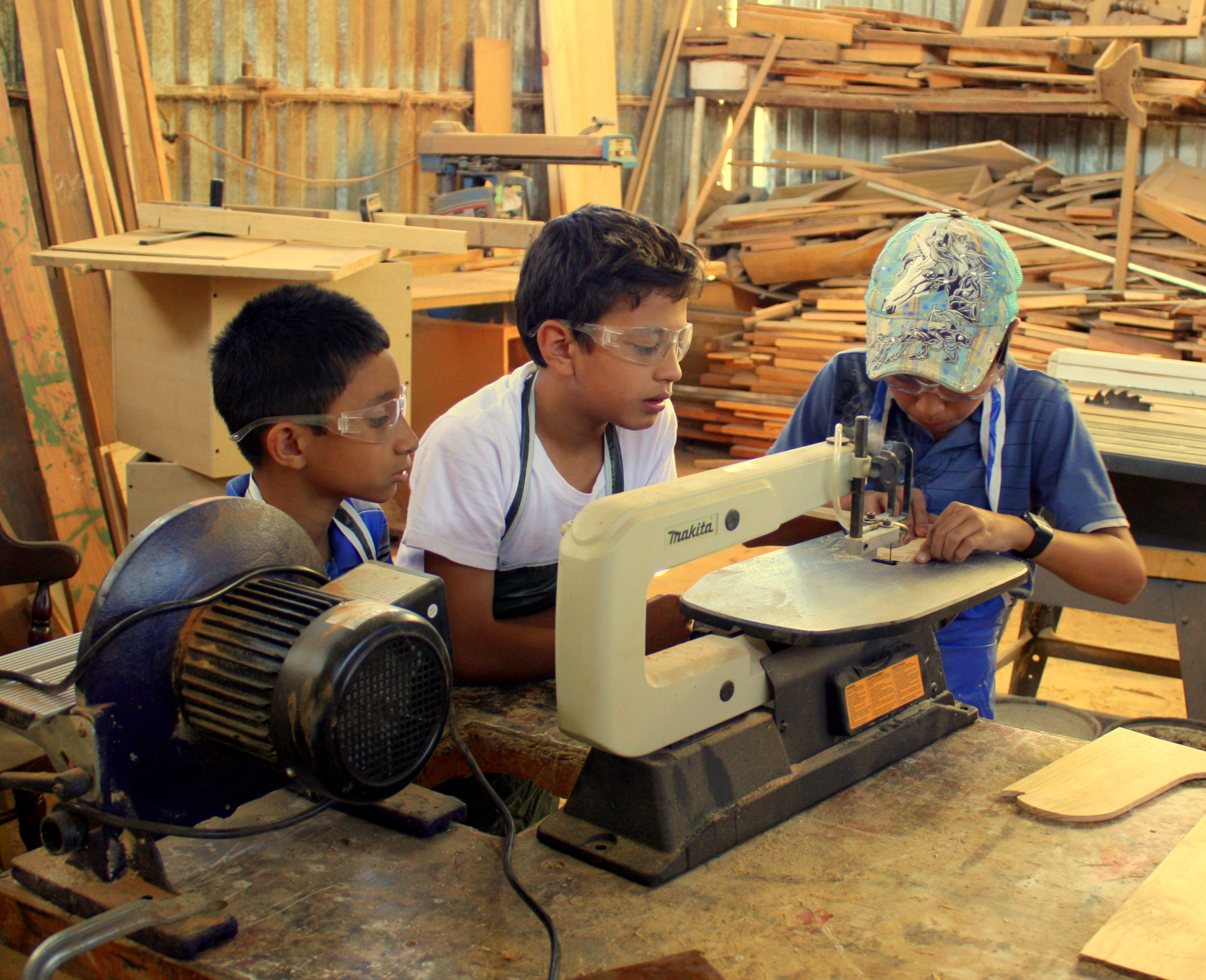
The kids are singularly focused

The kids are singularly focused

These children are 9 or 10 years old, but there are no childish hijinks going on here.

All are intently focused on the work at hand, watching earnestly as each takes a turn at working the power tools.
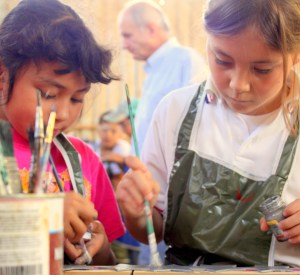
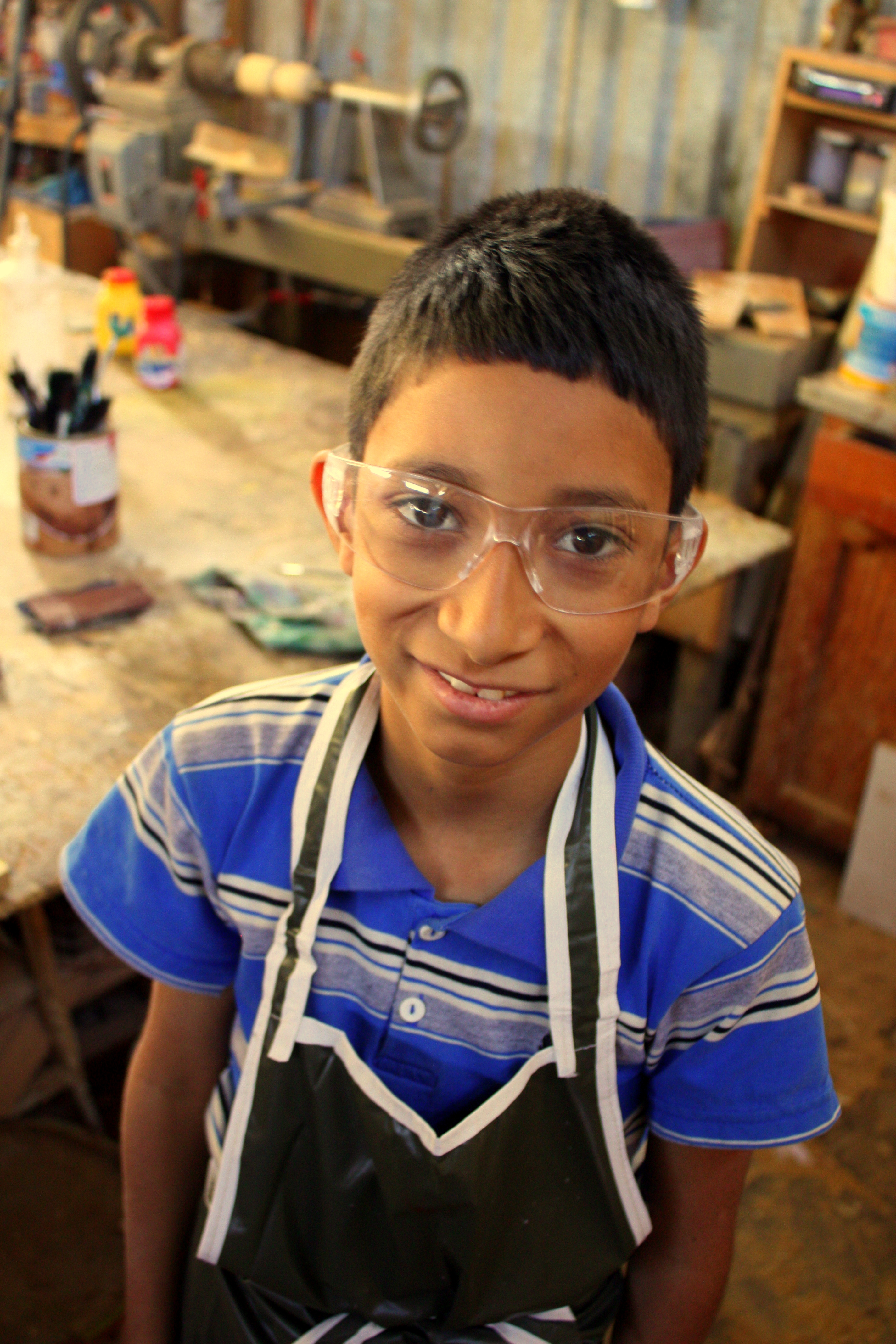
About one-third of the students are girls

About one-third of the students are girls

About a third of the students are girls.  Alberto tells me that there’s a waiting list of students hoping to enroll in future classes.

The kids are at first a bit shy.

The kids are at first a bit shy.

The children seem at first shy as I begin to snap photos, but then one asks to see the digital image on the camera screen and suddenly I’m surrounded by others asking me to take their photos.
Santa Cruz de la Soledad 2013-01-12 07

After each shot I’m obliged to turn the camera around so that all can see each image, and there’s lots of laughter and chatter as each portrait is revealed.

Santa Cruz de la Soledad 2013-01-12 08

As a parting gift Joel is presented with the donation of a first aid kit that’s been on his wish list.

Older kids are just beginning to arrive for their advanced apprenticeship as we depart.
Santa Cruz de la Soledad 2013-01-12 09

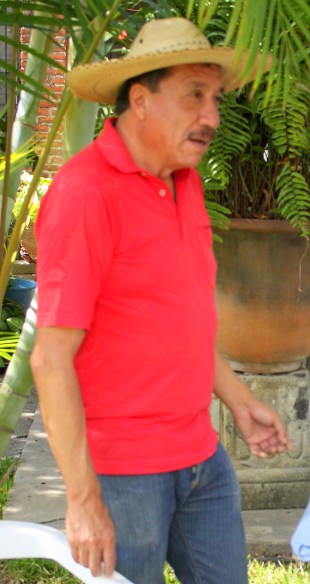
Antonio Morales.

Alberto next takes me a few doors down and introduces me to community advocate Antonio Morales, where in short order I come to understand that the children’s carpentry program is only the tip of Santa Cruz’s self-help iceberg.

Antonio is quick to laugh and his compassion for his neighbors shines through when he talks about projects – some already launched and others not yet hatched – for their betterment.

There’s also a steadfastness about him that leaves no doubt about his willingness and ability to drive hard bargains where the welfare of his neighbors is concerned.

On this day it’s less than a week after the Dia de los Reyes Magos – Three King’s Day – and as we pass through the plaza a life-sized nacimiento is still arranged there. These figures were annually borrowed for many years until Antonio talked the owners into donating them to Santa Cruz.


Santa Cruz de la Soledad 2013-01-12 10

Santa Cruz de la Soledad 2013-01-12 11

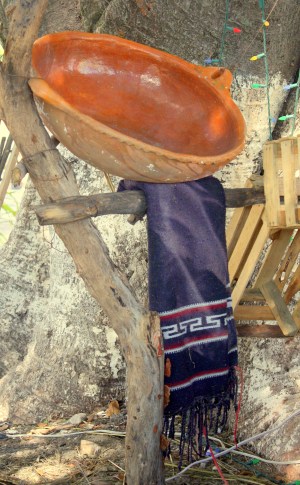
The features of thes statuary are predictably, if incongruously, European. The village, though, has placed its own subtle stamp on the tableau: At the edge of the scene beneath a Mexican clay pottery basin hangs a hand-woven blanket that Antonio tells me is nearly as old as the village itself.
Santa Cruz de la Soledad 2013-01-12 12

In Antonio’s nearby house it becomes obvious that the nacimiento gift pales in comparison to donated goods of every kind that he’s collected.  Clothing.  Walkers for the disabled.  Books.  Children’s toys.

It resembles a flea market except that nothing’s sold here, but rather freely distributed within the community on the basis of need.

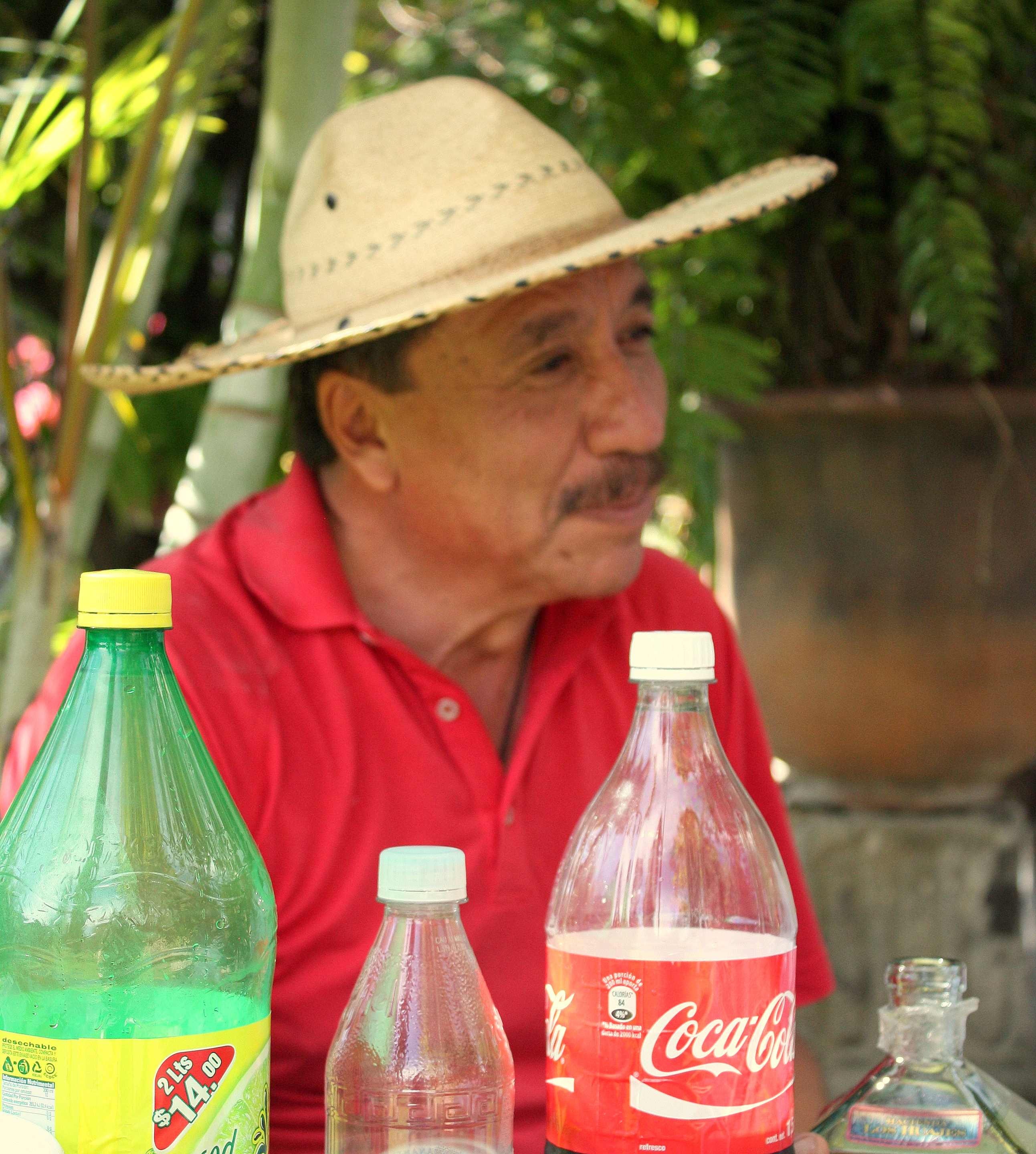
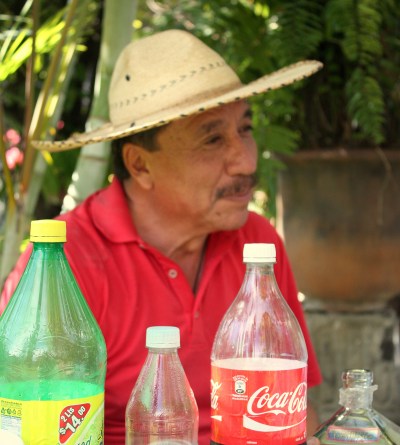
On a table in the jardin out back sits a bottle of Antonio’s favorite tequila, and as our visit draws to a close we’re obliged to accept his profered hospitality.  Purists may drink it straight up, but for everyone else he has set out mixers:  There’s the perennial Squirt, which makes a sort of lazy man’s margarita, or (the first time I’ve seen this) Coca Cola!
Santa Cruz de la Soledad 2013-01-12 13

As we sip the elixir, the air is suddenly split by an announcement in blaring over a loudspeaker, and it recalls for a moment the recurring P.A. announcements in countless episodes of M.A.S.H.

In a town without its own newspaper, loudspeakers perched on poles strategically situated throughout the village are the way that folks get their local news. It’s a low-tech solution perfectly suited to the need.

It’s almost time for us to leave as Antonio begins talking enthusiastically about another unfolding project that will teach local farmers how to raise moringa trees, the leaves of which are so rich in vitamins, minerals, and proteins that they’re often called “the super food”.

The fast-growing crop fetches a healthy price on the world market, and promises to help even more of Antonio’s neighbors pull themselves up by their own bootstraps. A few local farmers have already sprouted the first moringa seedlings, learning how best to cultivate and care for them so that their experience can be shared with others.  Hopes are for a first crop before this year’s end, and I’m eager to return and see the result!

Afterwards as we head back through Chapala, I reflect on the amazing enterprise demonstrated by people who so ably apply what little they have to better themselves and their community. There’s little here by way of a social safety net except the support that these villagers readily give to one another… but which is clearly priceless.


Roaming thru Rome

Ancient images evoke Fellini's Satyricon

Ancient images evoke Fellini’s Satyricon

What can be left to write about a place that’s been called “The Eternal City” for most of its nearly 3,000 year history?

The city’s been so widely photographed and the world has come to know it so intimately through films ranging from Biblical epics to Fellini that no stone seems to have been left unturned.

What came alive for me as I walked its streets was not only a sense of Rome as the thread upon which so much of Western history is strung, and its unending paradoxes.

There are few places in which the past co-exists with the present so seamlessly as in Rome.
St. Peter's Basilica, The Vatican

St. Peter’s Basilica, The Vatican

Here it’s common to see trendy new boutiques and restaurants installed in centuries-old buildings.  Legions of Vespas circle Baroque fountains and Classical ruins.

Romans seem at once an unconscious extension of the rich past which surrounds them and at the same time casually indifferent to it.

The cruise line has booked everyone into the Excelsior Hotel as the trip winds to a close. The Excelsior is famous as the travel residence of choice for celebrities from Mark Twain to the Rolling Stones.

As I walk through its lobby and out onto the Via Veneto I can’t help but recall scenes shot here for Fellini’s La Dolce Vita.

Ruins of the Roman Forum

Ruins of the Roman Forum

Many of ancient Rome’s surviving structures – worn, weathered, and vandalized for nearly two millennia –  stand in stark contrast to  the architectural grandeur of Renaissance Rome, some of which is built of marble stripped from their facings.


Roman Coliseum

Roman Coliseum


The Roman Forum survives only as a disappointingly bare skeleton.


Even stripped of its façade, though, the Coliseum engulfs visitors walking the arena floor with its sheer size.

I can’t help but reflect on the fact that it was not until the latter part of the twentieth century that man first built stadiums to eclipse it in scope.

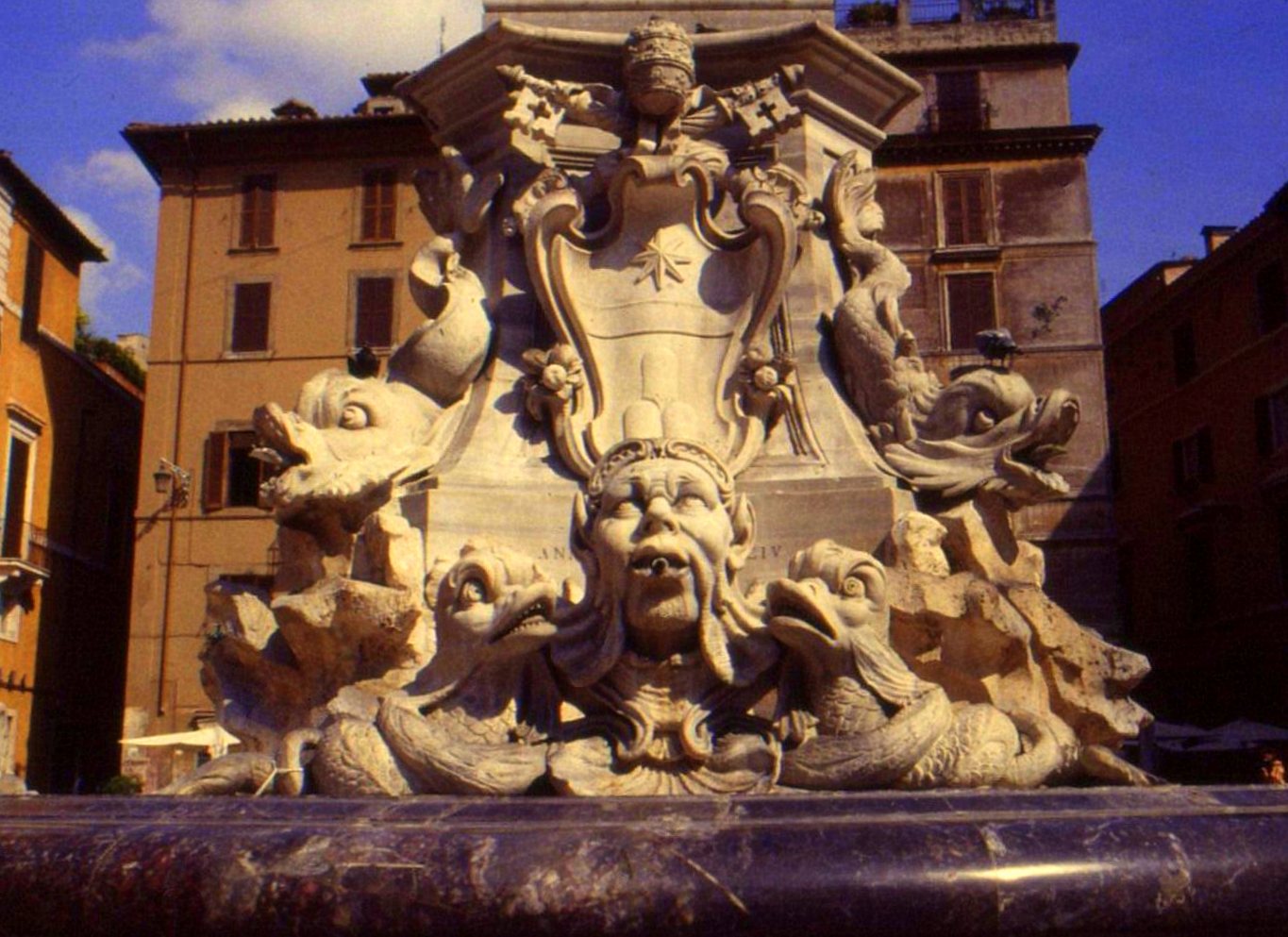
The Pantheon, Rome

The Pantheon, Rome


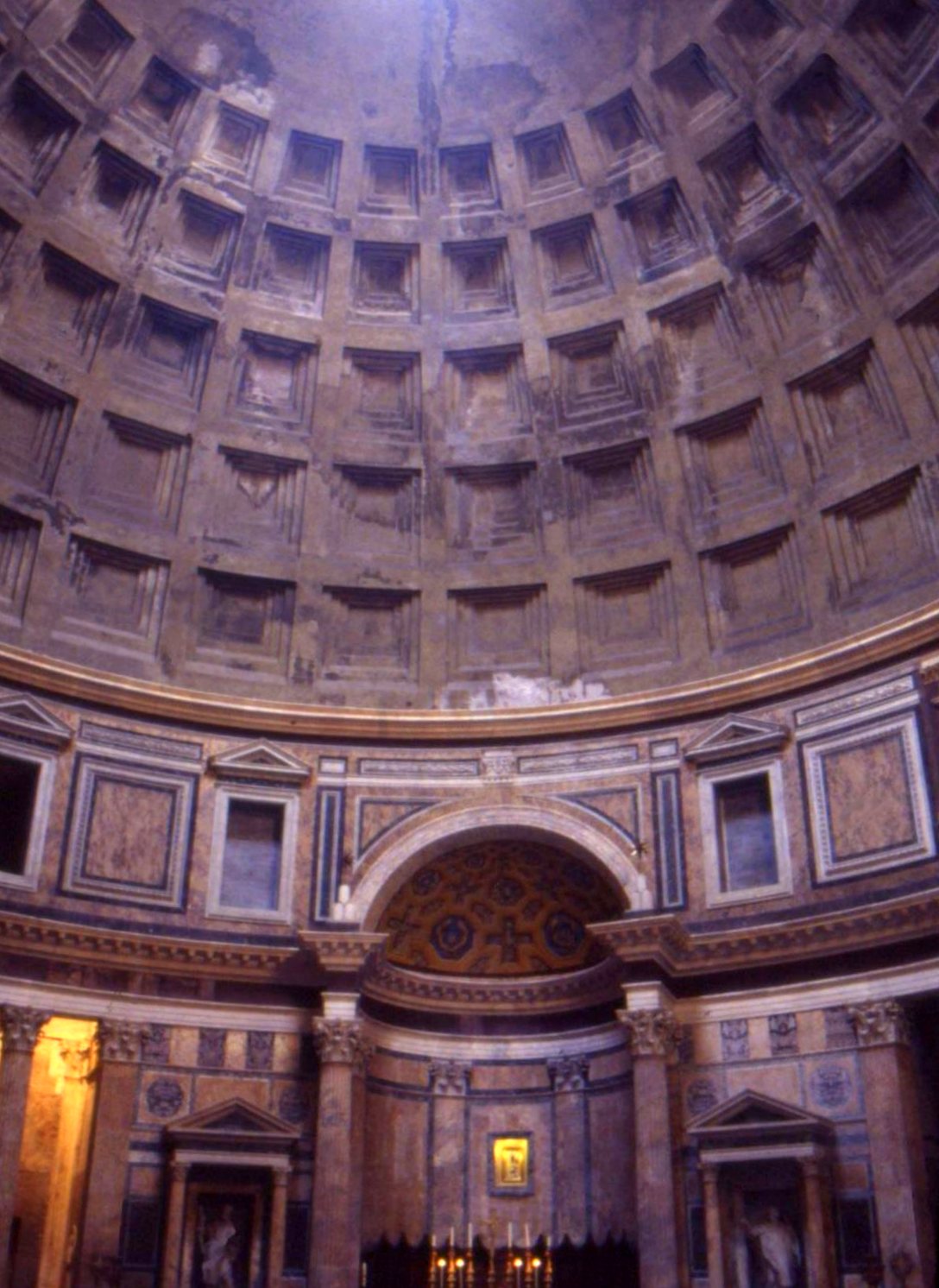
A notable exception to ruined Classical Rome is the Pantheon.

The Pantheon, Rome

The Pantheon, Rome

Its simple, geometric perfection seems to leave nothing left unsaid, and to stand beneath its dome looking up through the circular eye open to the sky was for me a far more spiritual experience than walking among the gilded angels of St. Peter’s.

Almost two thousand years after it was built, the Pantheon is still the world’s largest unreinforced concrete dome.

St. Peter's Square, The Vatican

St. Peter’s Square, The Vatican


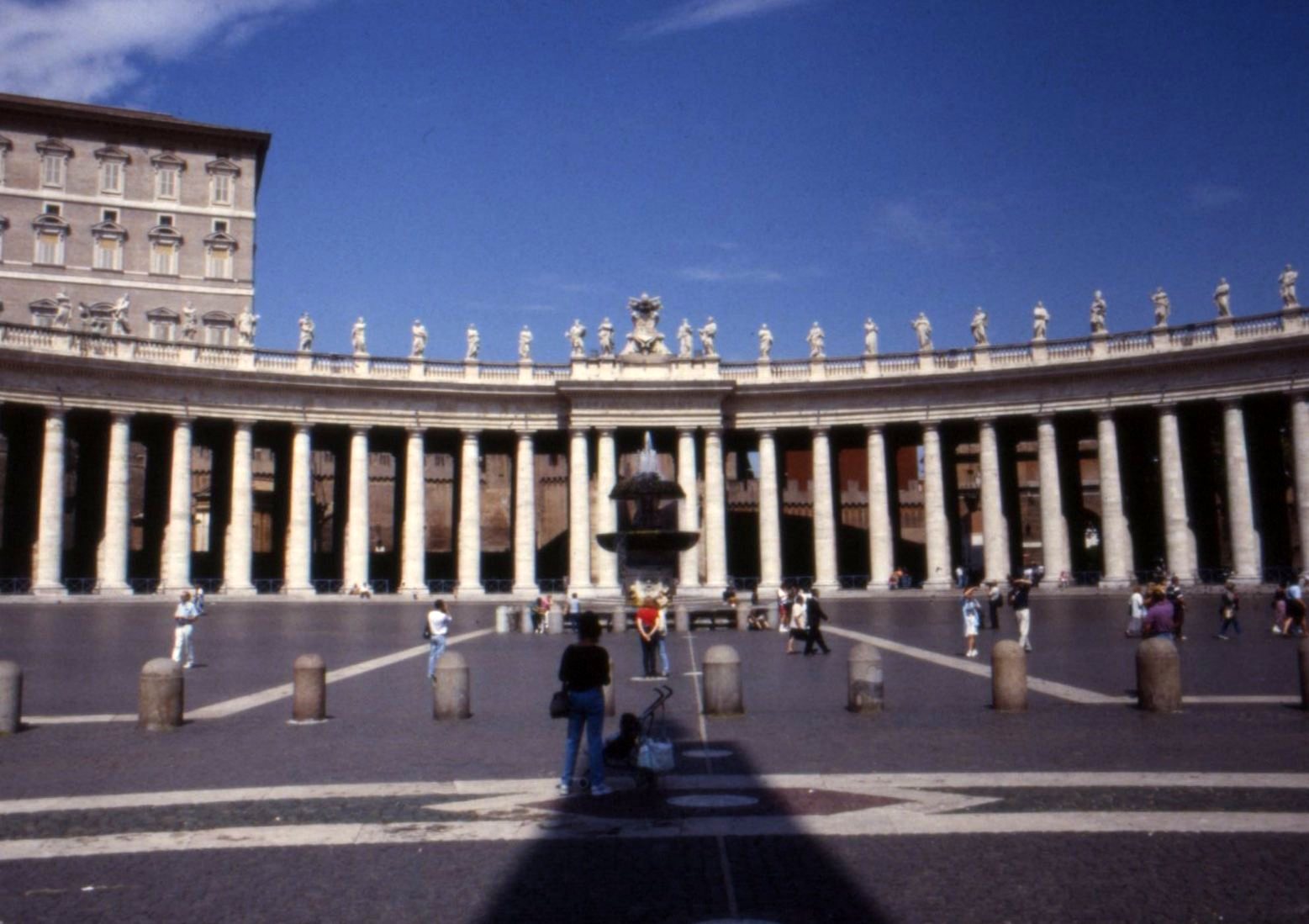
The Vatican is an embarrassment of riches.

Swiss guards, The Vatican

Swiss guards, The Vatican


It’s impossible not to be awed by the endless tableau of master works in St. Peter’s basilica.

St. Peter's basilica

St. Peter’s basilica

St. Peter's basilica, The Vatican

St. Peter’s basilica, The Vatican

It’s also hard not to be left with a the sense that the intent of this place is to dwarf its awestruck human visitors and to glorify not so much the deity as the institution of the Church.

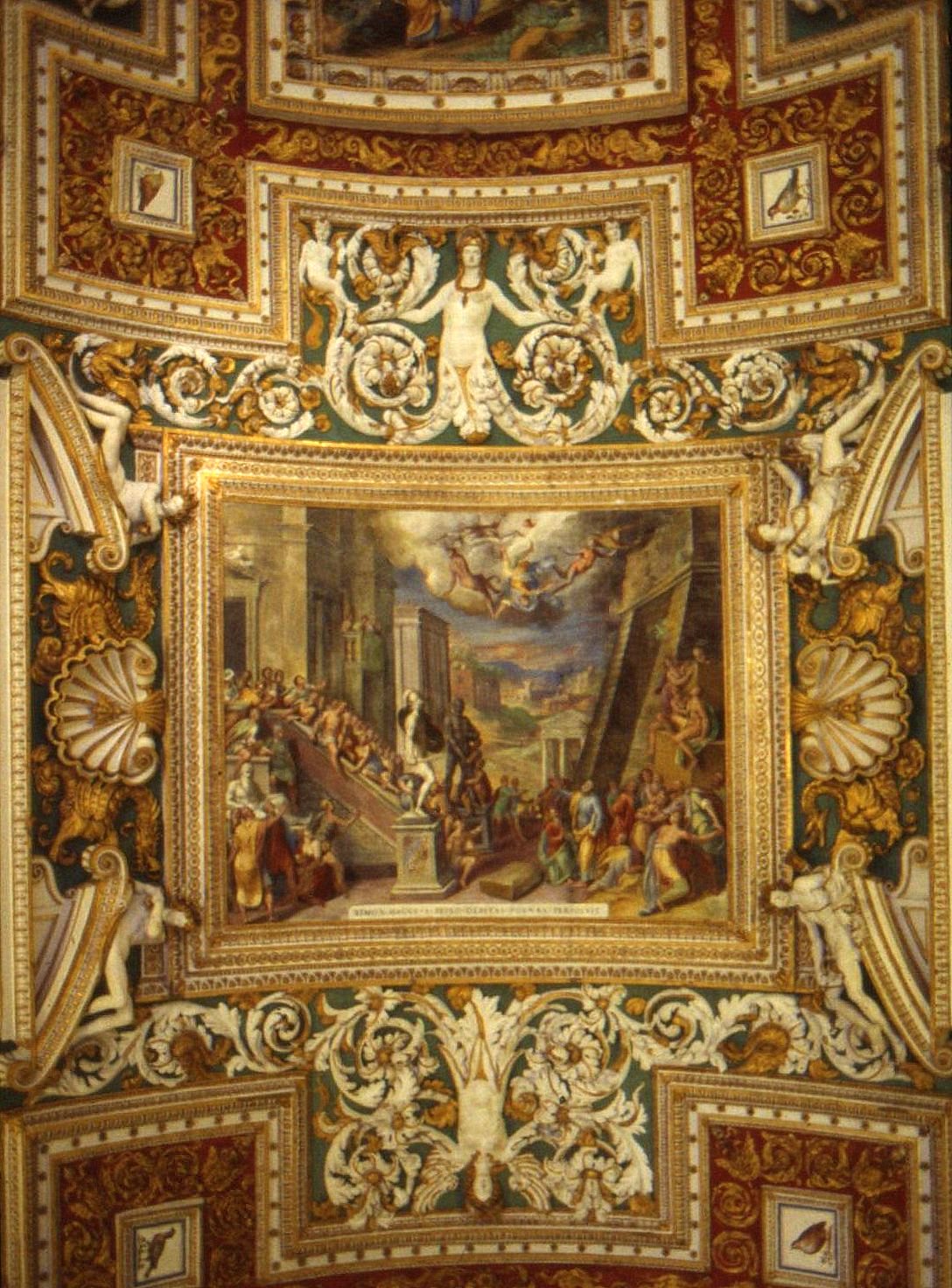
Vatican Museum

Vatican Museum

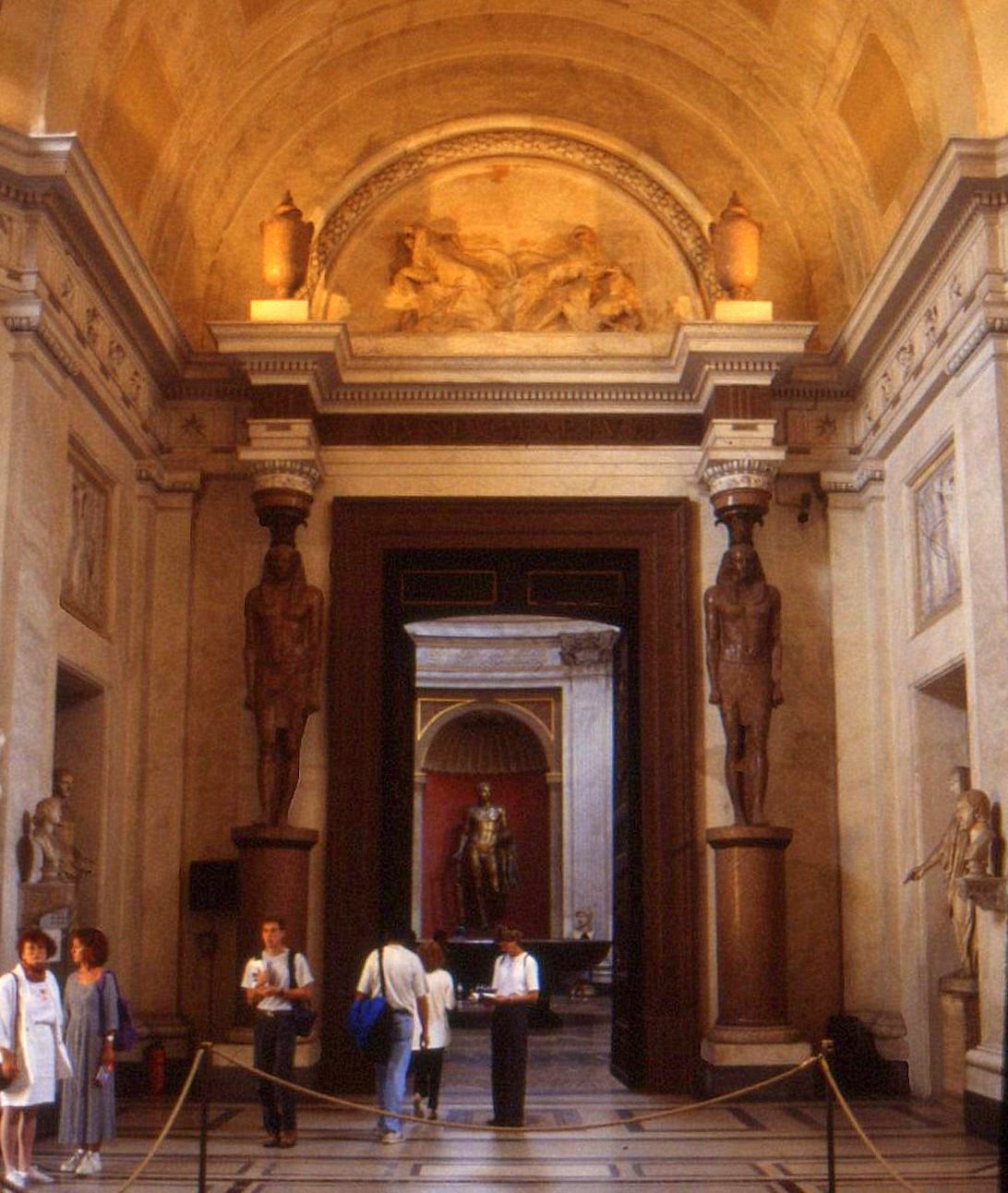
Only the Louvre can compare with the Vatican Museum for the number and quality of its works, and the building itself is a work of art, solid and imposing and classical in its detail.

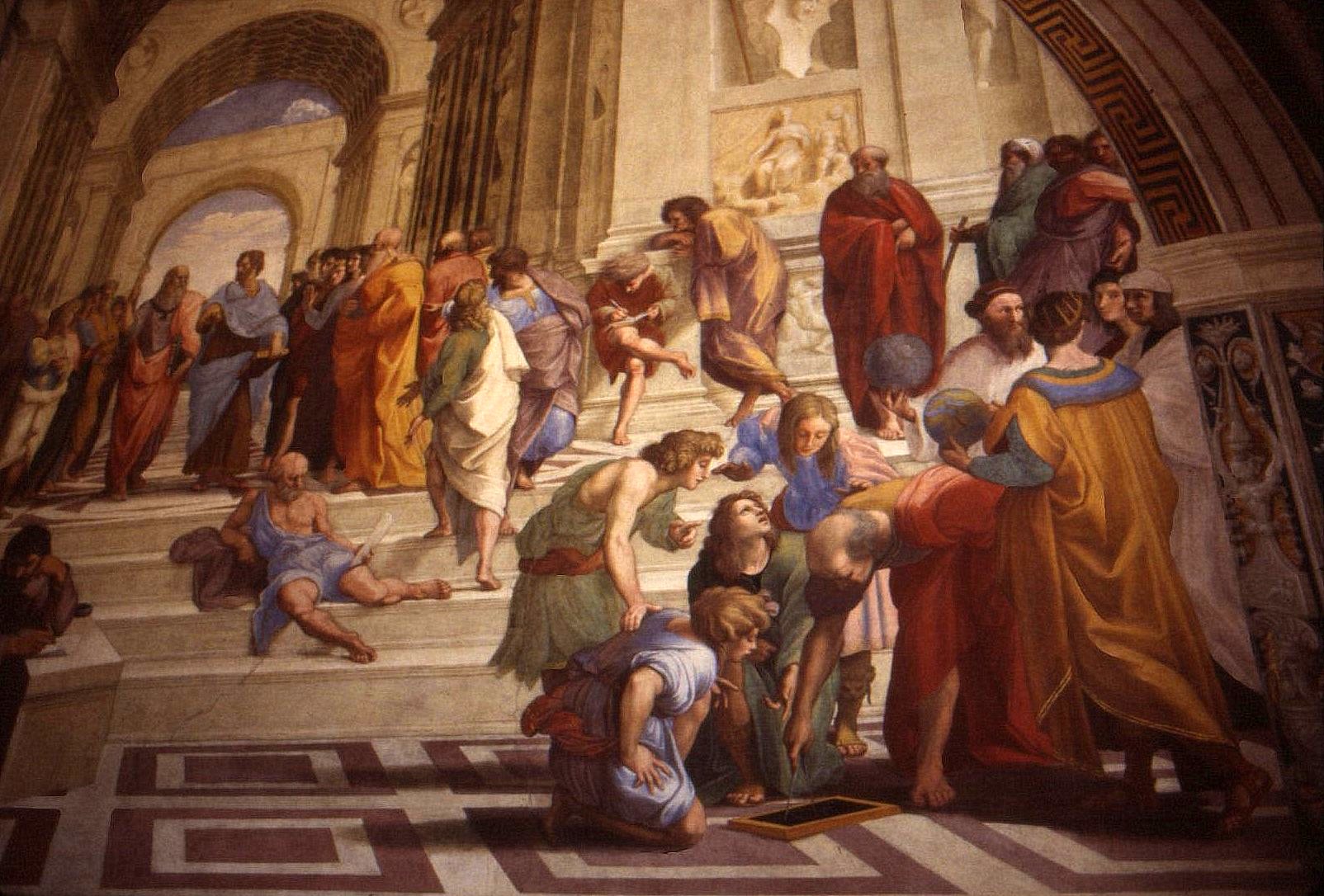
Here the works of old masters seen before only in art books leap out of the frame, larger than life and richly colored.

The Vatican Museum

The Vatican Museum

The Vatican Museum

The Vatican Museum

It seems that every inch of every ceiling is covered in art, ornately framed in gold leaf.


The Trevi Fountain, popularized in the U.S. by the movies Three Coins In A Fountain and Roman Holiday, seems ever so familiar.  I’m startled, though, to see this monumental structure rising out of a residential neighborhood rather than as the anchor of a grand piazza, which was planned but never built.

The fountain also famously appears in Fellini’s La Dolce Vita, and when he died in 1996 the fountain was turned off and draped in black… a testimony to the way in which Rome’s old and new not only coexist, but constantly intermingle.

Trevi Fountain, Rome

Trevi Fountain, Rome

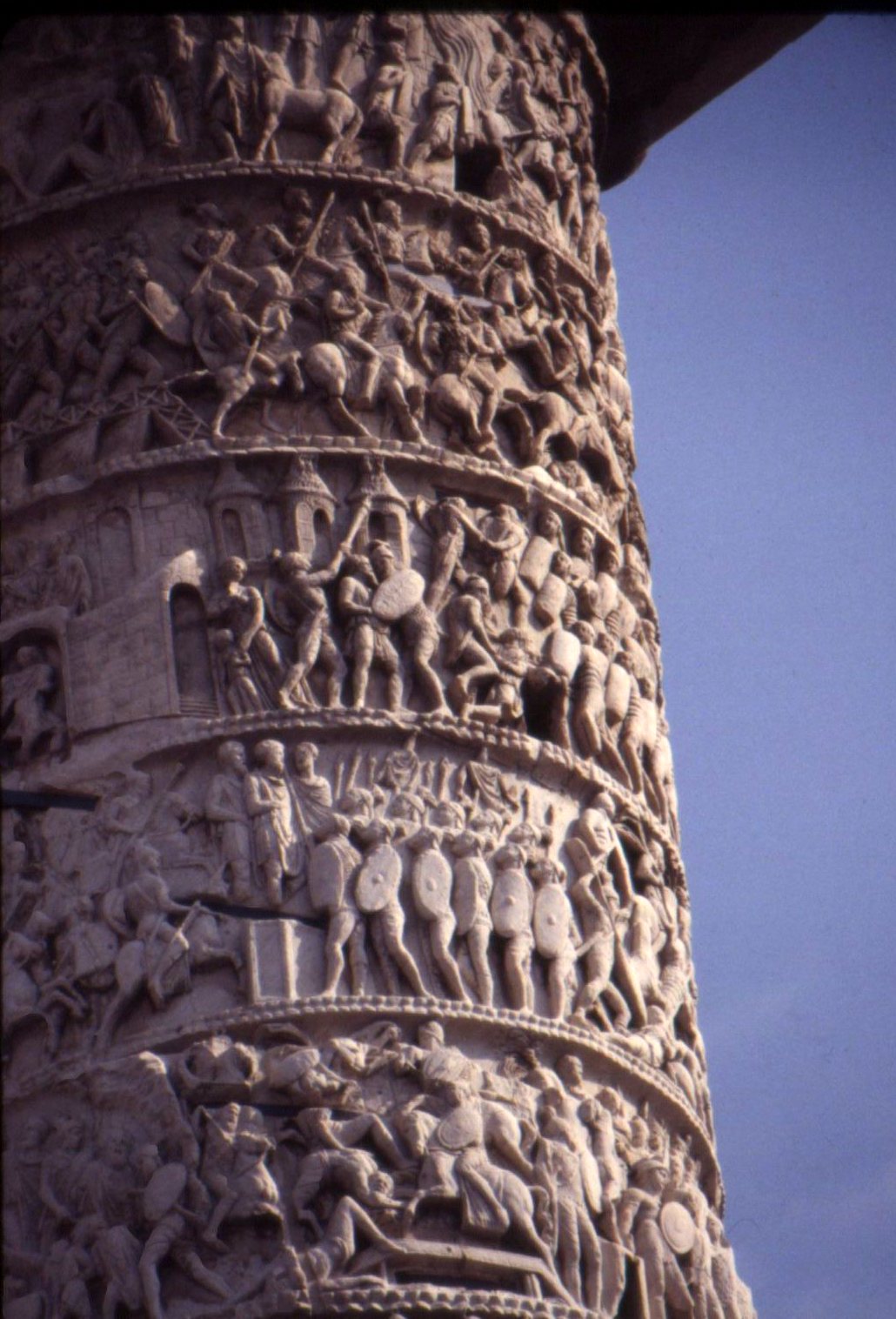
Trajan's Column, Rome, Italy

Trajan’s Column, Rome, Italy

The spire of Trajan’s column, adorned with carvings depicting Rome’s Dacian Wars victory, instantly evokes an image of the similar column erected by Napoleon in the Place Vendôme.

Trajan's Column, Rome, Italy

Trajan’s Column, Rome, Italy

The walk back to the hotel leads up the Spanish Steps, which on this day look more like the Spanish Bleachers, buried as they are in a sea of seated tourists.

Spanish Steps, Rome, Italy

Spanish Steps, Rome, Italy

With the date of a return visit in some vague future and my time in Europe drawing to a close, I make the decision to skip Rome’s catacombs in order to carve out time for a day trip to Naples and Pompeii before flying back to the States.

If you’ve just joined this account my Mediterranean cruise, you can still begin at the beginning:

Days 1-2:  Barcelona

Day 3:  Montserrat Monastery

Day 4: France’s Languedoc

Day 5: Monaco & the French Riviera

Day 6: Italy’s Cinque Terre gateway

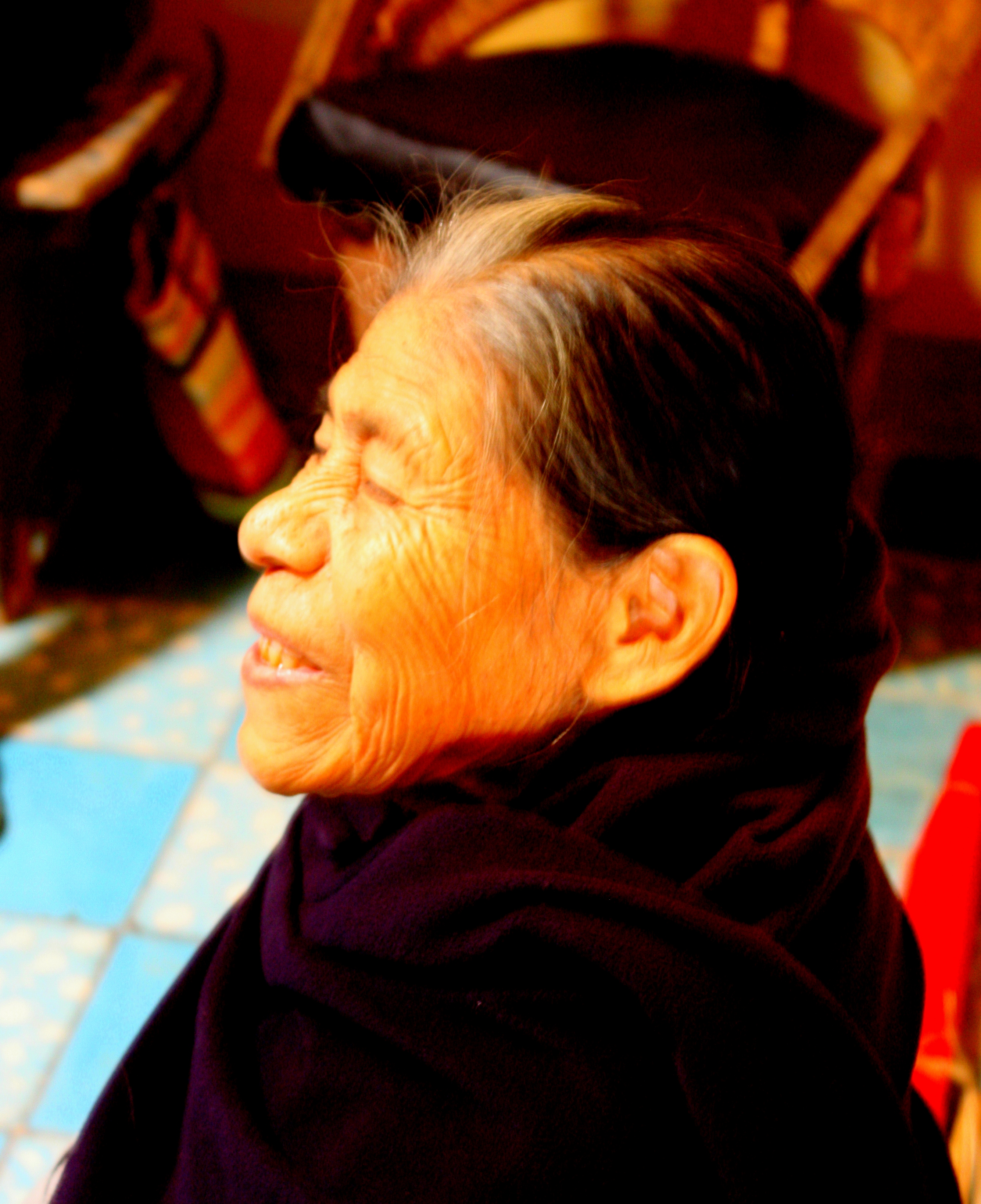
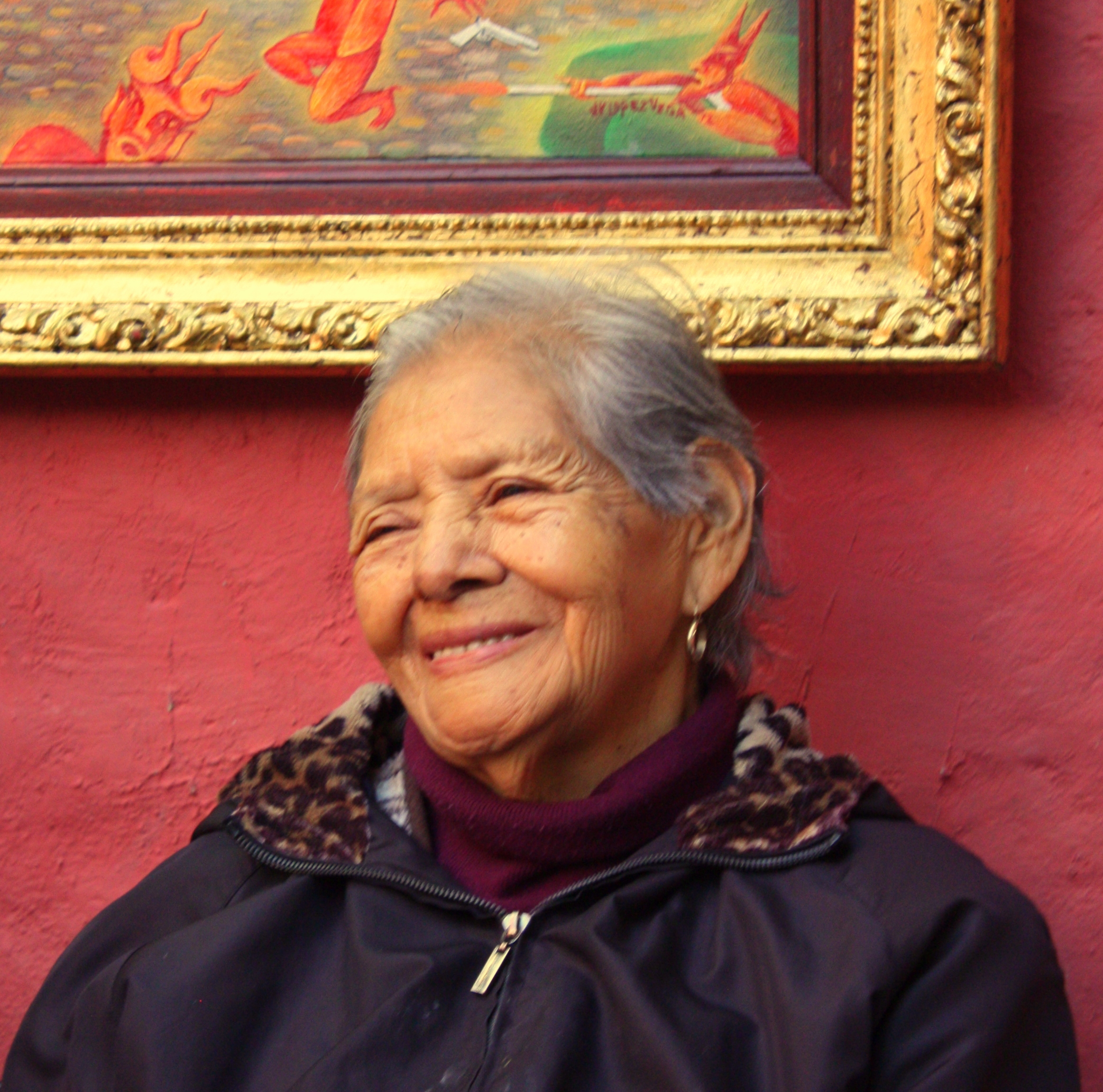
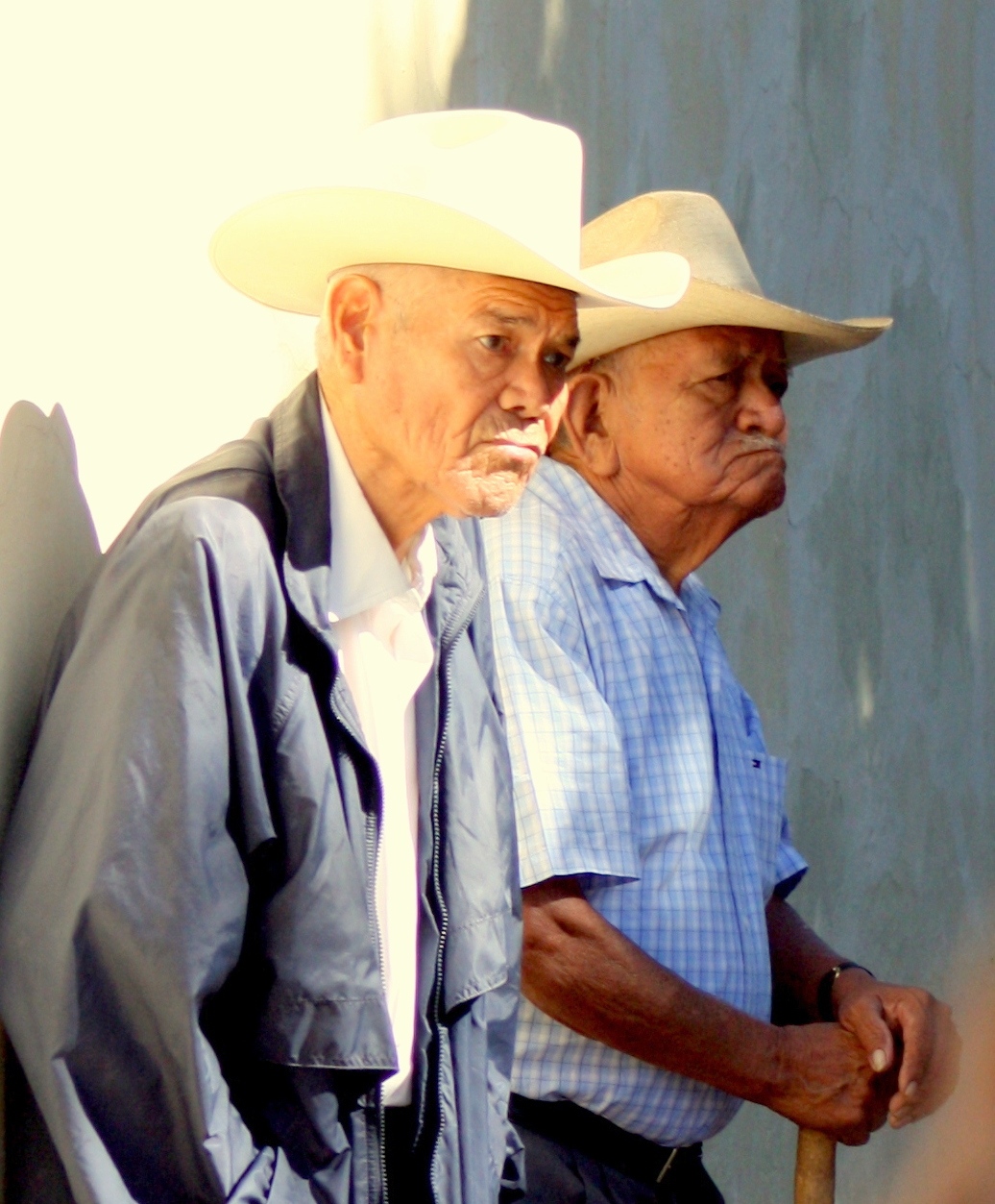
Few contrasts between American and Mexican cultures are more striking than the way in which each views and treats its senior citizens.

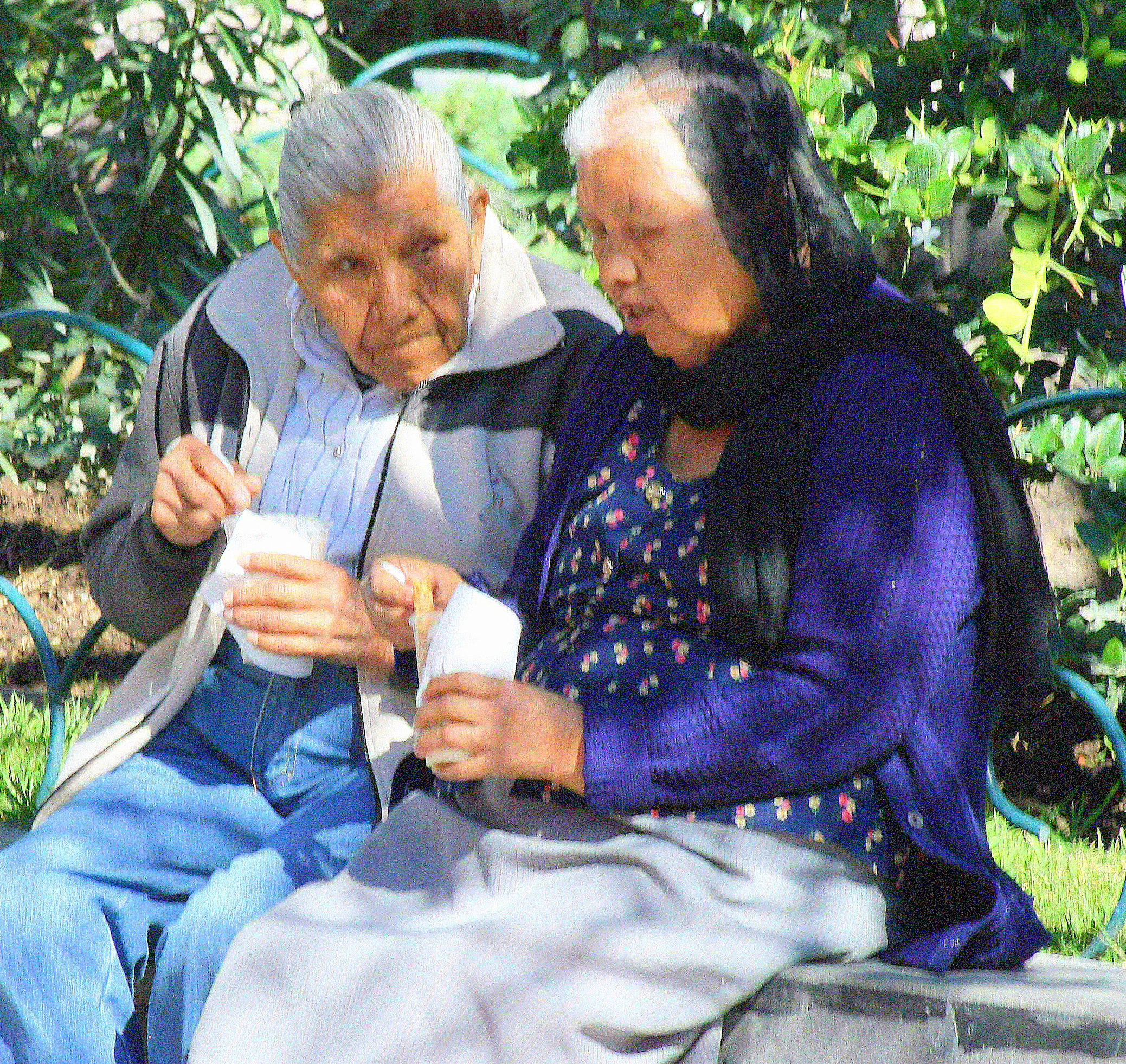
Two old acquaintances share a bench on Ajijic's plaza.

Old friends share a bench on Ajijic’s plaza.


America’s seniors are often cloistered in assisted living facilities or nursing homes far from family and friends.


Mexico’s oldest – los ancianos – seem more often vibrant alive and interactive, and are notably present in its public life nowhere more than in its villages.


A ritual gathering of viejos on Chapala's plaza.

A ritual gathering of los viejos on Chapala’s plaza.


It’s hard not to see the paradox in these contrasts.


American has a far superior capacity to maintain its seniors’ quality of life, and has taken great pains to make transportation and public use facilities accessible to its disabled.


It has also segregated its seniors from the social mainstream on a wide scale.


Two old friends await the start of Good Friday's Passion play in Ajijic

Two old friends await the start of Good Friday’s Passion play in Ajijic

The paradox is a reflection of the two nations’ cultural perspectives.


In Mexico, ‘family’ trumps ‘generation gap’.


Mexicans are far more likely to respect and cherish their oldest generation and revere it for its wisdom and life experience.

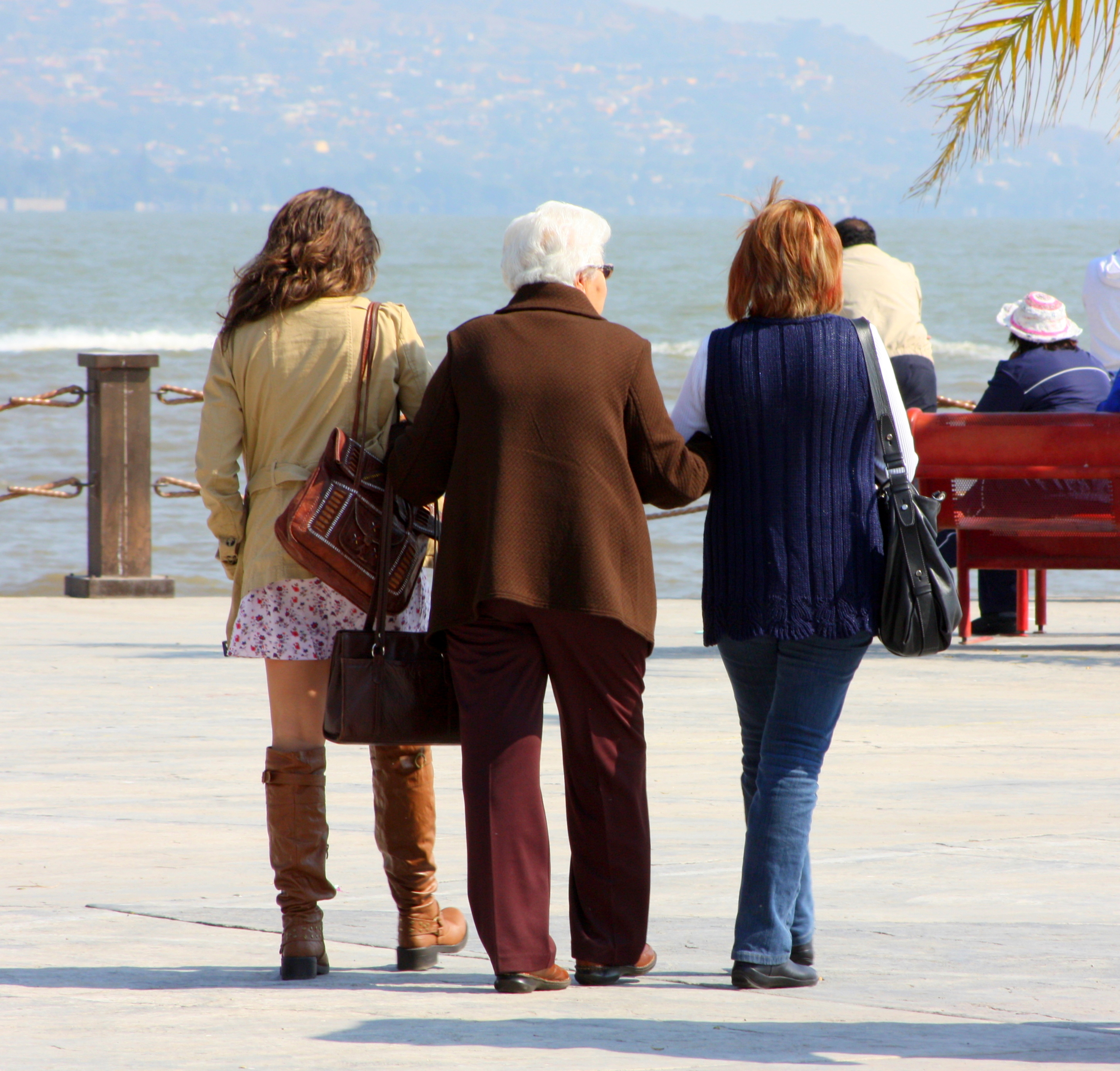
Three generations walk arm in arm along Jocotopec's malecon

Three generations walk arm in arm along Jocotopec’s malecon


Many among the current crop of los ancianos are the children of those who participated in the century-old Mexican Revolution.


They’ve witnessed and lived history as it’s unfolded through the greatest social transformation in the nation’s history.

Two generations sit in Chapala's plaza

Two generations sit in Chapala’s plaza


American media’s fixation on youth marginalizes its oldest save for the rich, powerful, or otherwise famous.


The result is that America’s aged seem more often perceived by their offspring as an unpleasant reminders that they, too, will in due time grow unfashionably old and less socially relevant.

A vieja labors over her craftwork in San Cristóbal Zapotitlán

An abuelita labors over her craftwork in San Cristóbal Zapotitlán


Particularly in Mexican village life, los ancianos remain connected to lifetime friends and many live within their extended families.


The artisan looks up from her work in satisfaction.

The artisan maestra looks up from her work in satisfaction.


There’s a lot to suggest that this lifelong connectedness affords them greater comfort in their advanced age.

Americans move further and more often from their place of birth than do those living in any other First World nation, with the result that they more often live far from the oldest among their living relatives.

A sister with walker on a sidewalk in San Juan Cosalá

A sister with walker on a sidewalk in San Juan Cosalá

Affordable senior care facilities make it far easier for American families to live separately from their aged relatives.

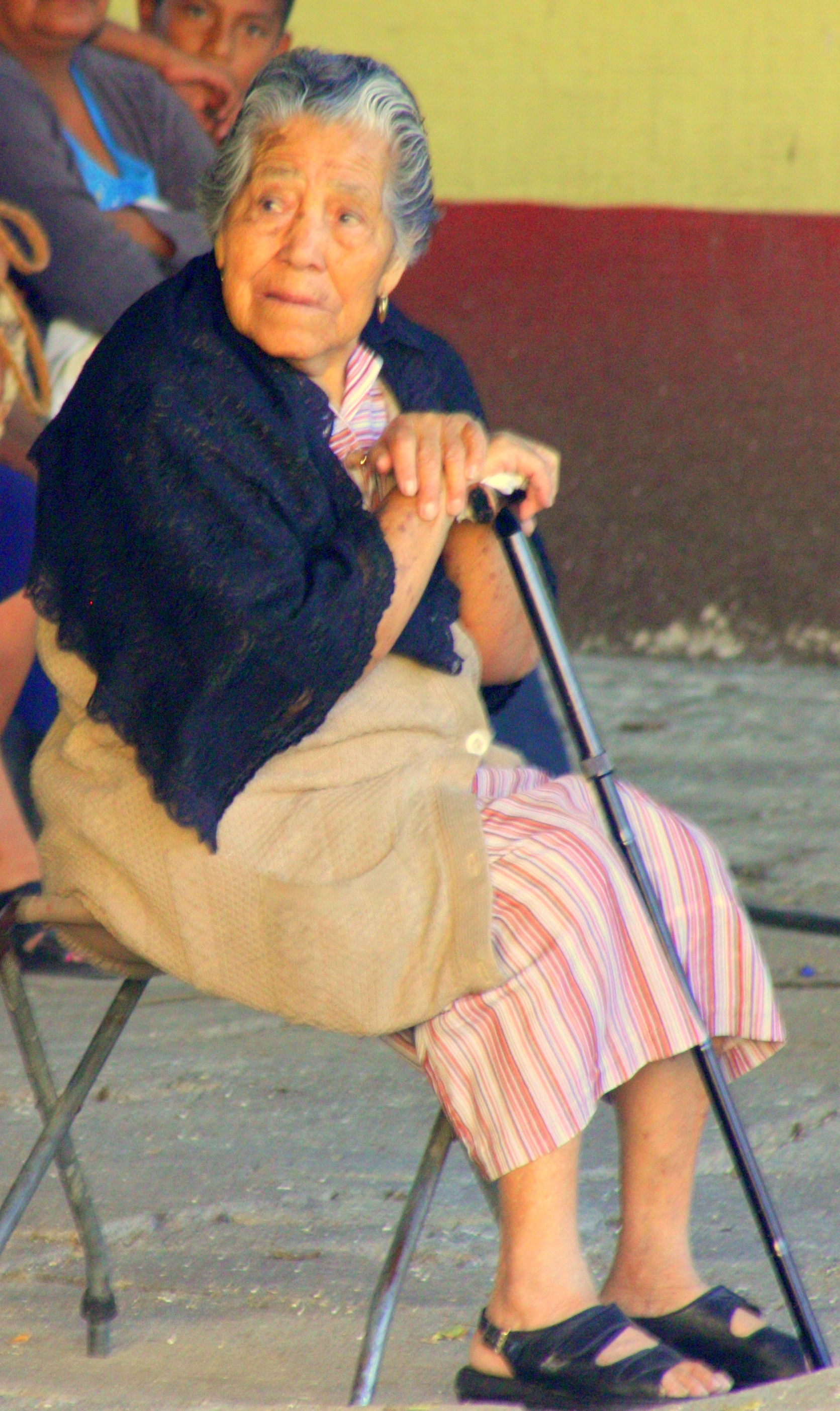
A vieja waits patiently for a ceremony to begin in Ajijic

A vieja waits patiently for a ceremony to begin in Ajijic

Maybe there’s also something also to be said for lifestyle when it comes to keeping Mexico’s ancianos animated and mobile.

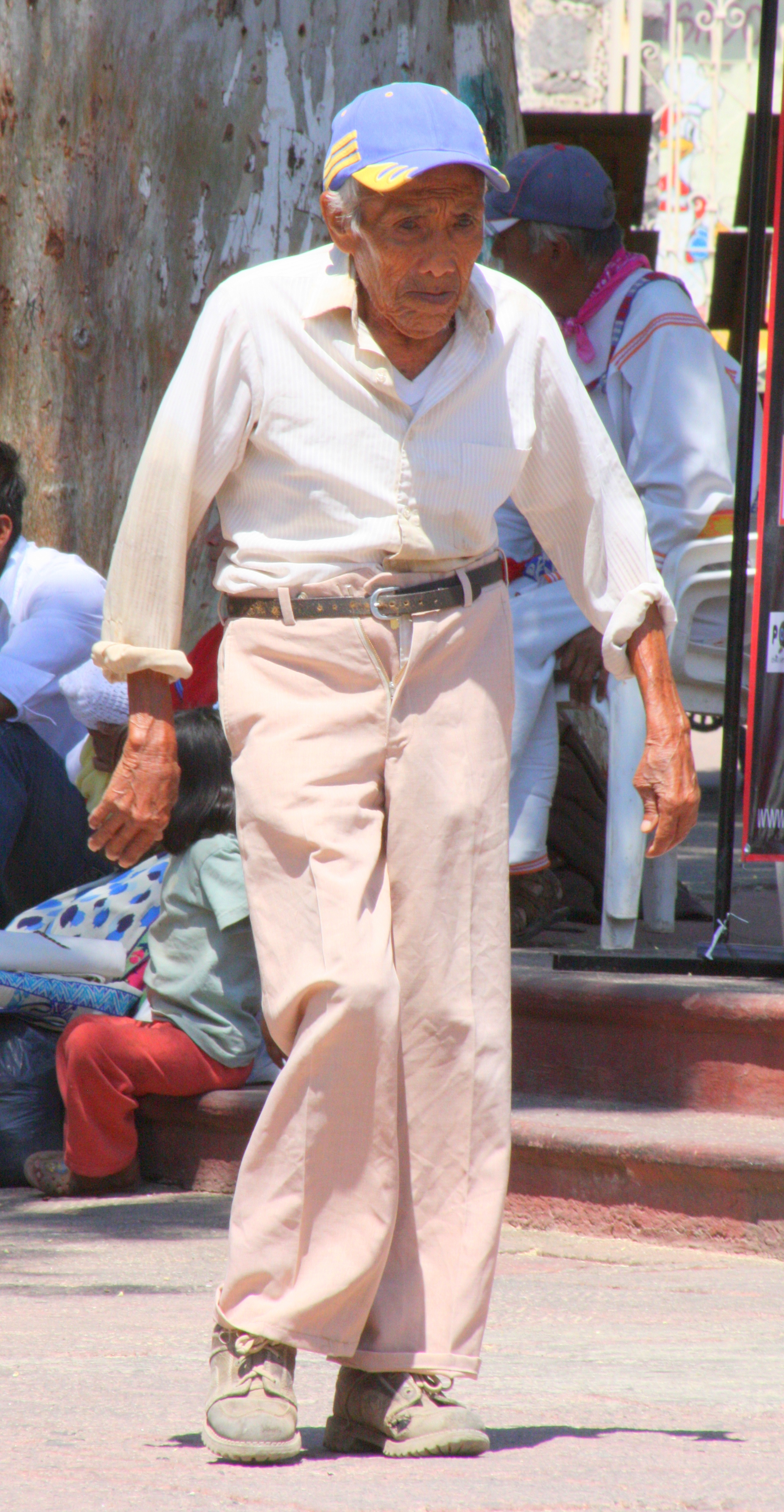
A viejo walks a cobblestone street in Chapala

A viejo walks a cobblestone street in Chapala


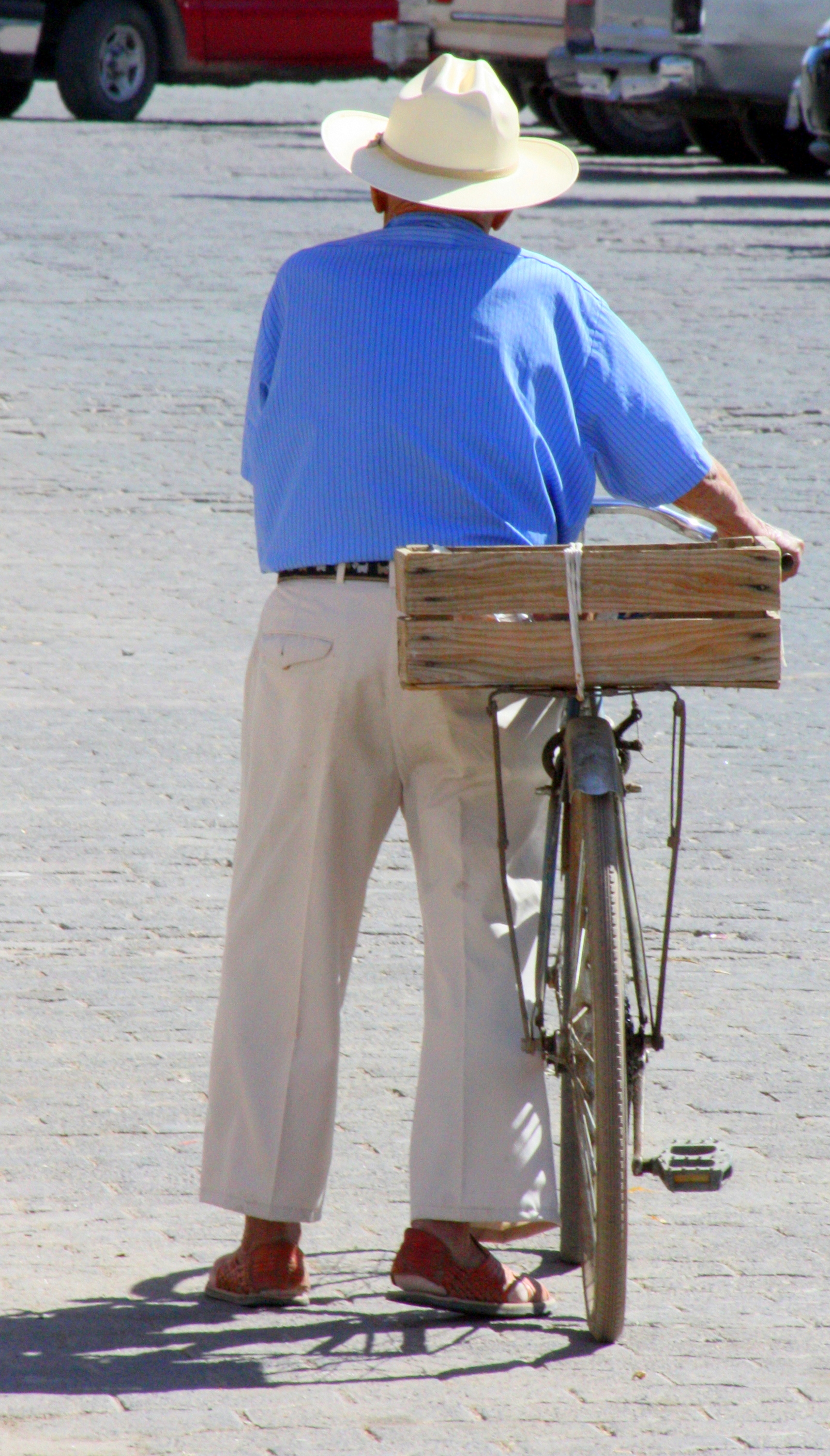
A viejo walks his bicycle along the street in Chapala

A viejo walks his bicycle along the street in Chapala

Economic necessity and a thinly stretched social safety net keep many Mexicans working into advanced age, but the work seems to leave many no worse for wear and sometimes even to hold disability at bay.

A lifetime of meals simply and sparingly prepared has left many lean wiry.

A vieja shrouded in shawl crosses the plaza in San Cristóbal Zapotitlán

A vieja shrouded in shawl crosses the plaza in San Cristóbal Zapotitlán


It’s not unusual to see these ancianos navigate dauntingly high curbs and cobblestone streets to remain a daily village presence on its sidewalks, in its public spaces, and at its public events.

An abuela eyes a pinata at her grandaughter's quinceañera

An abuela eyes a pinata at her grandaughter’s quinceañera


In the end, though, nothing can better capture the special place that Mexico’s ancianos occupy in its social fabric than their images.

She lights up when her granddaughter enters the room

The abuela lights up when her granddaughter enters the room