Archive for November, 2012


Barbados’ great houses

Plantation great house, Barbados

The historical plantation great houses of Barbados are peepholes into the lifestyles of wealthy sugar cane planters who dominated the island’s commerce, culture, and politics for nearly 300 years.

Plantation great house, Barbados

Country lanes may cut through fields of sugar cane rather than English hedgerows, but formal gardens and Georgian architecture indelibly mark the tropical countryside as indisputably British.


Great house formal garden, Barbados
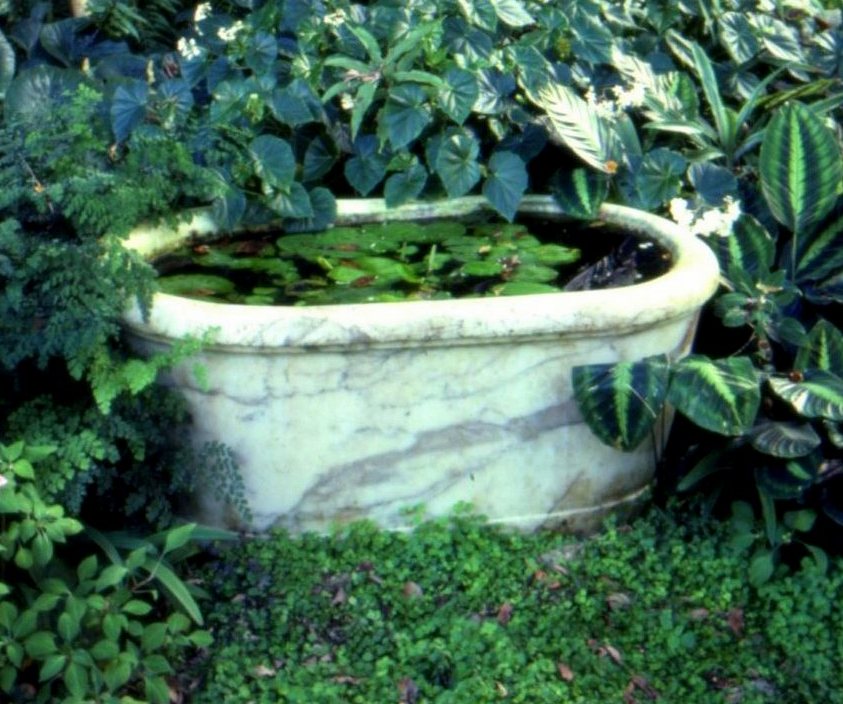
Marble tub in a great house formal garden

The British settled Barbados not long after the Pilgrims landed at Plymouth Rock and the introduction of sugar cultivation soon after transformed Barbados into the British Empire’s primary sugar exporter and the jewel in its colonial crown.   Cane juice extracted by grinding mills was shipped to Britain for refining and British capitalists arrived to assemble large sugar plantations from landholdings of smaller farmers, many of whom were relocated to the fledgling American colonies.

The prosperity fueled by this “white gold” continued into the early part of the twentieth century until the widespread adoption of less expensive beet sugar finally upended the plantation economy.
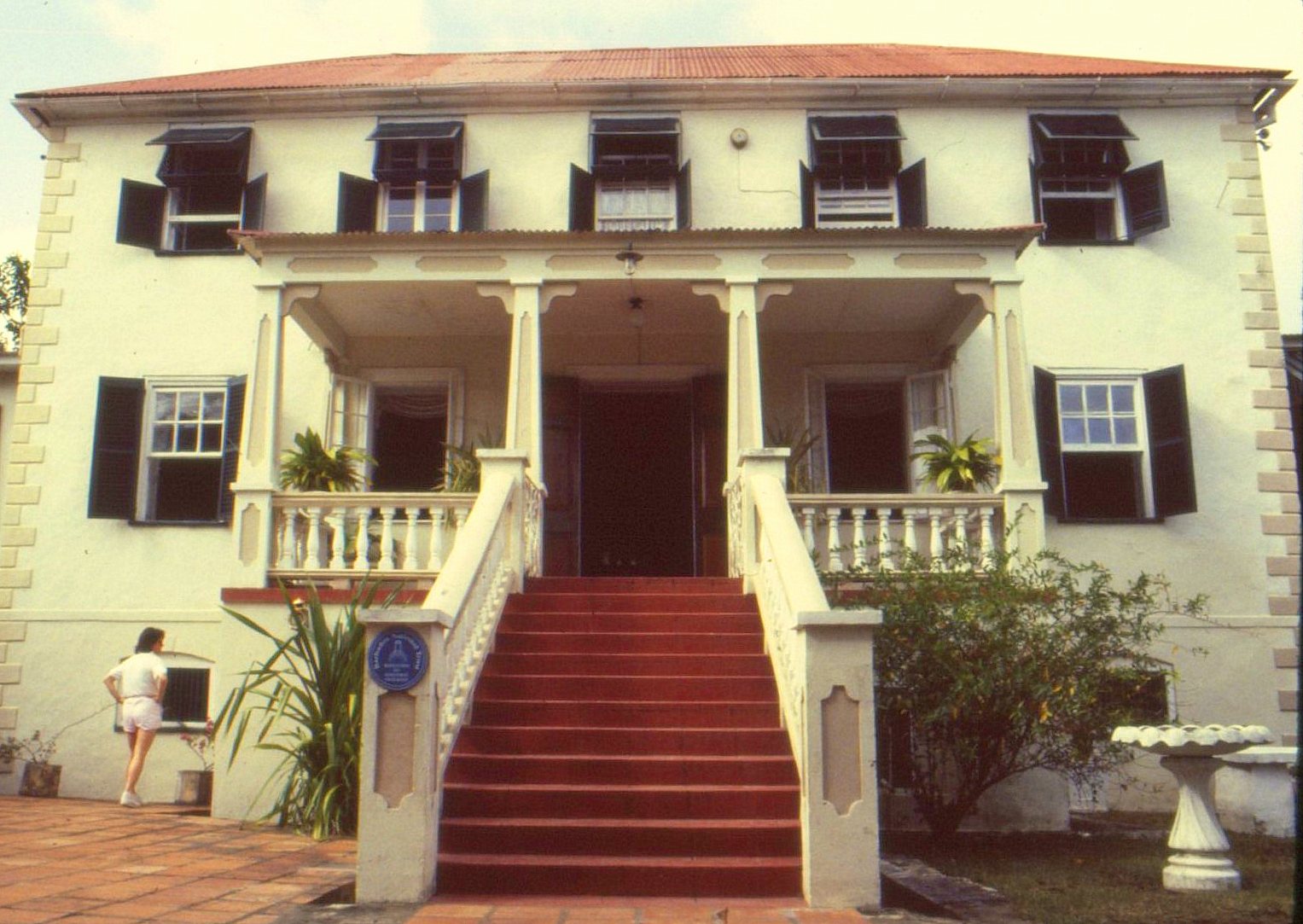
Sunbury plantation great house, Barbados

Among the most notable of the plantation great houses is Sunbury, which was built in St. Philip’s Parish around 1660 by one of the island’s first settlers.
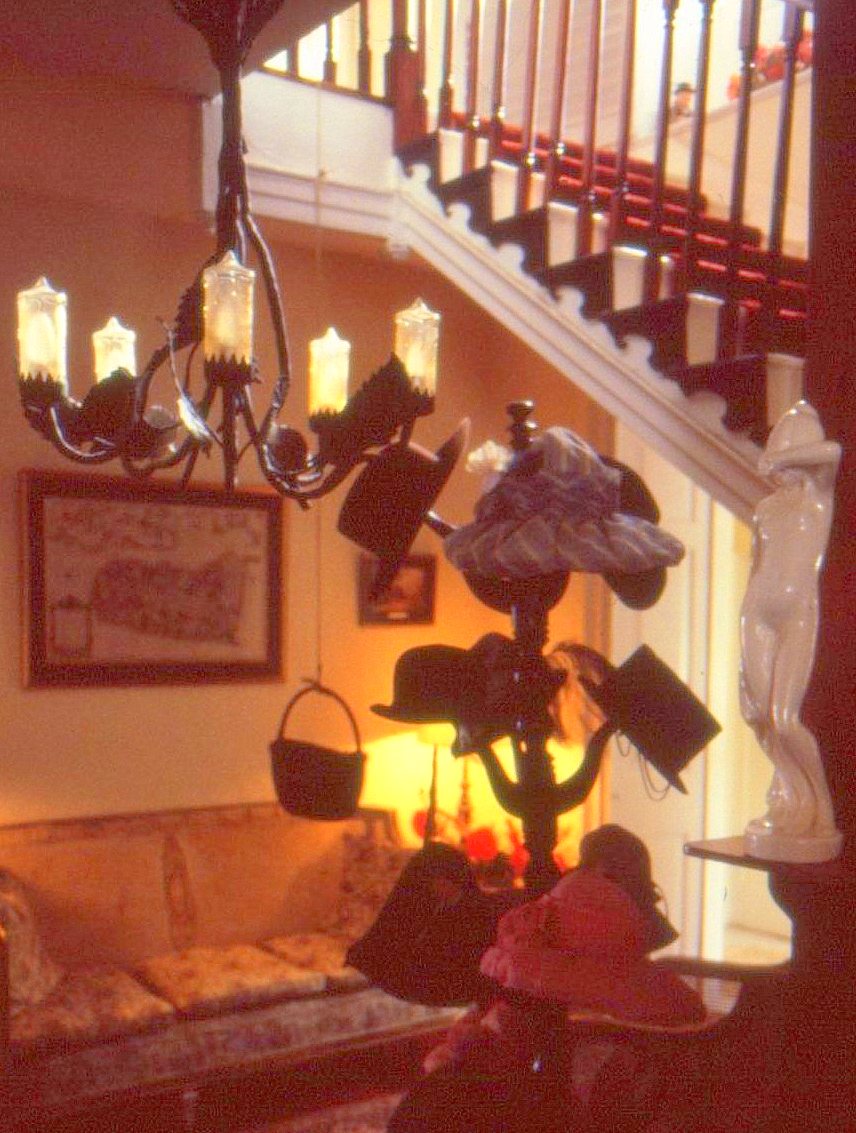
Sunbury plantation great house, Barbados

Its ownership has passed through seven families, and the house has survived not only a hurricane in 1780 that likely removed much of its roof, but also damage sustained during the slave rebellion of 1816 and a fire in 1995.
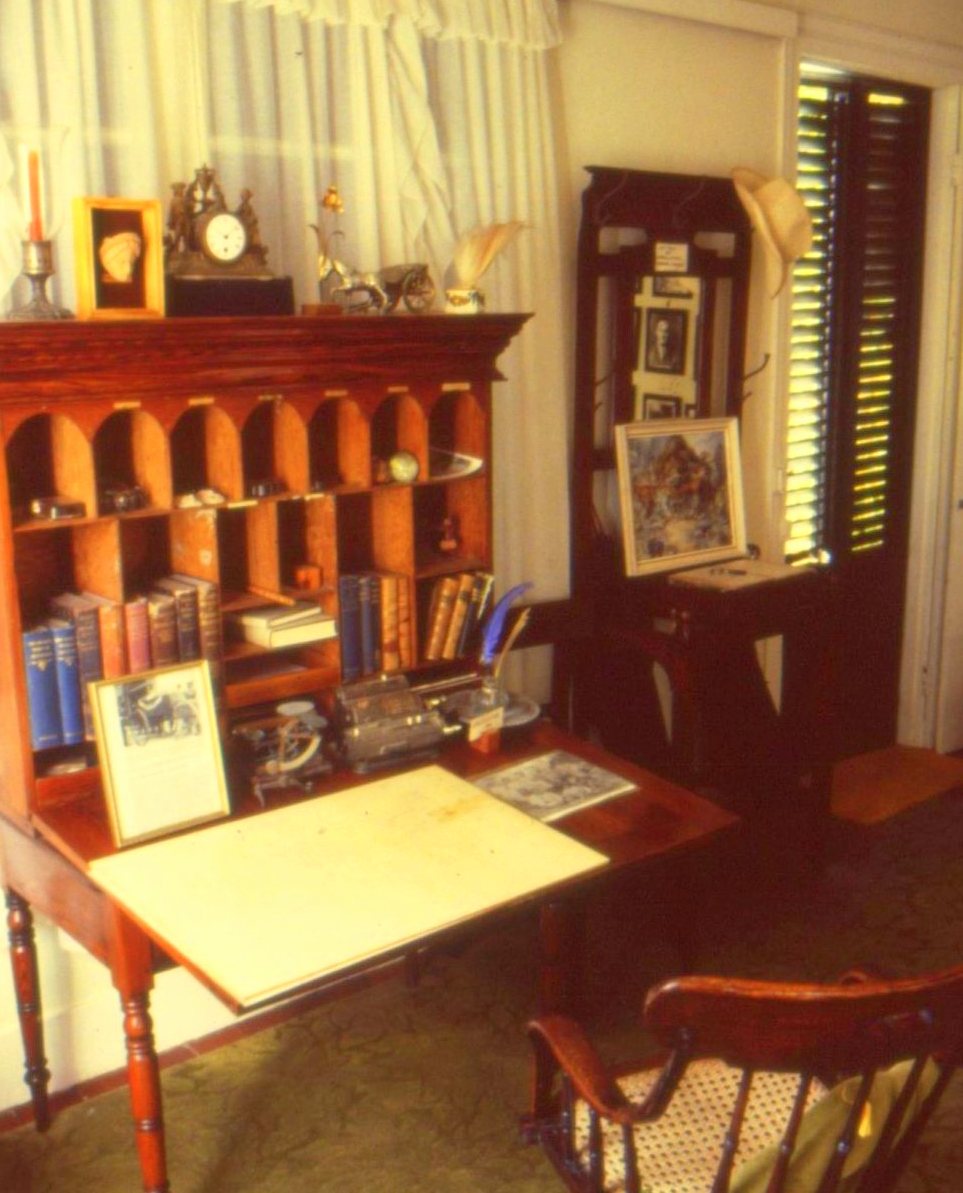
 

Sunbury plantation great house, Barbados

Furniture destroyed by the fire was replaced from other collections and items made available for purchase by numerous Barbadian families, and Sunbury House now houses one of the country’s best collections of antiques.

Sunbury plantation great house, Barbados

The casual elegance within its rooms exudes the tastefulness of old money that ably evokes the feeling of a homeland half a world and centuries distant. The house is spacious and rambling.

Sunbury plantation great house, Barbados

Bright tropical sun floods through windows open to trade winds that keep it remarkably comfortable.  Furnishings in many of the rooms seem to freeze them in the moment that the plantation finally ceased operations.

Sunbury plantation great house, Barbados

In other rooms the furnishings reach back into the days before running water.


Sunbury plantation great house, Barbados

The antiques here include not only furnishings, but items used in daily domestic life and machinery used in the last century to cultivate the land.

Sunbury plantation great house, Barbados

Such authenticity leaves a sense that the owners have stepped out for a short while, to return at any moment.

Sunbury plantation great house

I found it hard to wander through these rooms without an acute awareness that the wealth they reflect was built on the backs of slaves who early on replaced English indentured servants in performing the labor-intensive process of sugar cultivation and harvesting.

By the time Parliament abolished slavery in 1833, more than 200 slaves worked the Sunbury plantation.

Unlike in the U.S., their full emancipation was preceded by 6 years of apprenticeship and their owners were compensated by the government.  As in the U.S., many of these freedmen and their descendants continued to work the land until mechanization displaced most of them.

Sunbury plantation great house, Barbados

At its peak, the sugar industry cultivated 80% of Barbados’ arable land and accounted for 90% of its export revenue.  Today tourism accounts for nearly half of the nation’s foreign exchange, and my trip so far still leaves lots yet to see.

Watch next for an account of my visit to the Mount Gay Barbados rum distillery!

Until then, check out my related post, Basking In Barbados, for a look at more of this engaging island.
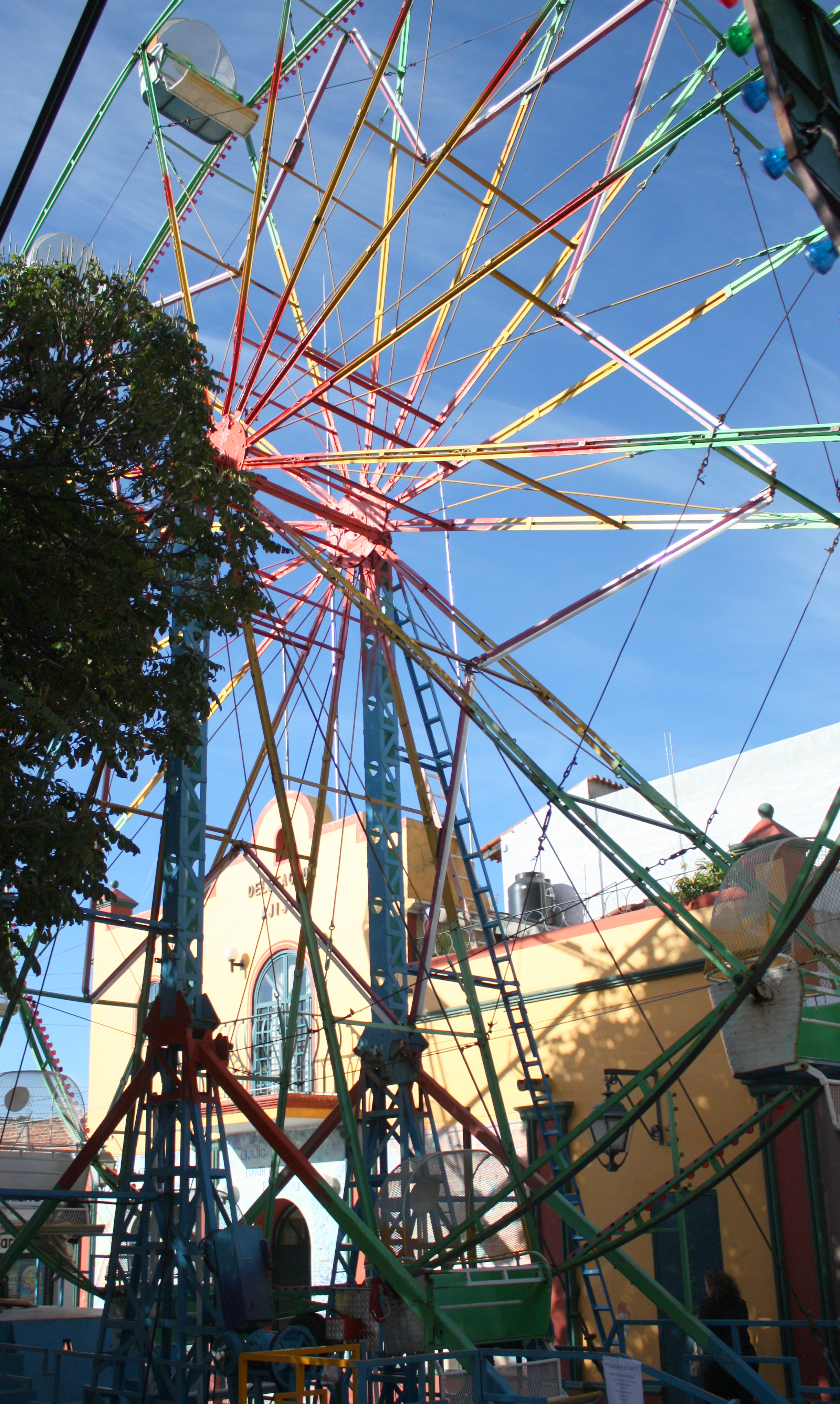
Ferris wheel looms over the municipal Delegación building

The Tuesday sun is not long risen and there’s a slight chill in the air as I walk into the village over cobblestone streets.

On other weekdays I would be passing workers headed to their jobs and schoolchildren on their way to class, but this day is different.

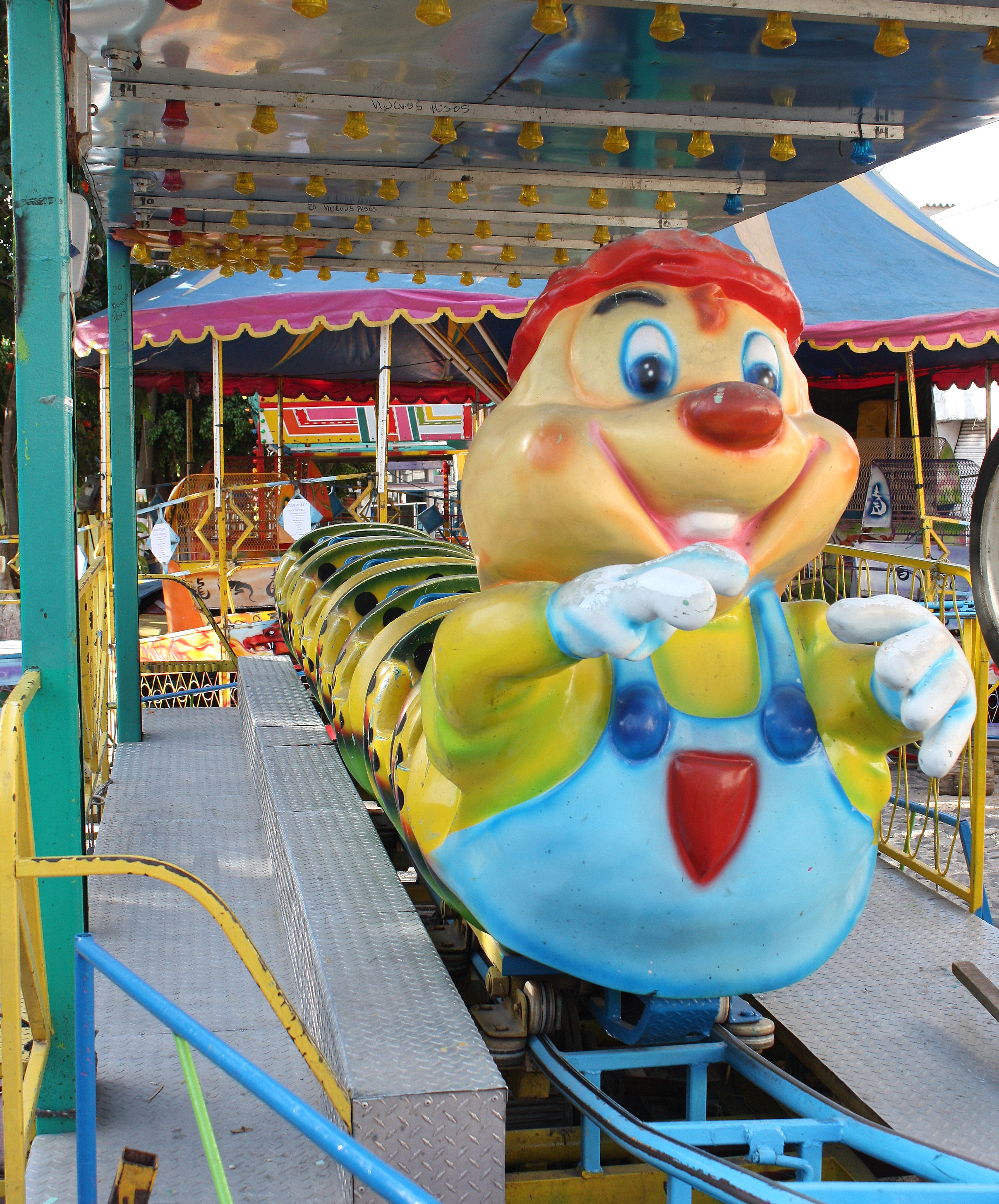
Carnival ride awaits the start of Fiesta

Here in Ajijic it’s the day before the beginning of the fiesta patronale – the patron saint Fiesta de San Andres, and as I turn toward the plaza the street is already blocked by waiting carnival rides.

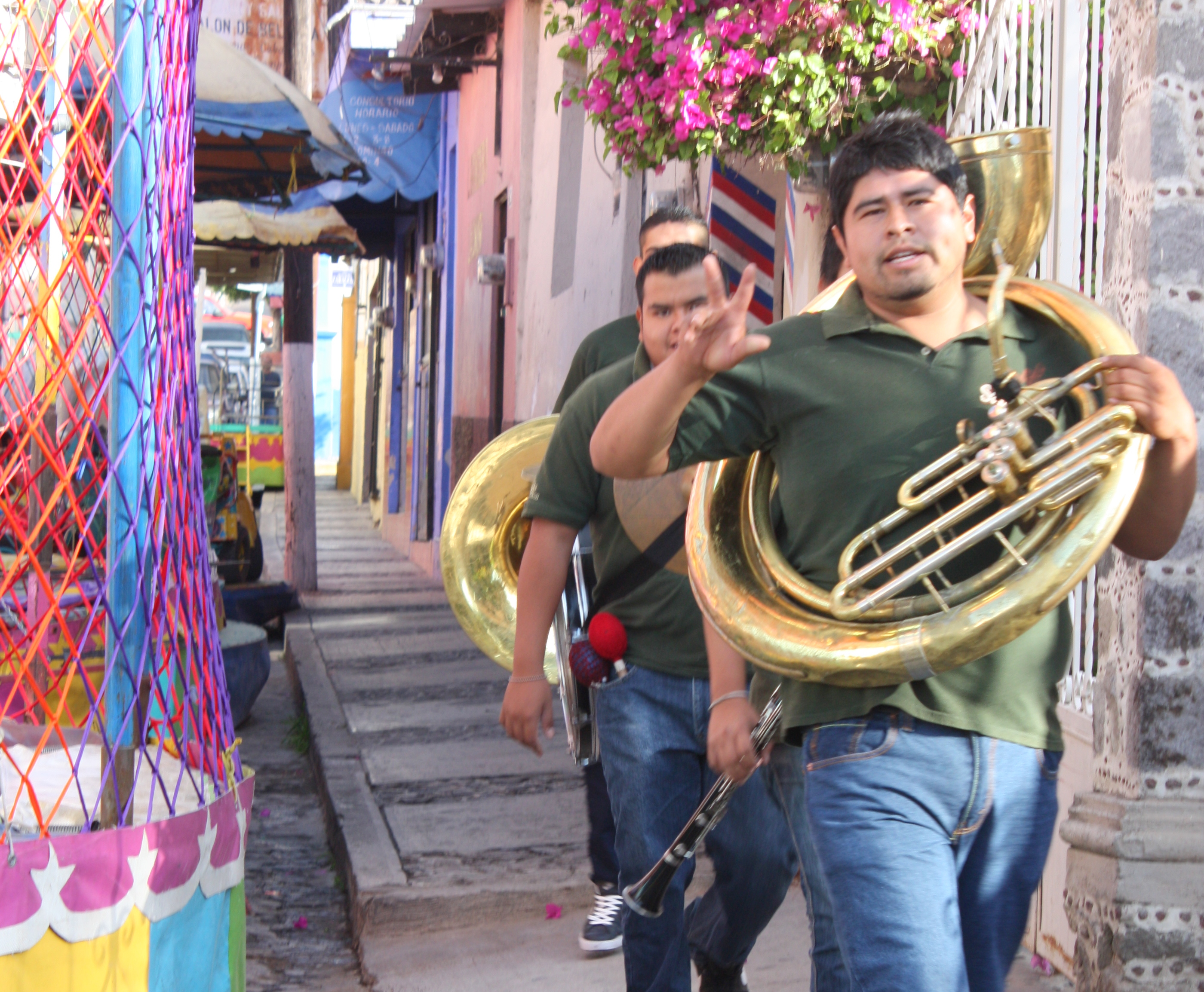
Band member rush to meet the parade

It’s also the 112th anniversary of the start of the Mexican Revolution… the Dia de la Revolución.

A trio of bass band musicians passes me hastily, rushing toward the Revolution Day parade assembly point, which stretches for several blocks at the eastern end of the village.

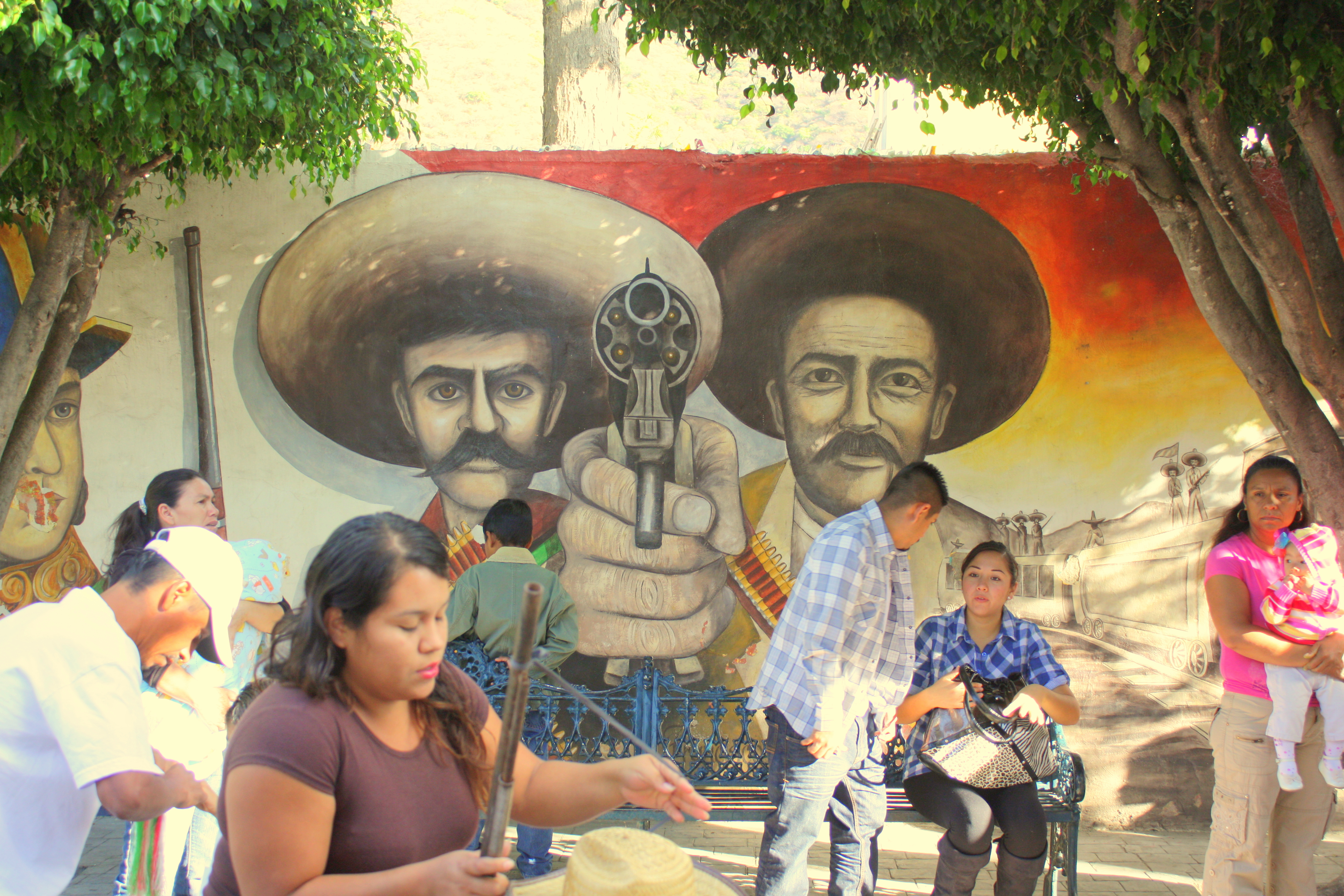
I follow them through the plaza past a mural that celebrates the Revolution.

Wall mural of Revolutionary heroes just off the Plaza

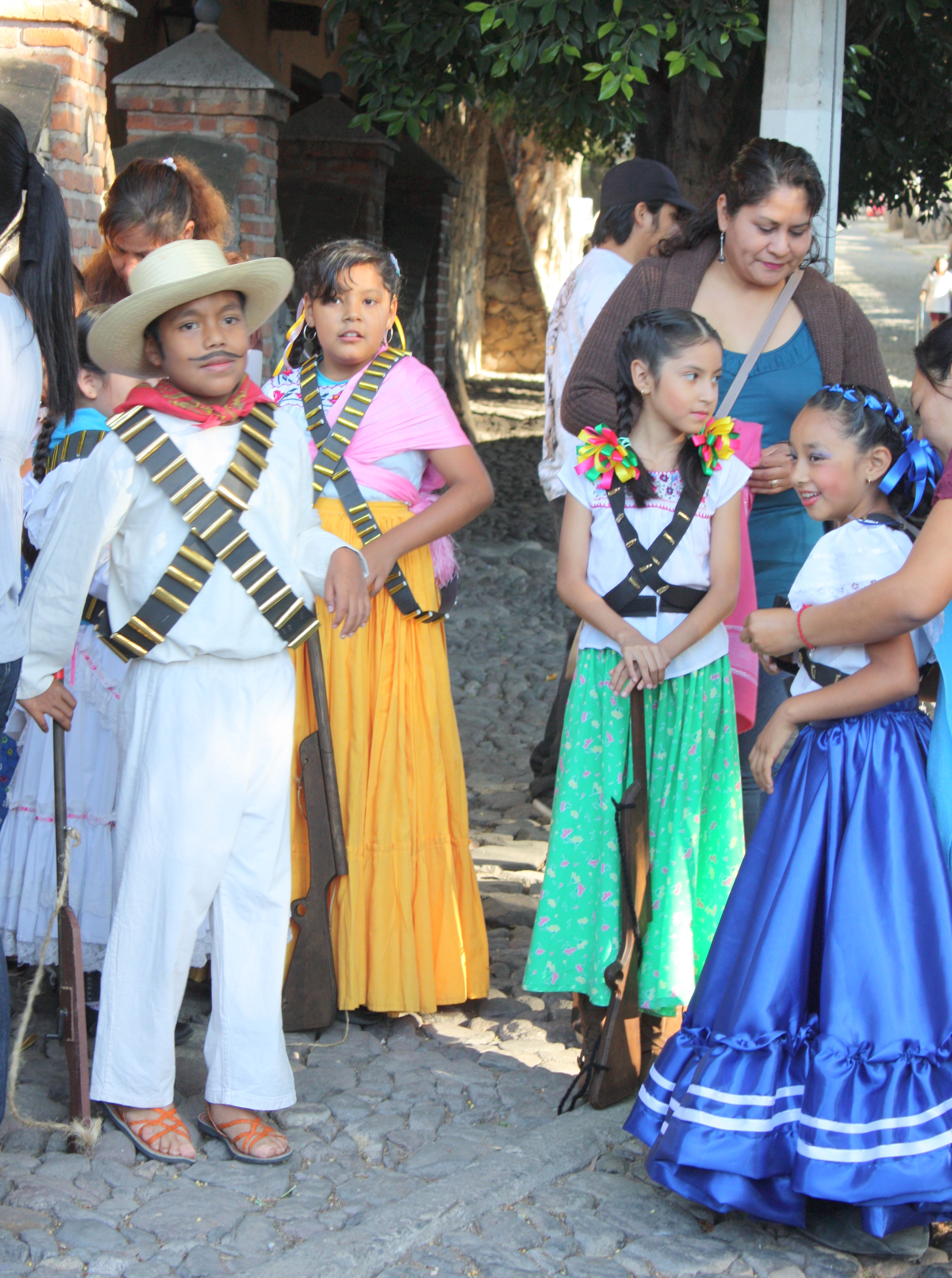
Costumed children awaiting the start of the parade

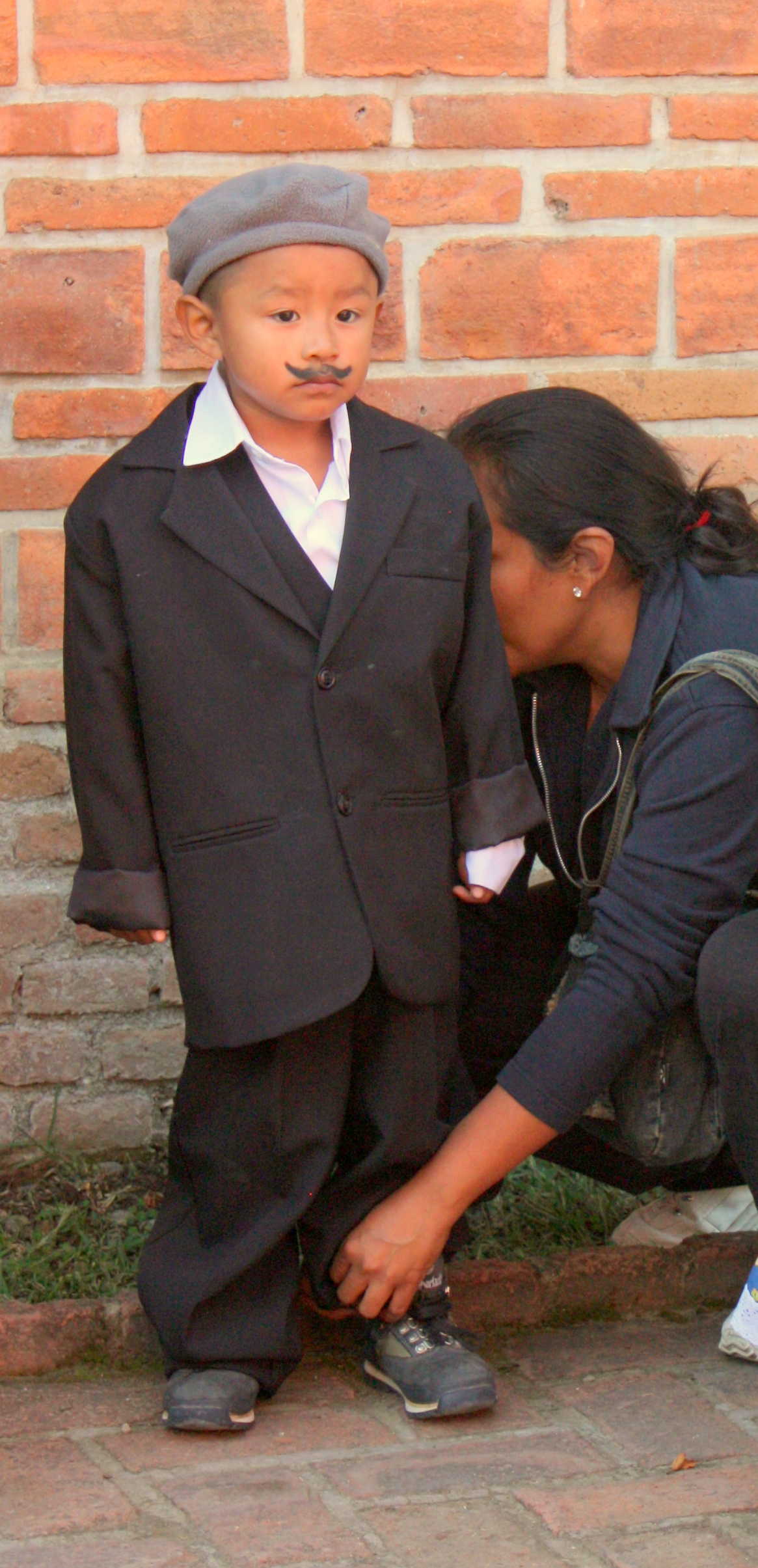
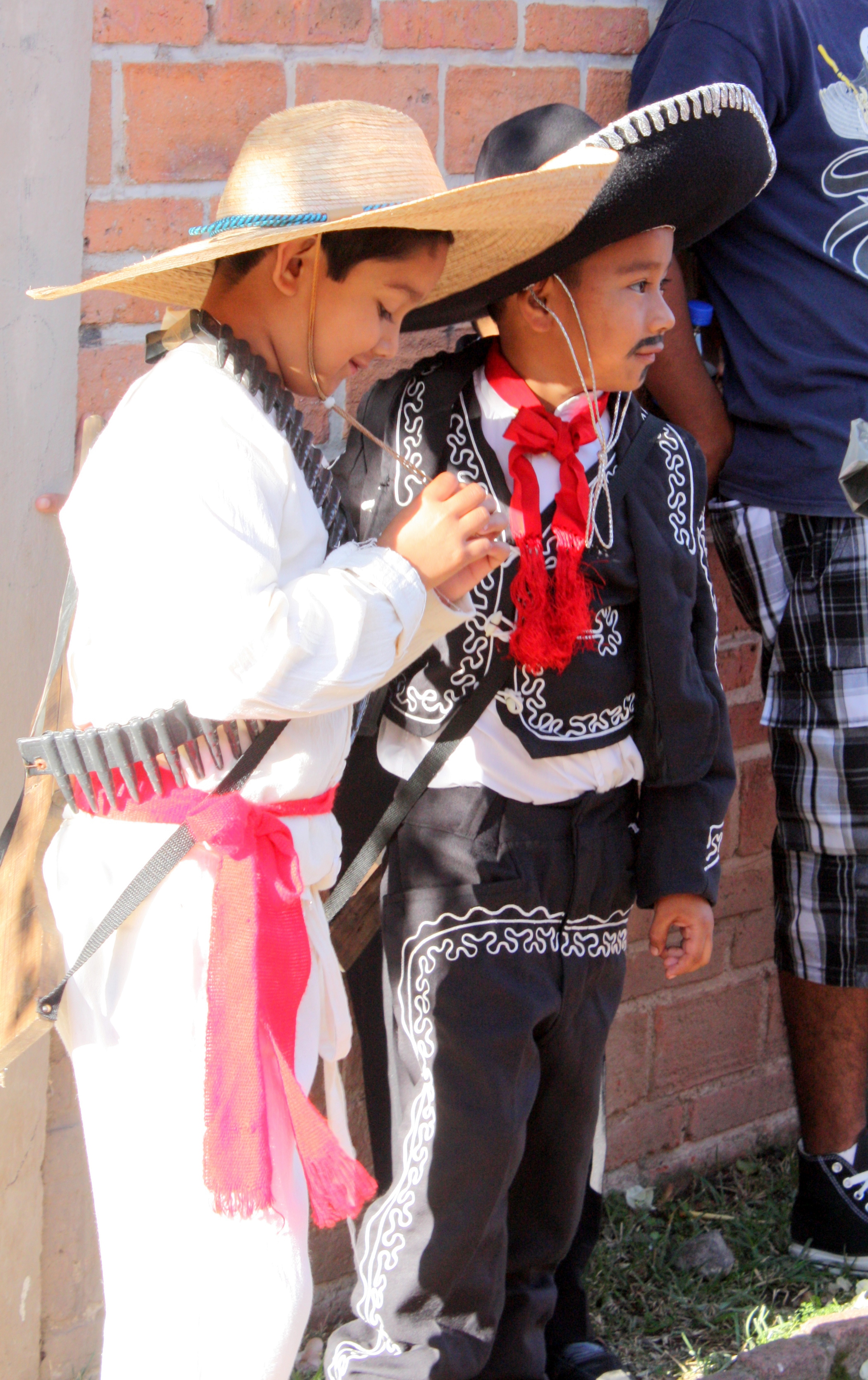
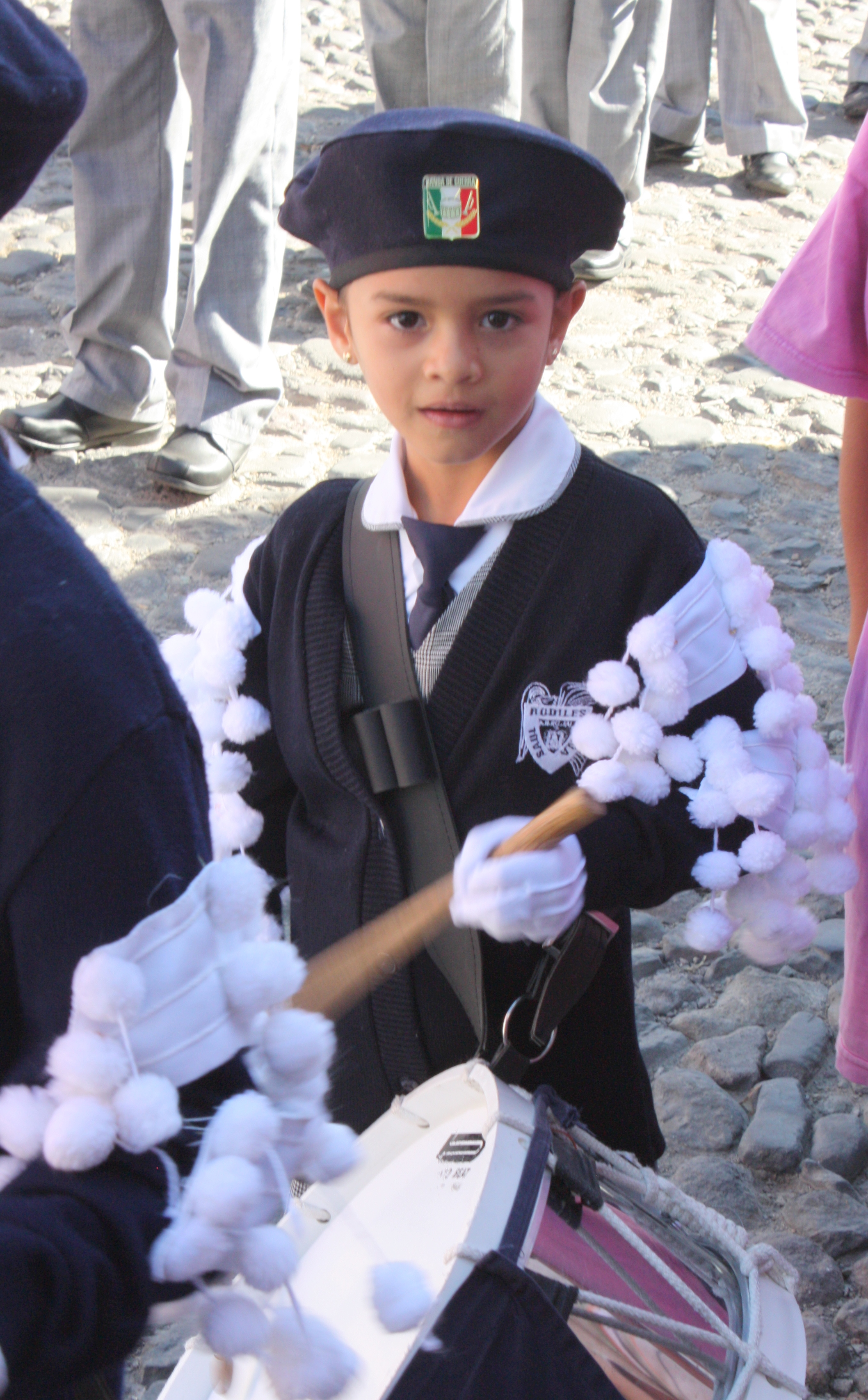
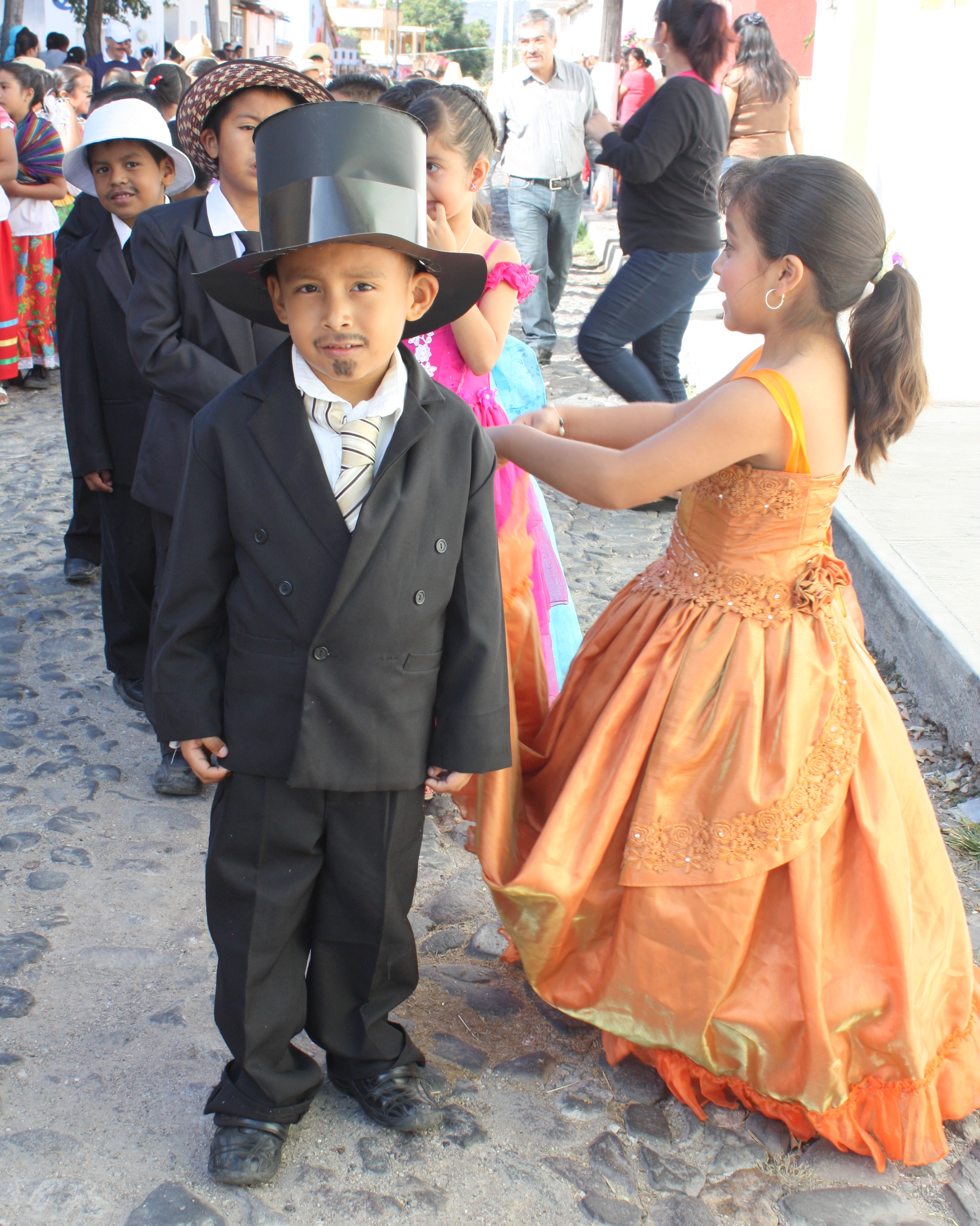
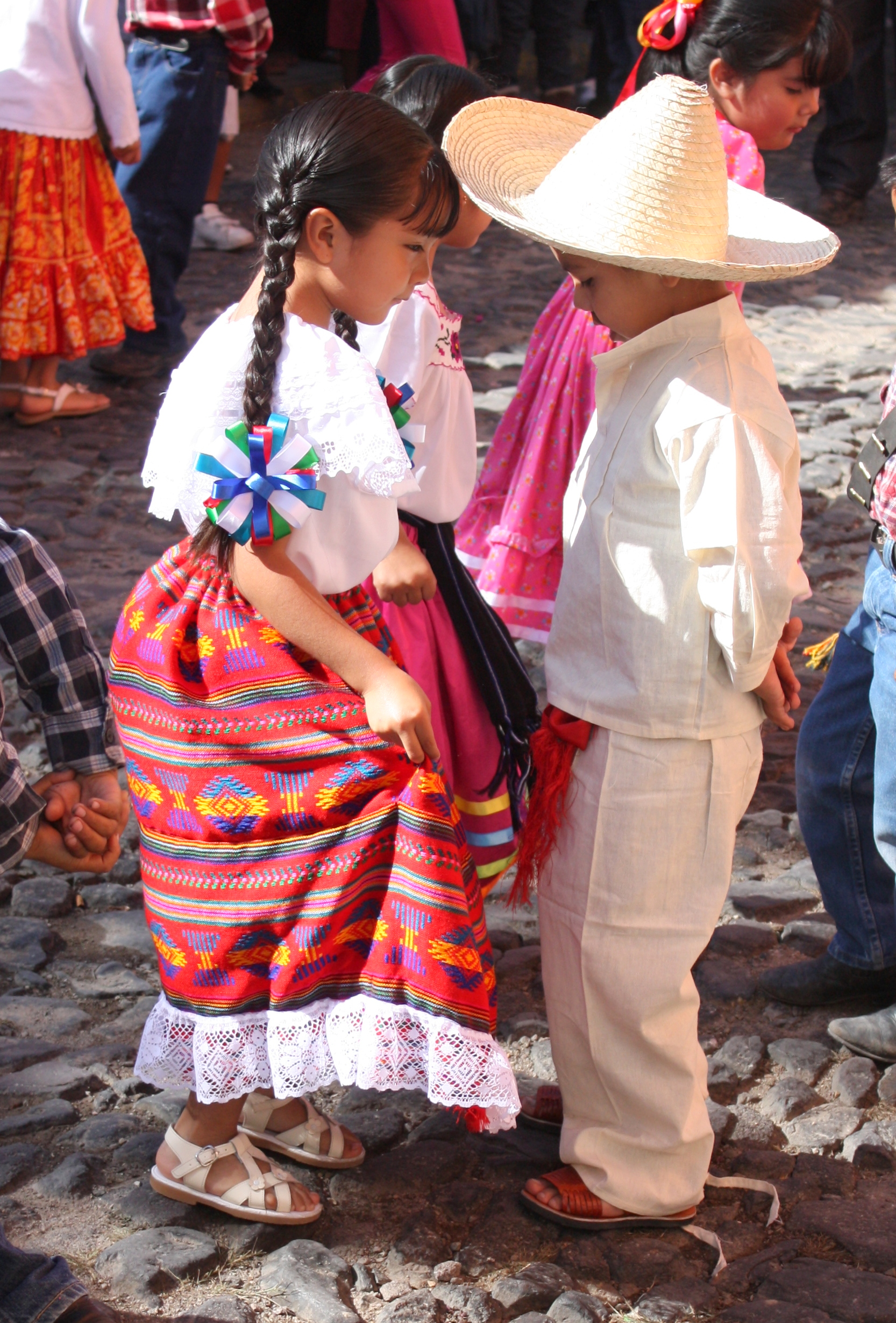
Milling about the parade’s starting point are hundreds of children in costumes ranging from drum-and-bugle corps to heroes of the Revolution, and parents everywhere are making last minute adjustments to fidgeting ninos.

A mother makes last minute costume adjustments

The scene gives me pause for reflection.  American independence, the American Revolution, and the framing of the U.S. constitution unfolded as a virtually unified event spanning only 13 years.  In Mexico these events occurred separately over more than a century, the outcome of each many times cast into doubt.

Two costumed boys pass time before the parade

There’s a case to be made that the Mexican Revolution is still a work in progress.  Its memory is still fresh; the parents of the children in today’s parade grew up at the feet of grandparents who survived it.

Sweeping the street on the parade route

Sweeping the street on the parade route


Today education and information technology are giving their children the tools to better practice democracy and hold their government more accountable for the promises made by the Revolution.


The parade participants have begun to queue up in marching order. Along the route women are sweeping the cobblestones.

Waiting for the parade to pass

Families are collecting in windows and doorways in anticipation.


The last census pegged Ajijic’s population at around 10,000 persons.  At least 1,500 are children participating in today’s procession and easily twice that number line the streets to watch them.

Little drummer girl

'Franciso Madero' pauses along the parade route

‘Franciso Madero’ pauses along the parade route


Bands and drum corps keep the procession moving as teams of gymnasts pause at every block to build human pyramids.

Other teams wave bandannas, hoops, or batons in synchronized drills.

It has the look of small town patriotic parades all across North America except for the setting… and children in traditional Mexican costume dressed as miniatures of the heroes of the Revolution.

Youngsters perform a traditional folk dance

Madero.  Zapata.  Villa.  The youngest ride in the ever-present pickup truck float, arranged in tableaus that recall historical events.


Costumed children create an historical tableau

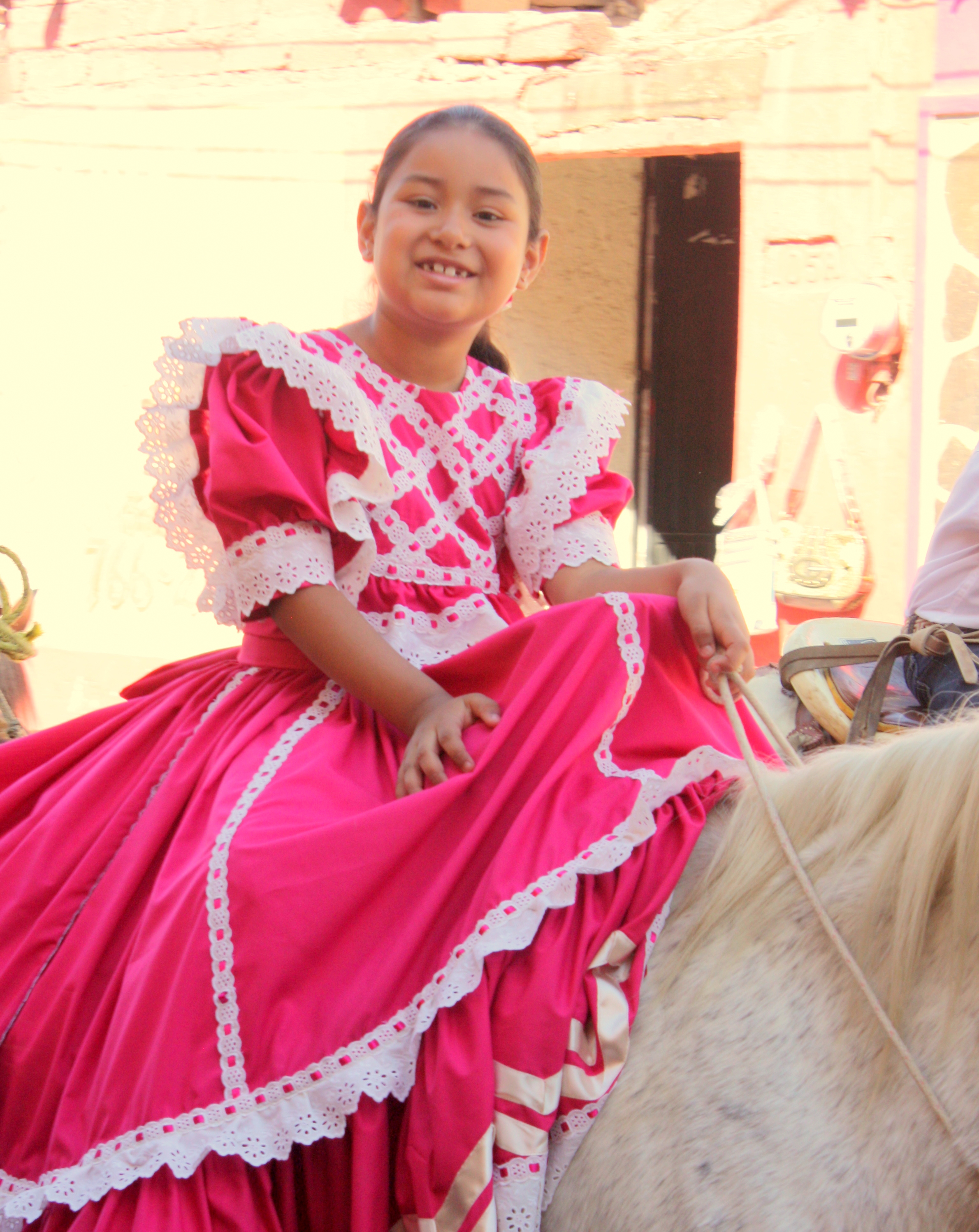
A charro-in-training astride her mount

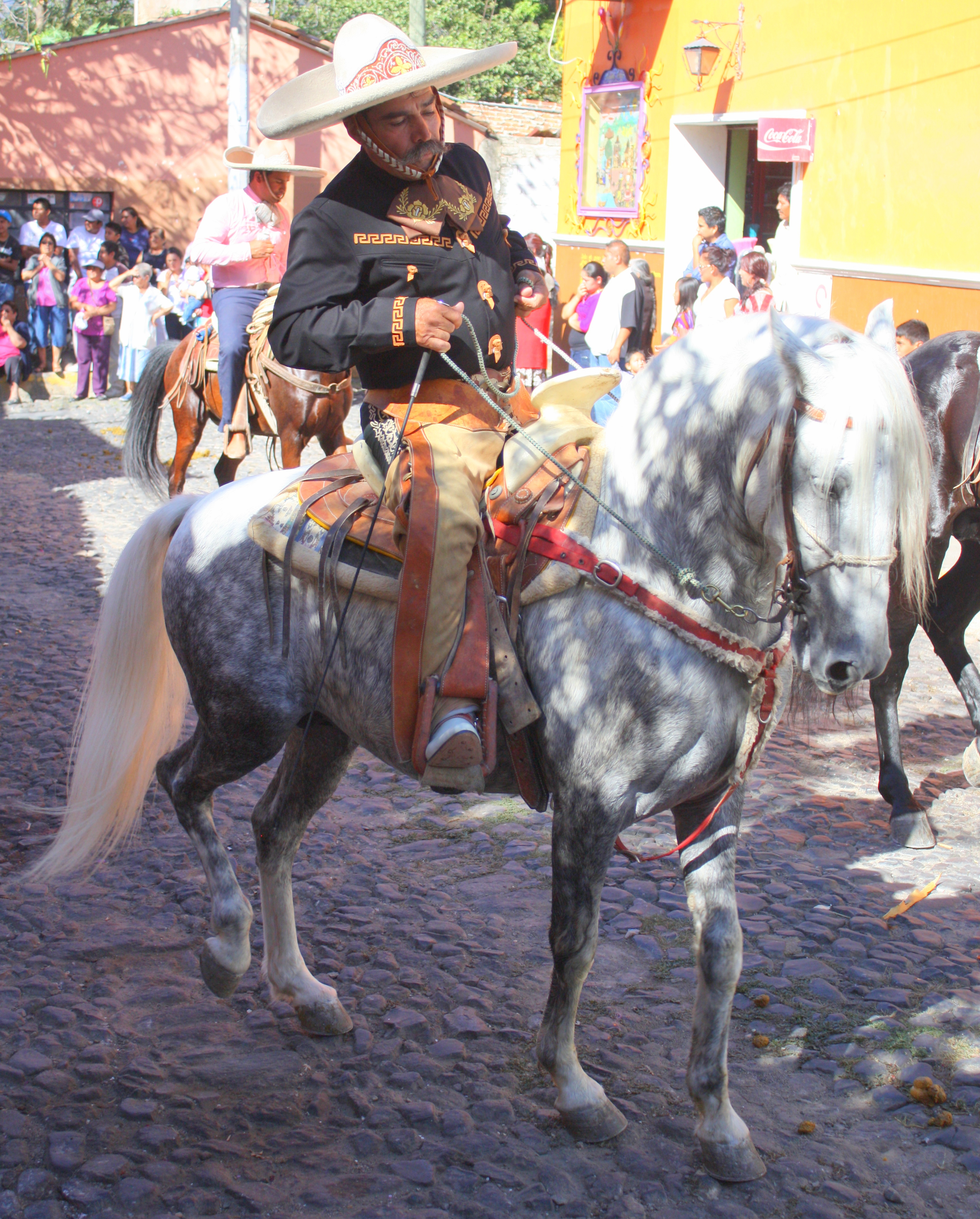
And because Ajijic is undeniably Jalisciense, the parade would not be complete without the charros, whose horses amazingly dance across the cobblestones to the sound of traditional Mexican tunes.

A charro puts his dancing horse through its routines

In the morning 10 days of fiesta begins, and there will be no need for an alarm clock, because the boom of fireworks, clanging church bells, and blaring brass bands will do the job before sunup!

The artisan as art

Mexico’s folk art is at risk of becoming an endangered species! Industrialization and urbanization – not to mention cheap Chinese knock-offs – are driving local artists to leave their villages and forsake their craft for work in the cities.

All natural fabric dyes are made from plants and insects

The good news is that there is a strong antidote in Ajijic’s Feria Maestros Del Arte, which this weekend celebrates its eleventh year.


A ceramic octopus in fanciful colors

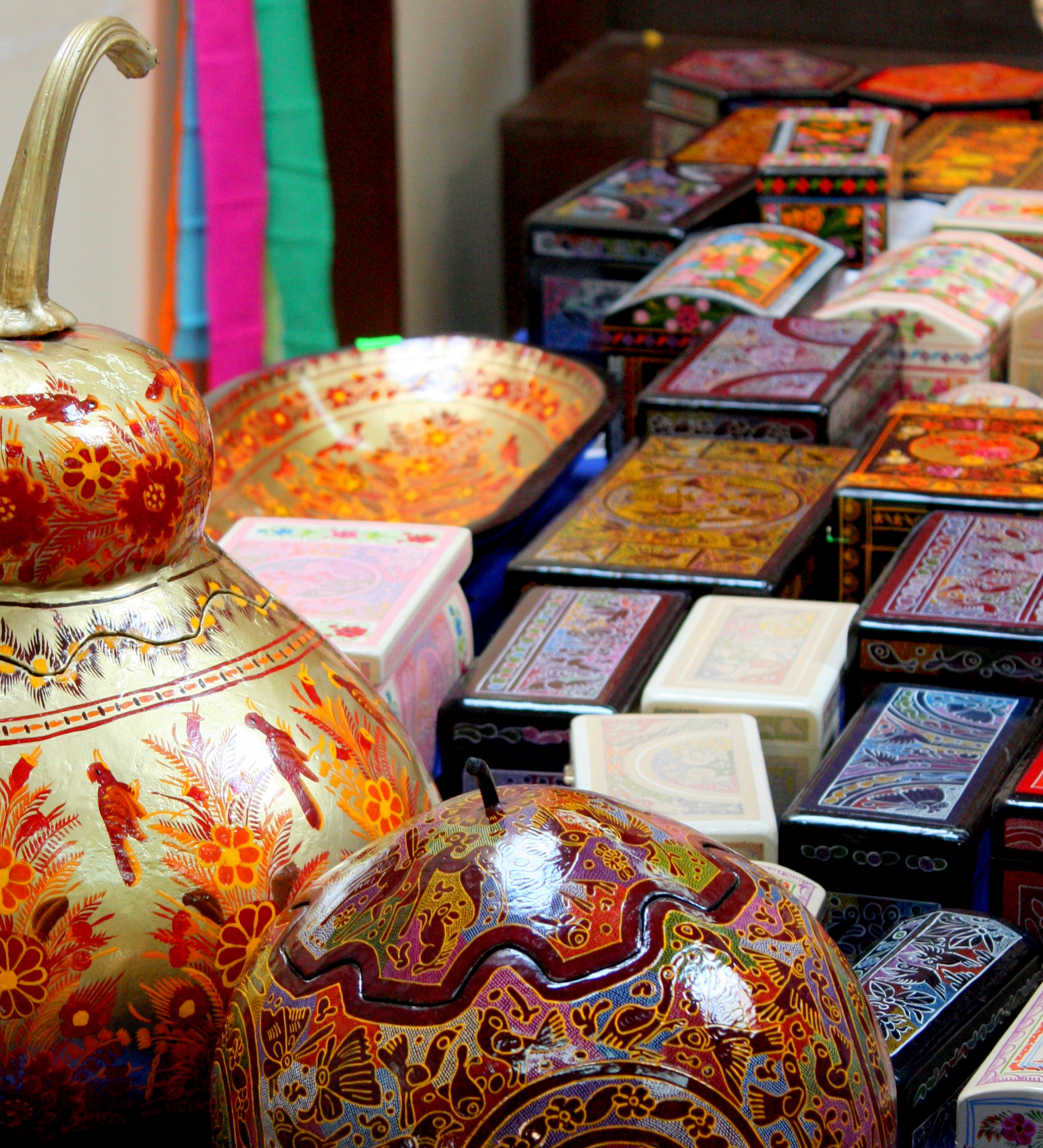
Painstakingly painted detail

The Feria is a standout among area venues for artists and artisans not only for the quality, breadth, and originality of its work, but for its single inspired purpose of protecting and preserving Mexico’s community of indigent artists and their artistic traditions.


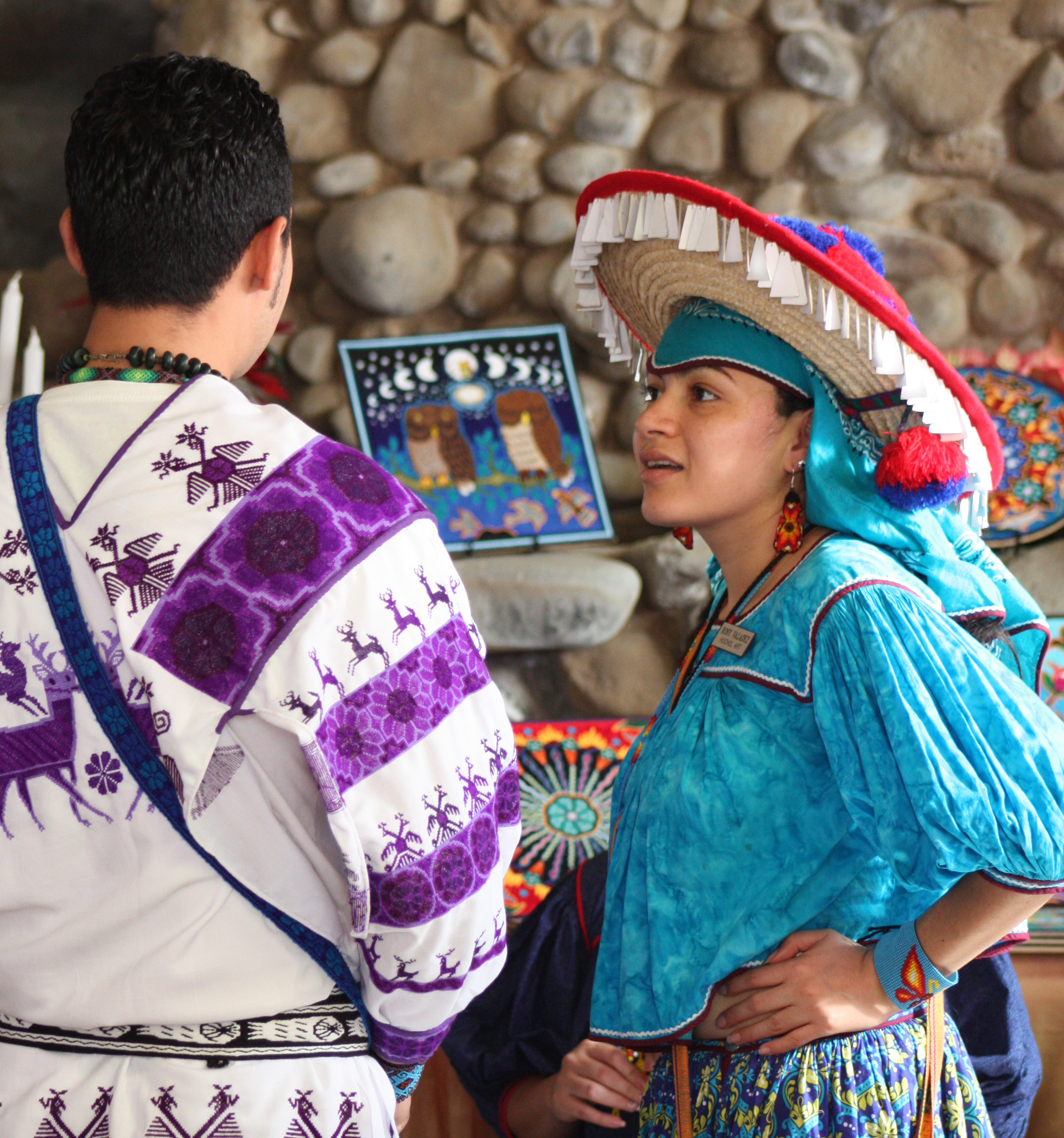
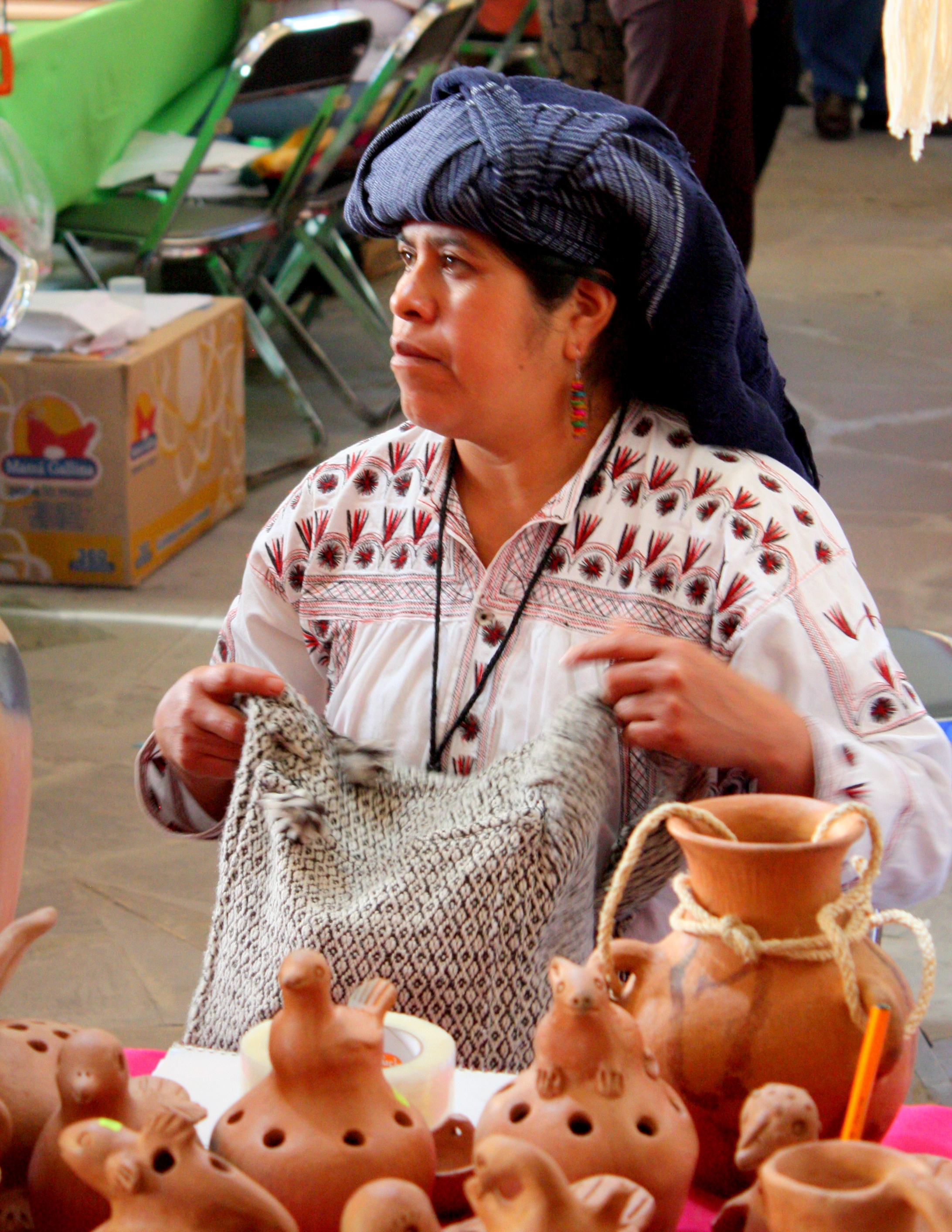
Artisans in bright traditional garb

Artisans in bright traditional garb

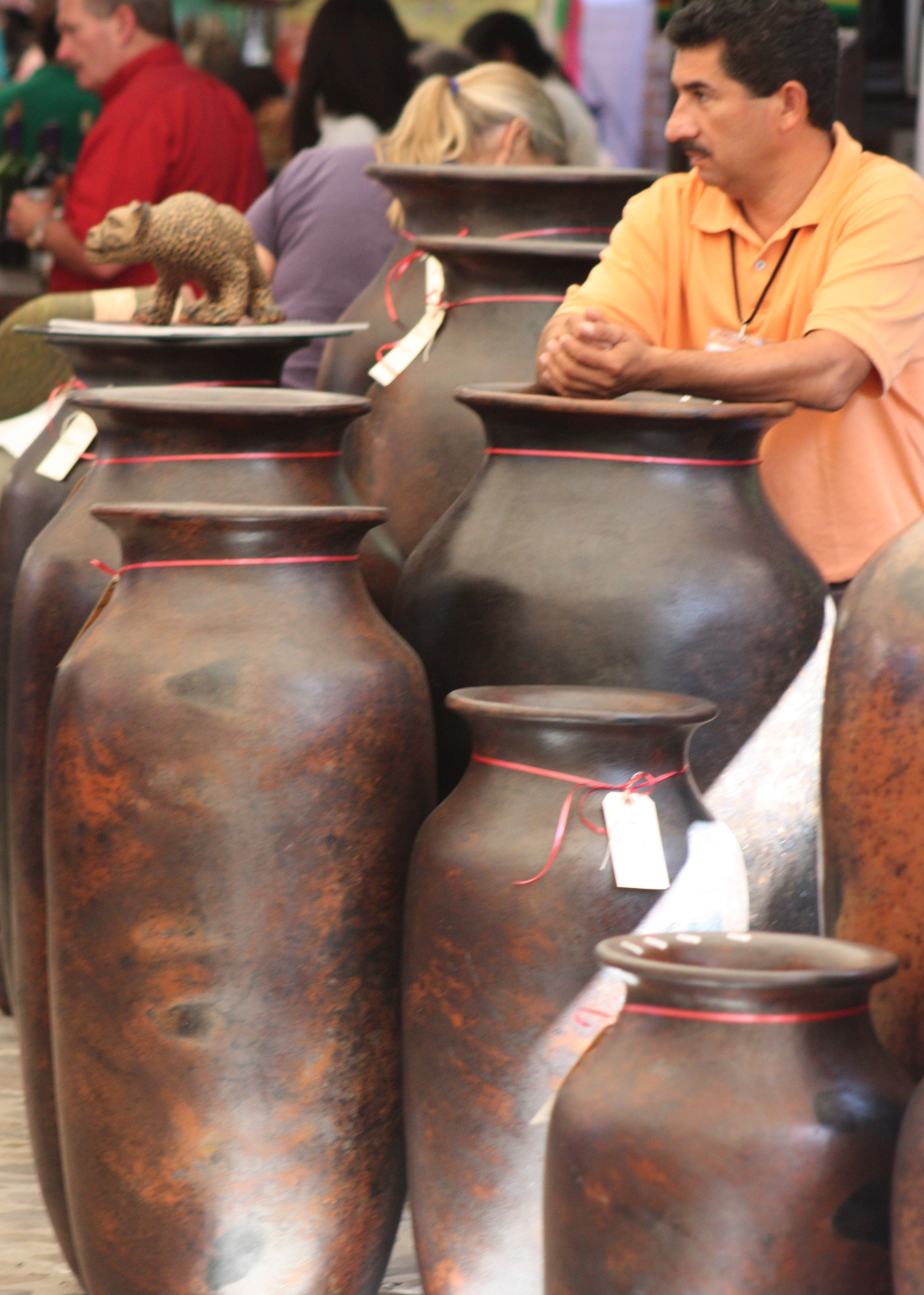
A potter stands chest-high in his work


The Feria is also philanthropic capitalism that showcases this art and these artists to the expat community and to visiting art merchants.

The outcome is an opportunity for these distinctive works to fetch the fair price that promotes their economic sustainability.


Clay iIguana at perpetual rest

Clay iIguana at perpetual rest


The philanthropy, though, goes well beyond simply bringing sellers and buyers together.

The merchants – more than 60 of them – are charged no fees for exhibit space.


The Feria is the brainchild of locally resident gringa Marianne Carlson, who each year travels the length and breadth of Mexico seeking out new talent.

There’s a message in the tiny symbols on this piece

Adding finishing touches to a corn husk blossom

Adding finishing touches to a corn husk blossom


An extensive network of volunteers and significant donations – the Feria is registered as a non-profit in both Mexico and the U.S. – assure that every dime of every sale goes to the merchant artists.


Lady mariachis waiting to go on stage


Many receive transportation assistance or are housed and fed gratis in the homes of locally resident expats.


The Feria is also nothing if not authentic.


All of the exhibited goods are handmade by native artists using materials native to Mexico, and much of this remarkable work has rarely been exhibited outside of the often remote villages in which it is created.


Lady mariachis' wall of sound

Lady mariachis’ wall of sound


Many of the artisans are but the latest in generations of family artists.
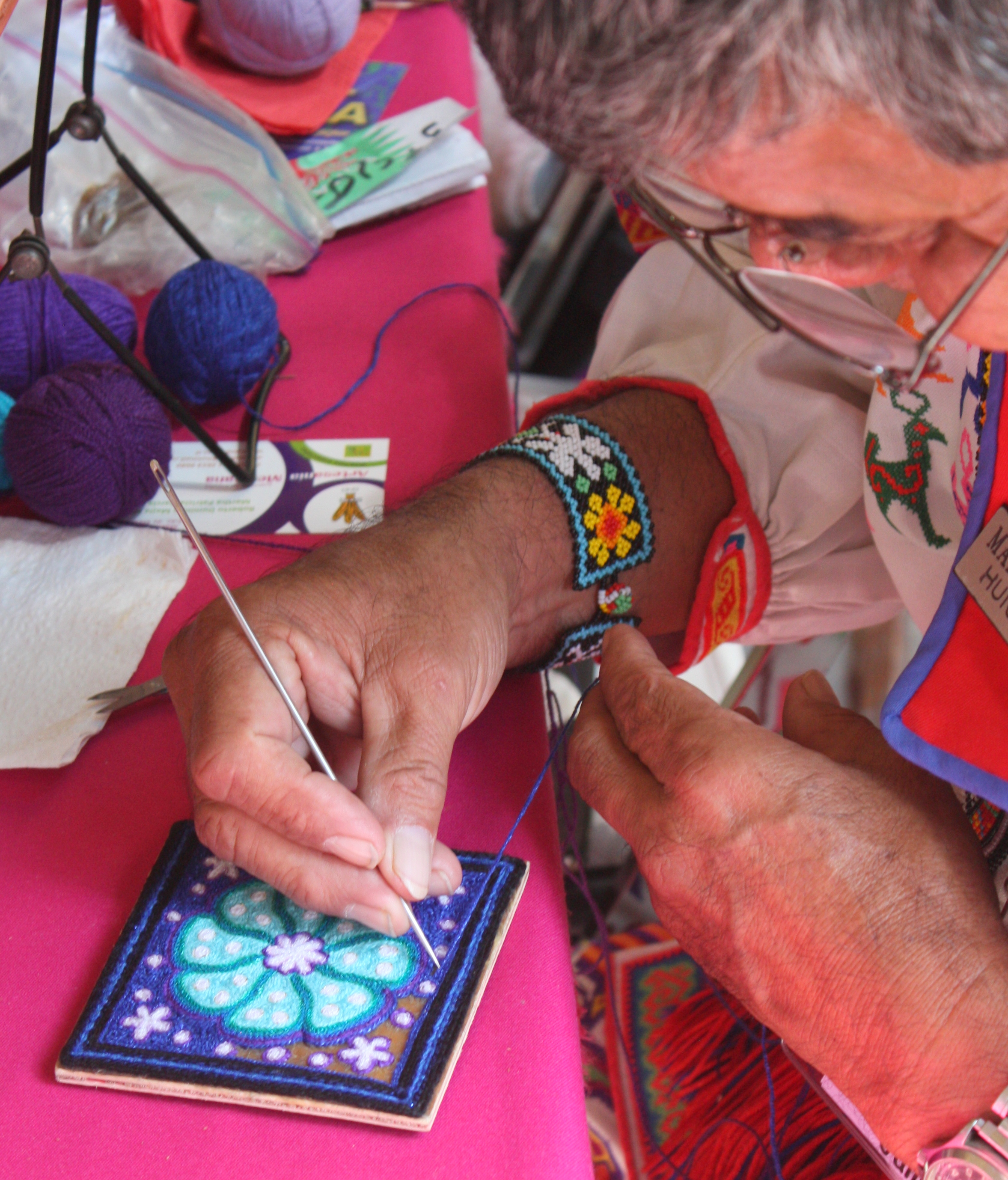
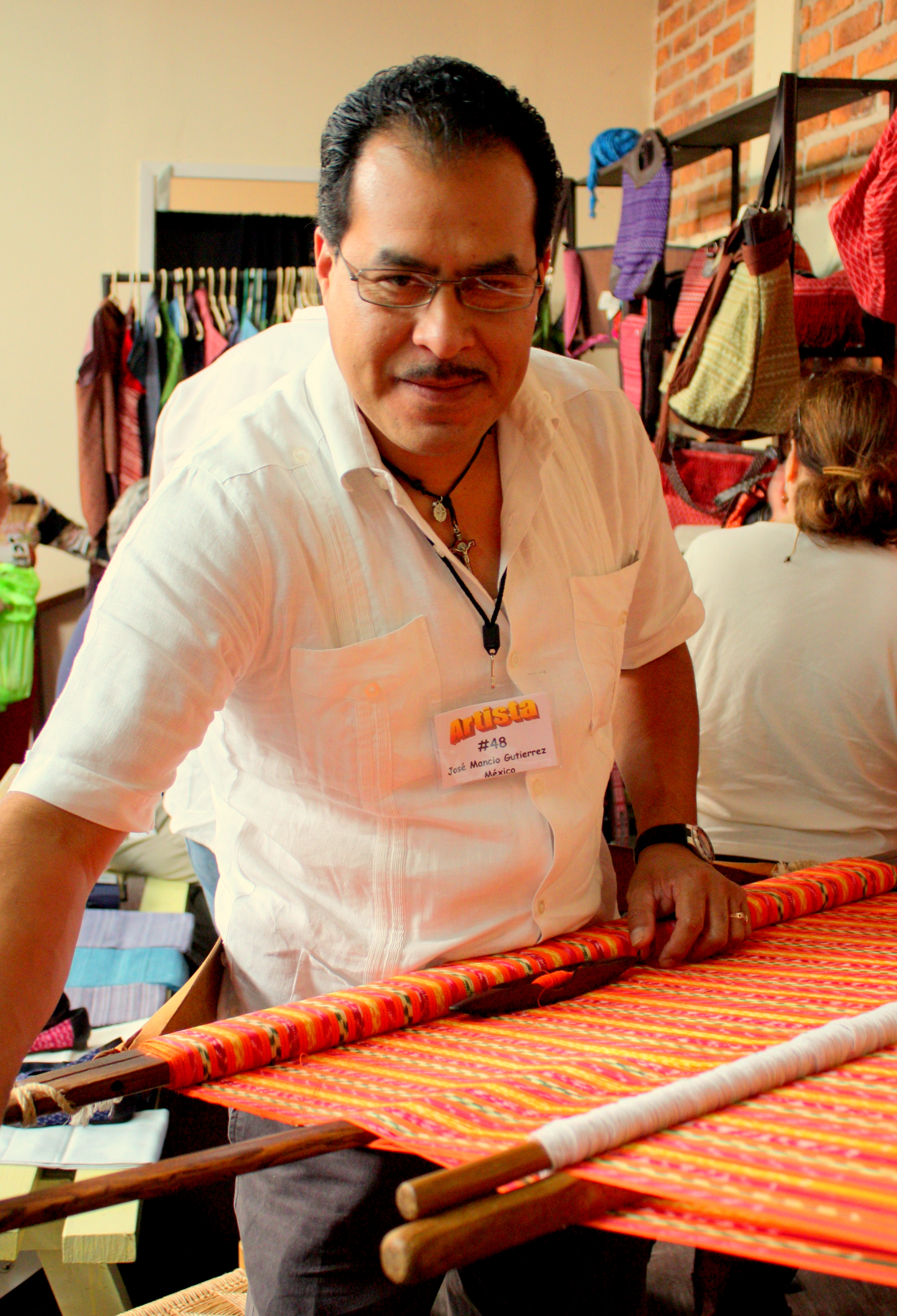
Shoppers can watch many of the artisans continue to create as they tend their market stalls while patiently explaining the symbolism of the images in their work and the process by which it is produced.


This is my first year to experience this event, and I have the good luck to do so from a front-row seat in more ways than one.

Jurassic metal sculptures

Jurassic metal sculptures

It’s located within easy walking distance of my place, which is a real bonus since the patrons’ parked cars have not only lined the curbs of surrounding neighborhood streets, but spilled out along the Carretera for a quarter mile in both directions.

Timeless

Timeless


Location, however, is only the beginning of the good luck because my place is also a room-and-board site for Feria artist Martín Ibarra and his family.

A leap of ceramic leopards

A leap of ceramic leopards


The son of a noted clay artist, Martin has been widely recognized for his painted clay sculptures of the Virgin and his intricately decorated eggs and spheres.


A threatening wooden image in playful colors

A threatening wooden image in playful colors


This year each room-and-board sponsor is taking a turn at a dinner held in their home for the artists and their fellow sponsors, and these gatherings add yet another dimension to the experience.


Hand-painted detail on wood and gourd containers

Hand-painted detail on wood and gourd containers

Artisans drawn from across Mexico from Chihuahua in the north to Oaxaca and Chiapas in the south, and when they come together each evening over food and drink the feeling is almost one of reunion.

Talk quickly turns from art to life and there’s lots of laughter here.

It’s a rare opportunity for expats to gain a glimpse into the traditions and lives of these master craftsmen, and for them to see their American and Canadian hosts up close and personally.

It’s also a great demonstration of what happens when people put national identities and politics aside and come together as individuals in a common pursuit.


Even for casual students of world cultures the Feria is not to be missed.


If you’re looking for items not to be found even in the abundance of artist communities in Guadalajara’s nearby Tonala and Tlaquepaque neighborhoods, this is the place to be.

A live face in a wall of masks


Fitting beadwork into a design

This 5th-generation weaver may need 2 months to produce a single work.


If you’ve ever wondered what happened to the spirit of social activism that marked the youth of many retirees you’ll find it alive and well in the spirit of Ajijic’s Feria.

Make your own contribution by buying something… and spreading the word.

For more information check out the Feria’s web site here.

Dias de los muertos

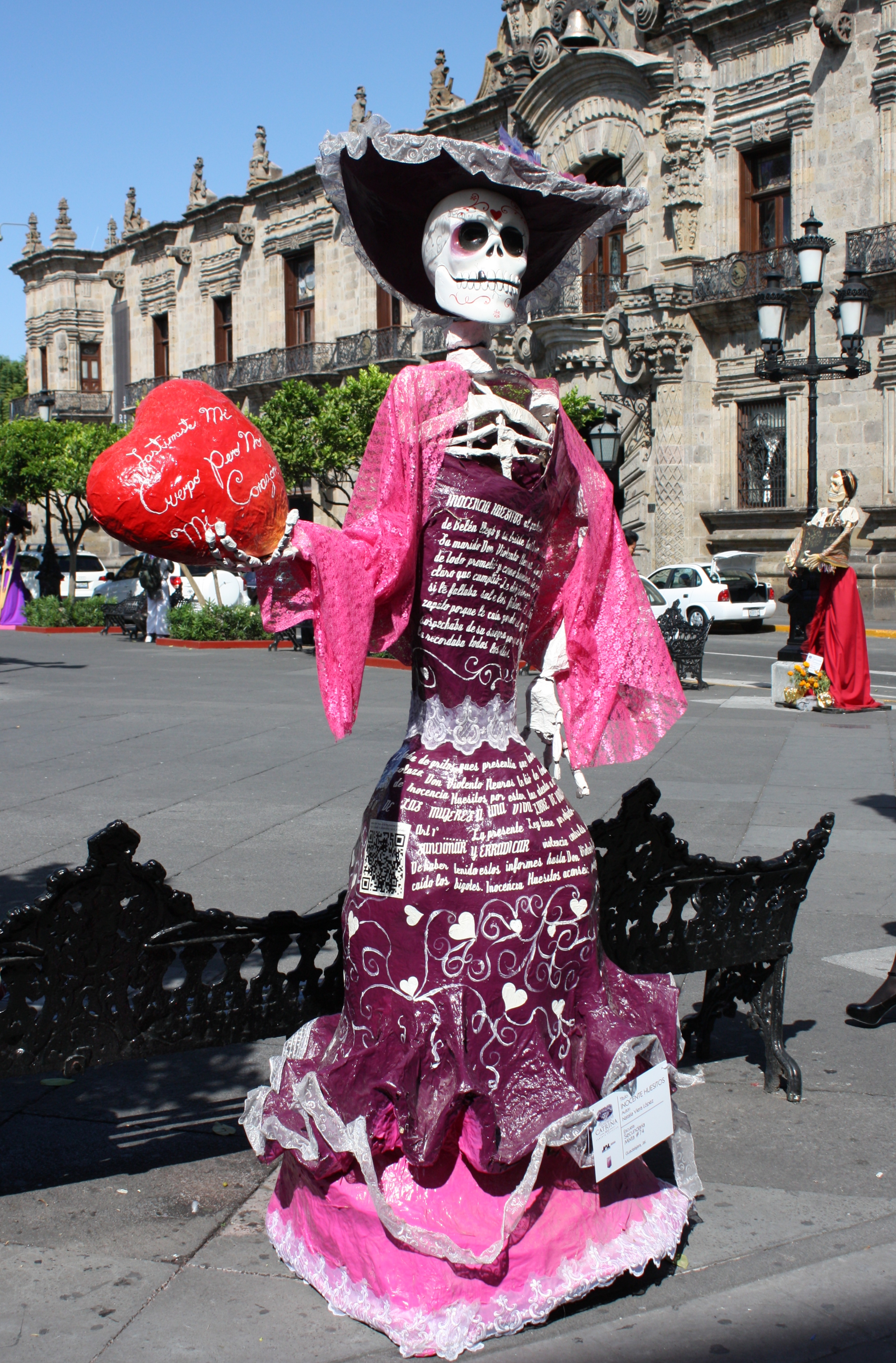
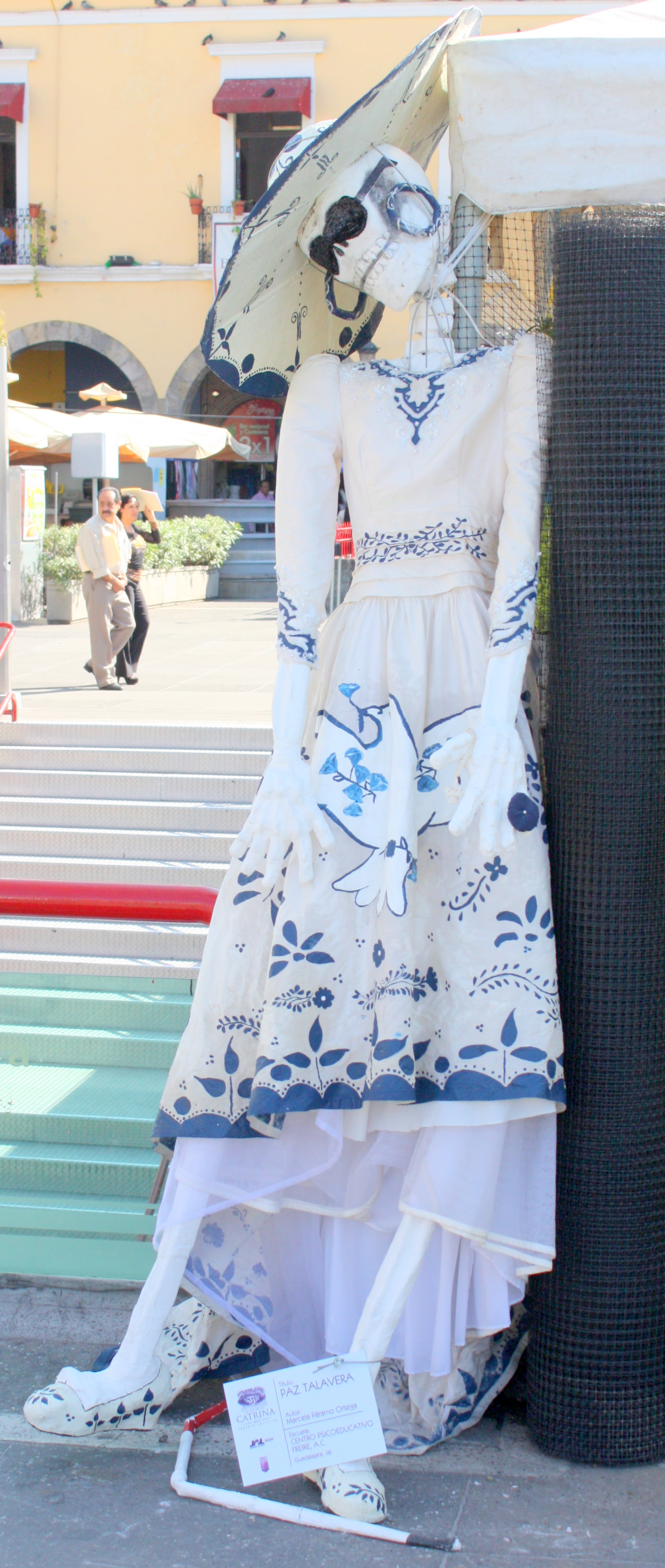
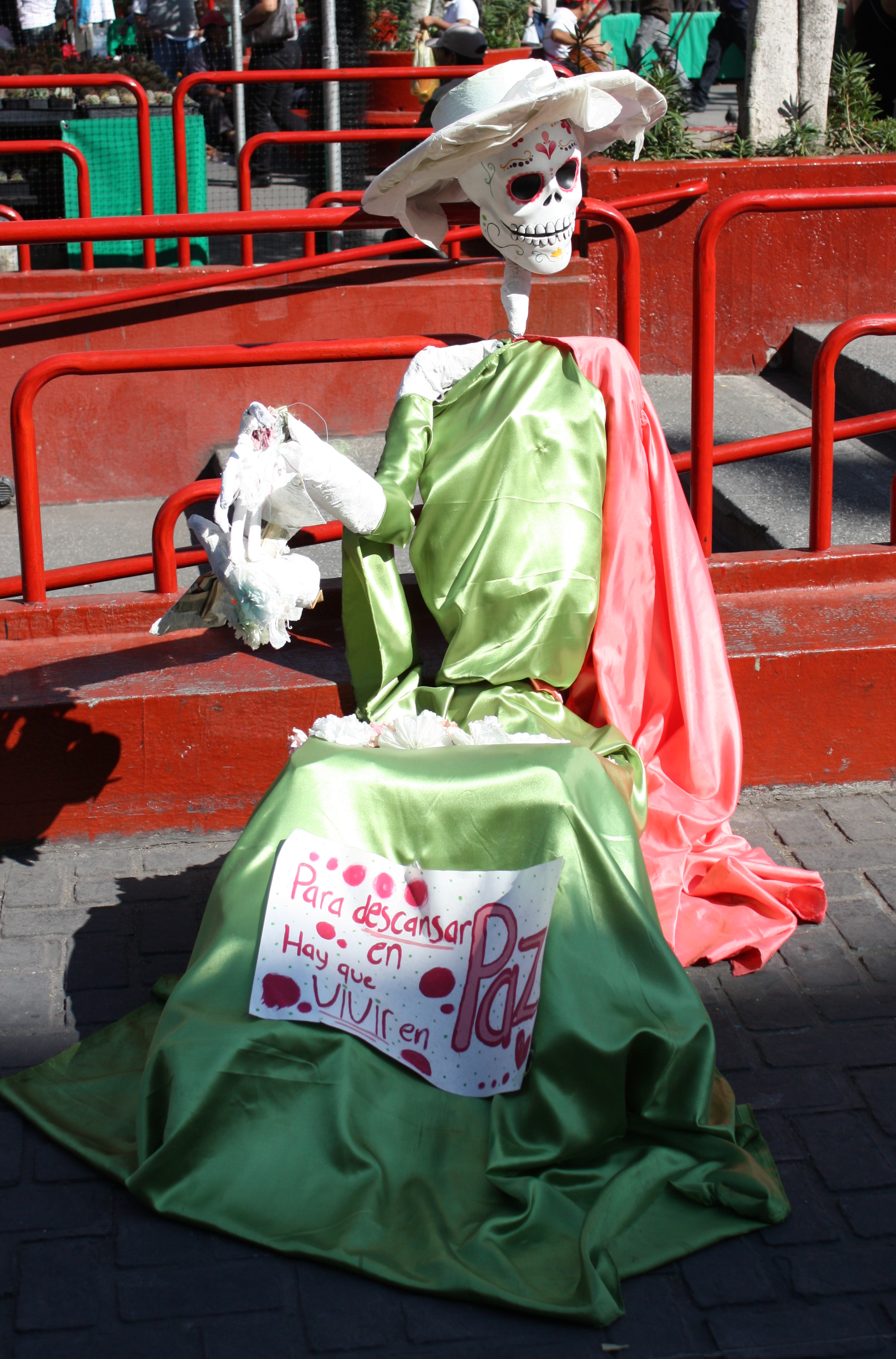
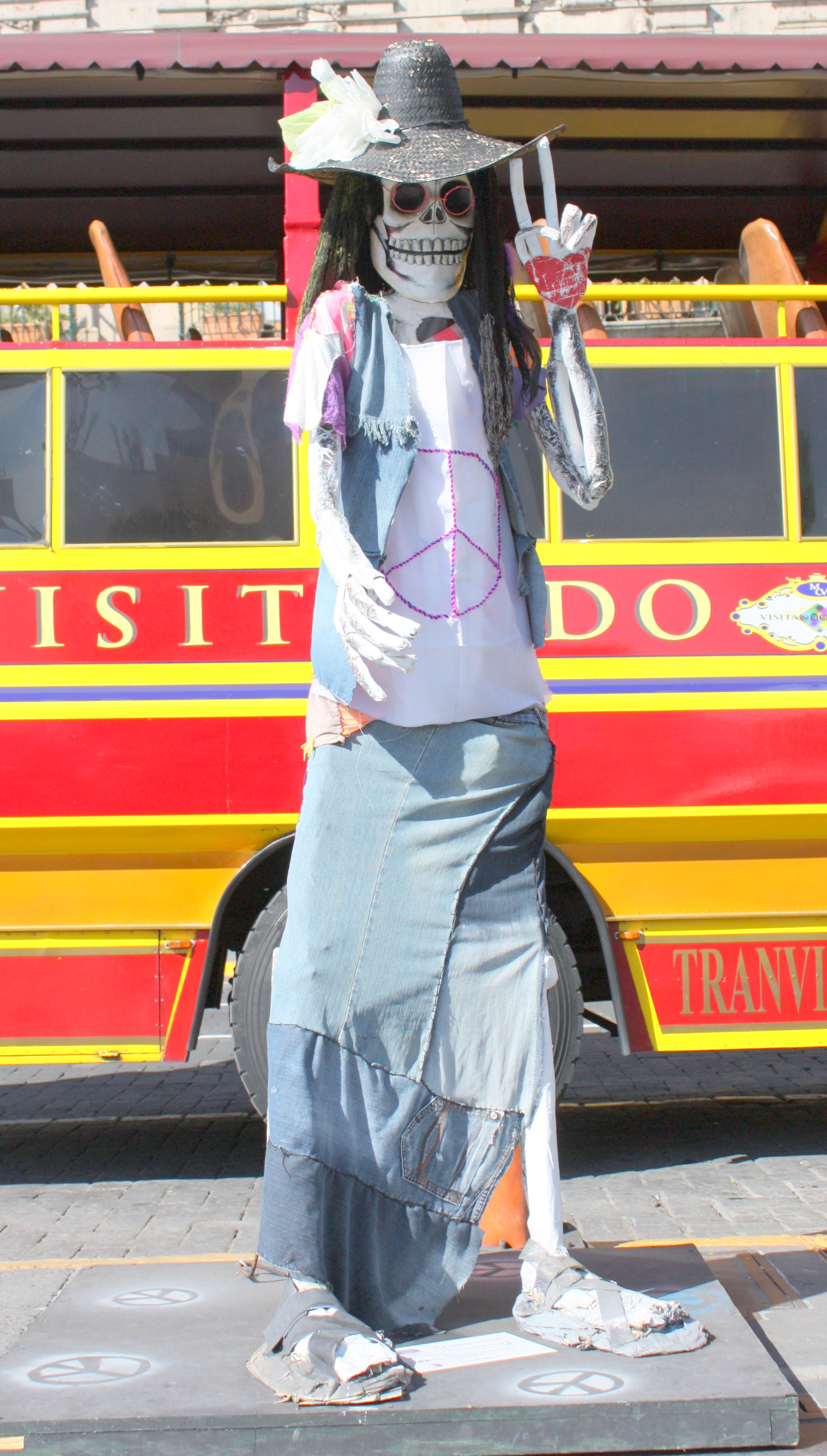
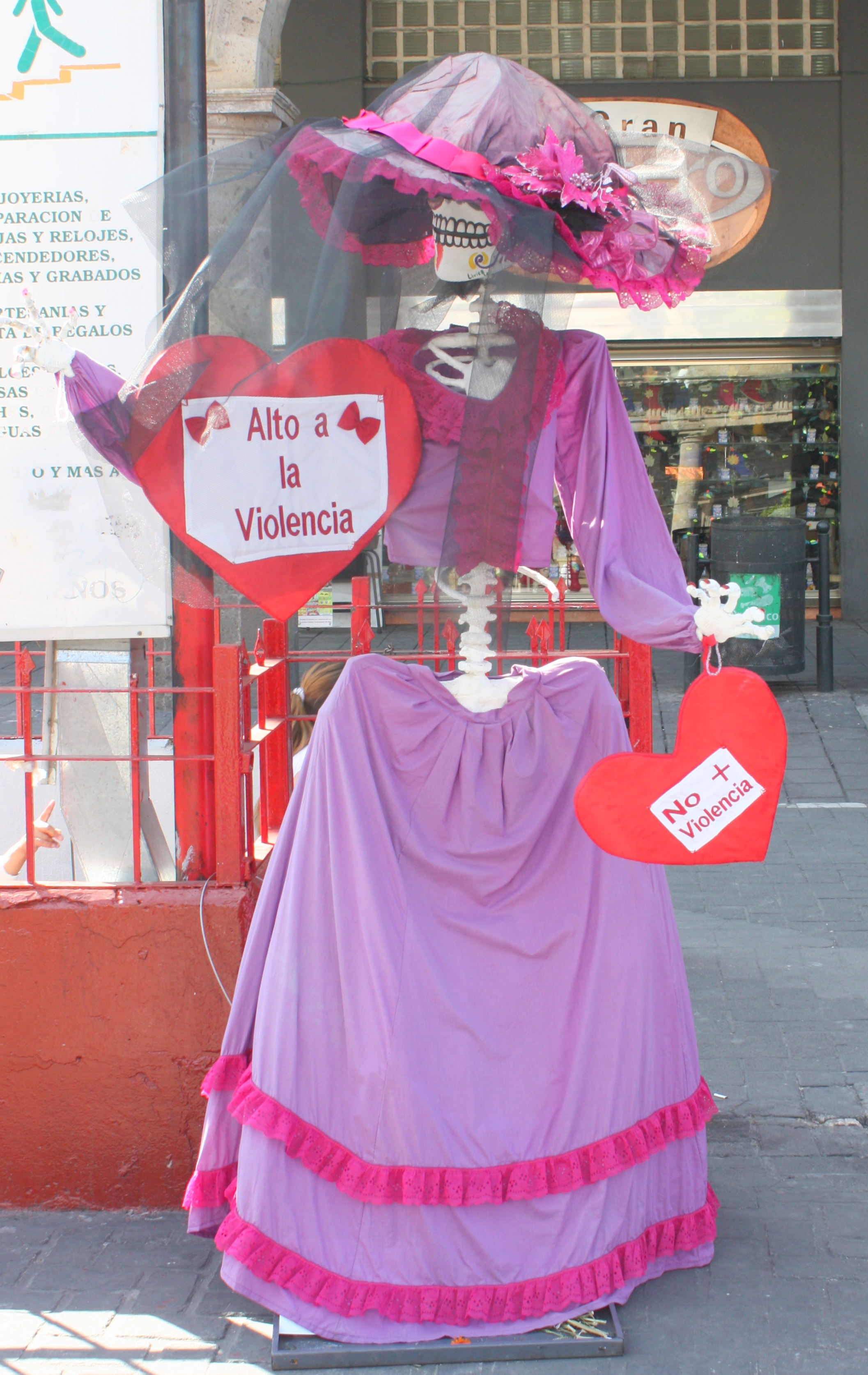
Peace catrina, Guadalajara, Mexico

It’s about this time each year that I lament the creeping encroachment of America’s shallowly commercial Halloween tradition upon Mexico’s deeply spiritual Dia de Los Muertos observance.

Peace catrina, Guadalajara, Mexico

In the States, trick-or-treat decorations may have been replaced by Christmas decorations and candy now relegated to discount bins, but a month-long event in Guadalajara’s Centro Historico proves that Dia de los Muertos is not only alive and well, but ably adapting to fit itself into the twenty-first century.

Peace catrinas, Guadalajara, Mexico

Peace catrina, Guadalajara, Mexico


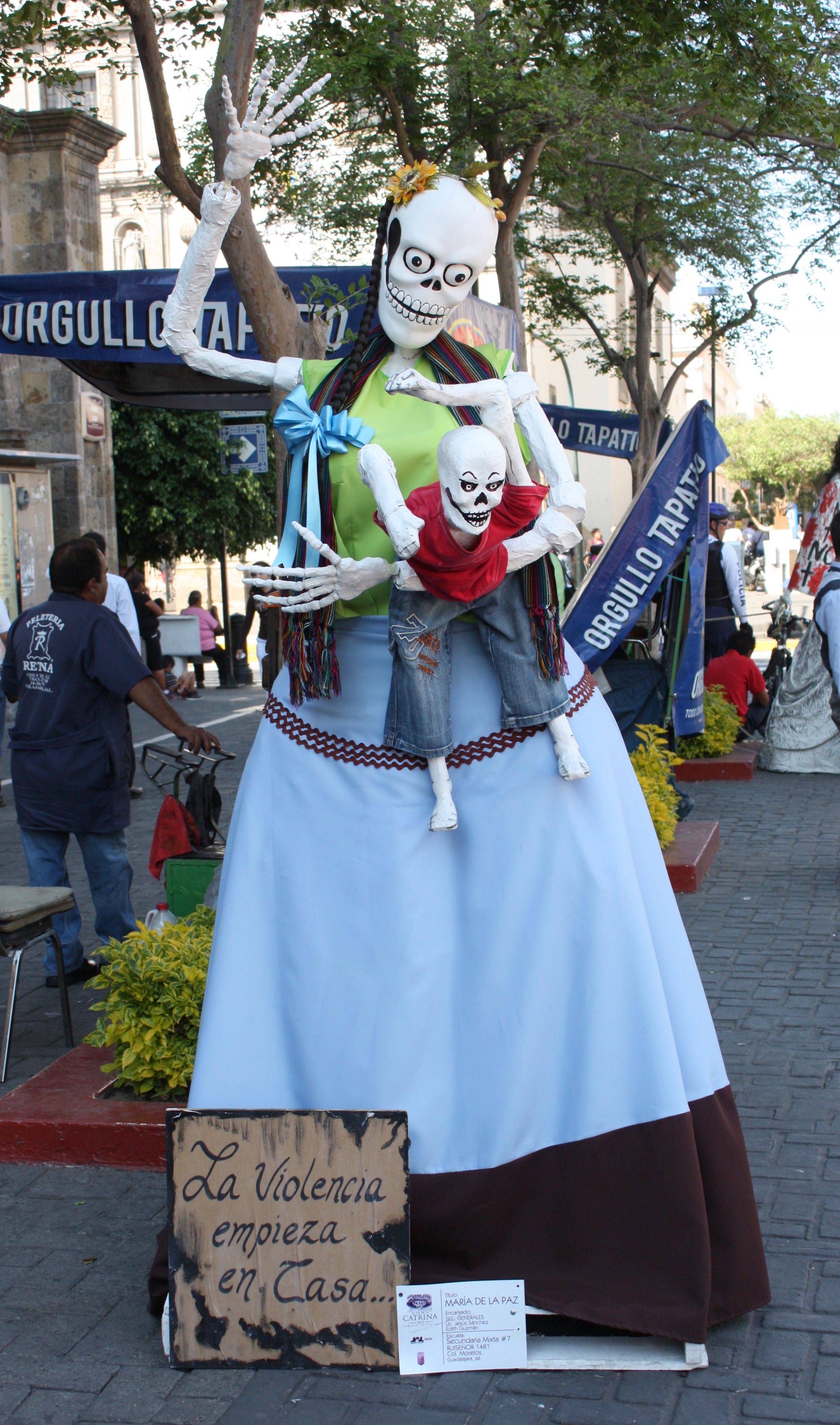
For the third consecutive year, Guadalajara’s secondary school students have built upon the traditional image of the catrina – the elaborately decorated skeletons that are the holiday’s trademark – to make a timely plea for peace.

Peace catrina, Guadalajara, Mexico

Around 100 of these larger-than-life-sized installations can be seen on the plazas that mark each of the primary compass points around Guadalajara’s signature downtown Catedral.

Peace catrina, Guadalajara, Mexico

The work is remarkable not only because it ably links Mexico’s past with its present and because the artisanship is of such high quality, but because it demonstrates these young artists’ surprisingly mature grasp of how violence begins and spreads through a culture.

Peace catrina, Guadalajara, Mexico

For Mexicans, peace is not an abstract ideal or a wished-for outcome in some far-off country, but a heartfelt hope for change in their everyday existence.

Peace catrina, Guadalajara, Mexico

Peace catrina, Guadalajara, Mexico

In this fifth year of the government’s war on narcotics traffic and narco-terrorism, fatalities have now passed the 50,000 mark. While the violence is largely confined to combatants and limited to a small part of the country, only a few degrees of separation lie between the casualties and an increasing number of civilians.

The theme of peace in the face of such violence necessarily lends a somber note to many of these works, but most of them still manage to deliver their weighty message with the same wry fatalism that has always marked the catrina tradition.

Peace catrina, Guadalajara, Mexico

Photos don’t do these catrinas justice.  Almost all of the standing figures tower over the spectator by a foot or two, and many others lean lifelike against poles and fences or sit on park benches as city pedestrians and traffic stream past.

Peace catrina, Guadalajara, Mexico

There are several Gandhi catrinas and one of the Dalai Lama, but it’s the more traditional images which are often the most compelling.

Peace catrina, Guadalajara, Mexico

While catrinas are an expression of pre-Colombian concepts of the relationship between life and death, the catrina image itself is barely a century old, the invention of a Mexico City newspaper’s political cartoonist.

Peace catrina, Guadalajara, Mexico

The catrina was nearly relegated to history until rescued by the resurgence of pride in Mexican heritage following the Mexican Revolution.

Peace catrina, Guadalajara, Mexico

Like Argentina’s tango, it began as a working-class tradition and grew in less than a generation to become a symbol inextricably woven into the national identity.

It’s possible to walk all 100 or so of Guadalajara’s Catrinas de la Paz in less than an hour, but you may – like me – become caught up in reflection upon one or another that particularly speaks to you and linger longer.

Whether you browse this exhibit quickly or deliberately, don’t pass it up!