Archive for April, 2012


Blue Dallas

Quick… name another Dallas club or bar – besides the one pictured here -that hangs its hat on Blues music. If you’re stumped that’s because it’s a short, short list.
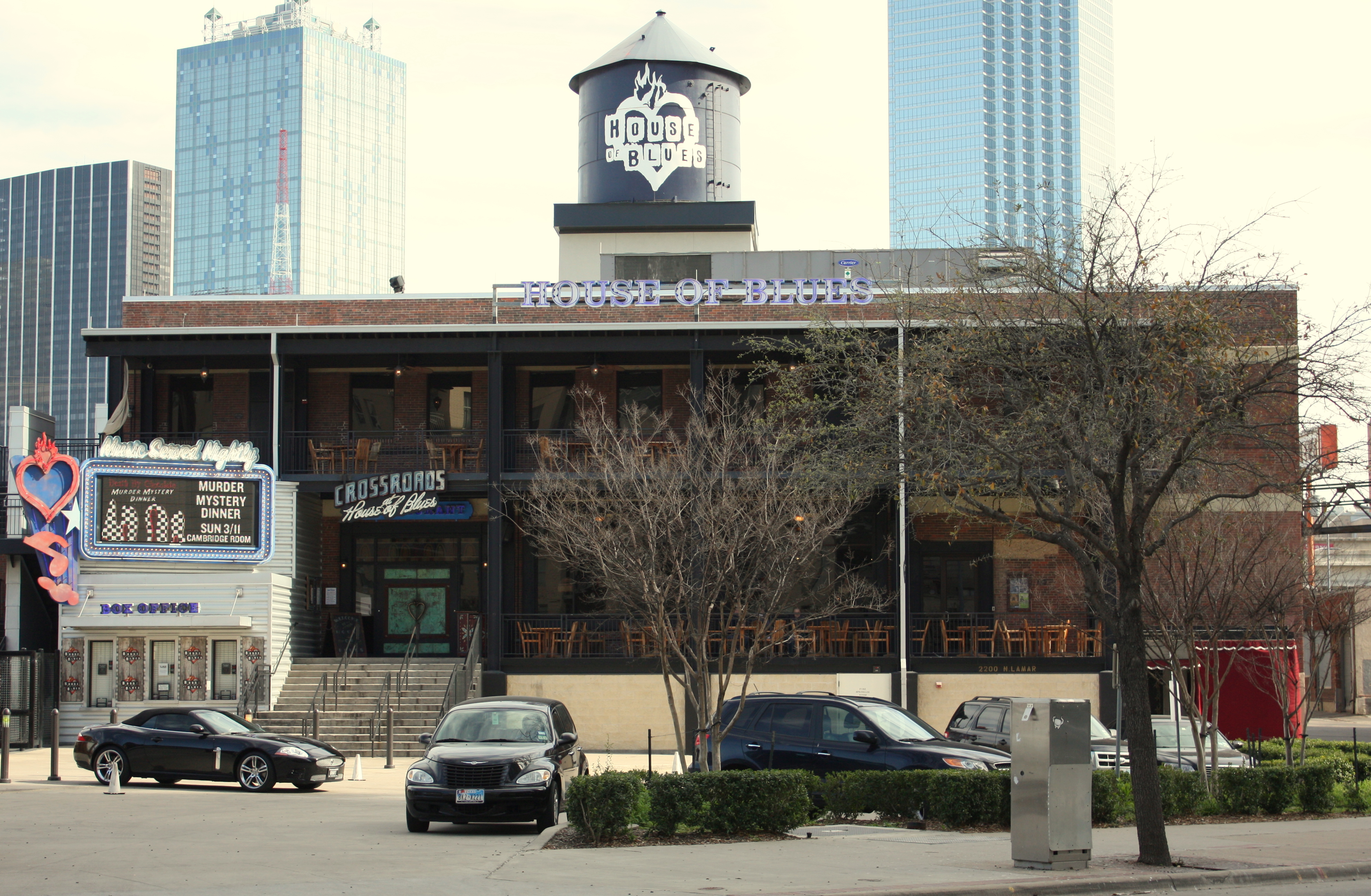
House of Blues, Dallas

One of my few disappointments upon first moving to Texas was the absence of Blues music venues.  This seemed such a paradox since more Blues musicians have come out of Texas than anywhere except the Mississippi Delta or Chicago.

Between the World Wars railroads passing through Dallas made it a prominent way station for the Black migration to the industrial north.  Before the Texas & Pacific Railroad laid track up Pacific Avenue on its westerly expansion and the Dallas rail station was moved to Reunion Station, tracks of the Houston & Texas Central railroad running north and south through Dallas passed through a terminal that long remained a popular stop-off in what came to be known as Deep Ellum.

Banjo man, DART Deep Ellum Station, Dallas

Beginning in the 1920’s and continuing through the 1930’s, Deep Ellum was the site of an burgeoning cluster of nightclubs, saloons and domino parlors that also served as venues for Blues musicians. It was rivaled only by Beale Street and Bourbon Street.  Blind Lemon Jefferson, Huddie “Leadbelly” Ledbetter, and Sam “Lightnin’” Hopkins were only a few of the notables who often performed in Deep Ellum and who earned for Dallas a reputation as the “one of the hottest cities in the South”.

Deep Ellum was also a place where up-and-coming Blues performers polished their art before moving on to Kansas City, Chicago, or New York City.  D.A.R.T.’s Deep Ellum station now stands where the Good-Latimer underpass once featured inspired graffiti art, and across from it curbside sits a statue of a banjo player which is one of the few remaining testaments to Deep Ellum’s rich Blues heritage.

508 Park Ave, Robert Johnson recording site, Dallas

There were so many Blues performers in Dallas in those years that recording companies regularly came here to scout talent.  In 1937, Blues legend Robert Johnson recorded 13 tracks in a building which served as a film distribution point for Dallas movie theaters, and which still stands at 508 Park Avenue.  (Johnson’s only other recording session occurred the year before in San Antonio’s Gunter Hotel.)  The deserted building on Park has fallen into disrepair and its current owner, repeatedly cited for code violations, has on more than one occasion been thwarted by Blues aficionados from having it demolished.  Its future is still in limbo.

Stevie Ray Vaughan Memorial, Austin

I don’t know if Stevie Ray Vaughn adopted Austin or if it was the other way around, but the well-known association often obscures the fact that Stevie Ray was from Dallas’s Oak Cliff neighborhood.

This statue sits on the walking trail not far from Austin’s Zilker Park along the riverfront.  For a time there was a standing display of SRV memorabilia in Dallas’s Southside-On-Lamar, but it’s disappeared.
I know of no memorial to Stevie in Dallas other than his tombstone at Laurel Land Cemetery.

Stevie Ray Vaughan grave, Laurel Land Cemetery, Dallas

I can’t resist, though, sharing a photo of a Dia de los Muertos alter dedicated to Stevie Ray and seen at the Bath House Cultural Center’s Day of the Dead exhibition in 2010.

Dia de los Muertos, Bath House Cultural Center, Dallas


All of this brings us back to the question: Where in today’s Dallas can you find Blues-dedicated venues?
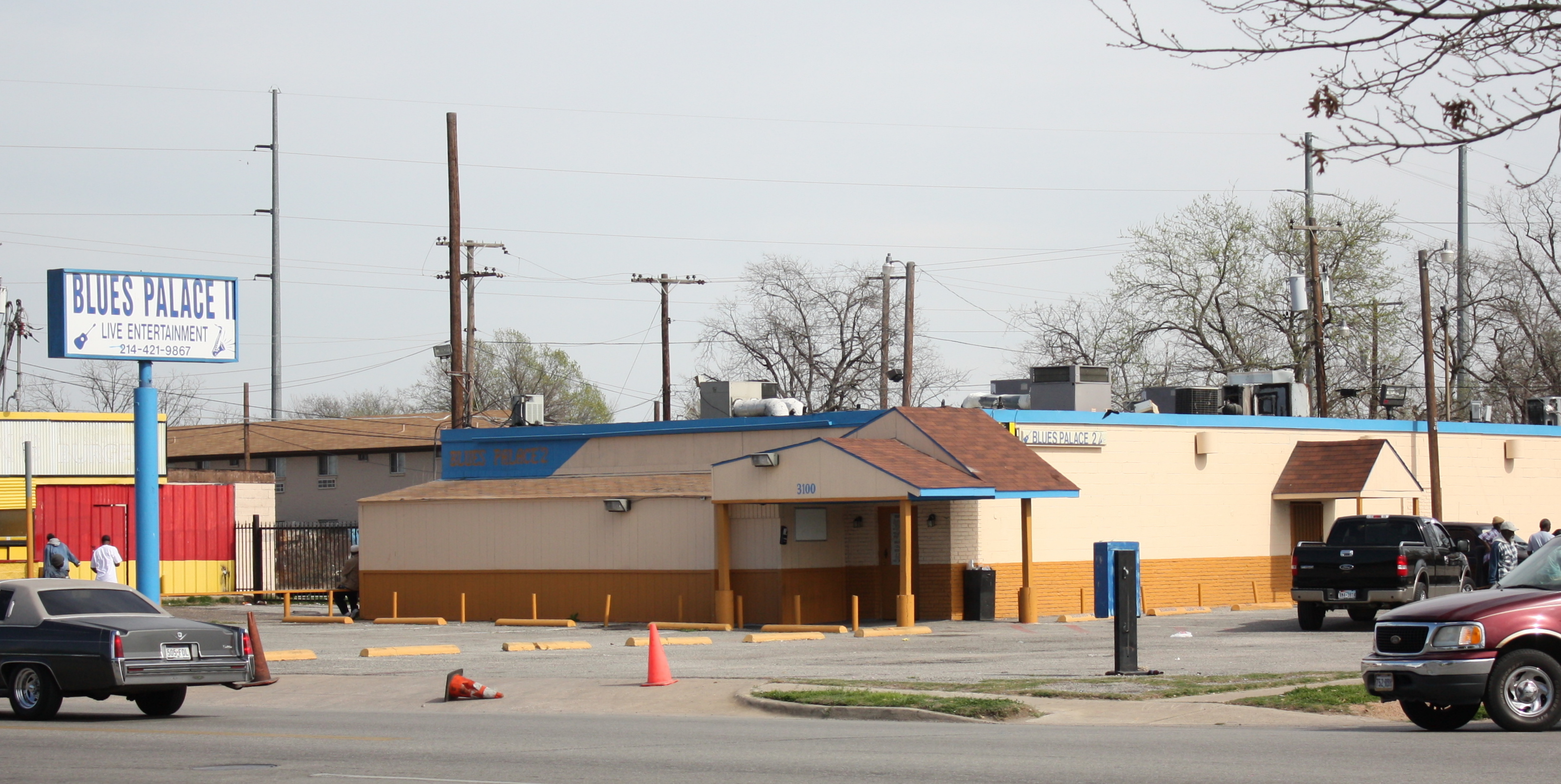
R L Griffin’s Blues Palace, Dallas

Blues Palace.  This nightclub is owned and operated by “The Right Reverend of Dallas Blues” R.L. Griffin. He also DJ’s a classic blues and R&B show on Dallas radio station KKDA and he broadcasts live from the club on Saturdays from 11 to midnight.  Located at 3100 Grand Avenue just a few blocks west of Fair Park, this is the closest you’ll get to an authentic juke joint experience in Dallas.  This neighborhood isn’t exactly the Plano Shops At Legacy, so you might want to leave the Rolex and the Mercedes at home for this visit. (I’m just sayin’.)

More info here.

Pearl @ Commerce.  This stands on the edge of Downtown at 2038 Commerce, not a mile from Deep Ellum and a few blocks from 408 Park. There’s metered street parking and nearby pay parking runs $5, but it’s also only a couple of blocks from DART’s Pearl Station.
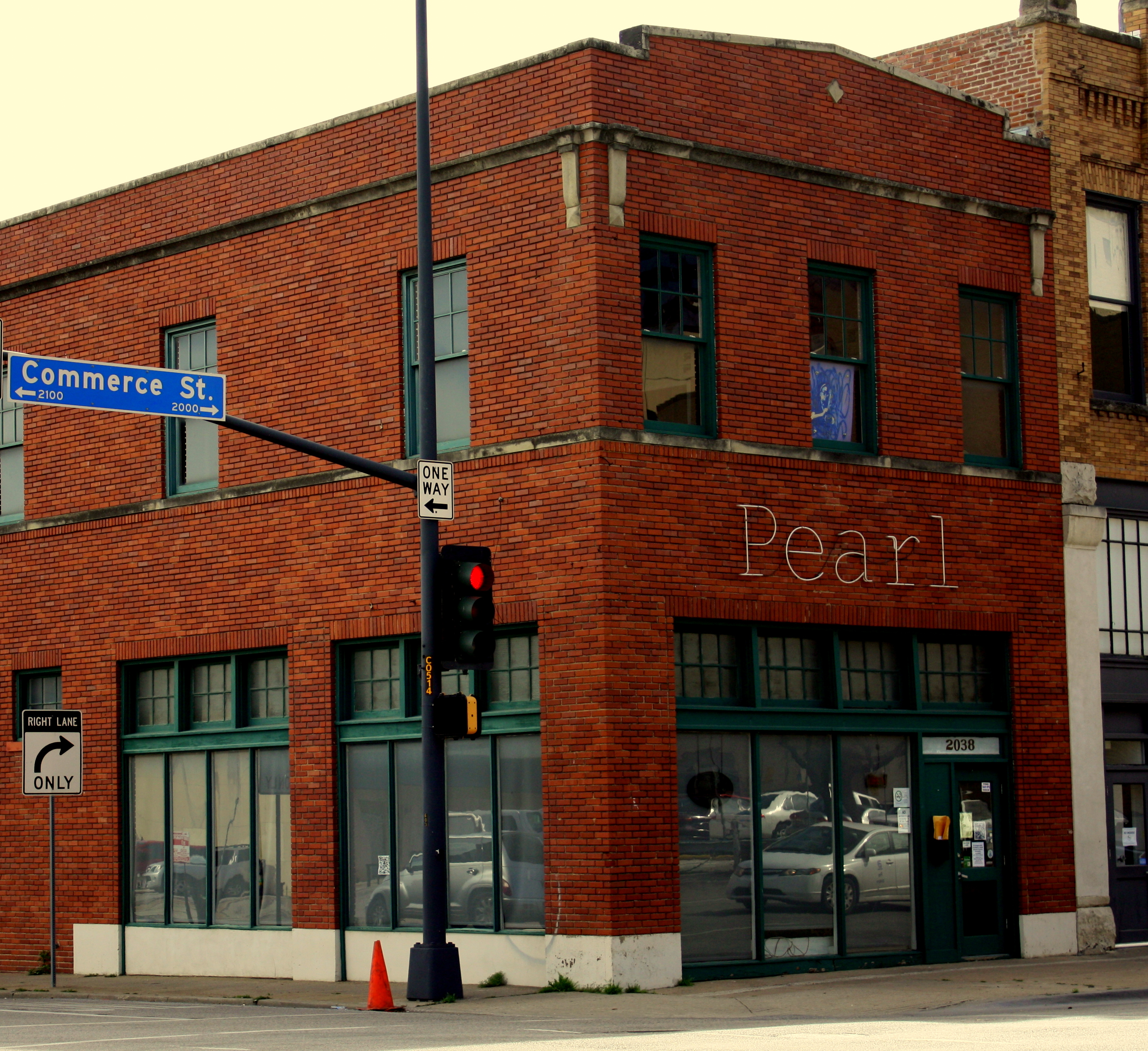
Pearl At Commerce, Dallas
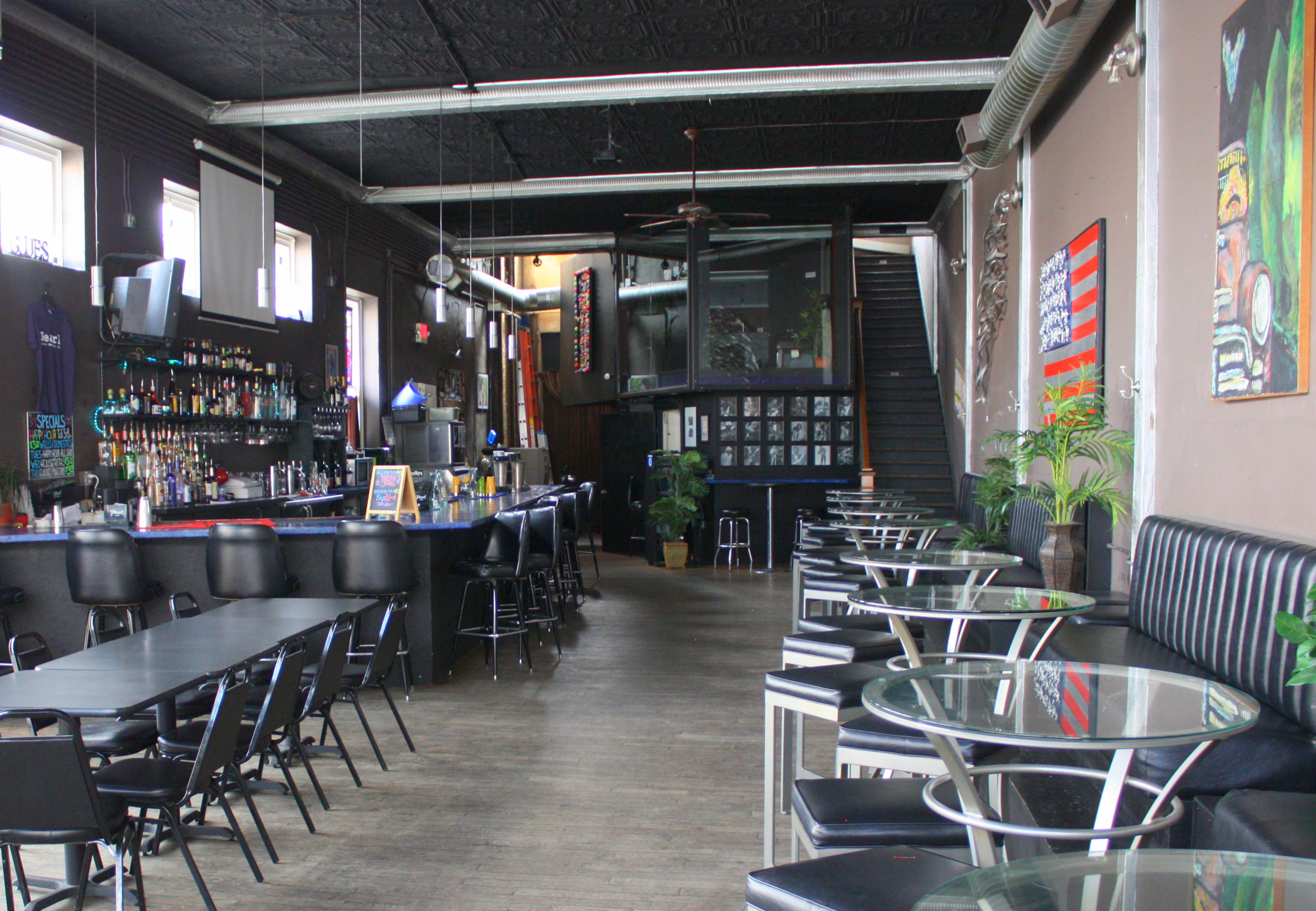
Pearl At Commerce, Dallas

Closed briefly last year, it’s now back in operation and well worthy of a visit.  There’s open seating downstairs and a reservation-only V.I.P. lounge on the mezzanine level.

More info here.

Alligator Cafe, Dallas


Alligator Café. Alligator Café recently relocated to the Casa Linda Shopping Plaza (the northeast corner) from its former site on Live Oak.

There’s a Cajun ambiance here and an authentic menu to go with it.  (Boudin, fried pickles, oysters, catfish and, yes, fried alligator tail).

Alligator Cafe, Dallas

Alligator barstools at the Alligator Cafe, Dallas

This is an intimate little venue that features Texas style acoustic blues Thursday through Saturday.

More info here.

Bedford Blues & BBQ Festival.  I’ve attended this on each of the past two Labor Day weekends, and have found it not only to be one of the Metroplex’s better organized outdoor musical events, but also a place to see some great talent:  Buddy Guy last year and Robert Cray the year before.  This year’s headliner is Keb’ Mo’.

More info here.


If you’re traveling outside of Dallas, check out these two of my all-time favorite Blues bars:

Rosa’s Lounge in Chicago, (no Blues fan should pass through Chicago without taking in a show there)

Ground Zero in Clarksdale, Mississippi  (film star Morgan Freeman is one of the owners).  Ground Zero is one of those places where so many patrons have written on the walls that every inch of it seems covered.  Here some drunken fan approaching the edge of consciousness scrawled this appropriate Robert Johnson lyric:

“Standing at the crossroads, believe I’m sinking down”

With a population of over 4 million Guadalajara may only be Mexico’s second largest city, but much of what the world knows of Mexico – including tequila and mariachi music – originates here and in the surrounding state of Jalisco.   Spanish colonial Guadalajara was already 250 years old by the time the U.S. won its independence in 1783, a point made amply clear by the buildings in the city’s historic centro.

Streetfront, Hotel Mendoza, Guadalajara

Less than an hour’s drive from Lake Chapala, an el centro tour is eminently walkable, thanks in part to the proximity of many sites to each other and in part to their connection by miles of pedestrian malls and plazas.

There are a number of good and reasonably priced hotels in the immediate area, but I’ve returned again and again to the Hotel Mendoza, a boutique hotel that’s within 4 or 5 blocks of every site visit planned for this day.

Lobby, Hotel Mendoza, Guadalajara

The Mendoza is on a quiet side street with underground parking, and while the typical rooms here are simply done, the public areas exude lots of elegant, Old World charm.

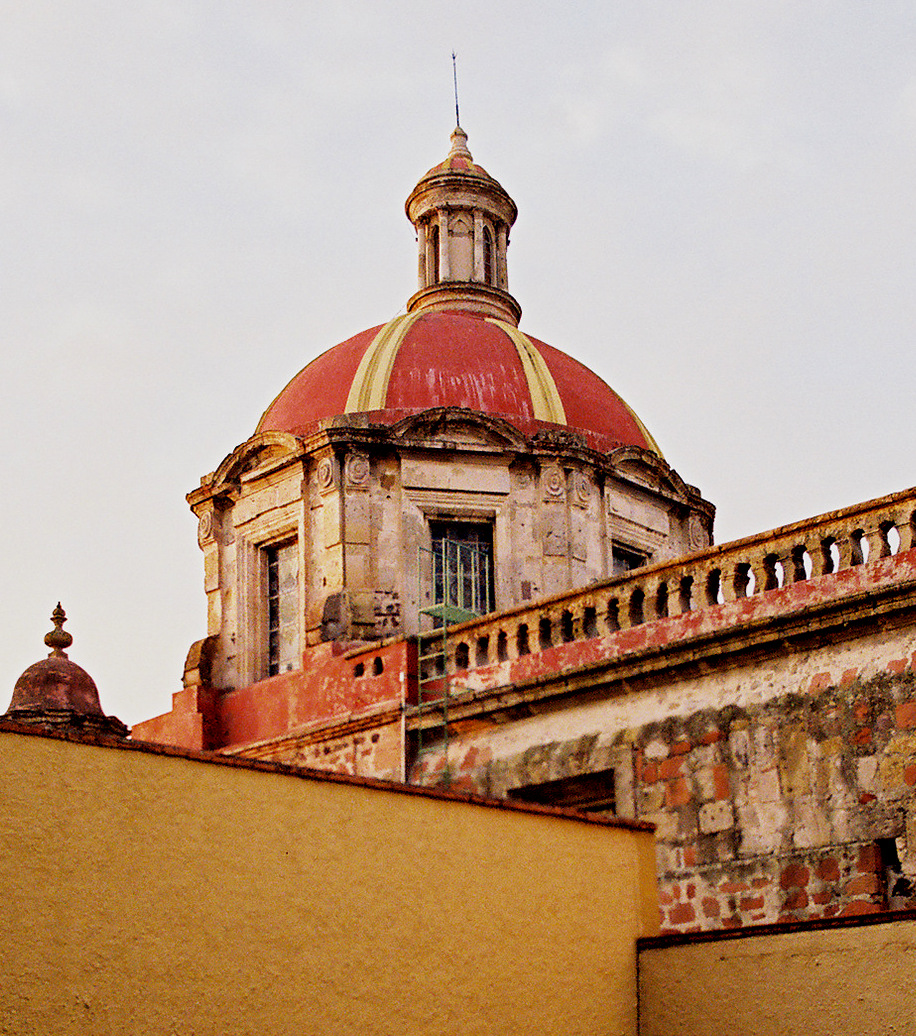
Dome of Templo Santa Maria de Gracia, Guadalajara


A small swimming pool sits at the bottom of the Mendoza’s open air atrium, and through my room window facing it I can see just next door the dome of the Templo Santa Maria de Gracia, the day’s first site.


Templo Santa Maria de Gracia, Guadalajara


The simple style and modest scale of the Templo stands in sharp contrast to its younger successor, Guadalajara’s mammoth Catedral, which sits only a couple of blocks away.

Templo Santa Maria de Gracia, Guadalajara


The combination creates an intimate setting that makes Santa Maria a favorite site for local weddings, and many of its icons project an almost whimsical style.

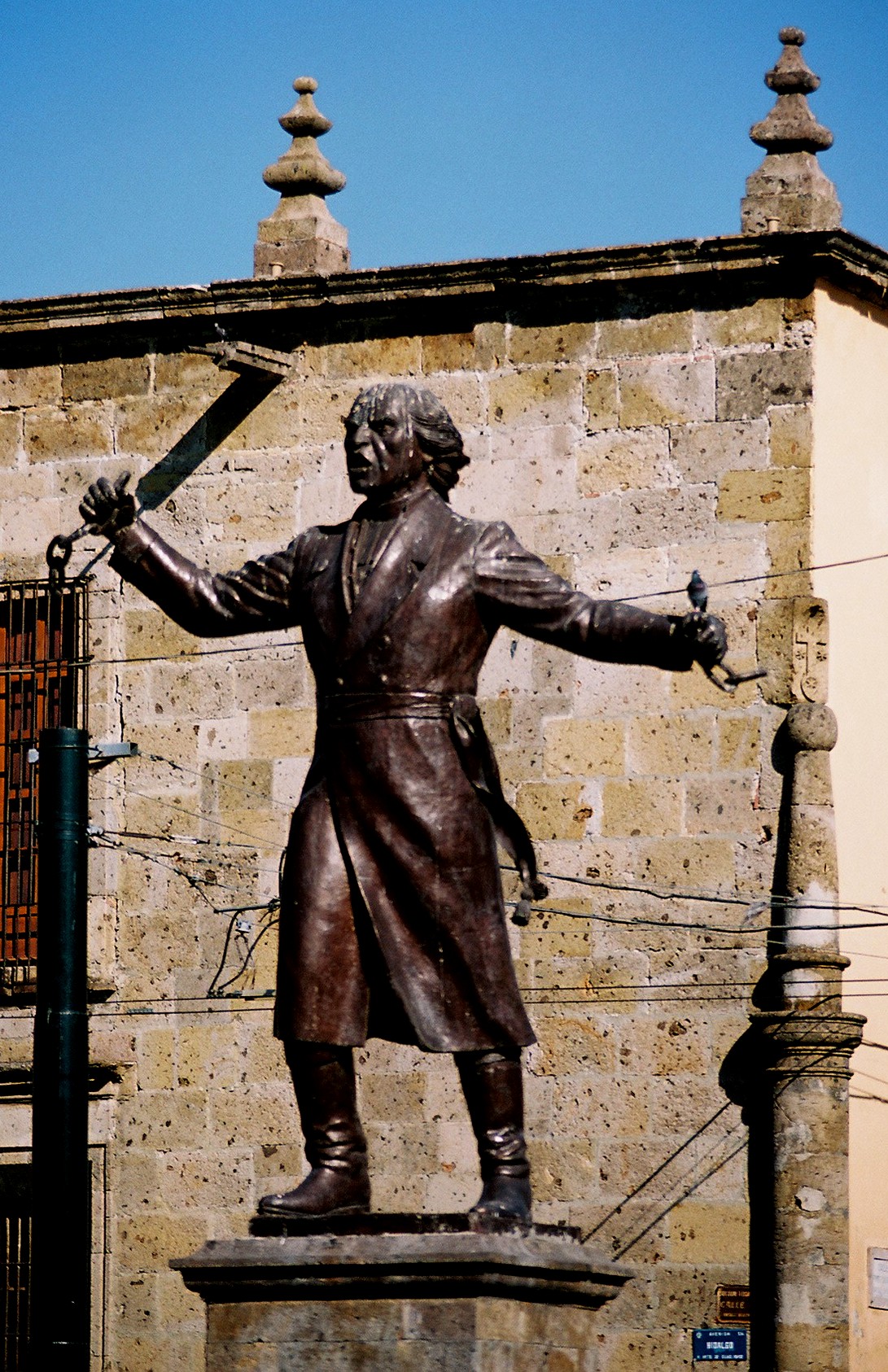
Father Hidalgo, Plaza de la Liberacion, Guadalajara


Santa Maria de Gracia is adjacent to the expansive Plaza de la Liberacion, where the requisite statue of Father Miguel Hidalgo stands eternally forming the words to the Grito, the call that sparked Mexico’s fight for independence.

It’s a cry which is ceremonially repeated by every Mexican president on Mexico’s Independence Day.

(If you’re here on a day trip, there’s a pay parking garage underneath the Plaza.)

Catedral, Guadalajara


Guadalajara’s signature Catedral sits at the far end of the plaza.

As with many other Mexican cathedrals, the blocks at all four compass points around it are occupied by public spaces, a legacy of the expropriation of church lands that at their height accounted for up to one-fifth of all Mexican landholdings.


The Catedral is so massive that only a view from the rooftop deck of the Mendoza can take it all in.   The front view which showcases the two towers is an icon reproduced endlessly throughout the city.

Catedral, Guadalajara

The design and workmanship of this place evokes that of its European contemporaries so thoroughly that it could just as easily be located in Italy or Spain.

Catedral, Guadalajara

Catedral, Guadalajara

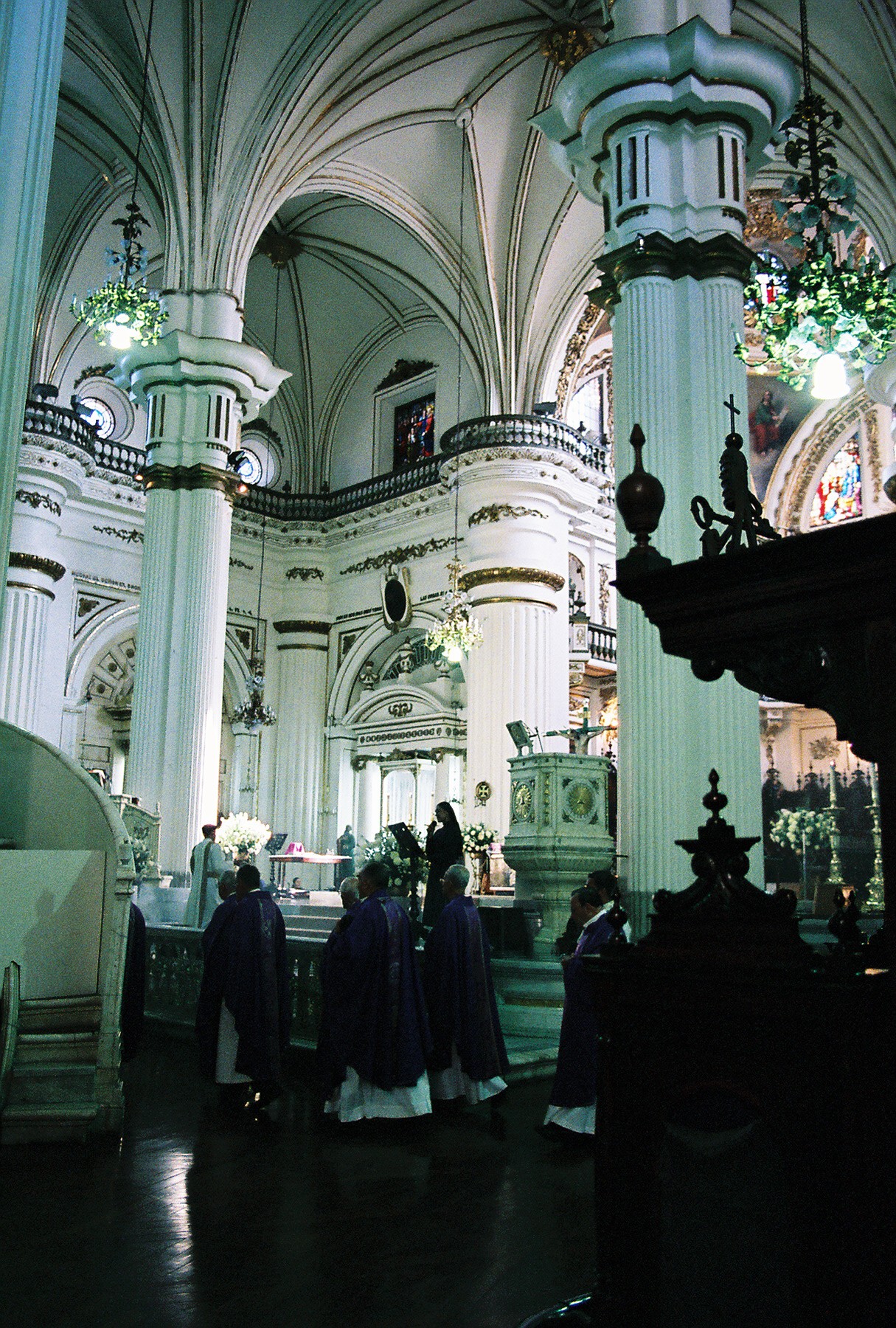
It’s worth it not only to walk its entire length and breadth, but to sit for a while in one of the pews and soak up the atmosphere.

Catedral, Guadalajara

Catedral, Guadalajara

A block from the Catedral to the northeast lies the Rotonda de Ilustres Hombres monument, a tribute to Jalisco’s favorite sons. Their statues guard the circle of columns. The subsequent addition of female honorees has led to a gender-neutral renaming of the monument as the Rotonda de los Jaliscienses Ilustres.

Rotonda de los Hobres Ilustres

Teatro Degollado (on right), Catedral (in distance), Guadalajara

The Rotonda pocket park is a tranquil setting, and a good place to give your feet a rest before returning one block to the Plaza de la Liberacion. where the Teatro Degollado sits directly opposite the Catedral.


The Degollado is a gem of an opera house that was dedicated in 1866 and has been renovated several times since.

Teatro Degollado, Guadalajara

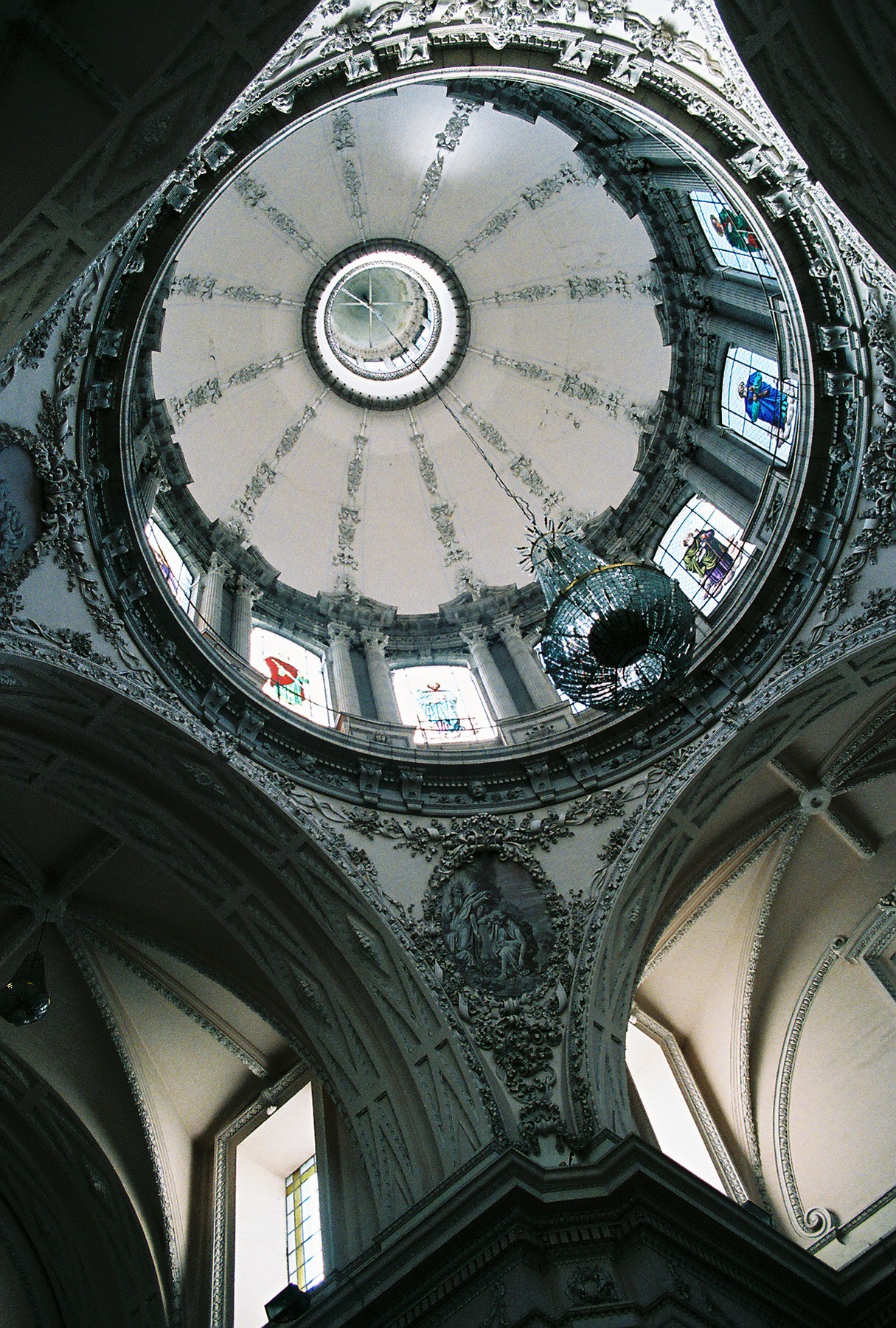
The neoclassical façade is striking, but a beautiful stained glass dome makes a daytime visit to the interior a must.

Teatro Degollado, Guadalajara

The pedestrian mall continues eastward behind the Degollado (check out the great tableau sculpture which runs at street level for the entire length of its back side), leading toward the ever-present profile of the Hospicio Cabanas, and lined with shops, street vendors, and street performers.

Pedestrian Mall to Plaza Tapatio, Guadalajara

On the way I stop for lunch at Restaurante La Rinconada.  The food is good, but the setting is even better. It’s full of Old World panache, and the bar is a classic with a view out onto the street.

Restaurante La Rinconada, Guadalajara

The Hospicio Cabanas is now a museum which houses the giant-sized works of Mexico’s famed muralist, Jalisco-born José Clemente Orozco, but has served a number of functions over its nearly 200 year history, including that of hospital and orphanage. Orozco and his work deserve their own dedicated blog post, but the work speaks for itself and the admission charge is modest.

Hospicio Cabanas, Guadalajara

The Hospicio Cabanas sits on the edge of the Plaza Tapatio, a huge plaza under which passes the busy Calzado Independencia thoroughfare.

Plaza Tapatio, Guadalajara


Plaza Tapatio, Guadalajara

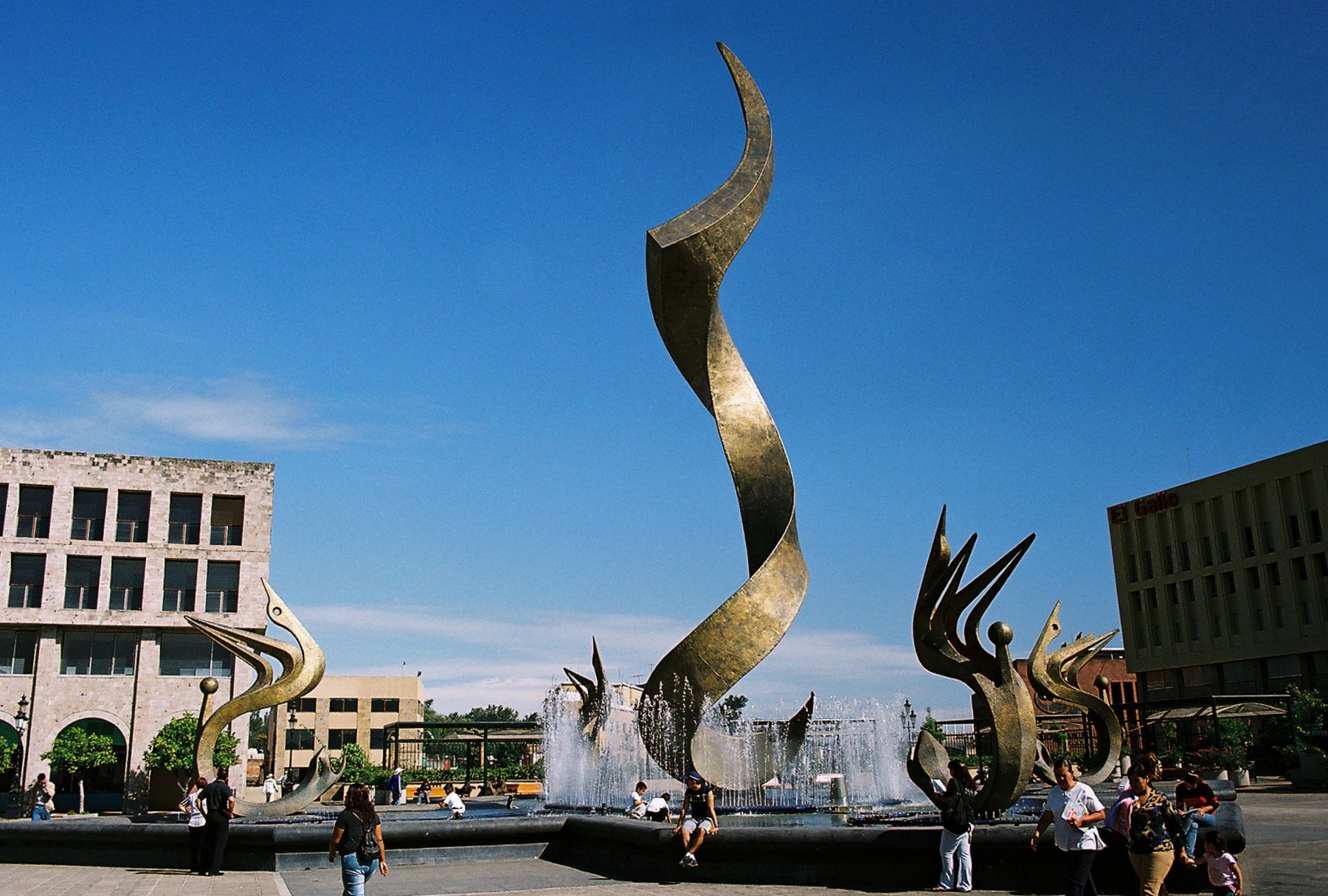
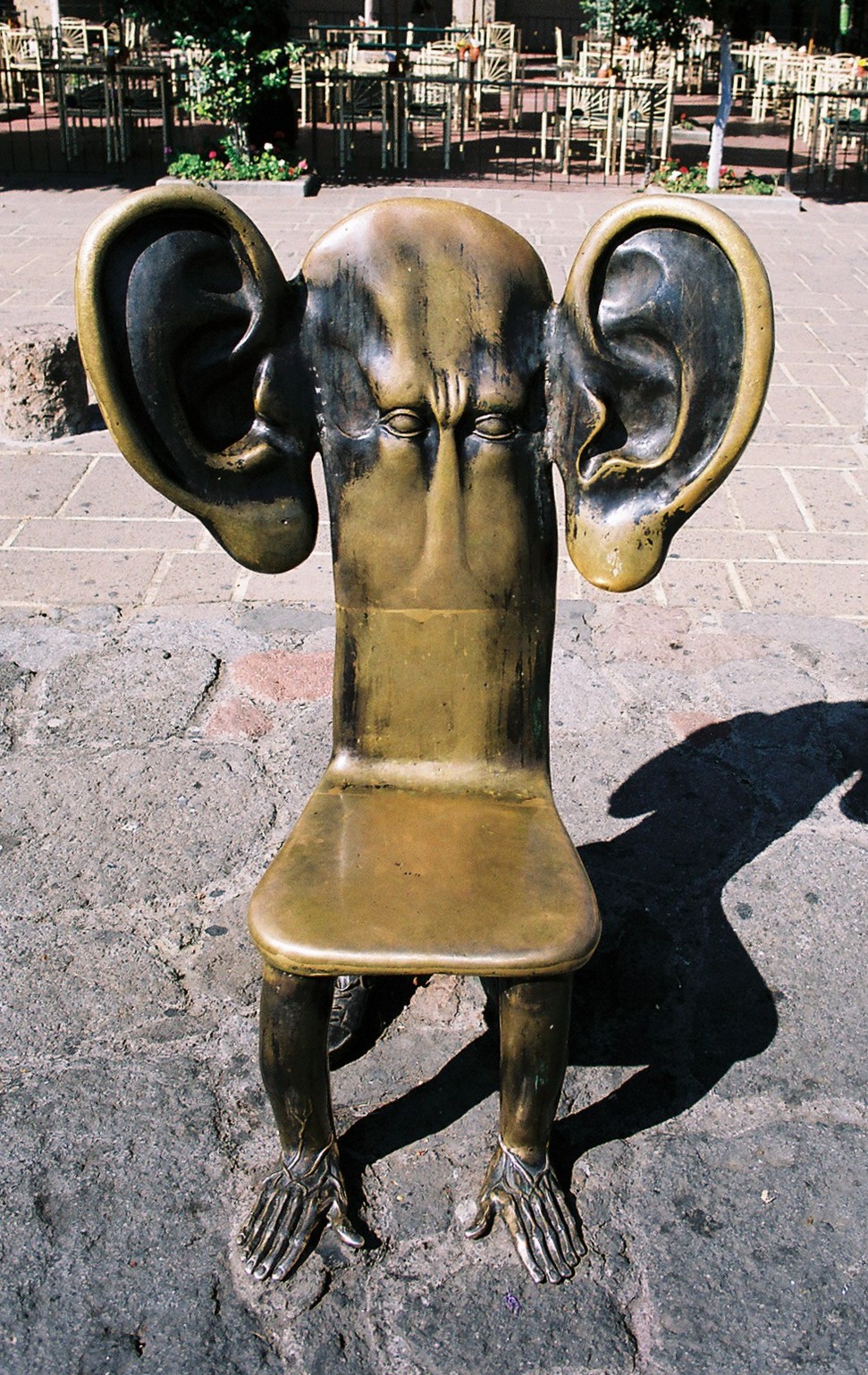
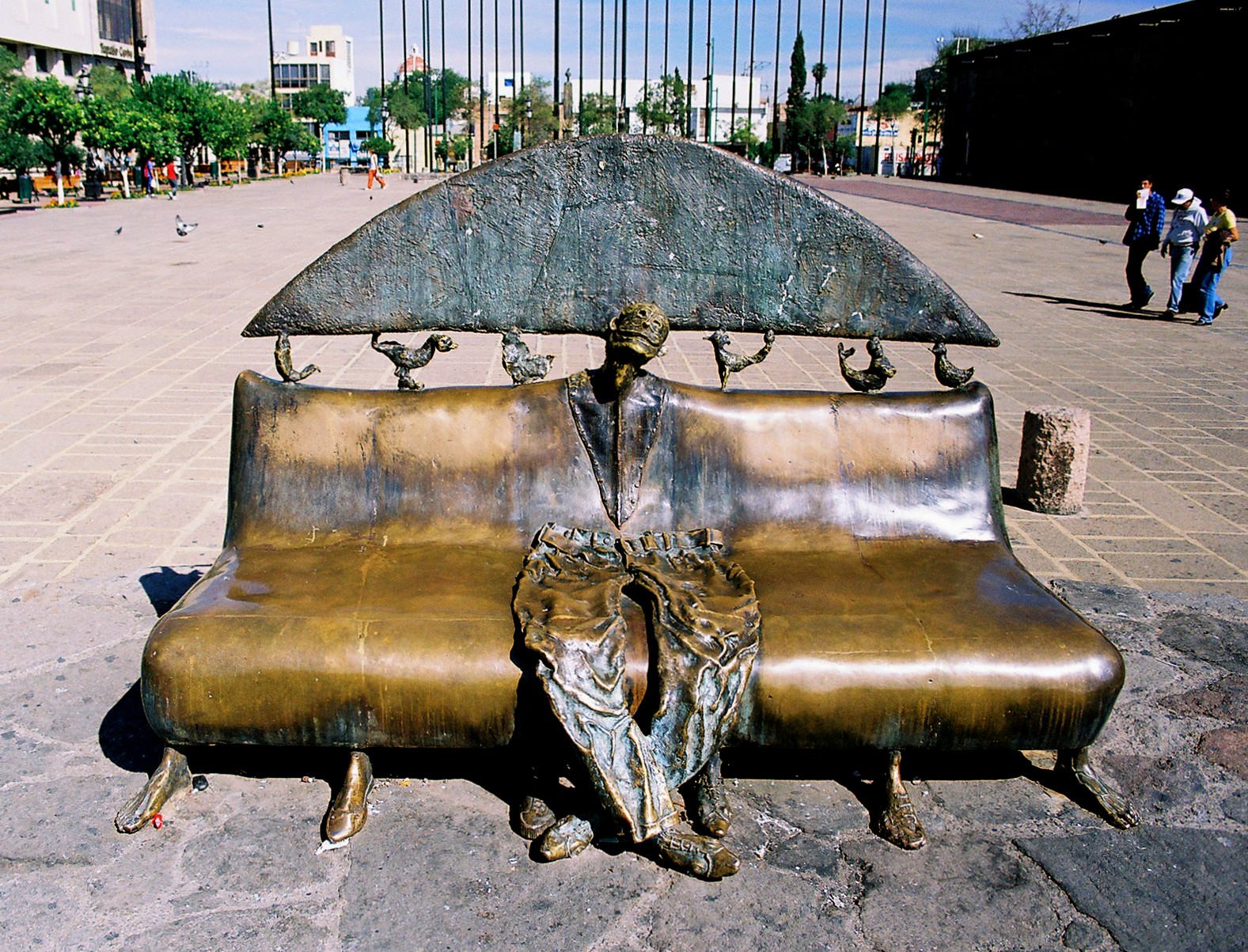
Contemporary sculptures in bronze cast eerie shadows over the landscape.

Plaza Tapatio, Guadalajara


If you wish to walk further, the Plaza Tapatio is within a block of the San Juan de Dios jewelry mart and the sprawling Mercado Libertad (See my separate post.)

La Fonda de San Miguel, Guadalajara

For dinner I’ve chosen La Fonda de San Miguel, which turns out to be a bit hard to find because the courtyard restaurant has almost no street-facing presence, and is reached by a short corridor.

At one time a convent, its rooms have been converted into a B&B.  It’s an intimate setting, and a nice break from the sounds of the street.
On the way back to the hotel I pass sites seen earlier in the day and find them much to my surprise surrounded by animated crowds enjoying the cool evening and magnificently lighted structures.

The Catedral, the Rotonda, and the Teatro all glow magically in the night air.

Catedral, Guadalajara

Rotonda des los Hombres Ilustres, Guadalajara


Teatro Degollado, Guadalajara

Teatro Degollado, Guadalajara

I pass through the hotel lobby I carry with me a memory of an outstanding day, and the knowledge that today’s sites are only the tip of the Guadalajara iceberg.

San Antonio’s hidden gem

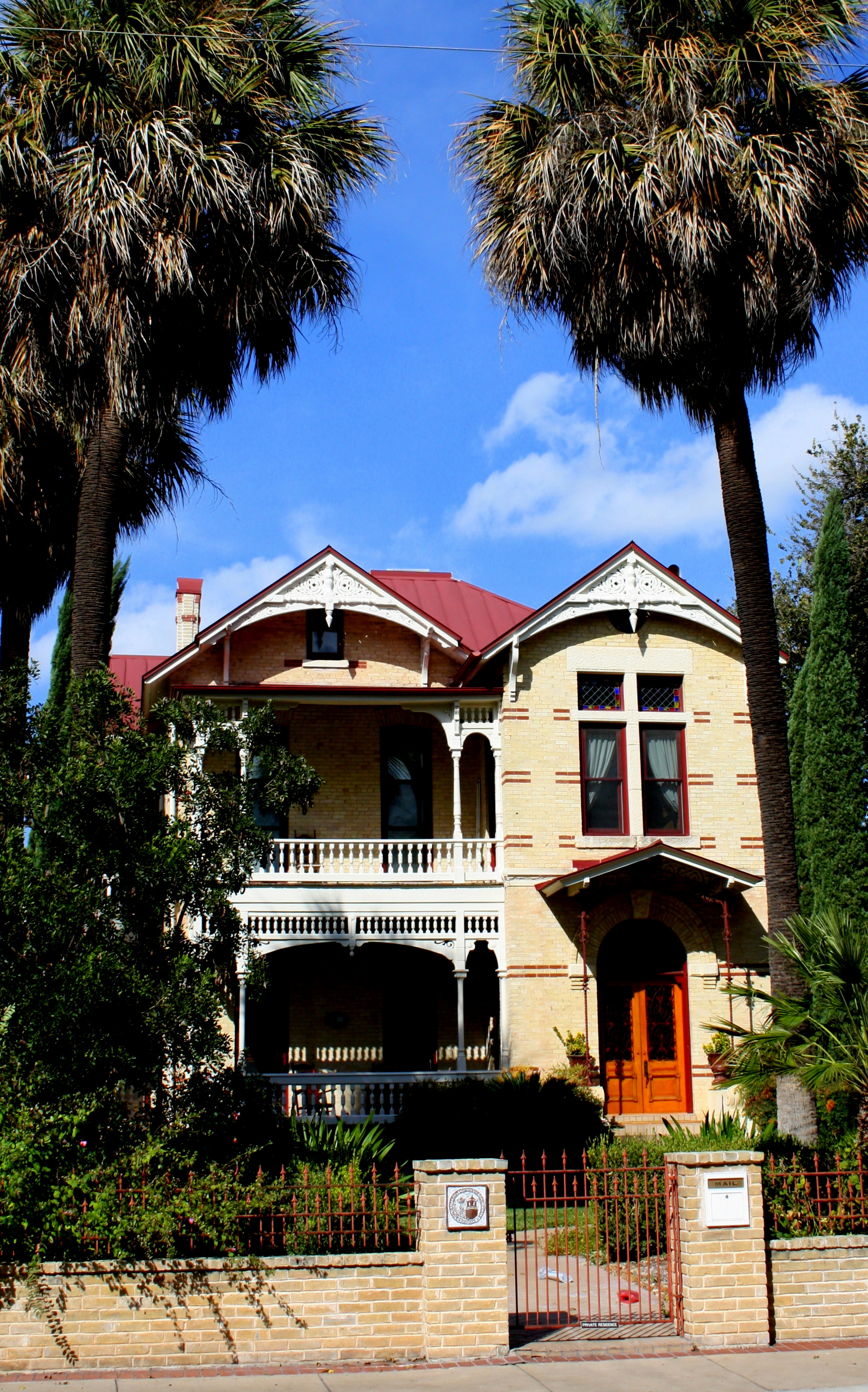
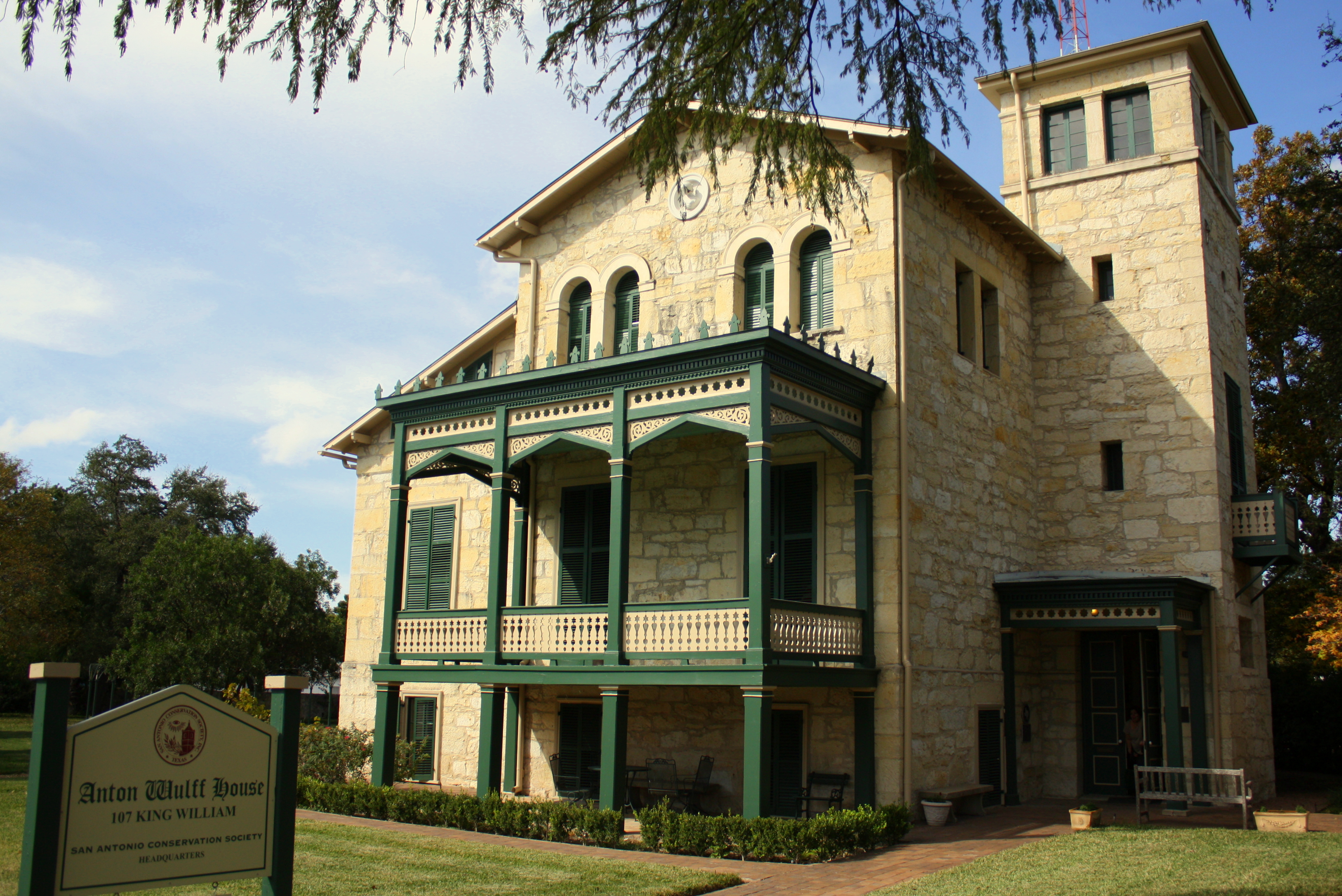
Each year millions of tourists visit San Antonio’s Seaworld or Fiesta Texas theme parks and its Riverwalk without ever realizing that its uniquely charming King William Historic District is less than a mile from the Alamo.

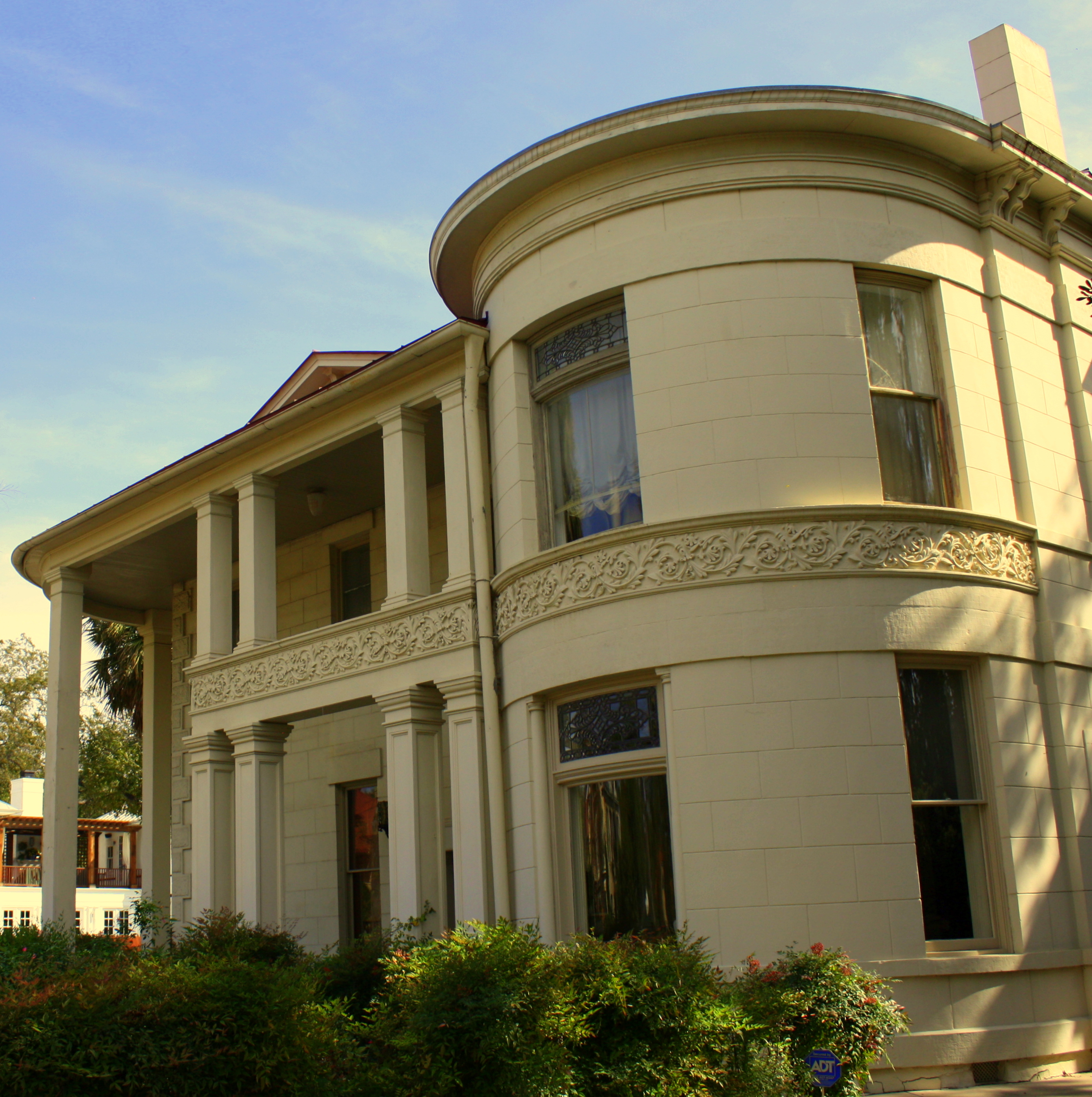
King William Historic District home, San Antonio, TX

King William is a neighborhood of elegant homes dating back to the late 1800’s, when prosperous immigrant merchants from what was to later become Germany made it their home.

Much of it has been renovated in the past two decades following a long period of decline.

The District can be reached from downtown by following the Riverwalk south, but I usually opt instead for a healthy dose of neighborhood atmosphere by walking through La Villita to the intersection of Alamo and St. Mary Streets.

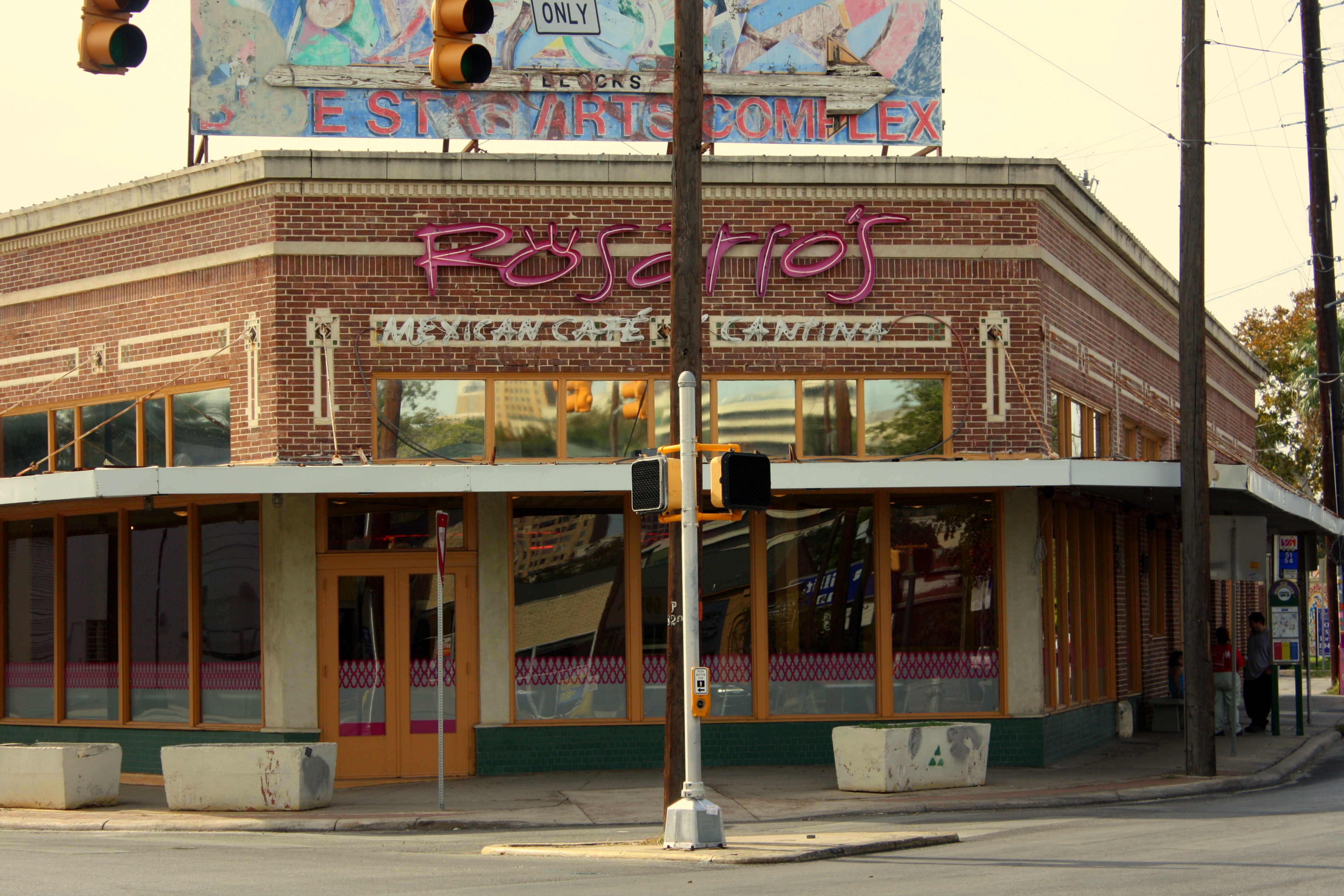
That’s where Rosario’s Mexican Café & Cantina sits behind an historic storefront at the hub of a collection of restaurants, bars, and galleries.


Rosario’s Mexican Cafe & Cantina, San Antonio, TX


Rosario’s serves authentic Mexican (not to be confused with Tex-Mex) food in a fun atmosphere full of neon and great people-watching; San Antonio residents come here from all parts of the city.

This place has been a favorite of mine since it first opened in a location just down the street, and a meal here is a ritual part of my every visit to San Antonio.


On most Friday and Saturday nights, when there’s often live music, a waiting line spills onto the sidewalk.  Fortunately, the place is cavernous and the line moves quickly.


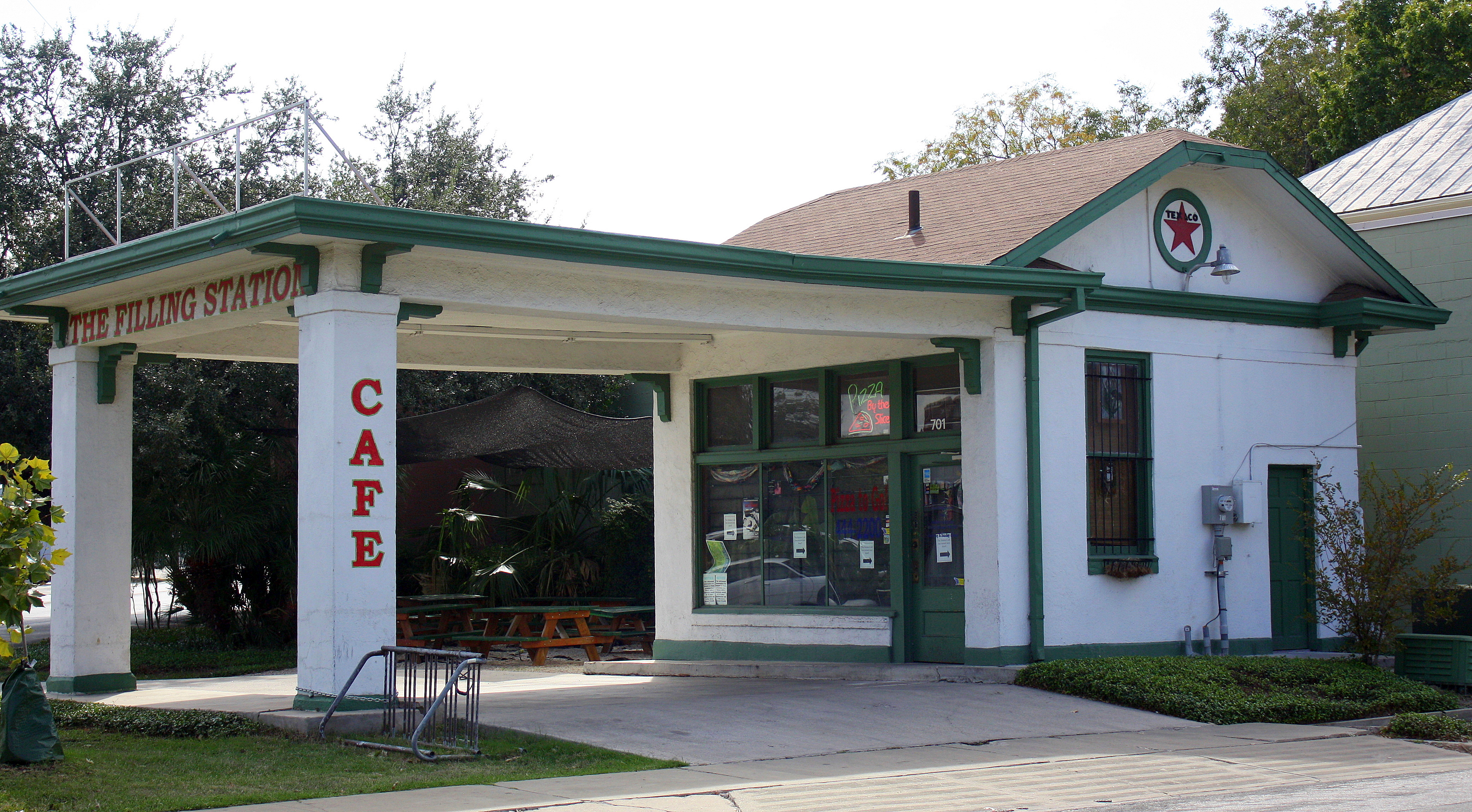
The Filling Station, San Antonio, TX


The historic flavor of this little business district also survives at the whimsical Filling Station a block to the north.

Tito’s Mexican Restaurant, San Antonio


Across the street and to the south is Tito’s Mexican Restaurant.


King William Historic District home, San Antonio, TX

King William Historic District home, San Antonio, TX


A turn into the streets behind it ushers sidewalk strollers into to quiet neighborhood of broad streets that frame two dozen blocks packed with delightful architectural images of an even earlier time.


King William Historic District home, San Antonio, TX

King William Historic District home, San Antonio, TX


At the heart of King William is the community of Germans who settled Texas in large numbers beginning in the 1840’s.


King William Historic District home, San Antonio, TX

King William Historic District home, San Antonio, TX

Their traditions of brewing, sausage-making, and music fueled a fusion of American, Mexican, and German cultures unique to Central Texas.

King William Historic District home, San Antonio, TX

King William Historic District home, San Antonio, TX

Within a generation of the Germans’ arrival, the ablest among them owned San Antonio’s largest flour mill, meat packing house, and breweries.

King William Historic District home, San Antonio, TX

King William Historic District home, San Antonio, TX


Their newfound prosperity led them to create a residential compound convenient to downtown along a stretch of the San Antonio River.


King William Historic District home, San Antonio, TX

King William Historic District home, San Antonio, TX

While homes in parts of King William are modestly charming and their architecture distinctly Texan, they become  more elegantly extravagant with each passing block.


King William Historic District home, San Antonio, TX

King William Historic District home, San Antonio, TX


There is an eclectic mix of architectural styles, and bed-and-breakfasts scattered about the neighborhood present a great alternative to downtown’s mega-hotels and cheesy motels.


Pioneer Flour Mill & Guenther House Restaurant, San Antonio, TX

Pioneer Flour Mill & Guenther House Restaurant, San Antonio, TX

The tower of the old Pioneer Flour Mill stands watch at the southernmost end of King William.  The name of the Guenther family which owned it survives today both as the name of the District avenue that passes it, and as the name of the Guenther House restaurant which sits in the tower’s shadow.

The King William District is part of artsy, funky Southtown, and if you’ve still got spring left in your step after walking King William you may want to wander less than a mile further south on Alamo, where the Blue Star Brewing Company serves up artisan beers right next door to the Blue Star Contemporary Arts Center.

Even further south, if not walkable, is the San Antonio Missions Trail, and if you, too, were disappointed by the Alamo mission’s unassuming profile and footrpint this is where you’ll find Franciscan missions that can hold their own with the missions of Southern California.

If your visit is timed to include a First Friday of the month, street vendors selling art and jewelry join Southtown’s mix of galleries, art spaces, vintage stores, and live music fills the air.

Whether in daytime or nighttime, a trip to San Antonio without visiting King William is incomplete.

The celebration of Christian holidays in Mexico is invariably wrapped in a rich pageantry guaranteed to surprise and delight spectators of almost any faith.  Easter, though, is unquestionably the pinnacle experience in the triumvirate completed by Christmas and each town’s annual  fiesta patronale… the patron saint feast.  Publicly religious events on this scale were introduced into Mexico by Spanish missionaries.  Along with the public murals also common throughout Mexico, they’re part of an aural and visual tradition that pre-dates wider literacy.

With more than 9 in 10 Mexicans identifying themselves as Catholic, these celebrations engage the participation of nearly everyone in the village and family-owned businesses often curtail operating hours or close for several days in observance.

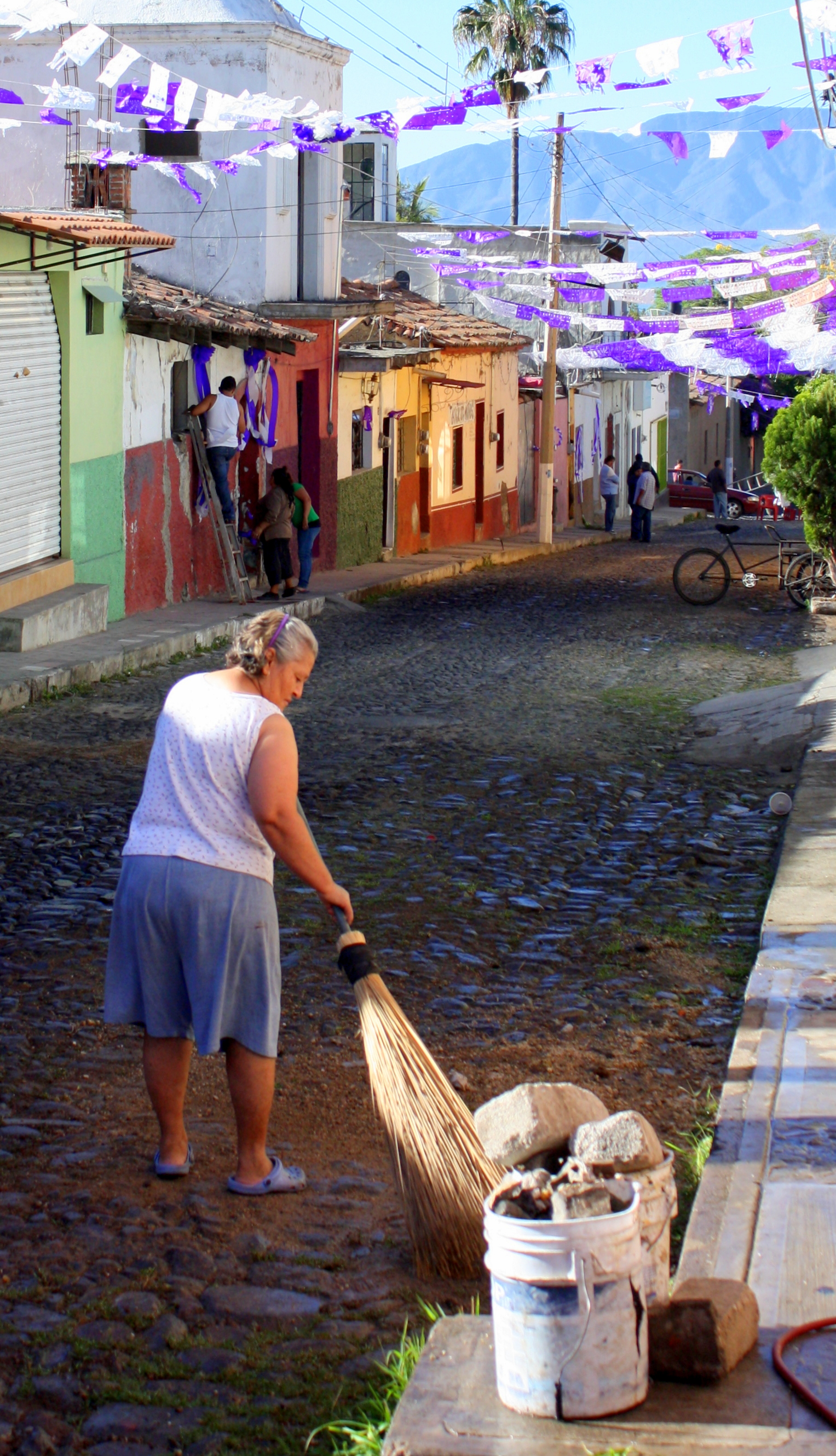
Sweeping cobblestones on the procession route

The Ajijic Passion Play is no two hour stage production.  It runs for 6 or more hours, played out at sites separated by nearly a mile over three days in real Biblical time.  It begins on Thursday with Jesus’s arrest in the Garden of Gethsemane, but I’ve decided to take in instead the Good Friday performance in which Jesus is tried before Herod, condemned by Pontius Pilate, and is led to the crucifixion site along the Via Crucis.

I arrive early to scout out the venue, tracing in reverse the route along Calle Juarez that the procession will shortly take to the site of the crucifixion.

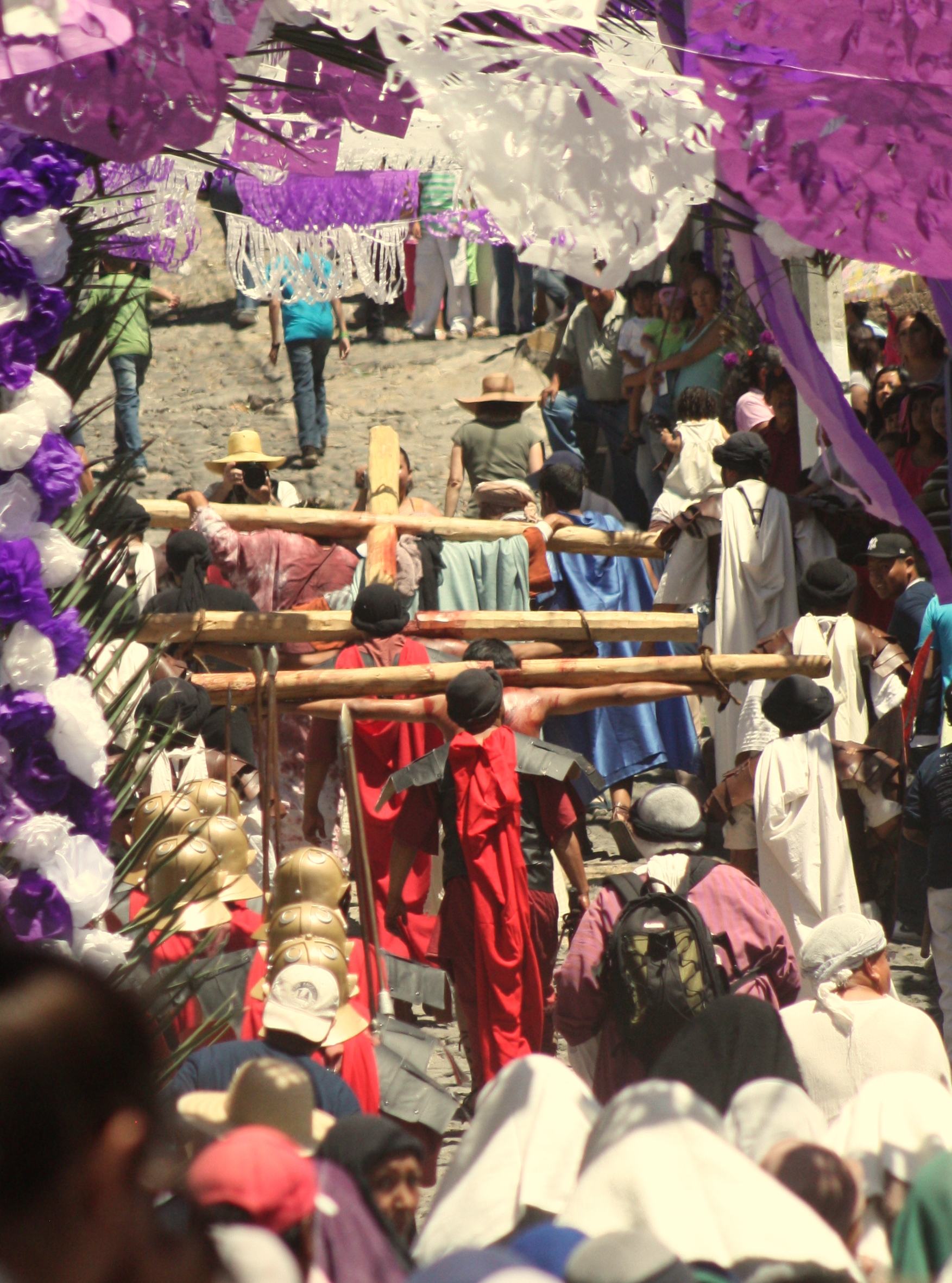
Rows of purple and white streamers criss-cross the street overhead like bright, low-hanging clouds.  They cast fluttering shadows on stucco walls and cobblestone streets.

Cascarones for sale on the Plaza


One block over on the Plaza vendors sell colorful Easter cascarones, painted, hollowed eggshells stuffed with confetti.  From the looks of the pavement some intended targets have already had their confetti shower.

A block further, a curtained stage now sits in the church’s expansive courtyard.  It runs the entire length of the church façade and big speakers are stacked at either end.  By curtain time it’s standing room only.  Every square foot of ground is occupied and spectators hang from the surrounding fences and sit on roofs of neighboring buildings.  English-speaking expats are generously sprinkled throughout the local crowd, their signature wide-brimmed straw hats floating head and shoulders above it. The temperature says it’s comfortably spring, but in the open courtyard the sub-tropical sun quickly withers anything in the open and umbrella sun shades dot the crowd.

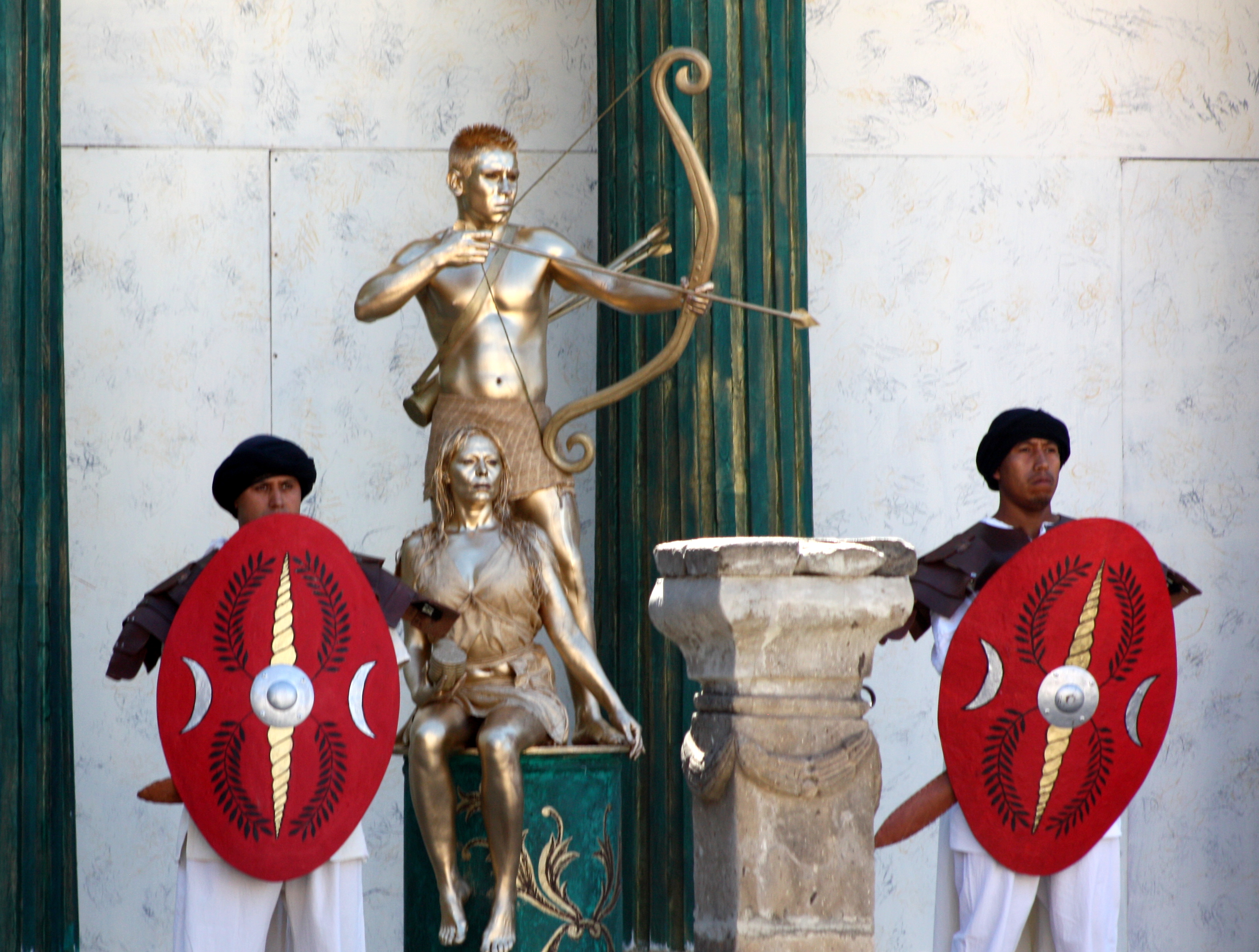
King Herod’s court (the statues are real actors!)

When the curtain rises I find myself totally and delightfully unprepared for the sophistication of this production.

Costumes, makeup, and music are all impeccably conceived and executed, and the cast – inclusive of extras – must surely number 100 persons or more.

Jesus is delivered to King Herod

Attention shifts from the stage as a procession arrives from the street outside, where Jesus is being led to Herod’s court in chains.


I am also unprepared for the intensity that these amateur actors bring to their performances.  From the expressions on their faces all seem completely immersed in their characters and thoroughly caught up in the plot.

Jesus awaits a hearing by Pontius Pilate

Pontius Pilate sentences Jesus


I am most unprepared, though, for the sheer emotional impact of the Via Crucis.

The procession sets out on the Via Crucis

As the costumed procession moves along cobblestone streets among stucco buildings under a brilliant sub-tropical sun, time seems eerily suspended in a two thousand year old moment.

Via Crucis procession


These crosses are no Hollywood props, and the route not only covers a mile or so of cobblestone streets, but ascends at least a couple of hundred feet into the foothills.


As the condemned labor under their burdens their effort is palpable.


Curbside spectators join the procession as it passes until it has swelled to two or three thousand.

Via Crucis procession

On most Mexican holidays the daytime air is filled with the sound of street bands and nighttime air with the sound of firecrackers, but on this occasion all are subdued and not a single baby cries.

As the procession nears the crucifixion site the crowd becomes tightly packed, but there’s no pushing or shoving.

In the last couple of hundred feet the pitch of the ascent steepens and streets and houses run out, leaving nothing above but the mountain.


It looks as if earthmoving equipment has recently raked the site. Together with leafless trees awaiting the rainy season this gives it the appearance of a battlefield no man’s land.  The condemned trio and their armed escorts climb to an outcropping overlooking the crowd gathered below.

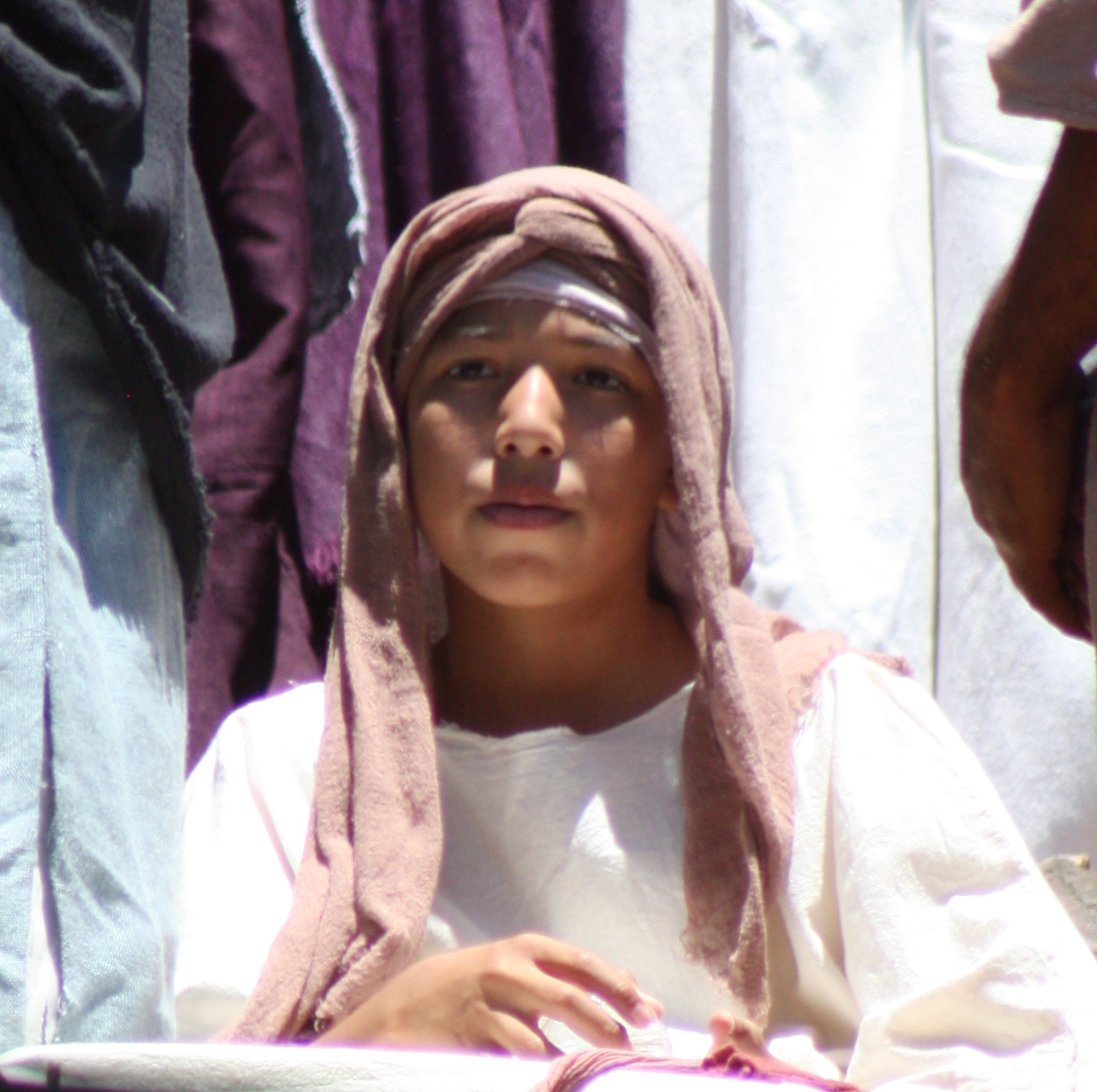
Grieving onlooker at the crucifixion site

Hammers sound against the planks as the Roman soldier characters shield compadres and victims from the midday sun with their shields.
At last they wrestle the first of the crosses into the air.

Ajijic Passion play 2012 43

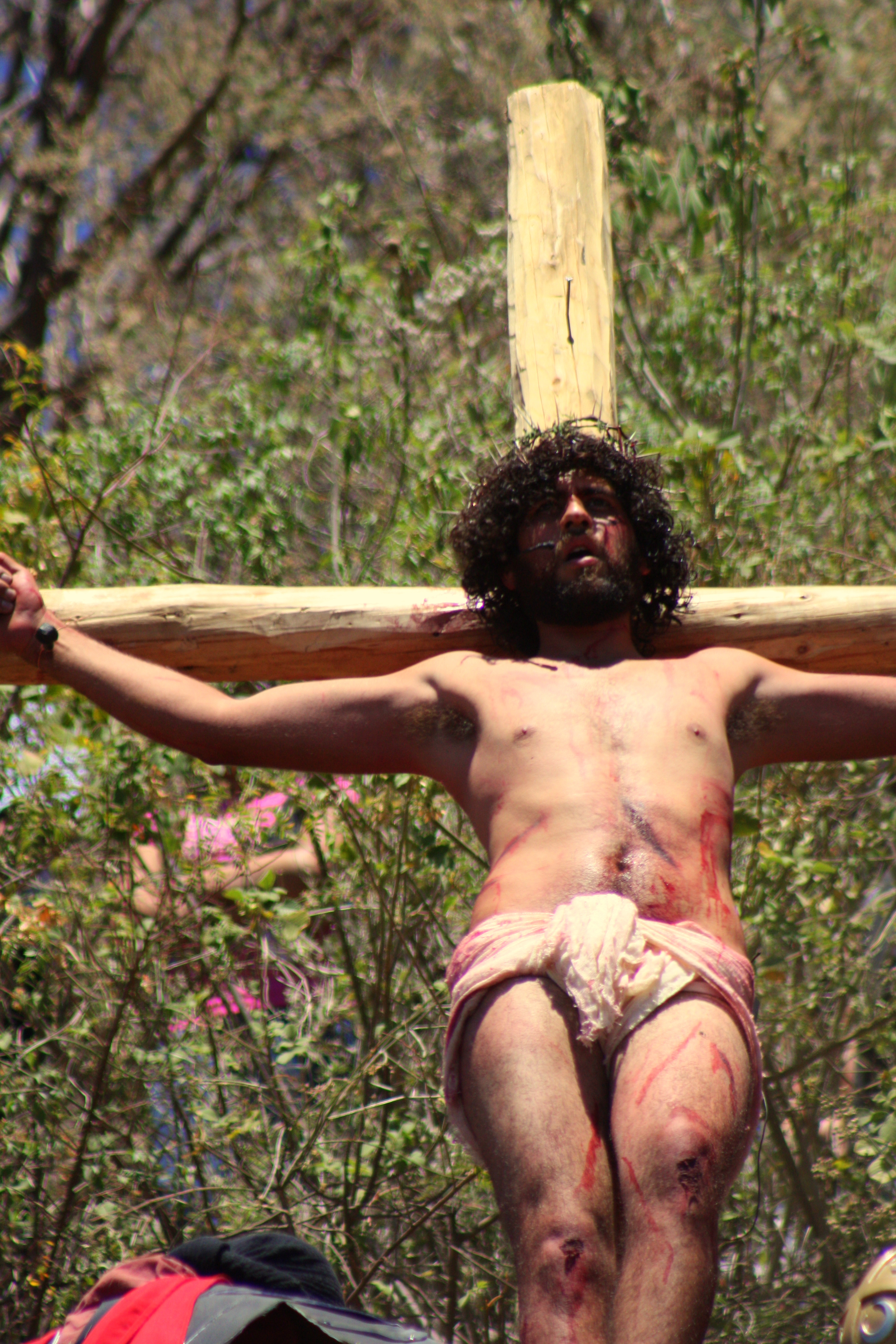
Erection of Christ’s cross.

The central cross is erected last, and the Jesus character’s chest is heaving from heat and exertion. Female extras gathered nearby look far too mournful to be acting.


It is now two hours since the day’s performance began. The crowd stands before the tableau as if transfixed and the costumed mourners look inconsolable. The Roman soldier characters stand exhausted from their exertion. Only the clear blue sky seems to distinguish the scene from the original account.

I turn and look back down Calle Juarez, festooned with purple and white streamers. It vanishes into the village only a few blocks before the lake. The water is tranquil and the mountains beyond stand crisply in the clear air. It strikes me that on this day Calle Juarez connects a vision of heaven to a vision of hell.

Ajijic Passion play 2012 45

Golgotha

In the next act the corpses will be taken down and Jesus’ body carried to its tomb, but I’ve decided that this event is far too much to consume at one sitting – emotionally as well as physically – and promise myself to see the missed acts next year.

See the complete photo album “Semana Santa” for this event on Facebook: http://www.facebook.com/AntonioRambles

Anywhere but Starbucks

Remember when Starbucks was an honest-to-goodness coffeehouse?  Back when the help had enough tattoos that their flesh looked like wallpaper, enough piercings to set off an airport metal detector at 50 paces, and just enough of that cooler-than-thou attitude? Back when people were still reading newspapers?

Me, too… but barely.

I knew it was the end of an era when the soccer mom in line ahead of me brought rush hour to a halt while she agonized over whether to order the scone or the muffin. (I finally told the cashier to just give her both and put it on my tab, to the applause of everyone in line behind me.)

Where did it all go so wrong?

Maybe it was when Starbucks started selling more sandwiches than music CD’s, or when they began offering food-and-beverage “pairings” (a Happy Meal by any other name…).  Maybe it was when they began pumping out more frozen drinks every summer than a Dairy Queen, or when you couldn’t indulge yourself in the coffeehouse experience because the tables were all taken by not-actually-customers seeking only free wi-fi.

“All of the above,” is not a bad answer, but at the heart of Starbucks metamorphosis into a McDonald’s clone is its expansion into suburbs and Interstate rest stops.  That’s when the cashiers started to look and talk like they would fit in at least as well in a Dunkin’ Donuts.  It’s when patrons at the inside counter started taking a back seat to lengthening lines of drive-thru customers.  It’s when pre-teen kids started showing up for after-school treats at Starbucks instead of Baskin-Robbins.  (I expect any day now to see the first Starbucks with its own Playland or the Starbucks logo perched on the roofs of delivery cars.)

Fortunately, urban Dallasites don’t have to settle for so little, because independent coffeehouses are taking up Starbucks’ slack.  These are my top anywhere-but-Starbucks picks for Dallas, in no particular order:
DRIP COFFEE is located in the Park Cities on the south side of Lover’s Lane just east of the Dallas Tollway.

Drip coffeehouse, Dallas

Drip coffeehouse, Dallas

It has a Euro-contemporary ambiance that exudes passion for coffee.  Foodservice is limited to light fare that complements coffee.

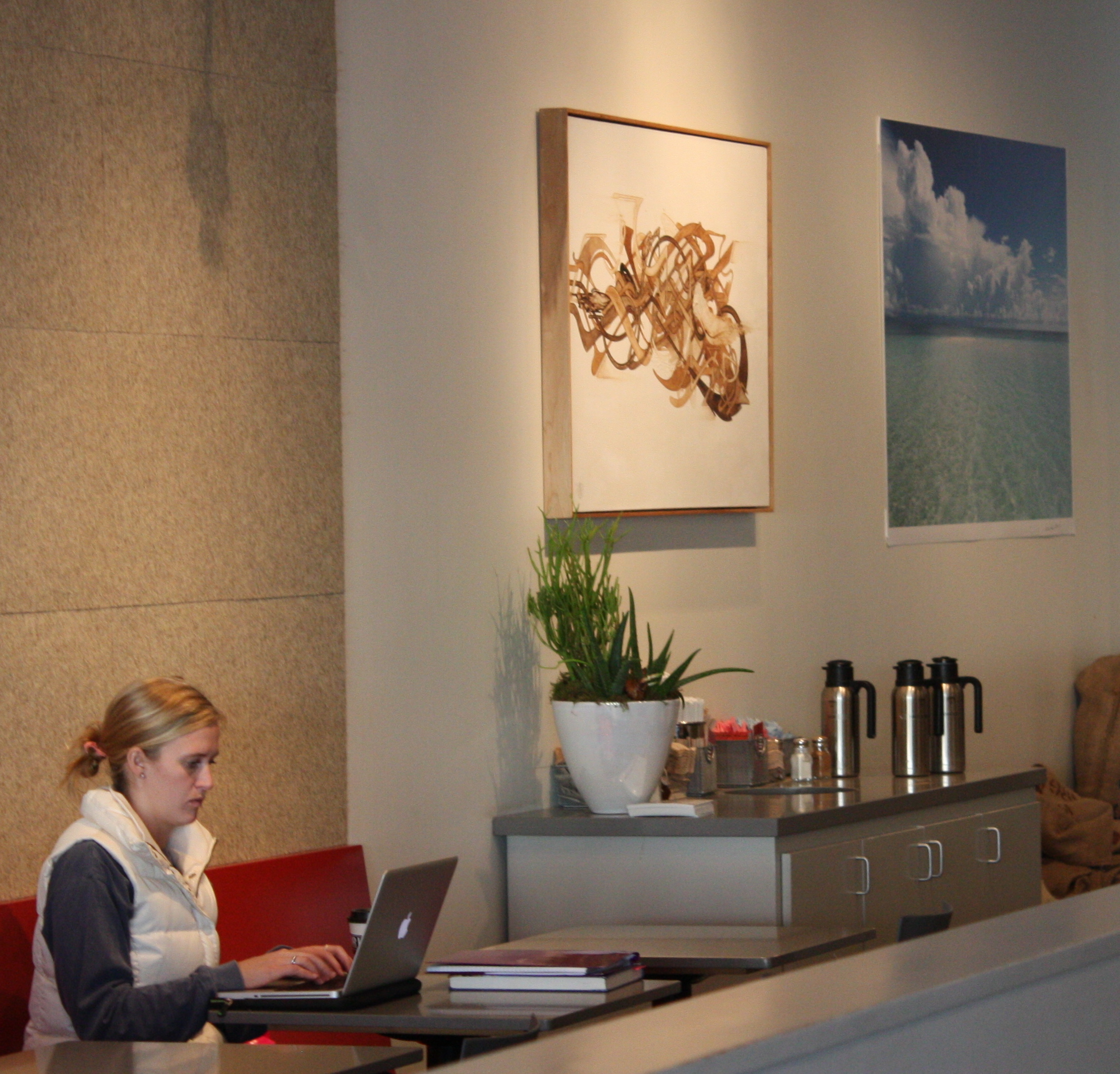
The walls are hung with contemporary art, which makes it feel as much like a gallery as a coffeehouse.

Drip coffeehouse, Dallas

Drip coffeehouse, Dallas

Drip coffeehouse Dallas 02

Drip Coffeehouse, Dallas

Its bright, uncluttered modern minimalism generates a tranquility all its own.

More about Drip at http://www.dripcoffeeco.com


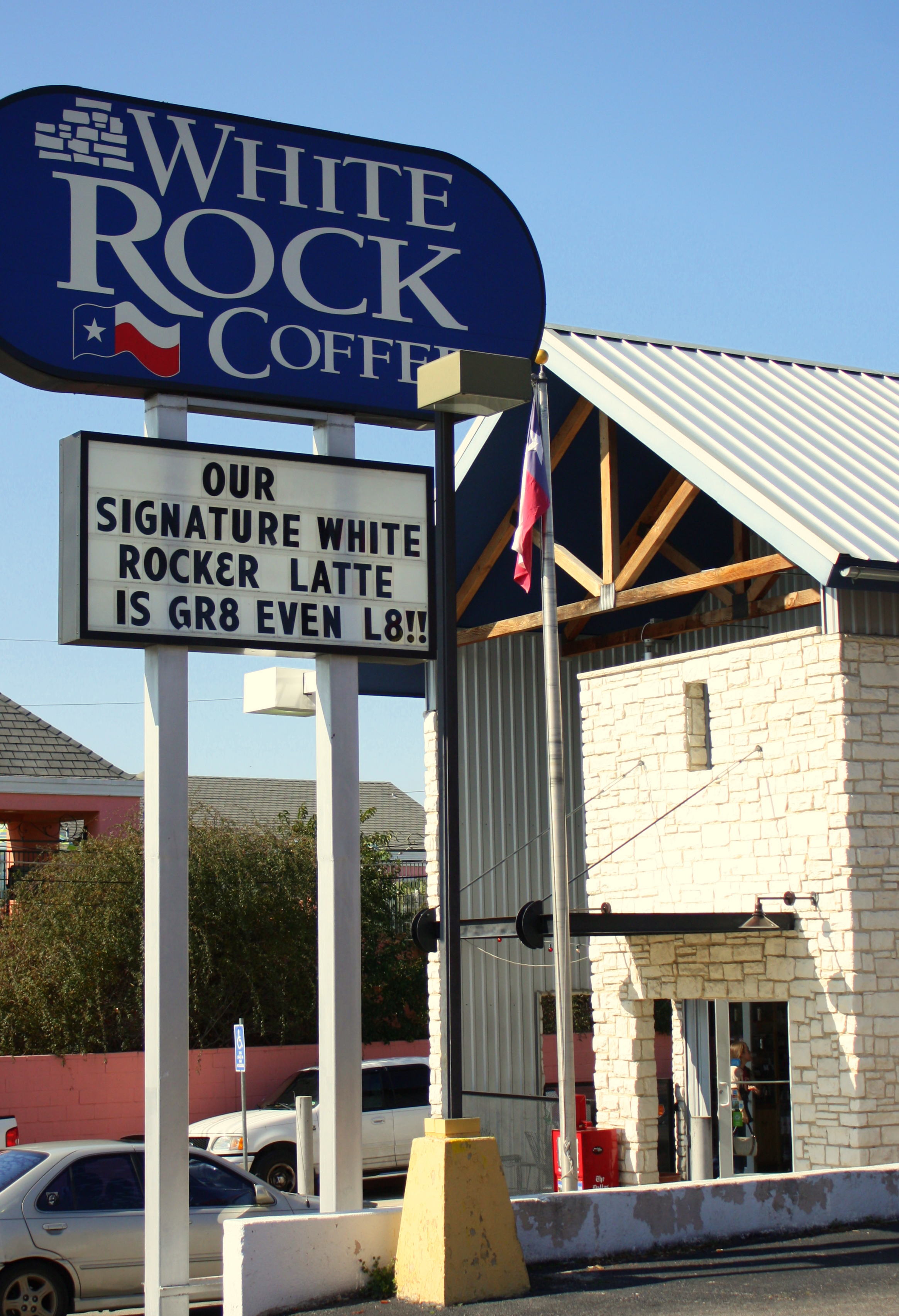
WHITE ROCK COFFEE is located on East Northwest Highway just east of Audelia.

White Rock Coffee, Dallas

While the stone walls and steel roof are charmingly Texana, this is a a newly-built-for-the-purpose structure, which along with its movie marquee style sign creates for me an off-putting first impression.  Fortunately it gets nothing but   better inside.

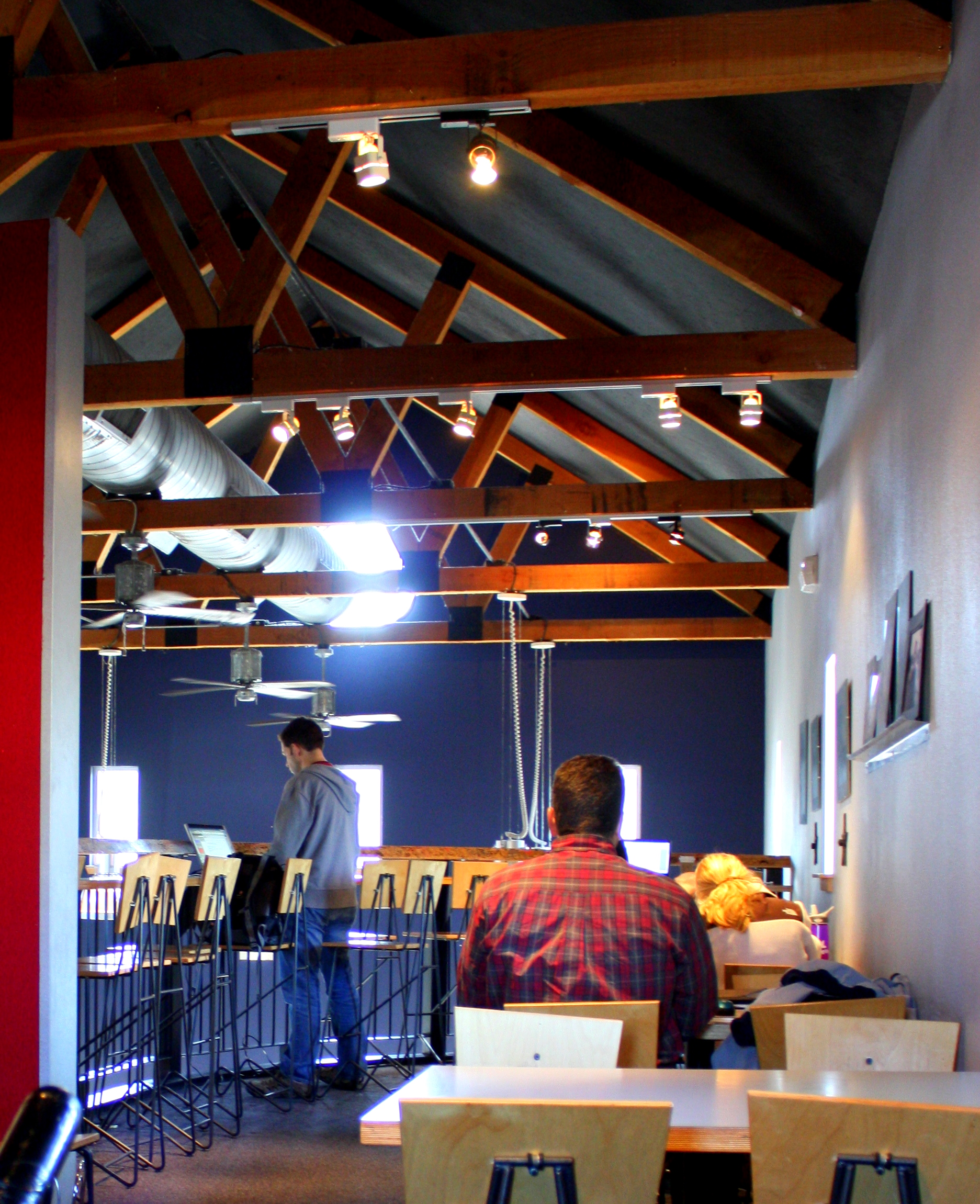
White Rock Coffee, Dallas

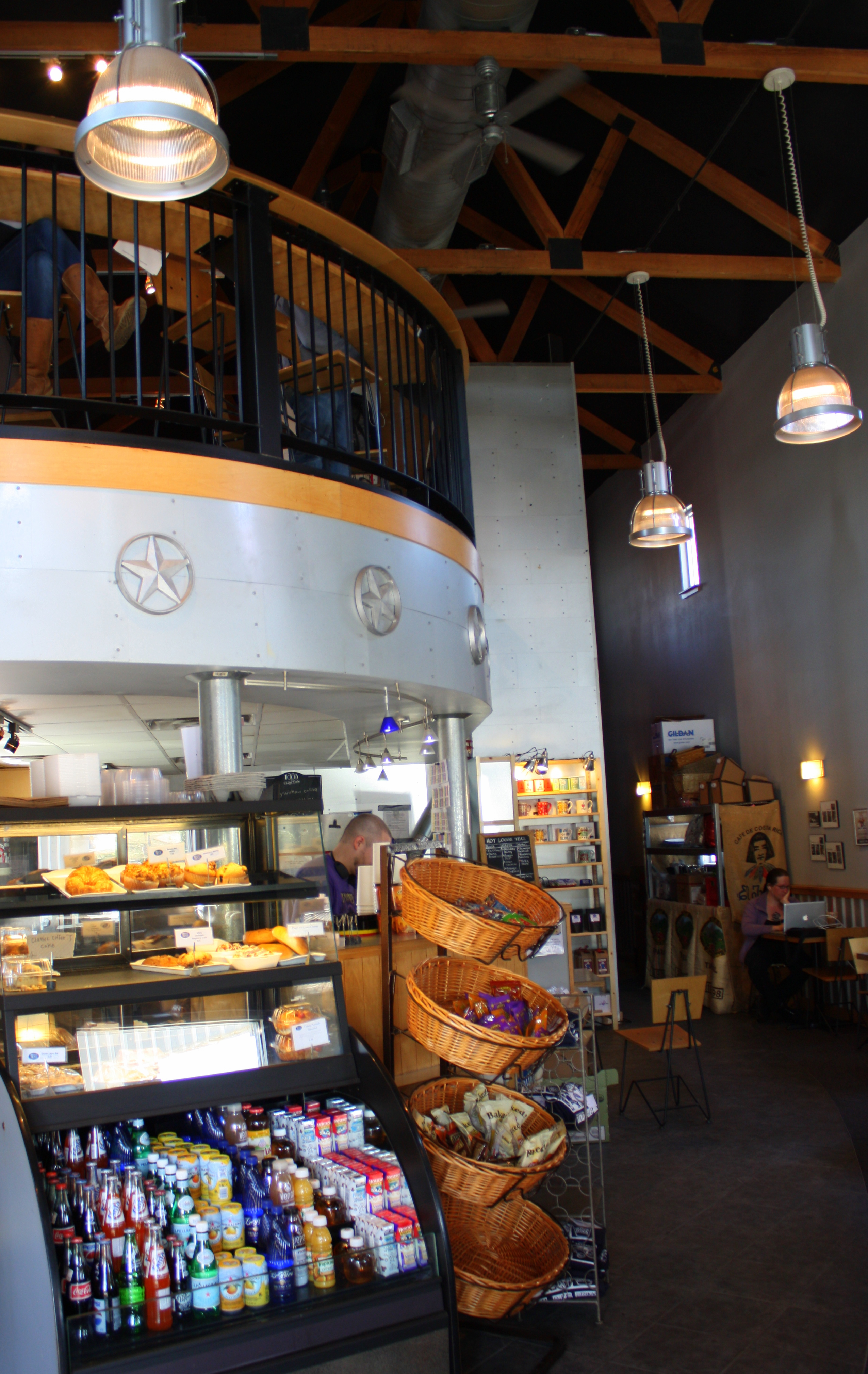
A high, open-bean ceiling opens into loft seating that has an intimate feeling without the claustrophobia… kind of like sitting in a tree house.

White Rock Coffee, Dallas

White Rock Coffee, Dallas

It’s not unusual to find the tables downstairs almost mostly empty, but the loft filled with silent laptop users.  Barstools and a counter along the loft railing look down on the dining area.

These guys are serious enough about coffee to roast their own, and serious enough about social responsibility and sustainability that the place is both a Certified Fair Trade Roaster and a Certified Rainforest Alliance Roaster.

There’s light entertainment here several nights weekly and an open mike night on Tuesdays.

More about White Rock at http://www.wrcoffee.com


Pearl Cup coffehouse, Dallas

Pearl Cup coffehouse, Dallas

THE PEARL CUP is located in a can’t-miss-it-lime-green building at the corner of Henderson and McMillan, just a couple of blocks north of where Ross meets Lower Greenville.

Metal tables, exposed rafters, concrete floors, and brick walls produce an industrial loft ambiance, although there’s plenty of art hanging.

Pearl Cup coffehouse, Dallas

Pearl Cup coffehouse, Dallas


The crowd here is a mix of young apartment dwellers, students and (more so on weekends)  M Street  homeowners. The menu is mostly limited to goes-well-with-coffee items.

Pearl Cup coffehouse, Dallas

Pearl Cup coffehouse, Dallas

There’s counter seating and table seating inside. There’s also patio seating when fickle Dallas weather permits and, of course, wi-fi.

More about Pearl Cup at:  http://www.thepearlcup.com
CORNER MARKET is located on Lower Greenville at McCommas.   It’s in the same building that houses the Buffalo Exchange recycled clothing store, a block south of the Granada Theater.

Corner Market, Dallas

Corner Market, Dallas

It connects through inside doors to a neighboring florist shop on one side and the Society Bakery on the other, creating the feeling of a covered urban market.

Corner Market, Dallas

Corner Market, Dallas

The crowd here is a bit older than at nearby Pearl Cup, a mix of Lower Greenville renters and – particularly on weekends – a big infusion of M Street homeowners.

There are plenty of pastries and chocolates in the display case here,  but the food menu is mostly deli – heavy on salads and sandwiches that earned it Dallas Observer Best Of in the Sandwich category.   The coffees are quite good, too. (No web site.)


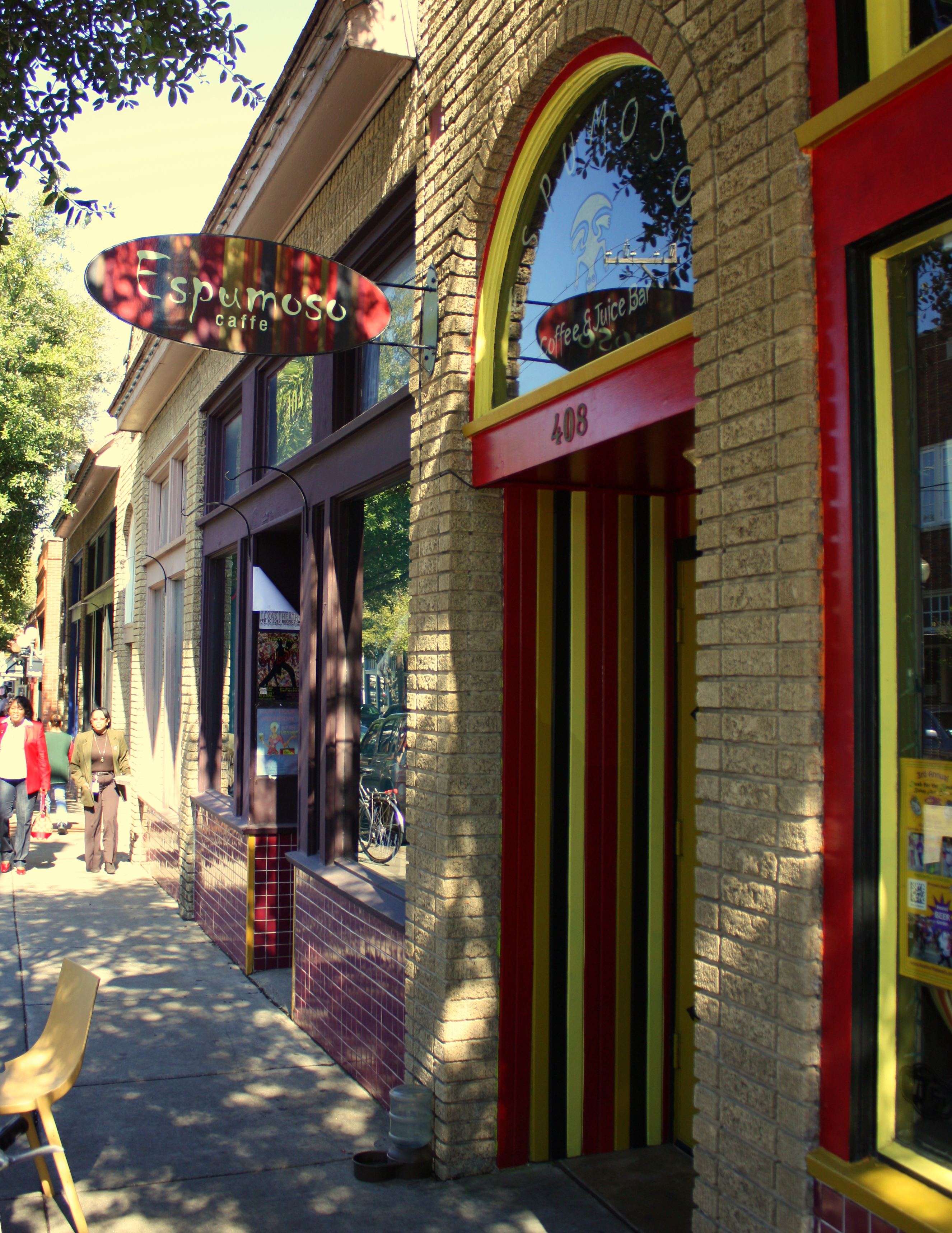
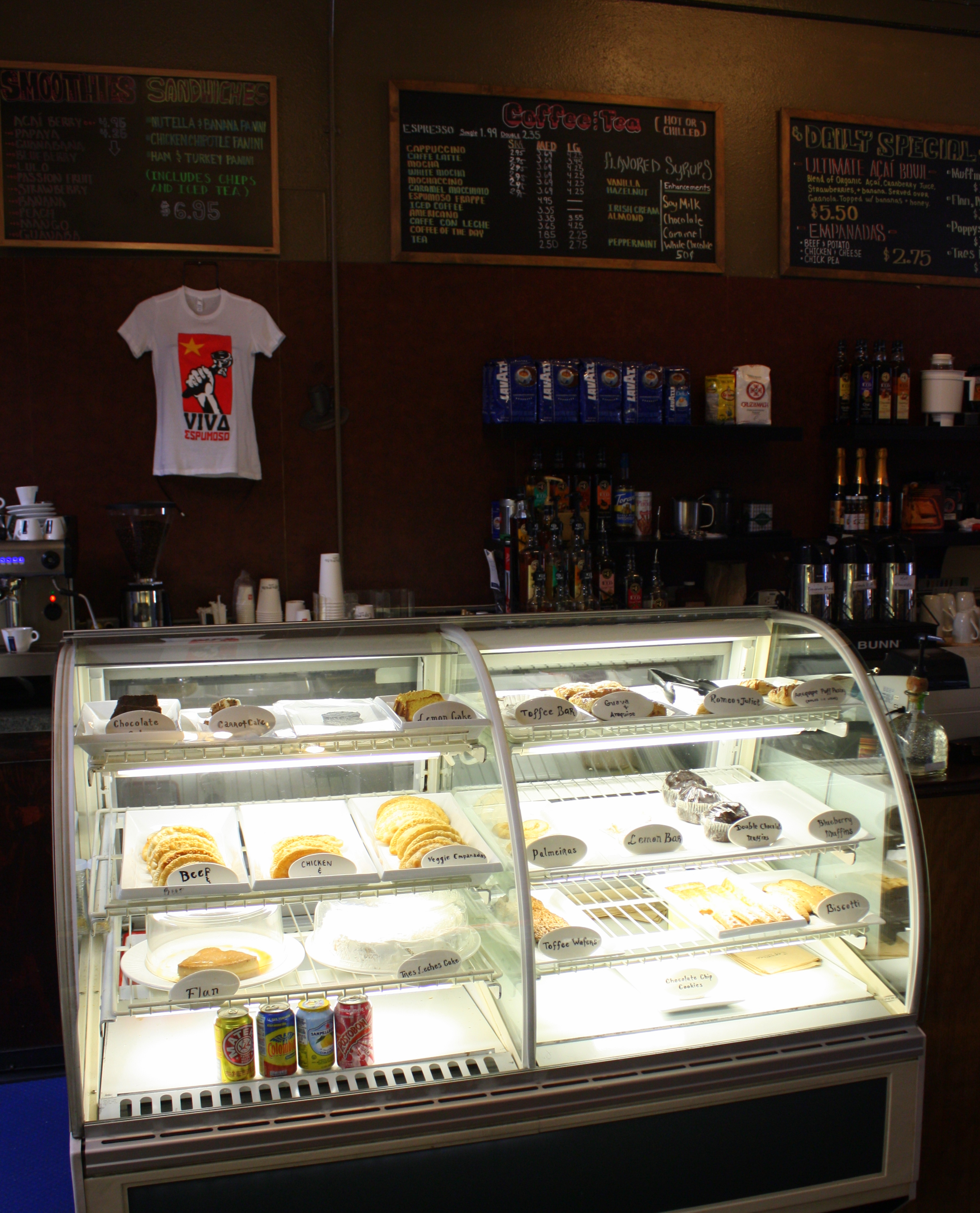
ESPUMOSO COFFEE  is located in an old Bishop Arts District streetfront store between 7th and 8thStreets just across from Eno’s Pizza Tavern.

Espumoso Cafe, Dallas

Coffee is the undisputed centerpiece of a light menu of smoothies, ice cream, desserts, and pastries.  The house specialty is a selection of homemade empanadas.

Espumoso Cafe, Dallas

The piped-in music can get a bit loud, but the place is uncrowded during the day and although seating is limited the couches are quite comfortable.

Espumoso Cafe, Dallas

Espumoso Cafe, Dallas

And they have by far the coolest T-shirt of any Dallas coffeehouse.

More on Espumoso at:  http://www.espumosocaffe.com


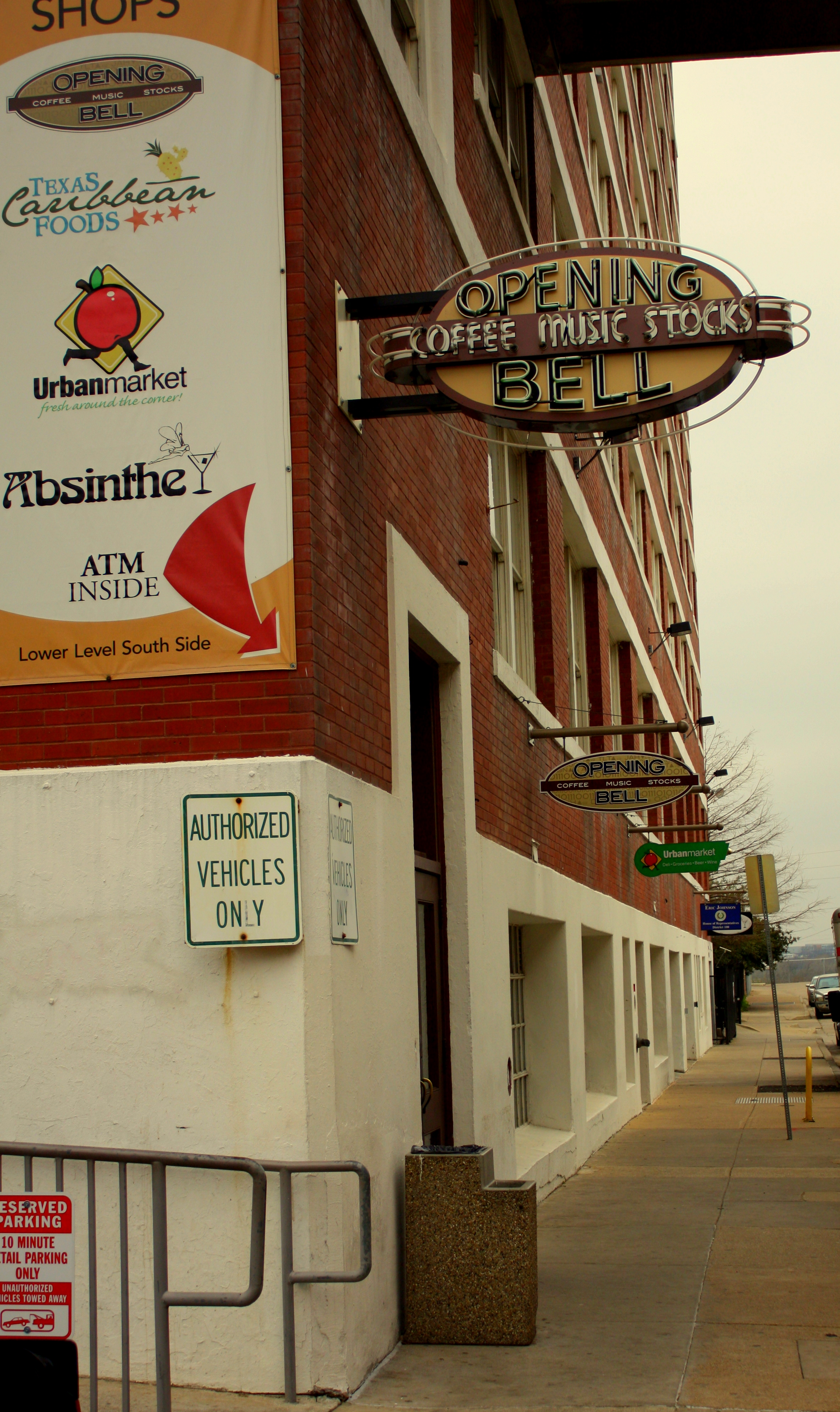
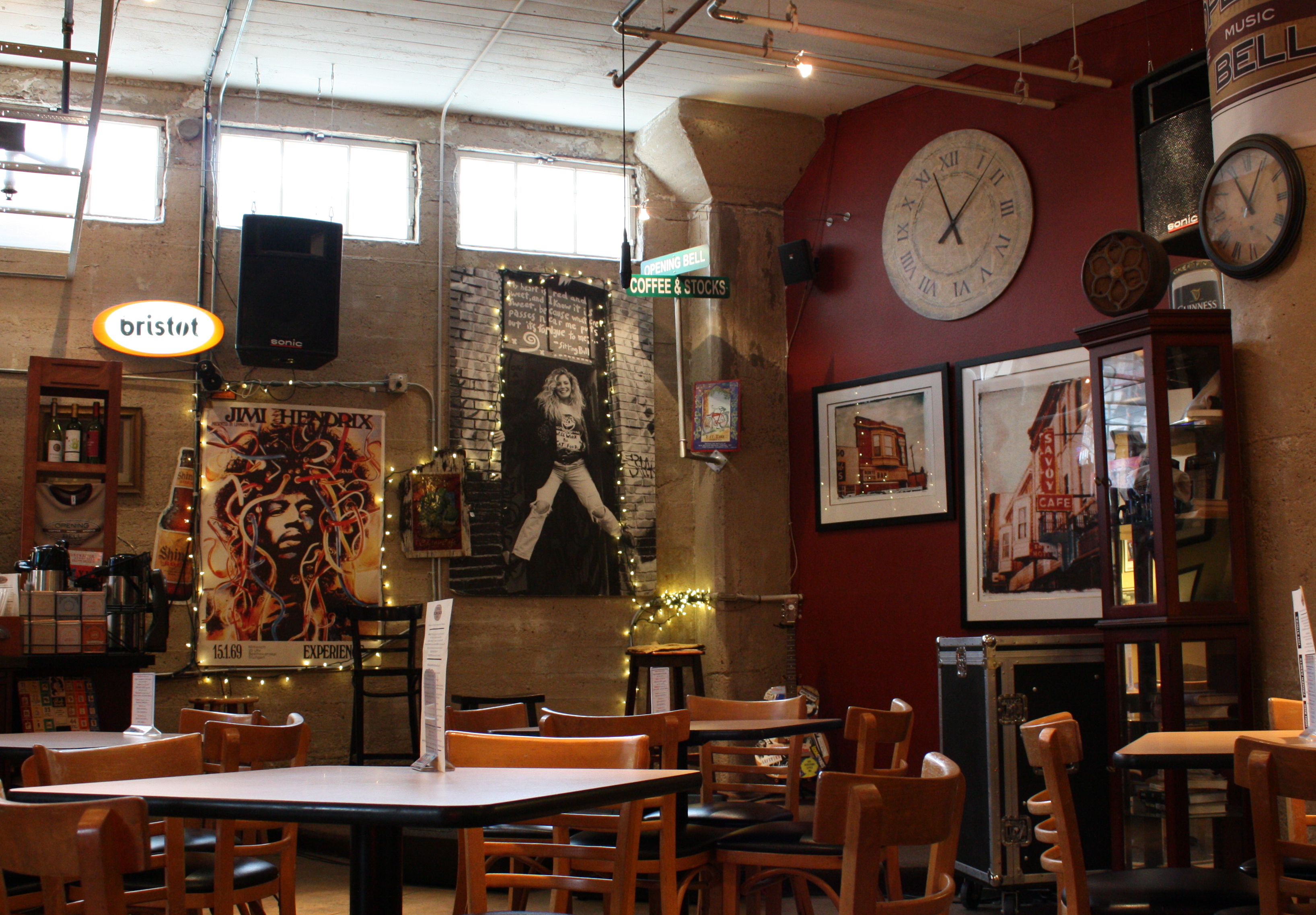
THE OPENING BELL is located in the historic Sears Building in Southside On Lamar, a block from the DART Rail Cedars Station (the Dallas nighttime skyline looks incredible from here, especially since the convention center hotel has lighted up.)  This place has the look of a Greenwich Village or North Beach coffeehouse.

Opening Bell coffeehouse Dallas

To begin with it’s a basement walk-down.

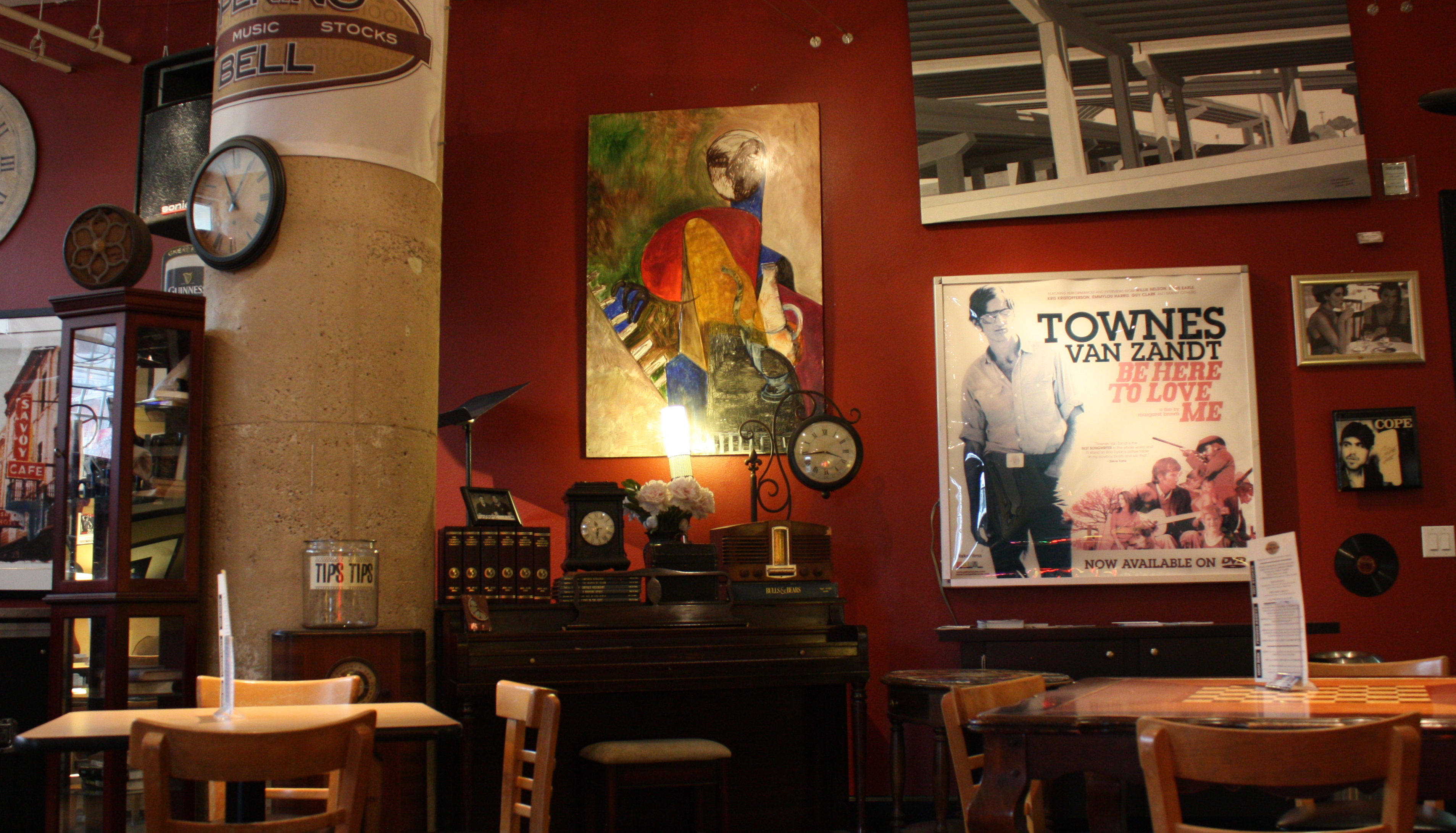
Then there’s the life-sized poster of Townes Van Zandt, and the small stage and microphone set up in one corner.

Opening Bell coffeehouse Dallas

Opening Bell coffeehouse Dallas

The place serves pastries and sandwiches, but more importantly also beer and wine.  Wi-fi is free and its within stone-throwing distance of Brooklyn’s Jazz Café and the Absinthe Lounge, Poor David’s, and Gilley’s.  http://www.openingbellcoffee.com


There are  7 important attributes which separate these urban gems from the Starbucks Devolution:

  1. The architecture includes a ceiling of old tin tiles or exposed rafters and/or an exposed concrete floor.
  2. The décor exudes a funky or artsy one-of-a-kind ambiance.
  3. It has no drive-thru.
  4. Drinks consumed on-premise are served in ceramic cups instead of paper cups.
  5. The limited food menu pays homage to the caf-o-holic customer base… and it’s all hand-printed on a chalkboard.
  6. The staff has the requisite number of tats and piercings, dresses in black both on and off the job, and looks totally caffeine-wired and/or sleep-deprived.
  7. There is one and only one location.

P.S. Local chain Café Brazil is a noteworthy exception:  These people never let their restaurant business get in the way of their coffee business, and the people-watching – surely an important component of a great coffeehouse – can’t be beat.  I recommend the locations on Lower Greenville, in Deep Ellum, and in Oaklawn; best viewing around 3AM on just about any Sunday morning. http://cafebrazil.com